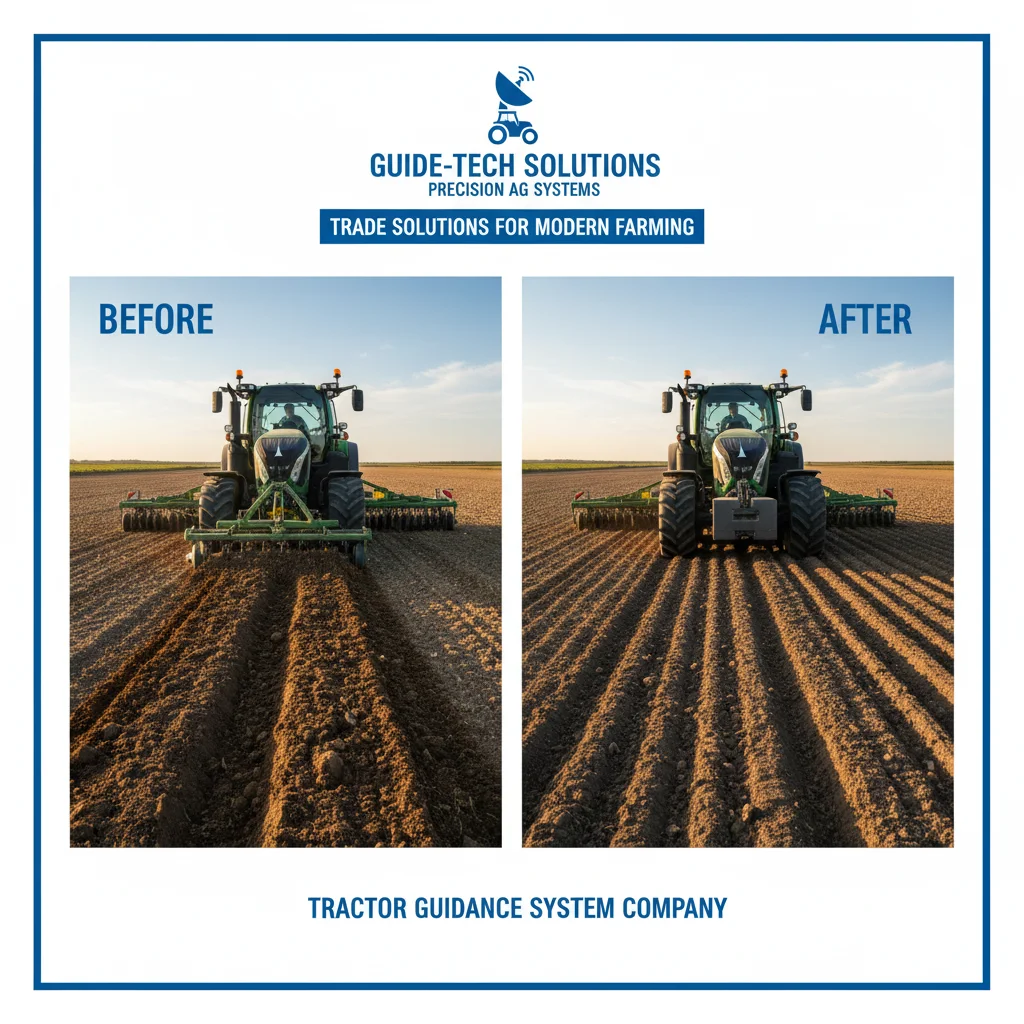
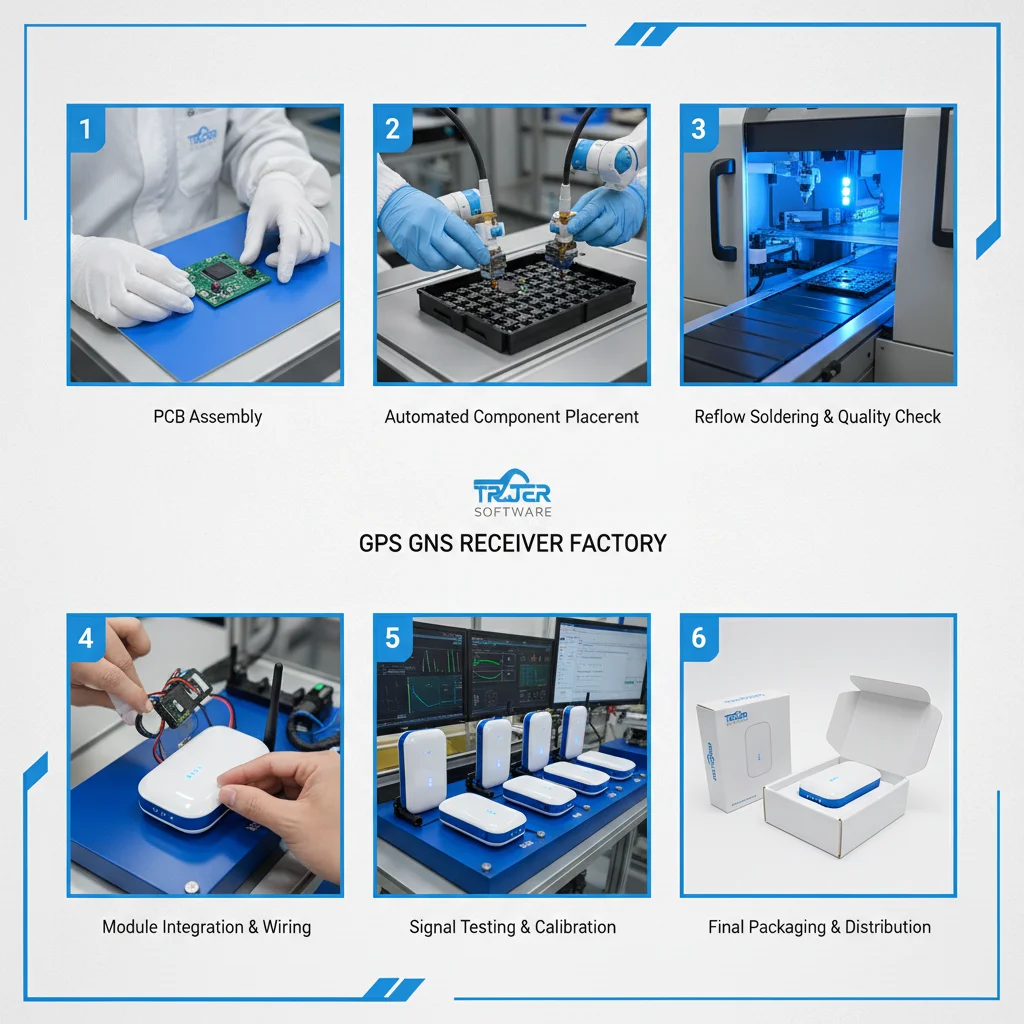
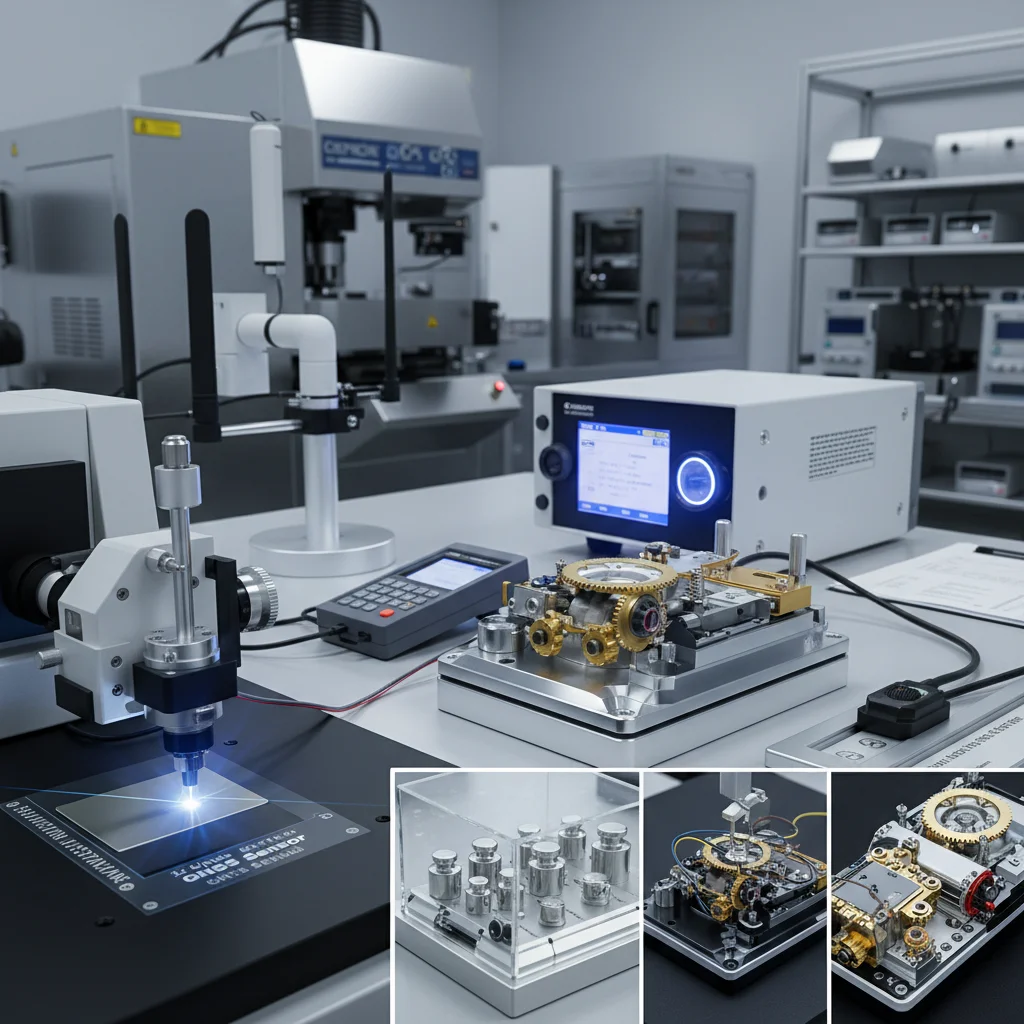
The modern agricultural landscape is undergoing a seismic shift toward precision farming, where the integration of a professional tractor gps autosteer service has become a cornerstone for operational efficiency. By leveraging high-precision GNSS data and automated steering actuators, farmers can now eliminate the guesswork of manual steering, ensuring that every pass across the field is executed with centimeter-level accuracy. This transition from traditional methods to automated guidance is not merely a luxury but a strategic necessity for those looking to optimize resource allocation and maximize crop yields in an increasingly competitive global market.
Globally, the demand for food security is driving the adoption of advanced machine control solutions. Implementing a robust tractor gps autosteer service allows for the drastic reduction of overlaps and skips, which directly translates to lower fuel consumption and reduced wear and tear on machinery. As labor shortages persist in rural areas across North America, Europe, and Asia, the ability to automate the most repetitive and mentally taxing part of the tractor operator's job—maintaining a perfectly straight line—increases overall productivity and reduces operator fatigue.
Understanding the nuances of autosteer technology is essential for any agribusiness aiming for sustainability. From the selection of the right GNSS antenna to the calibration of steering platforms, the technical synergy between hardware and software ensures that inputs like seeds, fertilizers, and pesticides are applied exactly where needed. By embracing a comprehensive tractor gps autosteer service, agricultural enterprises can move toward a data-driven future where precision is the primary driver of profitability and environmental stewardship.
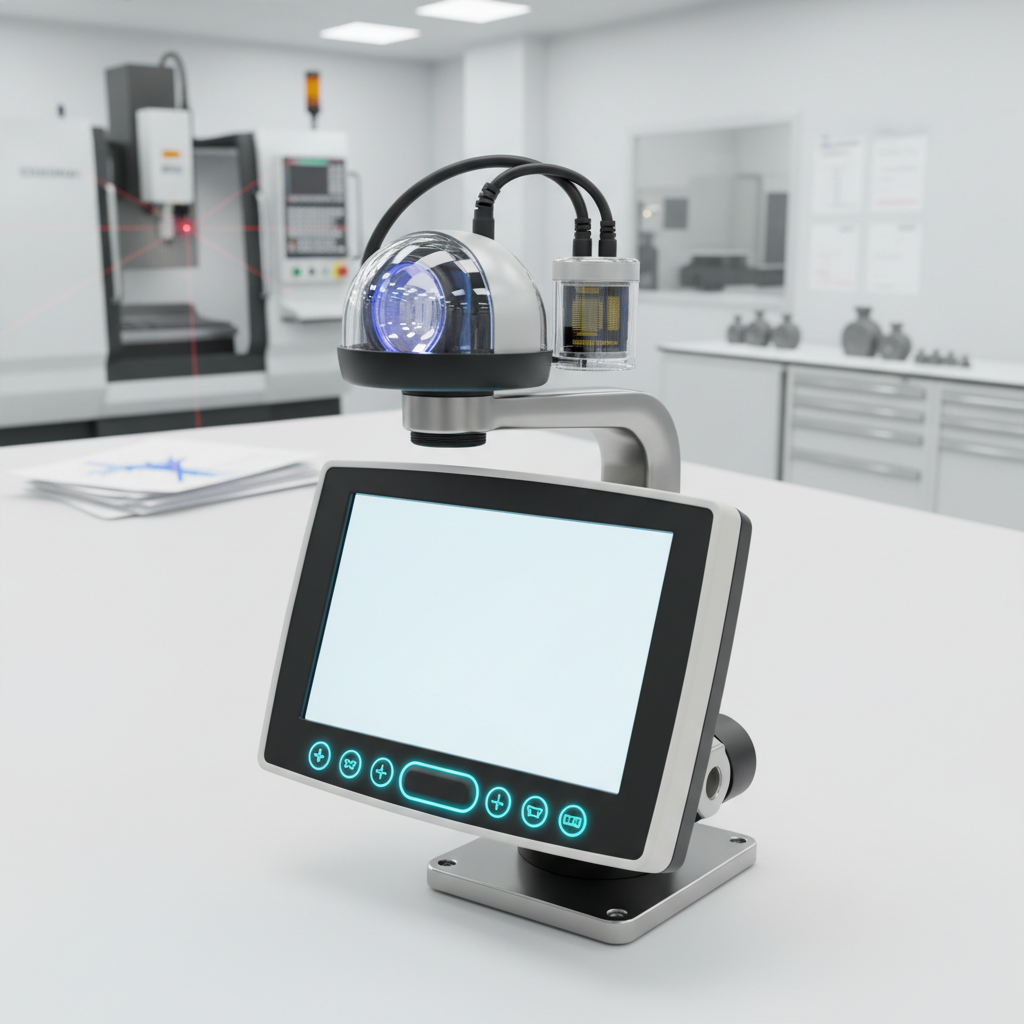
Global Industry Context of Autosteer Technology
The global adoption of a tractor gps autosteer service is closely tied to the overarching goal of "Climate-Smart Agriculture." With the World Bank emphasizing the need for increased agricultural productivity to feed a growing population, the industry has shifted toward ISO-standardized machine control. This standardization allows different brands of equipment to communicate, ensuring that a GNSS system from one provider can seamlessly guide a tractor from another, creating a cohesive ecosystem of precision.
Current statistics indicate that precision guidance can reduce input costs by up to 15% by eliminating overlap. In regions like the Great Plains of the USA or the vast wheat fields of Ukraine, where fields span thousands of acres, even a small percentage of overlap results in significant financial waste. The challenge lies in bridging the gap between high-end OEM solutions and affordable, retrofit services that allow smaller farms to access these life-changing technologies.
Defining the Tractor GPS Autosteer Service
At its simplest, a tractor gps autosteer service is a comprehensive technology suite that takes over the steering of a tractor based on a pre-defined path generated by satellite positioning. Unlike simple "light-bar" guidance, which requires the driver to steer manually to stay on a line, autosteer uses an electronic control unit (ECU) to send signals directly to the tractor's hydraulic steering valve or a motorized steering wheel, maintaining a precise track without human intervention.
This service is deeply connected to the humanitarian need for food security and environmental preservation. By ensuring that chemicals are not over-applied to the soil, autosteer services prevent nitrogen runoff into local waterways, protecting biodiversity while simultaneously increasing the farmer's bottom line. It transforms the tractor from a simple pulling machine into a sophisticated mobile data center.
From a technical perspective, the service encompasses the hardware (GNSS antennas, receivers, and steering controllers) and the software (mapping tools and path-planning algorithms). Whether utilizing an N10 GNSS system or a specialized steering platform, the end goal is the same: absolute spatial accuracy across every square inch of the arable land.
Core Components of Precision Guidance Systems
The foundation of any reliable tractor gps autosteer service is the GNSS receiver. These devices, such as the M2 or E93 GNSS systems, capture signals from multiple satellite constellations (GPS, GLONASS, Galileo, and BeiDou) to determine the tractor's location. Without high-grade receivers, the system cannot achieve the sub-decimeter accuracy required for row-crop farming.
Next is the steering actuator and control platform. A professional tractor gps autosteer service must integrate a robust Guidance & Steering Platform that can handle the physical stresses of field work. This component converts the digital coordinates from the receiver into physical movements of the wheels, adjusting for slope, soil slip, and vehicle dynamics in real-time.
Finally, the user interface, often delivered via high-performance Data Collectors or handheld GPS units, allows the operator to set "A-B lines," define field boundaries, and monitor performance. This layer of the tractor gps autosteer service ensures that the complex mathematics of satellite positioning are translated into an intuitive experience for the farmer.
Key Factors Driving Operational Efficiency
The efficiency of a tractor gps autosteer service is measured by its ability to reduce "drift" and "overlap." When a tractor deviates by just a few inches, it can lead to skipped rows or double-application of fertilizer. High-tier services utilize RTK (Real-Time Kinematic) corrections to bring accuracy down to the 2.5cm level, ensuring that the machine follows the exact same path every single time.
Furthermore, scalability is a key factor. A modern service should be compatible across a fleet of various machines—from small utility tractors to large 4WD systems—using a unified data collector. This allows for a seamless transition of field maps from the planting phase to the spraying and harvesting phases, creating a closed-loop system of precision management.
Efficiency Impact of Various Tractor GPS Autosteer Service Tiers
Global Applications and Real-World Use Cases
In the sprawling agricultural zones of Brazil and Argentina, a tractor gps autosteer service is critical for managing massive soy and corn plantations. In these regions, the sheer scale of the operation makes manual steering impossible without significant errors. The use of Smart Antennas and N702 Sensors allows these operators to maintain perfectly straight rows across thousands of hectares, which is essential for the subsequent use of automated harvesters.
Beyond commercial farming, these services are applied in specialized land management and remote industrial zones. For example, in reforestation projects in Sub-Saharan Africa, autosteer systems ensure that saplings are planted in precise grids, maximizing space and resource efficiency. Even in disaster relief, where land must be quickly cleared or re-leveled, a portable autosteer retrofit can turn a standard tractor into a high-precision grading tool.
Long-Term Value and Sustainability Benefits
The long-term value of investing in a tractor gps autosteer service extends far beyond the initial fuel savings. By reducing the overlap of chemical applications, farmers significantly lower their environmental footprint, reducing the toxicity of runoff into groundwater. This creates a sustainable cycle where higher efficiency leads to higher profitability, which in turn allows for further investment in green technologies.
From a human perspective, the reduction in operator stress is immeasurable. Farming is an exhausting profession, and the mental strain of steering for 12 to 16 hours a day during planting season leads to burnout and mistakes. Autosteer restores dignity and safety to the cockpit, allowing the farmer to focus on the quality of the seed placement or the state of the equipment rather than fighting the steering wheel.
Moreover, the data generated by these systems provides a digital ledger of the field. Every pass is recorded, allowing for "variable rate application" in the future. This means that instead of treating the whole field the same, the farmer can use the history provided by their tractor gps autosteer service to apply more nutrients only where the soil is deficient, pushing the boundaries of innovative agriculture.
Future Trends in Autonomous Farm Machinery
The trajectory of the tractor gps autosteer service is moving rapidly toward full autonomy. We are seeing a shift from "assisted steering" to "driverless operation," where the tractor is managed by a remote operator or a sophisticated AI. Integration with UAV Platforms is the next frontier, where drones map the field in 3D and upload the optimal path directly to the tractor's GNSS system via the cloud.
Digital transformation is also introducing "Swarm Robotics," where several smaller, autonomous tractors work in tandem, guided by a single high-precision master antenna. This reduces soil compaction—a major issue with heavy machinery—while maintaining the high-speed efficiency of traditional autosteer. This transition is being supported by new policies encouraging "Green Energy" in farming, with electric autonomous tractors becoming a reality.
As 5G connectivity reaches rural areas, the latency of RTK corrections will virtually disappear, allowing for a more responsive and safer tractor gps autosteer service. The future will see a seamless merge of Mobile Mapping Systems and real-time steering, where the tractor can "see" obstacles using LiDAR and adjust its path instantly without needing human input.
Comparative Analysis of Autosteer Implementation Levels
| Service Tier |
Precision Level |
Hardware Complexity |
ROI Period |
| Basic Guidance |
15-30 cm |
Low (Receiver only) |
6-12 Months |
| Standard Autosteer |
5-15 cm |
Medium (Motor/Valve) |
1-2 Years |
| RTK High-Precision |
2.5 cm |
High (Base Station) |
2-3 Years |
| Integrated Fleet |
2.5 cm |
Very High (Multi-Node) |
3-4 Years |
| AI-Adaptive Steering |
1-2 cm |
Cutting Edge (LiDAR/AI) |
4+ Years |
| Fully Autonomous |
Sub-2 cm |
Maximum (Full Robot) |
Variable |
FAQS
GPS guidance typically refers to a "light-bar" system where the screen tells the driver where to go, but the driver still turns the wheel. A full tractor gps autosteer service includes the hardware (actuators) and software that actually turn the wheels for you, removing human error and reducing fatigue completely.
Yes, this is known as a "retrofit" service. Many providers offer steering wheels motors or hydraulic valve kits that can be installed on legacy machinery, bringing old tractors up to modern precision standards without the need to purchase a brand-new vehicle.
Standard GPS can have a margin of error of several meters. RTK (Real-Time Kinematic) uses a stationary base station to send correction signals to the tractor, cancelling out atmospheric interference and bringing the tractor gps autosteer service accuracy down to about 2.5 centimeters.
Absolutely. While the initial cost can seem high, the reduction in overlap means less spent on fuel and expensive chemicals. For small farms, this "waste reduction" often pays for the system within a few seasons, while also freeing up the farmer's time.
Modern autosteer services have safety overrides. If the GNSS signal drops below a certain confidence threshold, the system will typically alert the driver and hand back steering control immediately to ensure the tractor does not veer off course.
Calibration is generally required at the start of the season or after any major mechanical changes to the tractor. However, high-end services feature "auto-calibration" that constantly adjusts for soil slip and tire wear during operation to maintain a straight line.
Conclusion
The implementation of a professional tractor gps autosteer service represents a fundamental shift from traditional farming to precision engineering. By integrating high-accuracy GNSS receivers, robust steering platforms, and intelligent data collectors, agricultural operations can achieve unprecedented levels of efficiency, reducing waste and environmental impact while maximizing yields. The synergy between hardware reliability and software intelligence is what transforms a simple piece of machinery into a tool for sustainable global food production.
Looking forward, the evolution of autonomy and AI will continue to redefine the role of the farmer, shifting the focus from manual labor to fleet management and data analysis. We recommend that producers begin by auditing their current overlap rates and exploring retrofit options to enter the world of precision guidance. To stay ahead of the curve and secure your farm's future, explore our specialized solutions. Visit our website: www.nctnav.com