In the rapidly evolving landscape of precision agriculture, partnering with a professional tractor guidance system company has become a strategic necessity for modern farmers seeking to maximize yield and minimize waste. These systems integrate advanced GNSS technology with intelligent steering mechanisms to ensure that machinery operates with centimeter-level accuracy, effectively eliminating overlap and gaps during tilling, planting, and spraying.
The global shift toward sustainable farming is driving a surge in demand for automated navigation. By reducing the reliance on manual steering, a reputable tractor guidance system company enables operators to reduce fatigue and increase efficiency, allowing for longer operational hours during critical planting windows without compromising the precision of the field layout.
Understanding the nuances of these technologies—from RTK corrections to automated steering platforms—is essential for any agricultural enterprise aiming for long-term scalability. Investing in the right infrastructure from a specialized tractor guidance system company not only optimizes immediate resource use but also builds a foundation for fully autonomous farm management in the near future.
Global Impact of Precision Navigation in Agriculture
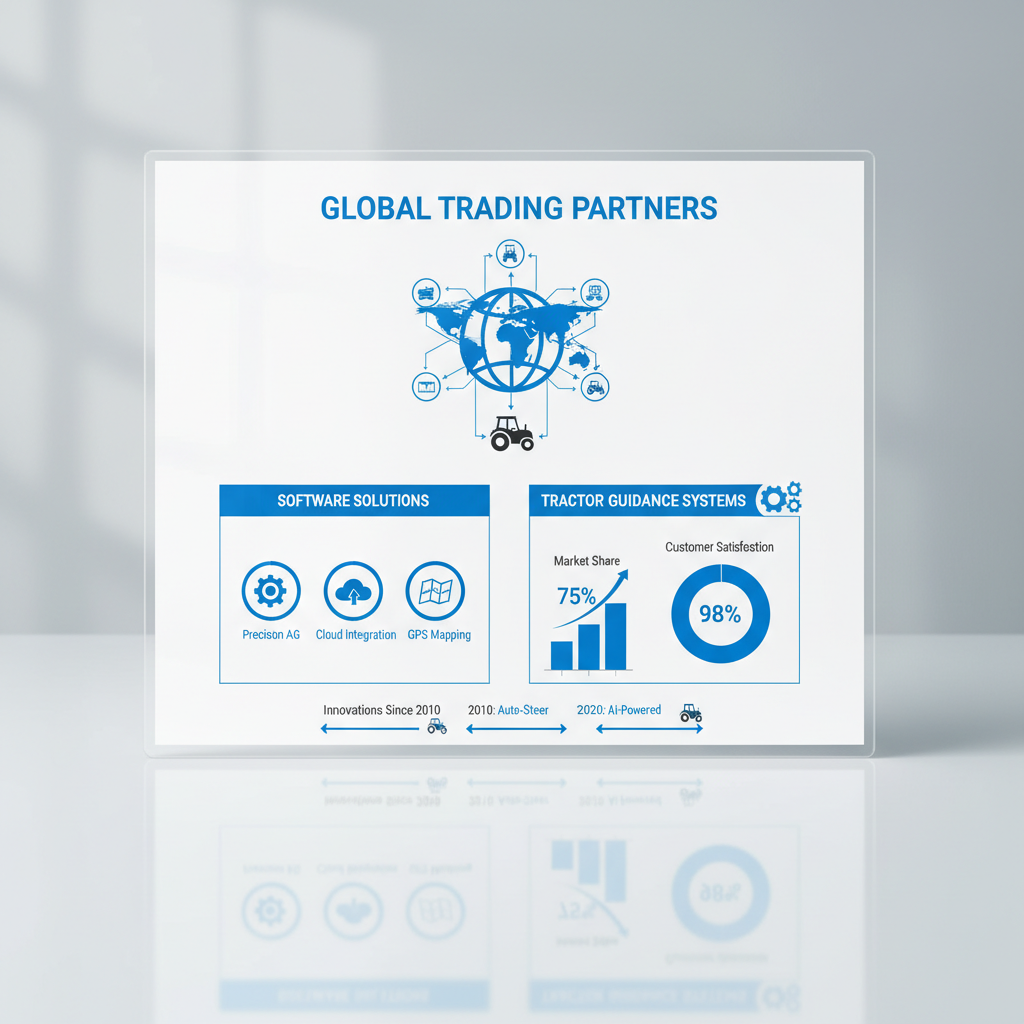
The global agricultural sector is currently facing an unprecedented challenge: increasing food production for a growing population while simultaneously reducing the environmental footprint. Data from organizations like the FAO suggest that precision farming can reduce chemical runoff by up to 20% through targeted application. This is where the expertise of a tractor guidance system company becomes critical, as they provide the tools necessary to transition from broad-acre farming to site-specific management.
Across North America, Europe, and Asia, the integration of GNSS-based guidance has transformed the economy of scale. By utilizing high-precision sensors and steering platforms, farms can now operate with a level of consistency that was previously impossible. The ability to maintain perfectly straight rows reduces soil compaction and prevents the wasted fuel associated with overlapping passes, directly impacting the bottom line of the modern producer.
Defining the Role of a Tractor Guidance System Company
At its core, a tractor guidance system company is a specialized provider of hardware and software solutions designed to automate the steering and navigation of agricultural machinery. This involves the deployment of GNSS receivers, smart antennas, and steering controllers that work in tandem to guide a tractor along a predefined path with minimal human intervention. It is not merely about "steering," but about the complex integration of spatial data and mechanical execution.
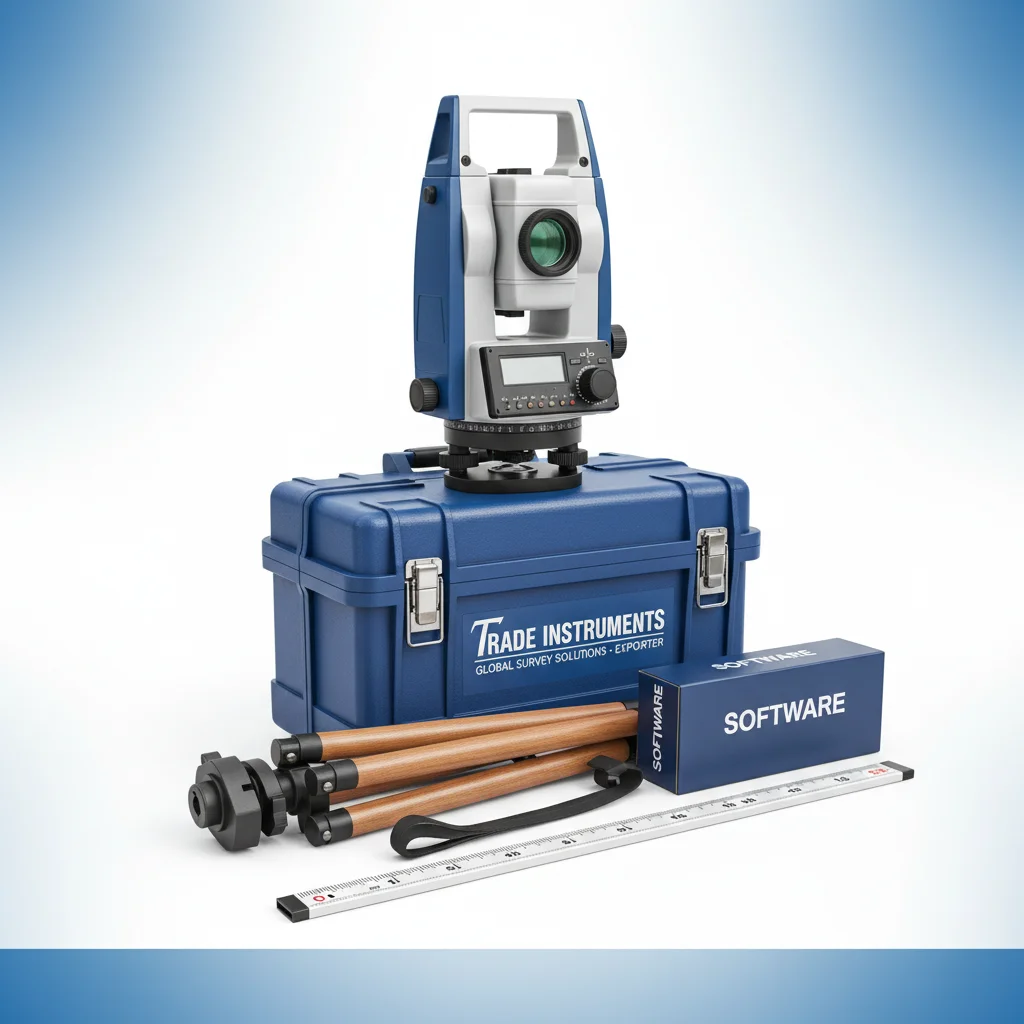
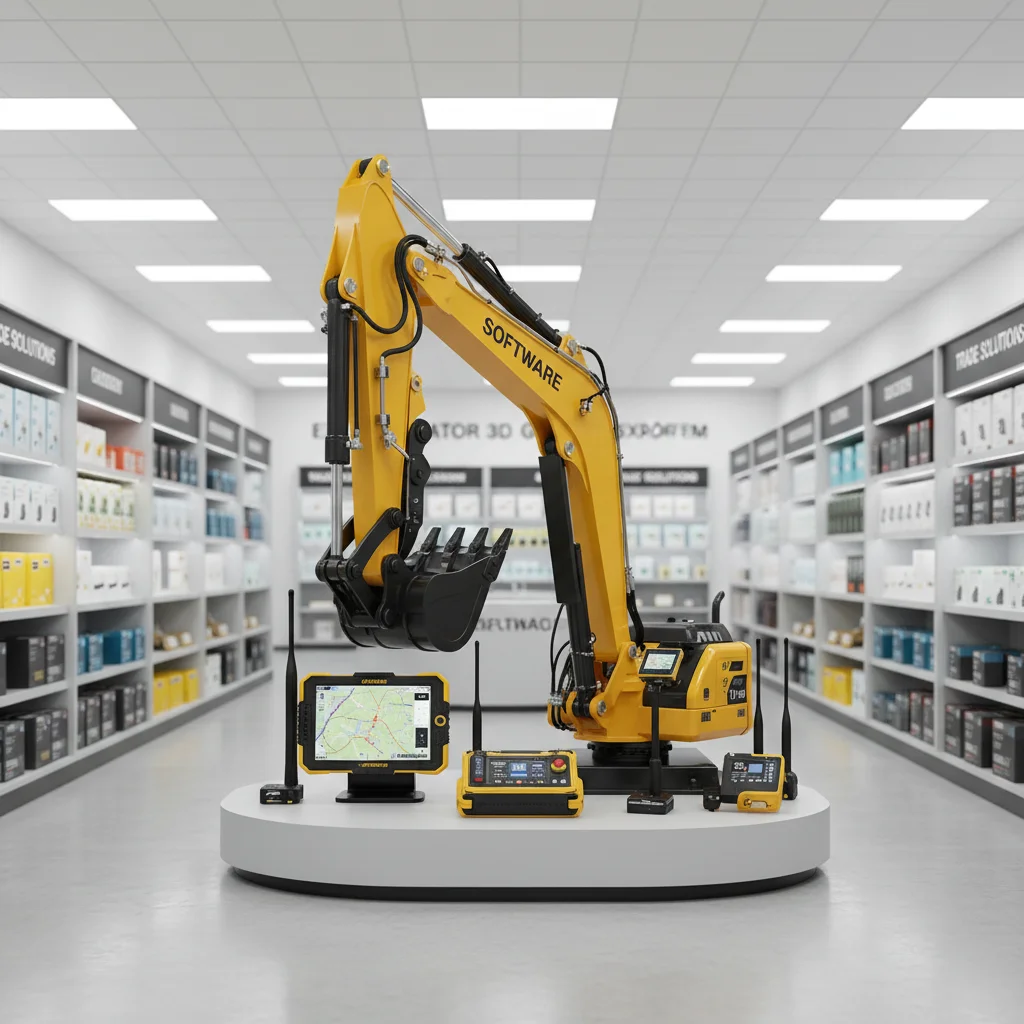
Beyond the hardware, these companies provide the critical infrastructure for data collection and mapping. By integrating Data Collectors and Mobile Mapping Systems, they allow farmers to create detailed digital maps of their fields, which then serve as the "blueprint" for the guidance system. This connection between digital planning and physical execution is what defines modern precision agriculture.
In a broader humanitarian and industrial context, the role of a tractor guidance system company extends to food security. By optimizing the use of seeds and fertilizers, these systems ensure that land is used most efficiently, reducing the cost of production and making food more accessible. This technological bridge is essential for transitioning traditional farming into a high-tech industry.
Core Components of High-Precision Guidance
The first critical component provided by a tractor guidance system company is the GNSS receiver, such as the N10 or E93 systems. These devices capture satellite signals to determine the machine's absolute position. However, standard GPS is often not enough; RTK (Real-Time Kinematic) corrections are typically employed to bring the accuracy down from meters to centimeters.
Another pillar of these systems is the Steering Platform and Smart Antennas. While the receiver knows where the tractor is, the steering platform communicates that data to the tractor's hydraulic or electric steering system. A professional tractor guidance system company ensures that this latency is minimized, allowing the machine to make real-time corrections even at higher operational speeds.
Finally, the user interface—often delivered via ruggedized Handheld GPS or in-cab Data Collectors—allows the farmer to set "A-B lines" and manage field boundaries. This software layer transforms raw coordinates into actionable guidance, enabling the operator to monitor deviations and adjust settings on the fly to suit different soil types or crop needs.
Operational Efficiency and Cost Analysis
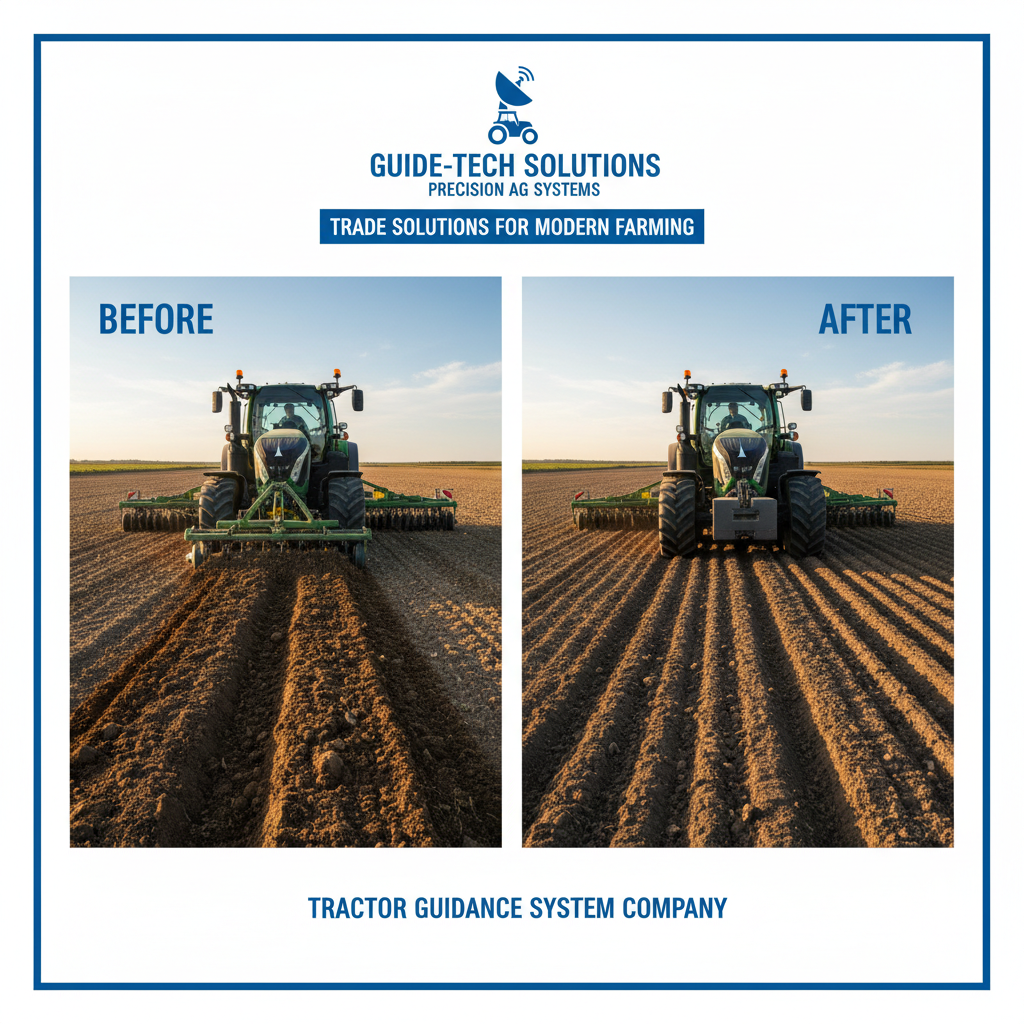
The adoption of technology from a tractor guidance system company leads to immediate tangible gains in operational efficiency. By eliminating overlap, farmers typically see a reduction in fuel consumption and seed usage by 5% to 15%. Furthermore, the reduction in operator fatigue means that work can be carried out more safely during night operations or in low-visibility conditions like heavy fog.
When analyzing the return on investment (ROI), it is important to look at the cumulative effect of precision. Reduced overlapping means fewer passes over the field, which leads to less soil compaction and better root health for the crops. This logical chain of benefits transforms the guidance system from a luxury "gadget" into a core asset for farm sustainability.
Efficiency Gains by Tractor Guidance System Company Solution
Real-World Applications and Global Use Cases
In the vast grain belts of the United States and Brazil, a tractor guidance system company's solutions are used to manage thousands of acres with surgical precision. Large-scale corn and soybean operations rely on automated steering to ensure that every square inch of the field is planted with the optimal seed density, maximizing the yield per hectare.
Conversely, in the terraced farms of Southeast Asia or the specialized vineyards of France, precision guidance is used for contour farming. By following the natural curves of the land, these systems help prevent soil erosion and ensure that irrigation water is managed effectively, demonstrating that high-tech guidance is scalable from small boutique farms to industrial conglomerates.
Long-Term Value and Sustainable Advantages
The long-term value provided by a tractor guidance system company extends far beyond simple cost savings. There is a significant environmental impact: by reducing the over-application of nitrogen-based fertilizers, these systems lower the amount of greenhouse gases emitted into the atmosphere and prevent nitrate leaching into local groundwater.
From a psychological and social perspective, these systems restore dignity and reduce burnout for the farmer. The mental load of maintaining a perfectly straight line for 12 hours a day is immense. Automation allows the operator to focus on the health of the crop and the performance of the implement rather than the struggle of steering, leading to a more sustainable lifestyle for the agricultural workforce.
Furthermore, the data generated by these systems becomes a valuable asset. Over several seasons, a farmer can analyze "as-applied" maps to identify low-performing areas of a field. This data-driven approach allows for precise soil amendments, transforming the farm into a smart ecosystem where every decision is backed by empirical evidence.
Future Trends in Automated Farming Systems
The future of the tractor guidance system company lies in the transition from "assisted steering" to "full autonomy." We are seeing the rise of unmanned ground vehicles (UGVs) that can perform entire planting or weeding cycles without a driver in the cab. This shift is powered by the integration of AI and computer vision, which complement GNSS data by allowing the tractor to "see" obstacles and crop rows in real-time.
Digital transformation is also bringing "Swarm Farming" into the conversation. Instead of one massive tractor, a fleet of smaller, autonomous machines—coordinated by a central guidance hub—can work a field simultaneously. This reduces soil compaction and allows for more flexible scheduling, as the machines can operate 24/7 regardless of labor availability.
Sustainability will remain the core driver. Future systems will likely integrate directly with variable-rate technology (VRT), where the guidance system not only steers the tractor but automatically adjusts the flow of seeds or chemicals based on real-time sensor feedback from the soil. This represents the pinnacle of the "precision" in precision agriculture.
Comparative Analysis of Guidance System Tiers and Impact
| System Tier |
Accuracy Level |
Primary Use Case |
ROI Potential |
| Basic GNSS |
15-30 cm |
Rough Tilling / Grazing |
Moderate |
| Correction-Based |
5-10 cm |
General Planting |
High |
| RTK Precision |
1-3 cm |
Strip Tilling / Seeding |
Very High |
| Full Auto-Steer |
2 cm |
Commercial Large Scale |
Maximum |
| AI-Integrated |
Sub-cm |
Autonomous Weeding |
Transformative |
| Hybrid Mesh |
2-5 cm |
Swarm Robotics |
High (Long term) |
FAQS
By providing centimeter-level accuracy, these systems prevent "overlap," which occurs when a tractor passes over the same strip of land twice. Eliminating these redundant passes reduces the total distance traveled per field, directly lowering fuel consumption and reducing engine wear and tear.
Standard GPS typically has an error margin of several meters, which is insufficient for planting. RTK (Real-Time Kinematic) uses a stationary base station to send correction data to the tractor, reducing the error margin to 1-3 centimeters, enabling precise row alignment.
Yes, most professional tractor guidance system companies offer "retrofit" kits. These include universal steering controllers and sensors that can be integrated into older hydraulic systems, allowing legacy machinery to benefit from modern precision navigation.
While some correction services use cellular networks (NTRIP), many systems can operate via a local radio base station. This ensures that farmers in remote areas with poor connectivity can still maintain high-precision guidance throughout their operation.
By ensuring that machinery only travels on designated "tramlines," these systems drastically reduce the overall area of the field subject to soil compaction. This preserves soil structure, improves water infiltration, and ultimately promotes better root growth and crop yields.
High-quality hardware from a reputable company is designed for harsh agricultural environments and typically lasts 7-10 years. However, software and firmware updates are frequently provided to ensure compatibility with new satellite constellations and farming standards.
Conclusion
Integrating the solutions provided by a leading tractor guidance system company is no longer just an upgrade; it is a fundamental shift in how food is produced. From the immediate gains in fuel and seed efficiency to the long-term benefits of reduced soil compaction and lower chemical usage, precision navigation provides a comprehensive framework for sustainable agriculture. The combination of GNSS receivers, steering platforms, and data collectors creates a synergy that empowers farmers to work smarter, not harder.
Looking forward, the transition toward full autonomy and AI-driven field management will only accelerate. Producers who adopt these technologies today are positioning themselves at the forefront of the agricultural revolution, ensuring their operations remain competitive and environmentally responsible. To begin your journey toward precision farming, visit our website: www.nctnav.com