
Choosing the Right GPS GNSS Receiver Factory for Precision Navigation
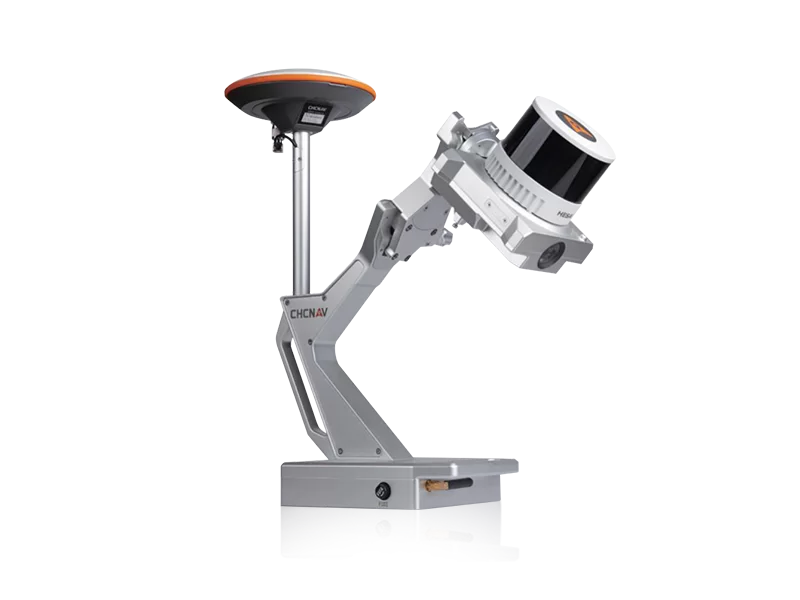
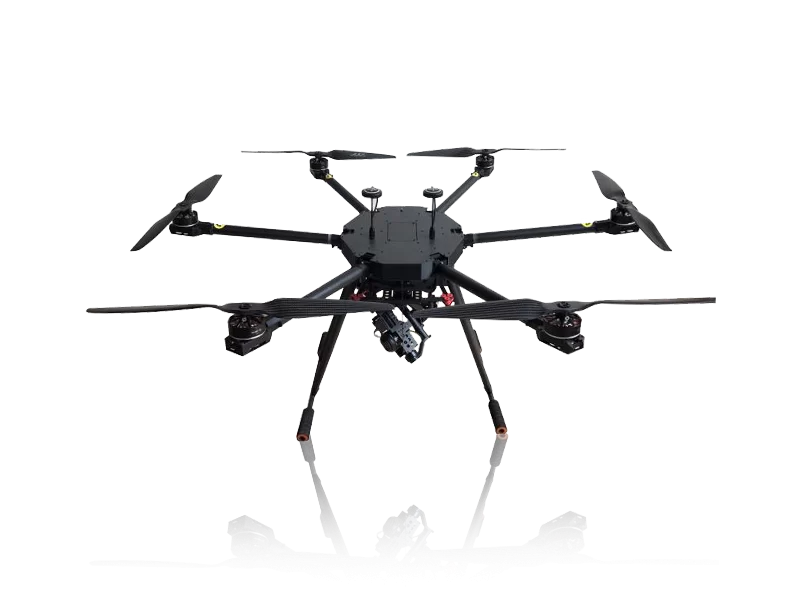
In the era of autonomous driving, precision agriculture, and industrial automation, the demand for high-accuracy positioning has never been higher. Partnering with a professional gps gnss receiver factory is the first step toward integrating reliable spatial data into your product ecosystem. A high-quality receiver doesn't just track satellites; it filters noise, compensates for atmospheric delays, and ensures centimeter-level precision in challenging environments. Whether you are developing an UAV system or a surveying tool, the manufacturing origin and technical expertise of your GNSS provider dictate the final performance of your device. In this guide, we will explore the critical factors in selecting a manufacturing partner and the technical milestones of modern GNSS technology.
The Role of a Professional GPS GNSS Receiver Factory
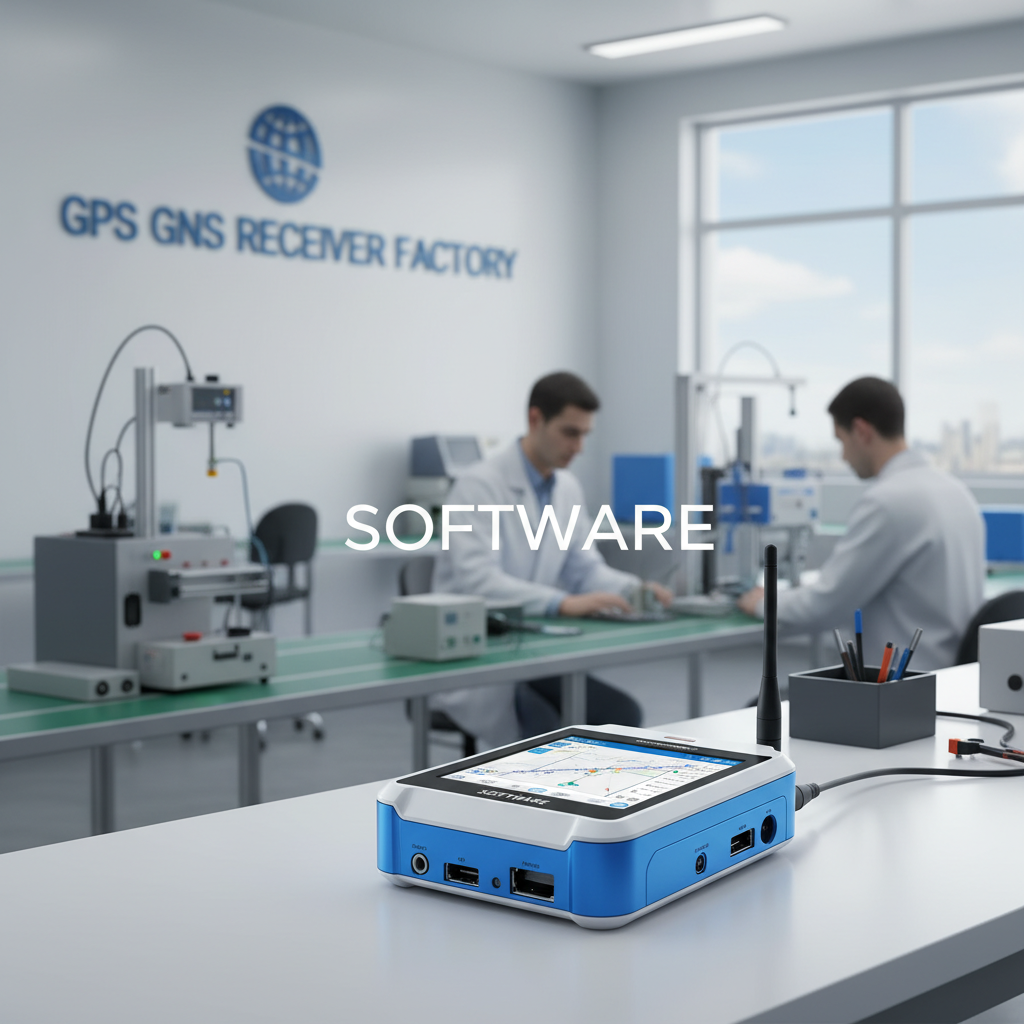
A specialized gps gnss receiver factory does more than assemble components; it engages in rigorous RF (Radio Frequency) design and signal processing optimization. The core challenge of GNSS is the weakness of the signal reaching the earth's surface. Professional factories implement advanced Low Noise Amplifiers (LNA) and high-stability oscillators to ensure that the receiver can maintain a "lock" on satellites even in urban canyons or under dense foliage. By controlling the entire production chain—from PCB layout to firmware optimization—a factory can guarantee consistency across thousands of units, which is vital for large-scale commercial deployments.
Manufacturing Edge: Leading factories utilize automated SMT lines and climate-controlled testing chambers to ensure that every GNSS module operates reliably from -40°C to +85°C, meeting industrial-grade standards.
Multi-Constellation Support in Modern GNSS Receivers
Modern positioning is no longer just about GPS. A top-tier gps gnss receiver factory produces hardware capable of tracking multiple constellations simultaneously. By integrating GPS (USA), GLONASS (Russia), Galileo (EU), and BeiDou (China), receivers can access a significantly higher number of satellites. This redundancy is critical for reducing the Time to First Fix (TTFF) and improving accuracy in areas where the sky is partially obstructed. Multi-band frequency support (L1, L2, L5) further allows the receiver to eliminate ionospheric errors, which are the primary source of positioning inaccuracies.
Benefits of Multi-Constellation Integration:
• Faster signal acquisition and shorter TTFF
• Enhanced reliability in "urban canyons" and mountainous terrain
• Higher precision through increased satellite availability
• Seamless global coverage without regional outages
Comparing RTK vs. Standard GNSS from a Receiver Factory
When sourcing from a gps gnss receiver factory, you must choose between standard autonomous positioning and Real-Time Kinematic (RTK) positioning. Standard GNSS typically offers accuracy within 2-5 meters, which is sufficient for general vehicle tracking. However, RTK uses a base station to provide real-time corrections, bringing accuracy down to the centimeter level. This is indispensable for autonomous tractors, robotic lawnmowers, and high-precision land surveying. The difference lies in the receiver's ability to process "carrier-phase" measurements rather than just "code-phase" measurements.
Industrial Applications for GPS GNSS Receiver Factory Products
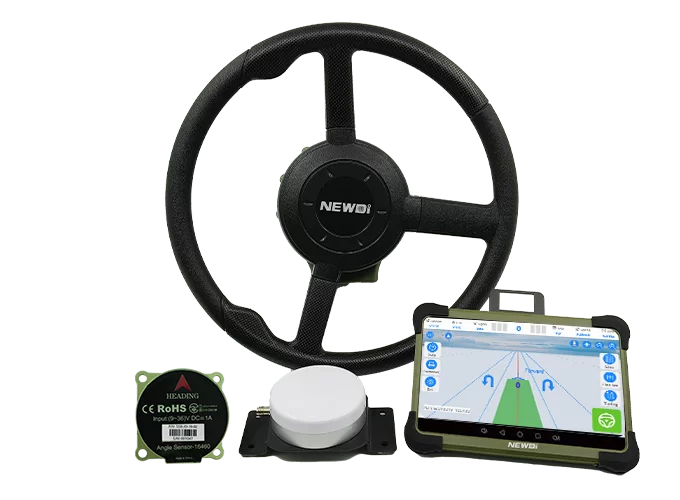
The output of a high-end gps gnss receiver factory empowers various sectors. In Smart Agriculture, RTK receivers allow tractors to plant seeds with millimeter precision, reducing waste and increasing yield. In Marine Navigation, GNSS receivers combined with IMUs (Inertial Measurement Units) provide stable positioning despite wave motion. Furthermore, the rise of Urban Air Mobility (UAM) requires receivers that can handle high-dynamic movements while maintaining absolute accuracy. The ability of a factory to provide customizable SDKs and APIs ensures that these receivers can be integrated into existing software workflows seamlessly.
Technical Specifications of High-Precision GNSS Modules
When evaluating a gps gnss receiver factory, you should look closely at the technical data sheets. Key metrics include the Channel Count (more channels allow for better satellite tracking), Update Rate (crucial for high-speed vehicles), and Power Consumption (essential for battery-operated IoT devices). A professional factory will provide comprehensive specifications to ensure the hardware matches the application's environmental and operational requirements.
Quality Control Standards in GNSS Manufacturing
The difference between a generic vendor and a professional gps gnss receiver factory lies in quality control. High-precision receivers are susceptible to electromagnetic interference (EMI). Leading factories employ shielding techniques and rigorous testing using GNSS simulators to mimic real-world satellite signals. This ensures that the device maintains its accuracy regardless of the electronics surrounding it. Furthermore, adherence to ISO standards and the use of automotive-grade components ensure a long product lifecycle, reducing the cost of maintenance and replacement for the end-user.
Conclusion: Partnering for Navigational Excellence
Selecting the right gps gnss receiver factory is a strategic decision that directly impacts the reliability and precision of your positioning technology. From multi-constellation support to the implementation of RTK for centimeter-level accuracy, the technical capabilities of your manufacturer define your competitive edge in the market. By prioritizing quality control, industrial-grade specifications, and robust support, you can ensure that your navigation systems perform flawlessly in any environment. Invest in precision, invest in a partner that understands the future of GNSS.
Frequently Asked Questions (FAQs)
What is the difference between GPS and GNSS?
GPS (Global Positioning System) is actually a specific system owned by the United States. GNSS (Global Navigation Satellite System) is the umbrella term that includes all satellite positioning systems, such as GPS, GLONASS (Russia), Galileo (EU), and BeiDou (China). A modern gps gnss receiver factory focuses on GNSS technology because tracking multiple systems provides significantly better reliability, faster signal acquisition, and higher accuracy than relying on GPS alone. By combining these constellations, a receiver can maintain a strong position fix even when some satellites are blocked by buildings or mountains.
How does RTK improve GNSS accuracy?
RTK, or Real-Time Kinematic positioning, improves accuracy by using a stationary base station at a known coordinate. The base station calculates the error between its known position and the satellite signal it receives, then broadcasts this correction to the moving receiver (rover) in real-time. While standard GNSS has errors caused by the ionosphere and troposphere, RTK cancels these out by focusing on the phase of the signal's carrier wave. This allows a high-precision receiver to achieve 1-3 cm accuracy, which is essential for autonomous machinery and professional surveying where standard 3-meter accuracy is insufficient.
What factors should I consider when choosing a GNSS factory?
When selecting a gps gnss receiver factory, you should evaluate three primary areas: Technical Capability, Quality Control, and Support. First, ensure they support multi-constellation and multi-band frequencies. Second, check if they have industrial-grade testing facilities to handle temperature extremes and EMI interference. Finally, look for a partner that offers robust technical support and customizable SDKs. A factory that provides clear technical documentation and has a track record of serving industrial clients is generally a safer bet than a generic electronics assembler.
Can a GNSS receiver work indoors?
Generally, GNSS receivers require a direct line-of-sight to satellites, making them ineffective deep inside buildings or underground. However, a professional factory can integrate GNSS with other sensors to solve this. By combining GNSS with an IMU (Inertial Measurement Unit) and wheel encoders—a process called "Dead Reckoning"—the system can estimate the position based on last-known coordinates and movement vectors. Some advanced receivers also use "GNSS-aided" solutions or integrate with Wi-Fi/Bluetooth positioning to maintain a rough location when satellite signals are lost, ensuring continuity of service.