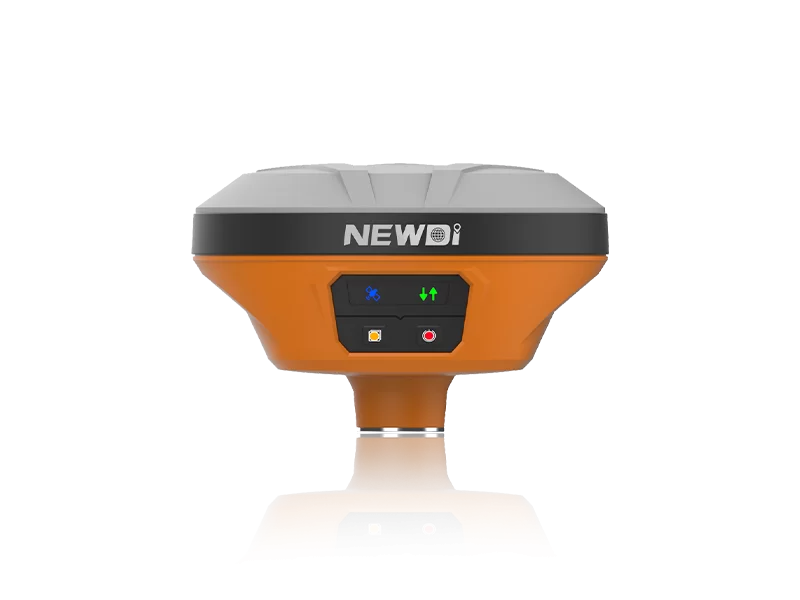

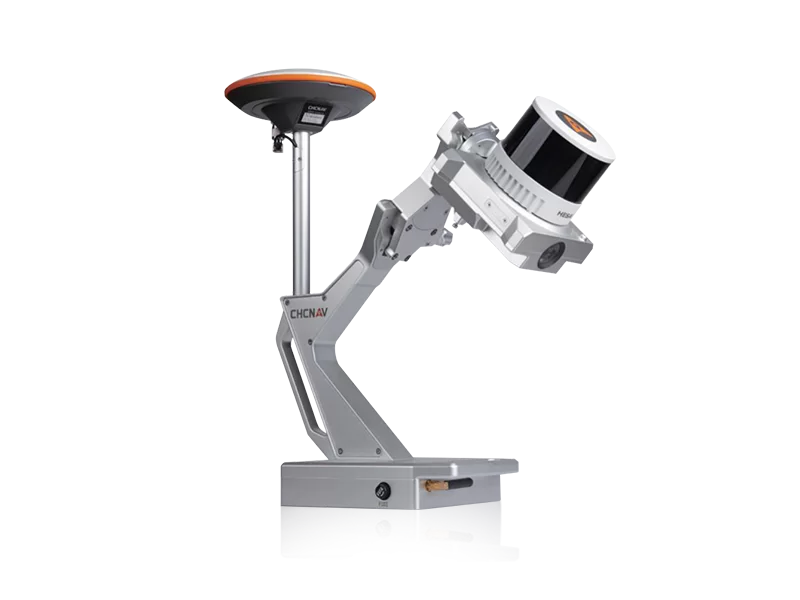
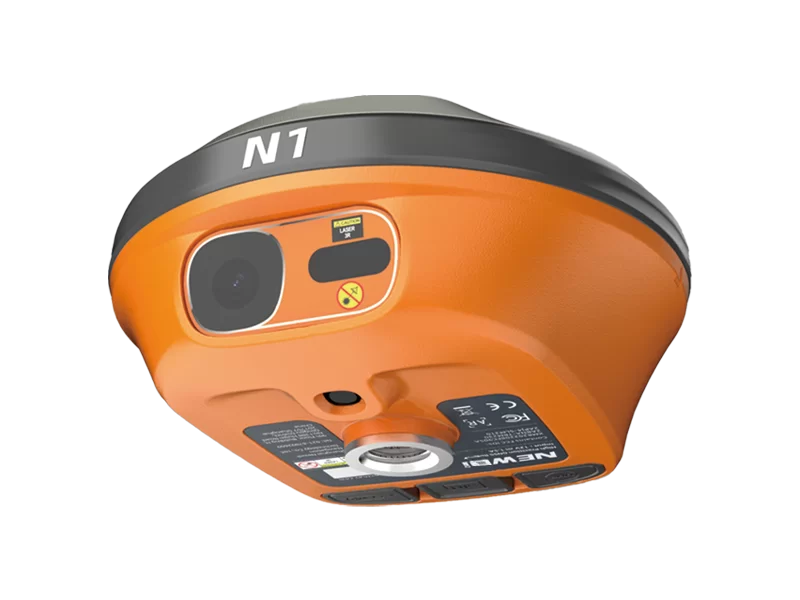
Brazil's unique geography, ranging from the dense Amazon rainforest to the vast Cerrado savannas, presents significant challenges for traditional mapping. The industry currently relies heavily on gps diferencial systems to overcome signal attenuation in forested areas and ensure centimeter-level accuracy for large-scale land registries.
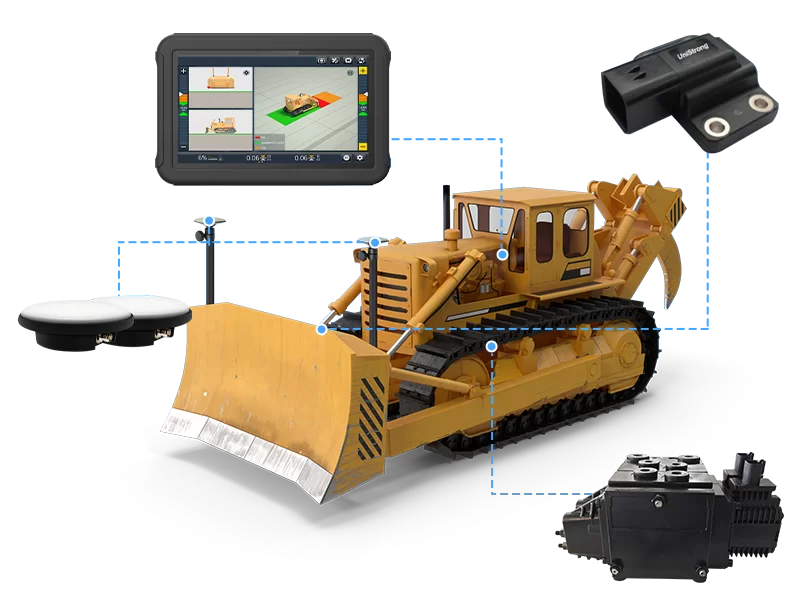
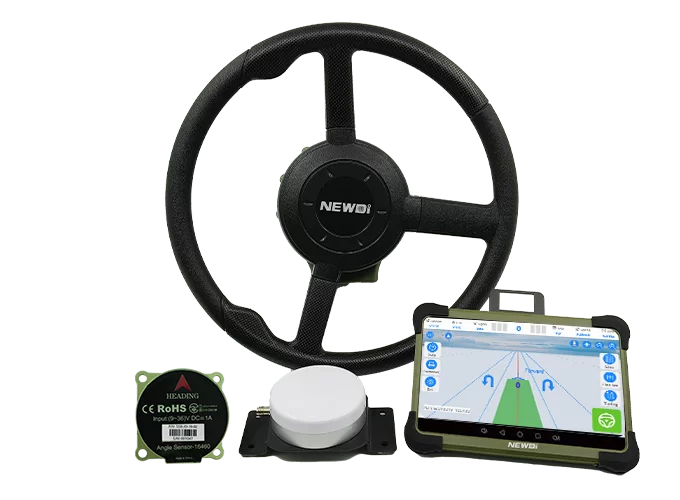
In the agricultural heartlands of Mato Grosso and Paraná, the adoption of precision farming is accelerating. Farmers are moving away from manual guidance toward auto steer tractor systems to reduce overlap during planting and spraying, which is critical for maintaining profitability in massive soy and corn plantations.
Despite the progress, the high cost of imported hardware and the need for local technical support remain bottlenecks. There is a growing demand for ruggedized total station units that can withstand high humidity and extreme temperature fluctuations typical of the Brazilian tropical climate.