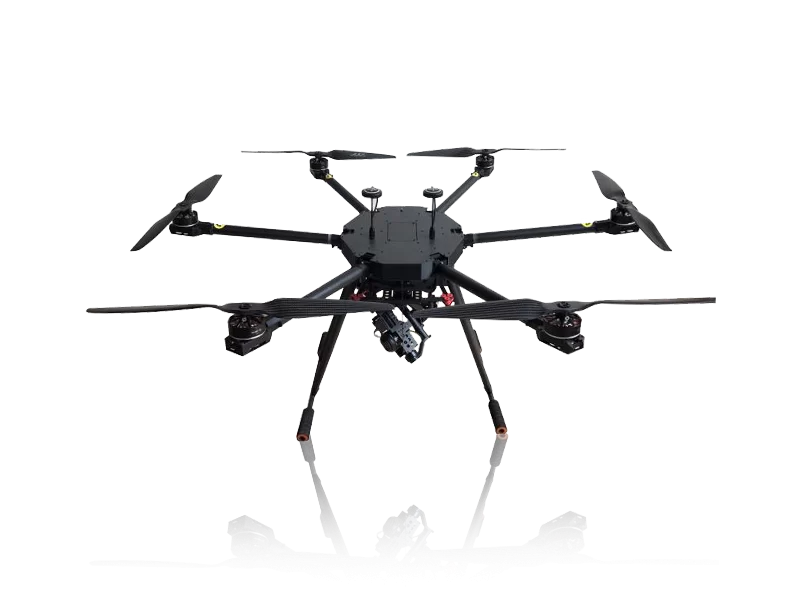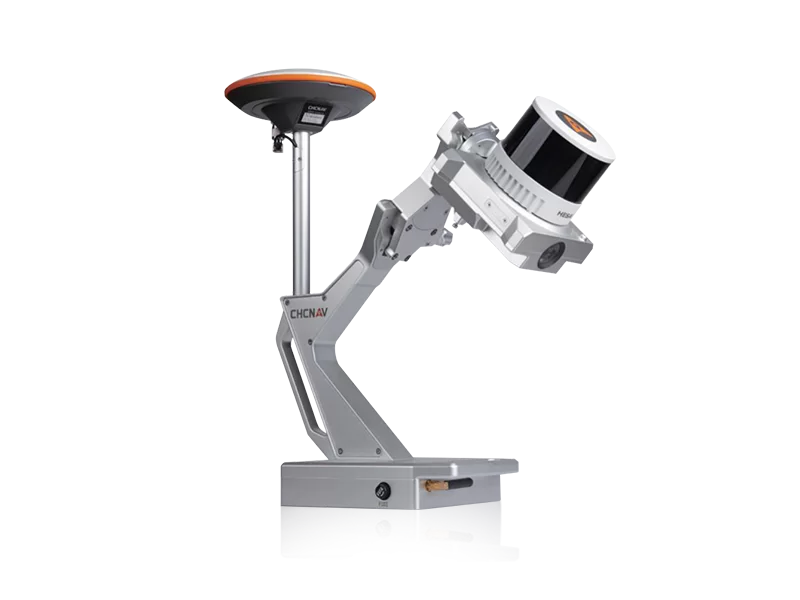



Zambia's diverse landscape, from the plateau regions to the lush valleys, presents unique challenges for land mapping. Currently, the reliance on traditional surveying equipment is shifting as the government pushes for modernized land tenure systems and infrastructure expansion in Lusaka and the Copperbelt.
The agricultural sector, the backbone of the Zambian economy, is facing a transition. While manual steering remains common, the introduction of auto steer tractor systems is beginning to address labor shortages and the need for precision farming to increase maize and soybean yields.
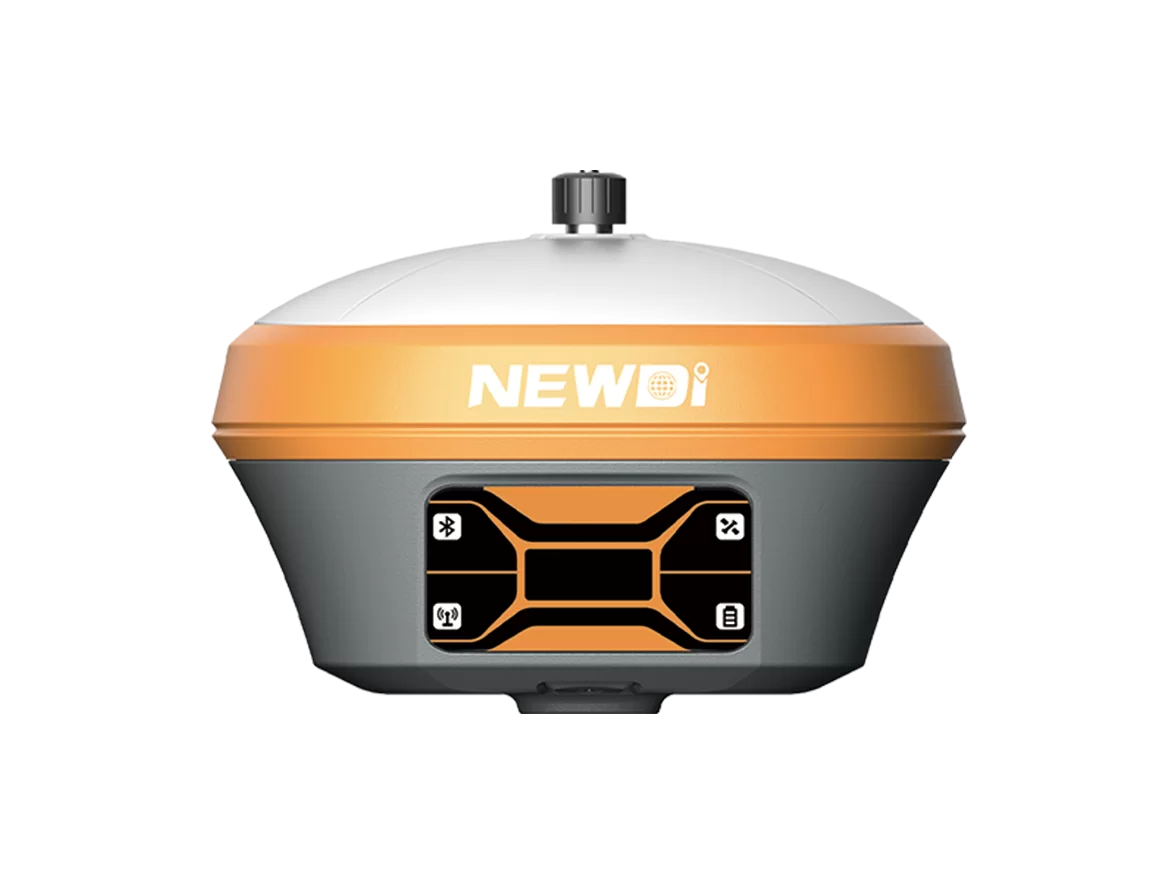
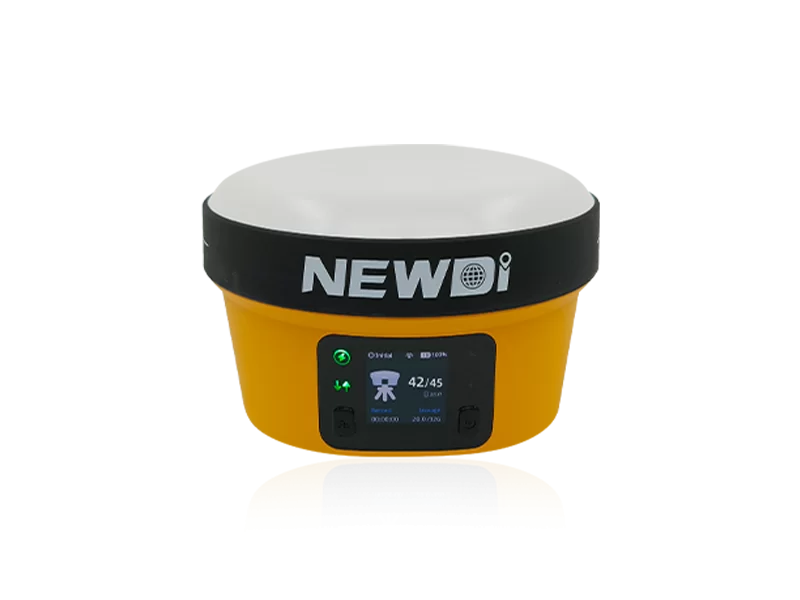
However, signal attenuation in densely forested areas and the need for stable correction networks mean that the demand for a robust gps diferencial setup is critical for maintaining accuracy across vast rural expanses.