

Pakistan's surveying landscape is currently at a critical junction. In regions like Punjab and Sindh, the heavy reliance on traditional land measurement methods often leads to boundary disputes and inefficiencies in large-scale irrigation projects. The demand for high-precision total station units has grown as the government pushes for modernized urban planning in cities like Karachi and Islamabad.
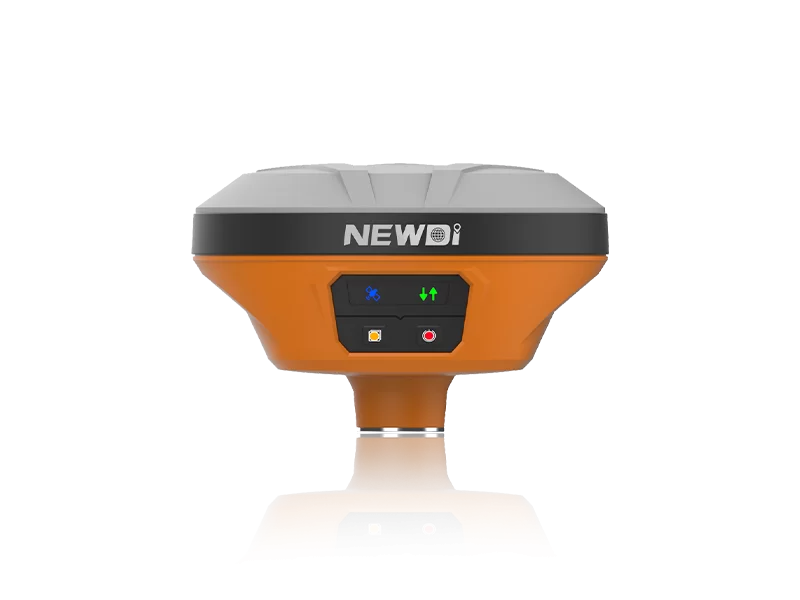
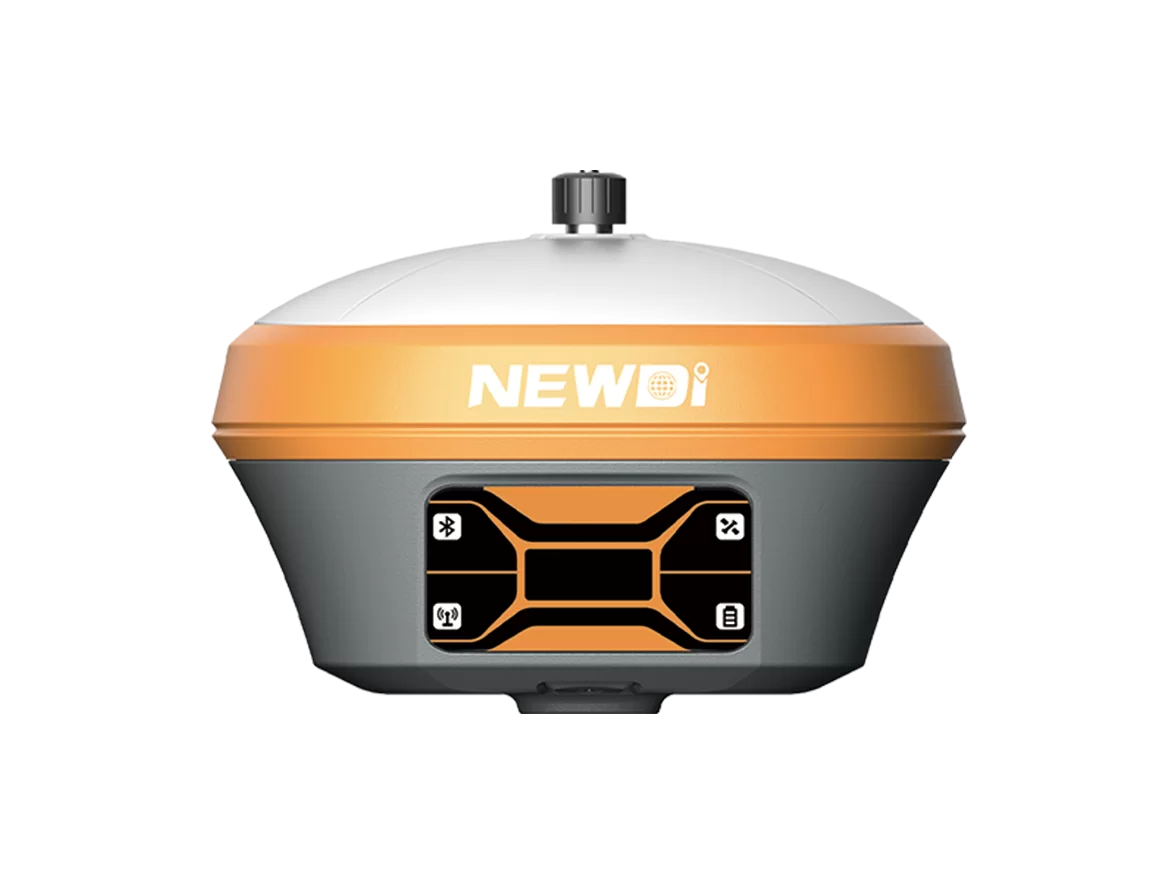
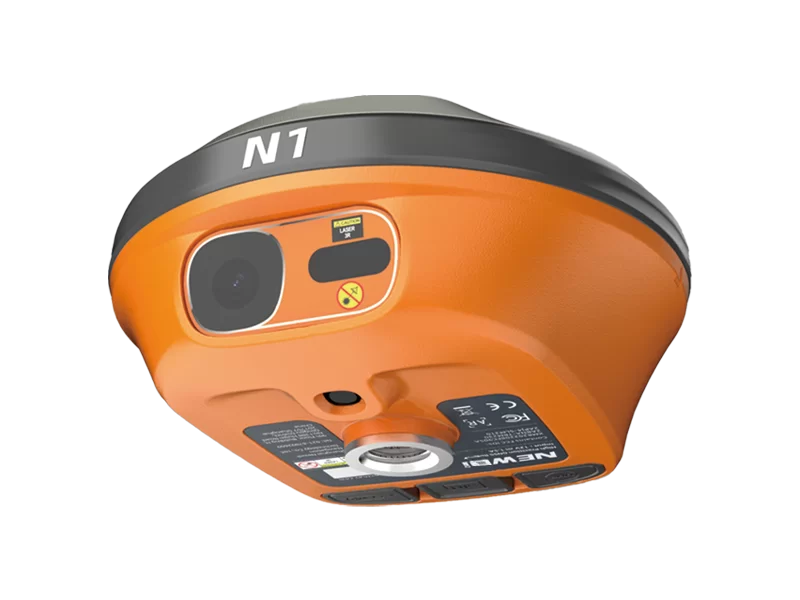
Geographically, the extreme terrain—from the coastal plains to the northern highlands—requires versatile equipment. Many local firms are now upgrading to gps diferencial systems to overcome the limitations of visual line-of-sight measurements, which are often obstructed in densely populated urban areas or rugged mountain passes.
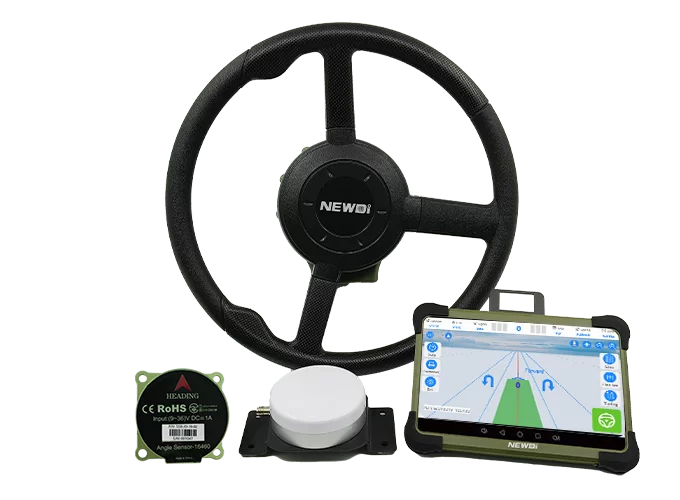
Furthermore, the agricultural sector, the backbone of Pakistan's economy, is beginning to recognize the value of automation. There is a rising trend toward integrating auto steer tractor technology to reduce overlap in seed sowing and fertilizer application, aiming to combat the challenges of water scarcity and soil degradation.