


Shanghai Newdi Navigation Technology Co.,Ltd

Precision GNSS RTK Receiver Solutions for Hungary's Infrastructure

Empowering Hungarian surveyors and farmers with centimeter-level accuracy and automated spatial intelligence for the European market.

Precision GNSS RTK Receiver Solutions for Hungary's Infrastructure

Integrating state-of-the-art surveying equipment to optimize land management, civil engineering, and agricultural precision across the Pannonian Basin.

The Landscape of Geomatics in Hungary

Analyzing the intersection of traditional surveying and modern satellite positioning in Central Europe.

Hungary's unique geography, characterized by the Great Hungarian Plain, demands highly reliable surveying equipment. The region's flat terrain makes it an ideal hub for implementing large-scale geospatial projects, yet the demand for extreme precision in urban centers like Budapest requires advanced total station capabilities to navigate dense architectural environments.

The agricultural sector in Hungary is currently undergoing a digital transformation. With a strong emphasis on sustainable farming, the adoption of auto steer tractor systems has become a priority to reduce overlap and optimize fuel consumption across vast corn and wheat plantations.

Furthermore, the local infrastructure market is increasingly relying on gps diferencial technology to support the expansion of the European transport corridors, ensuring that road and rail alignment meet strict EU tolerances.
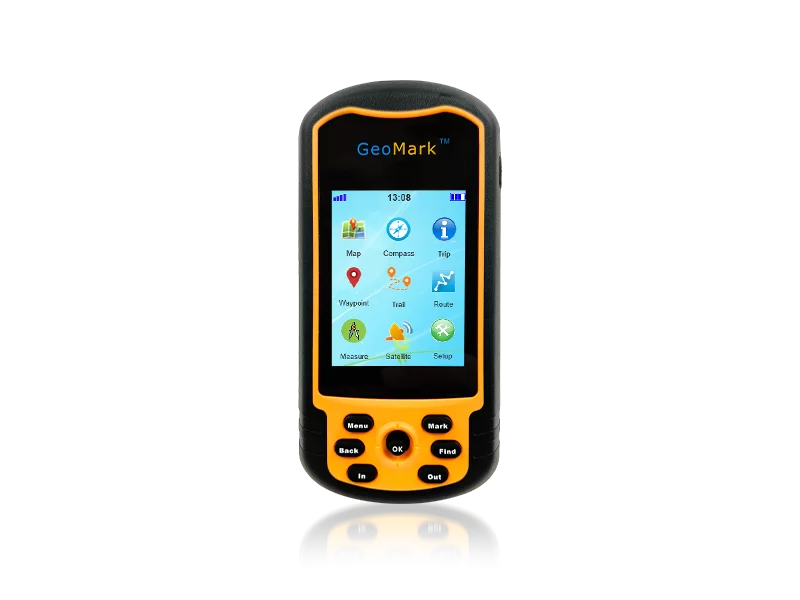
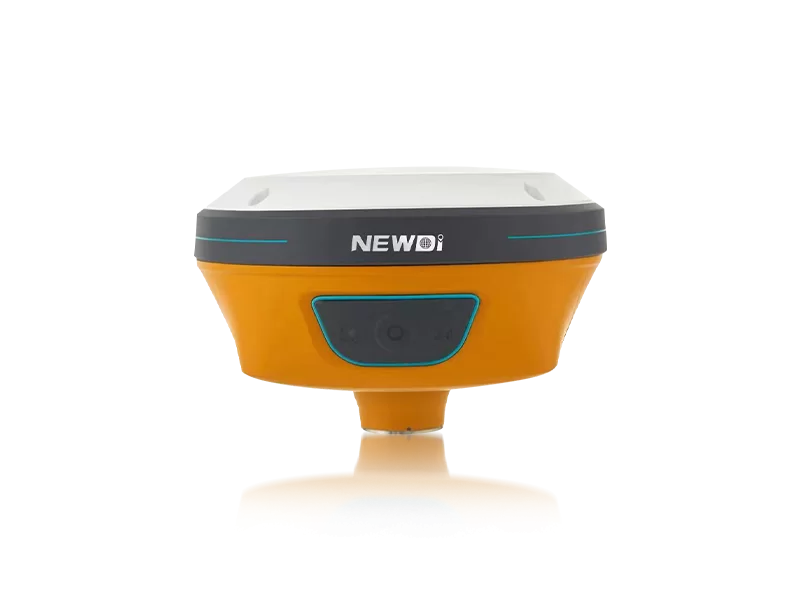
Evolution of Measurement Technology in Hungary

From optical measurements to real-time kinematic satellite constellations.

Market Development History

In the late 20th century, Hungarian surveying was dominated by traditional optical instruments. The reliance on manual data entry and physical benchmarks meant that large-scale land surveys were time-consuming and prone to human error.

The early 2000s saw the introduction of early-stage GPS, where gps diferencial systems began replacing traditional chains and tapes, allowing for faster boundary definition in rural provinces.

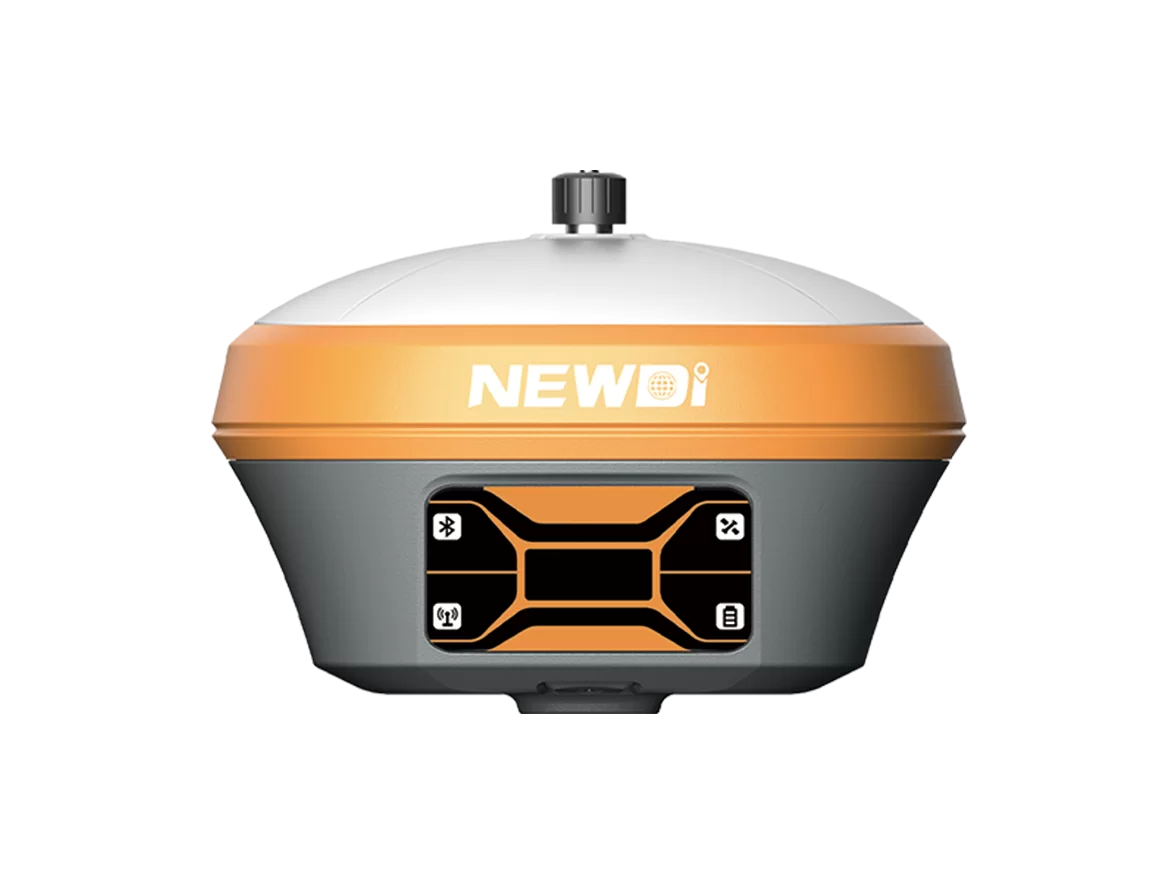
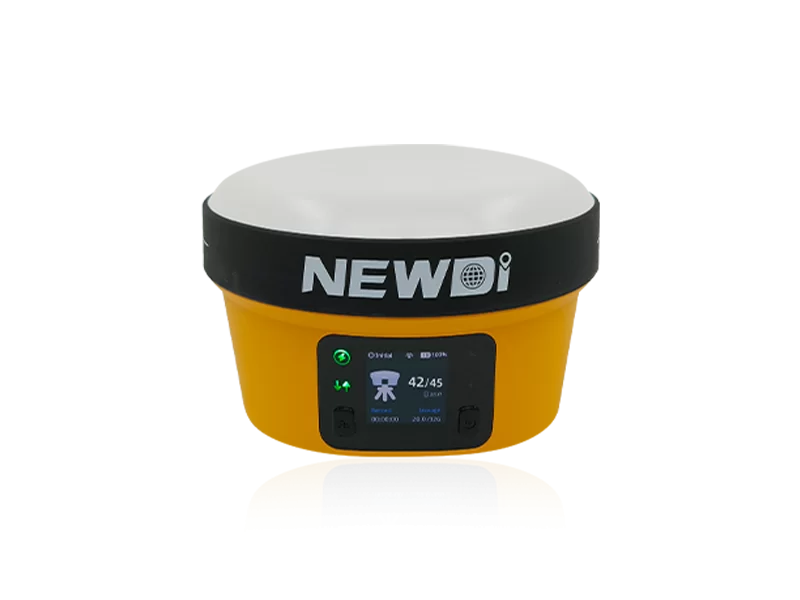
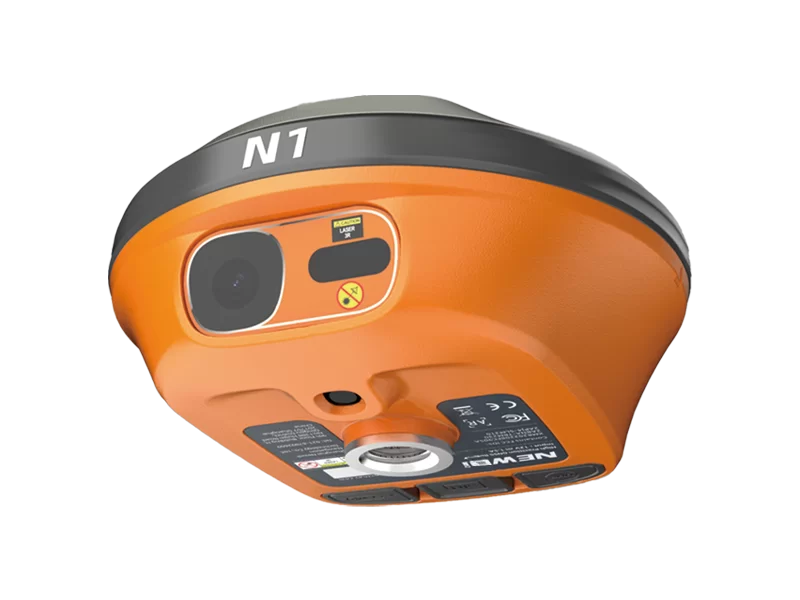
By 2015, the shift toward RTK (Real-Time Kinematic) technology occurred. The deployment of local CORS networks in Hungary allowed for the widespread use of the gnss rtk receiver, moving the industry toward instant, centimeter-level accuracy without the need for separate base stations.

Future Development Trends

AI-Driven Spatial Analysis

Integrating machine learning with GNSS data to automate feature recognition in topographic mapping.

Autonomous Farming Ecosystems

Moving beyond simple auto steer tractor setups toward fully autonomous fleets coordinated via 5G networks.

Multi-Constellation Convergence

The transition to full-spectrum GNSS (GPS, GLONASS, Galileo, Beidou) to ensure signal stability in the forested regions of Northern Hungary.

Future Trends and Strategic Outlook

Predicting the next wave of precision instrumentation in the Hungarian market.

Hyper-Precision RTK
Reduction of atmospheric interference to achieve millimetric precision for high-speed rail projects in Hungary.
Smart Agriculture 4.0
Synergy between drones and auto steer tractor for precision seeding.
BIM Integration
Seamless data flow from total station directly into Cloud-BIM models.
Cloud Geospatial Hubs
Real-time synchronization of survey data across regional offices in Hungary.

Industry Outlook

Based on regional search trends, there is a growing demand for "integrated precision systems" in Hungary. This indicates that professionals are moving away from standalone tools and seeking unified platforms that combine GNSS and optical measurement.

The next 3-5 years will likely see a surge in the adoption of low-cost, high-efficiency RTK modules embedded in consumer-grade agricultural machinery, further democratizing precision farming in the Danube region.

Local Application Scenarios in Hungary

Practical implementations of precision instrumentation in diverse Hungarian sectors.

1. Danube River Basin Flood Mapping

Using surveying equipment to create high-resolution digital elevation models for flood prevention and water management along the Danube.

2. Precision Viticulture in Tokaj

Implementing gnss rtk receiver systems to map vineyard slopes, allowing for precise fertilization and irrigation in the world-famous Tokaj wine region.

3. Budapest Urban Redevelopment

Employing high-precision total station units for the restoration of historical buildings and the expansion of the Metro line in the capital.

4. Large-Scale Crop Management in Alföld

Deploying auto steer tractor kits to optimize seed placement and minimize overlap in the Great Hungarian Plain.

5. National Land Registry Updates

Utilizing gps diferencial technology to redefine property boundaries and update national cadastral maps with EU-compliant accuracy.

Brand Story

Global Development Journey of Shanghai NCT Navigation Technology Co., Ltd.

Foundation of Precision

Established with a vision to bridge the gap between complex satellite data and practical field application, focusing on robust RTK hardware.

Agricultural Breakthrough

Developed pioneering steering control algorithms that revolutionized how farmers interact with GNSS technology in the field.

European Market Expansion

Strategically entered the European market, tailoring solutions for the specific regulatory and geographic needs of countries like Hungary.

Technological Convergence

Merged GNSS, IMU, and optical sensing into a single ecosystem to provide a total solution for geomatics professionals.

Vision for a Digital Earth

Dedicated to solving the pain point of "accuracy versus efficiency," ensuring every measurement is fast, precise, and actionable.

Integrated Geospatial Portfolio for Hungary

Complete hardware and software suites designed for Hungarian surveying and farming standards.

Common Questions in the Hungarian Market

Expert answers to the most frequent technical queries from local professionals.

How does the gnss rtk receiver perform in forested areas of Northern Hungary?

Our receivers utilize multi-constellation tracking (GPS, GLONASS, Galileo, Beidou) to maintain signal lock even under partial canopy, reducing the risk of signal dropouts.

Can an auto steer tractor system be installed on older Hungarian machinery?

Yes, our universal steering kits are designed for compatibility with a wide range of tractor brands and models, regardless of the manufacturing year.

What is the accuracy difference between gps diferencial and RTK?

Differential GPS typically provides sub-meter accuracy, while RTK (Real-Time Kinematic) achieves centimeter-level precision, making it essential for high-precision surveying.

Do I need a local base station for surveying equipment in Hungary?

Not necessarily. Our equipment is compatible with Hungary's national CORS networks, allowing you to receive corrections via NTRIP over the internet.

How does a total station complement GNSS in urban Budapest?

In "urban canyons" where satellite signals are blocked by buildings, the total station provides precise optical measurements to fill the gaps in GNSS data.

What certifications are required for precision instruments in the EU?

All our products are fully CE certified and comply with EU standards for electronic interference and operational safety for the Hungarian market.

Request a Technical Consultation

Our experts are ready to help you optimize your spatial workflows in Hungary. Get a customized quote for your project today.

Contact Us Now