

Shanghai Newdi Navigation Technology Co.,Ltd

Precision gnss rtk receiver Solutions for Ghana's Infrastructure

Empowering Ghanaian surveyors and farmers with high-precision positioning and automated guidance systems for sustainable growth.

Precision gnss rtk receiver Solutions for Ghana's Infrastructure

Integrating cutting-edge geospatial technology to optimize land management, road construction, and precision agriculture across Ghana.

The State of Geomatics in Ghana

Navigating the challenges of tropical terrain and rapid urbanization

In Ghana, the demand for professional surveying equipment has surged due to massive urban expansion in Accra and Kumasi. However, the dense tropical canopy in the Ashanti region often interferes with satellite signals, creating a critical need for robust receivers that can maintain lock in challenging environments.

The agricultural sector, the backbone of Ghana's economy, is transitioning from manual labor to mechanized farming. There is a growing adoption of the auto steer tractor to reduce overlap in cocoa and maize plantations, aiming to maximize yield per hectare amidst fluctuating climate conditions.

Currently, many local firms rely on legacy systems, but the push for "Digital Ghana" is accelerating the migration toward gps diferencial technologies to ensure centimeter-level accuracy for land registry and mining concessions.
Evolution of Precision Measurement in Ghana

From traditional theodolites to autonomous satellite guidance

Market Development History

Between 1990 and 2010, the Ghanaian market was dominated by optical instruments. The total station became the gold standard for boundary surveys, replacing manual chains and tapes with electronic distance measurement (EDM) technology.

From 2011 to 2020, the introduction of GNSS technology revolutionized the industry. Surveyors moved from static GPS observations that took hours to process, to real-time kinematic (RTK) workflows, significantly shortening project timelines for road networks.

Since 2021, the integration of IoT and automation has peaked. We are seeing a shift toward autonomous machinery, where guidance systems are no longer just for mapping but for active machine control in large-scale agribusiness.

Future Development Trends

Cloud-Based Spatial Data Hubs

Transitioning from local data storage to cloud-based GIS platforms to enable real-time collaboration between field crews in Ghana and project managers in urban centers.

Multi-Constellation Integration

Moving beyond GPS to integrate Beidou, GLONASS, and Galileo to overcome signal blockage in Ghana's forested terrains.

AI-Driven Terrain Analysis

Utilizing machine learning to automate the classification of land-use patterns from RTK-derived data for better urban planning.

Industry Trends and Future Outlook

Strategic foresight for Ghana's geospatial and agricultural technology

Satellite Convergence
Increased reliance on multi-band GNSS to ensure uninterrupted connectivity in rural Ghana.
Precision Agri-Tech
Rapid shift toward automated steering and variable rate application in Ghanaian crop farms.
Edge Computing
Processing spatial data on-site to reduce latency in remote mining regions.
Sustainable Mapping
Using precision tools to monitor deforestation and coastal erosion in the Gulf of Guinea.

Industry Outlook

Over the next 3-5 years, we anticipate a 40% increase in the adoption of RTK-based systems in Ghana, driven by the government's investment in digital land registration. This will move the market from general surveying to high-definition mapping.

Furthermore, the integration of autonomous steering into mid-sized tractors will democratize precision farming, allowing smallholder cooperatives in Ghana to compete on a global scale through optimized input usage.

Localized Application Scenarios in Ghana

Real-world implementation of high-precision instruments

01. Cocoa Plantation Management

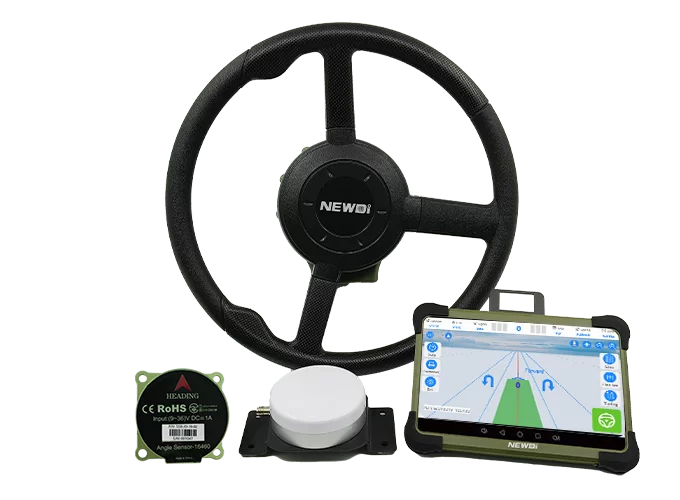
Implementing an auto steer tractor for precise fertilizer application and row planting, ensuring optimal spacing and reducing chemical runoff in the Western North region.

02. Accra Urban Road Expansion

Using a combination of total station and RTK receivers to establish precise control points for highway construction, mitigating errors in dense urban corridors.

03. Gold Mining Site Topography

Deploying surveying equipment to monitor stockpile volumes and open-pit wall stability in the Obuasi mining area with centimeter accuracy.

04. Coastal Erosion Mapping

Utilizing gps diferencial systems to track the shoreline retreat in Ada Foah, providing critical data for the construction of sea defense walls.

05. Cadastral Land Surveying

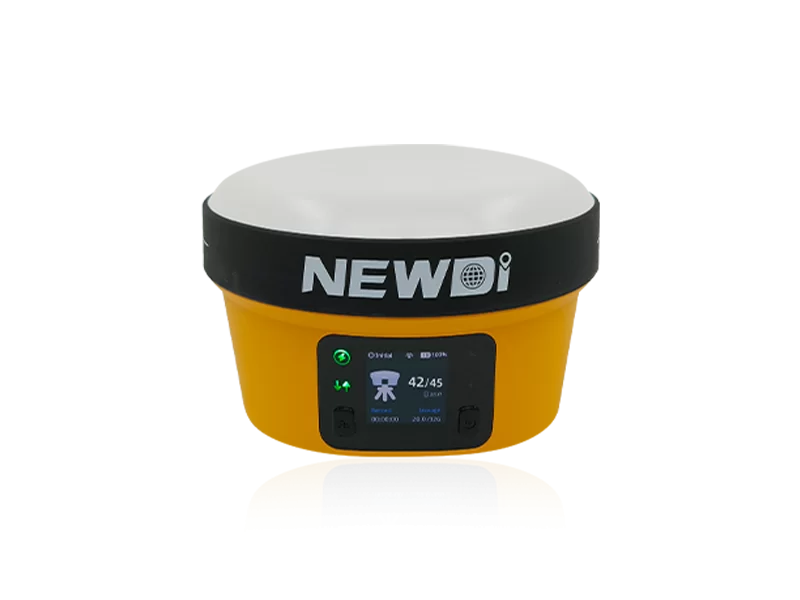
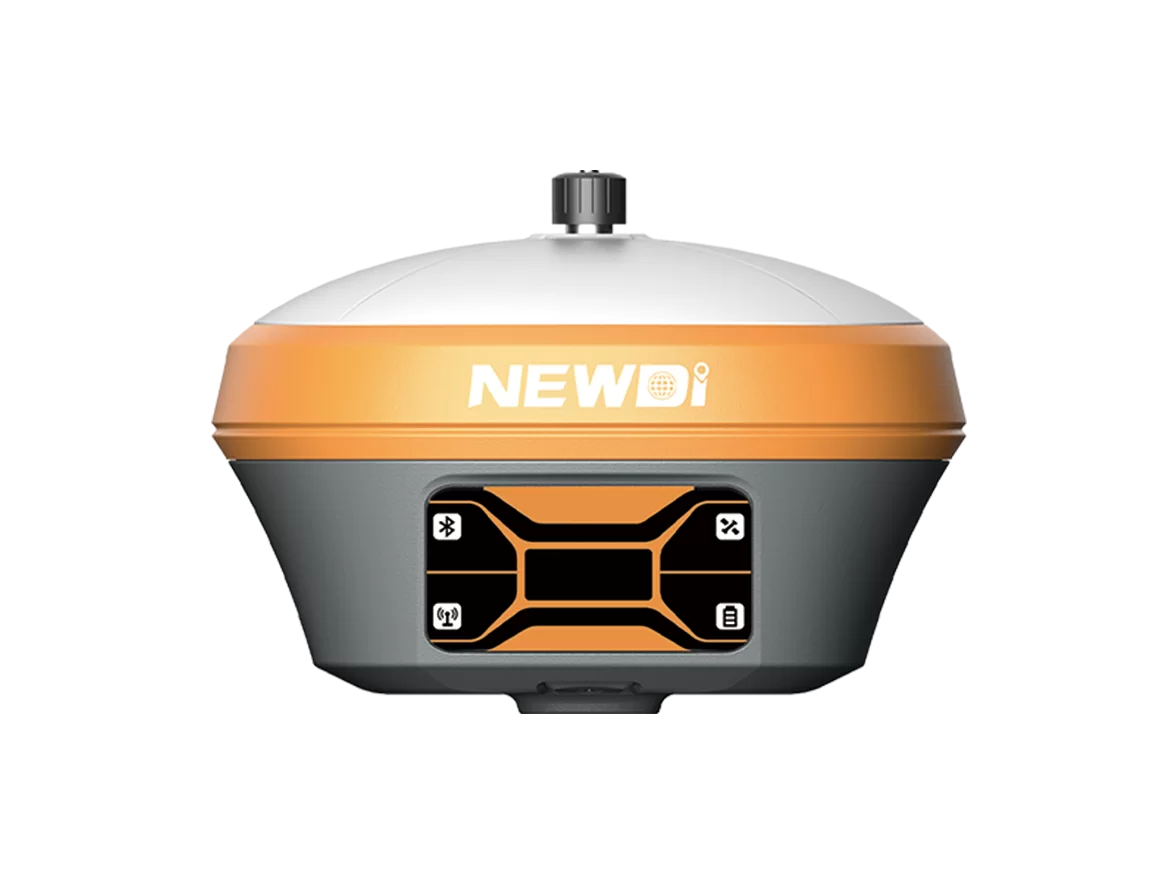
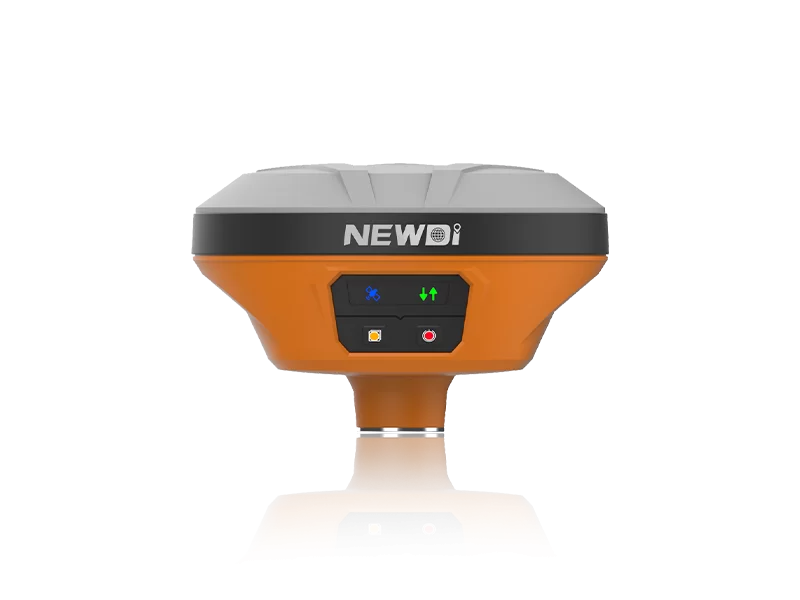
Leveraging a gnss rtk receiver to resolve land ownership disputes by creating indisputable digital boundaries for rural land registries.

Brand Story

Global Development Journey of Shanghai NCT Navigation Technology Co., Ltd.

Technical Foundation

Founded on the principle of precision, we began by solving the core challenge of signal stability in complex environments.

Agricultural Breakthrough

We developed the first generation of steering controllers to bridge the gap between high-end tech and practical farming.

Global Expansion

Expanding our footprint into Africa and Asia, tailoring our instruments to withstand extreme temperatures and humidity.

Innovation Leadership

Integrating multi-constellation GNSS and AI to lead the industry in automated guidance and spatial analysis.

Sustainable Mission

Our mission is to provide affordable, high-precision tools that enable sustainable land development globally.

Complete Precision Portfolio for Ghana

Professional-grade tools for every geospatial challenge

Common Questions in Ghana's Measurement Industry

Expert answers to local technical concerns

How does the tropical canopy in Ghana affect gnss rtk receiver performance?

Dense foliage can cause signal attenuation. We recommend using multi-frequency receivers that can track more satellites to maintain a fixed solution under canopy cover.

Can an auto steer tractor be installed on older tractor models in rural Ghana?

Yes, our universal steering kits are designed to be retrofitted onto a wide variety of tractor brands, regardless of the manufacturing year.

What is the difference between a total station and RTK for land surveying?

A total station is superior for short-range, high-precision work where satellite signals are blocked, while RTK is faster for large-scale mapping across open fields.

Is gps diferencial necessary for small-scale farming in Ghana?

While not essential for basic use, differential GPS ensures that rows are perfectly straight, reducing seed waste and improving harvest efficiency.

Where can I find compatible surveying equipment for mining projects in Ghana?

We provide heavy-duty, IP67-rated equipment specifically designed to withstand the dust and moisture of mining sites in the Ashanti and Western regions.

How do I maintain my high-precision instruments in Ghana's humid climate?

We recommend using desiccants in storage cases and performing regular calibration to prevent humidity-induced sensor drift.

Ready to Elevate Your Precision?

Get expert technical consultation and local support for all your geospatial needs in Ghana.

Contact Us Now