
Shanghai Newdi Navigation Technology Co.,Ltd

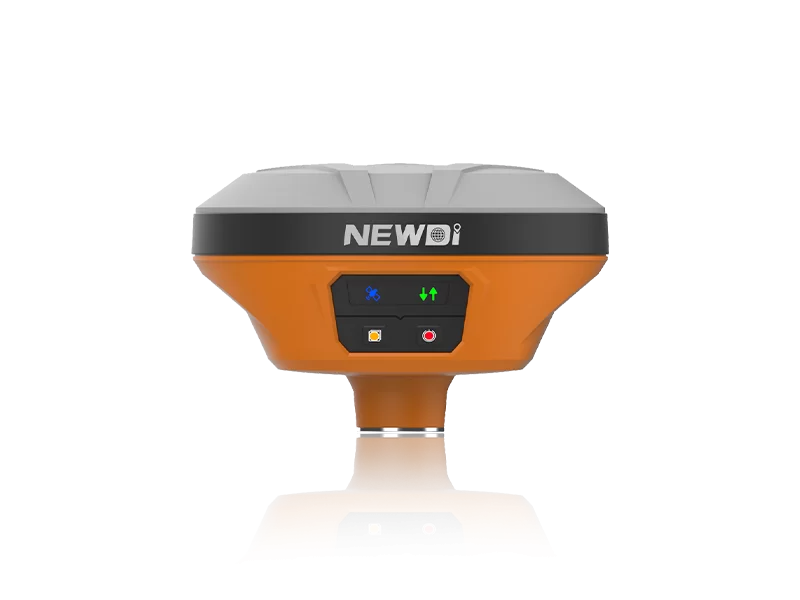
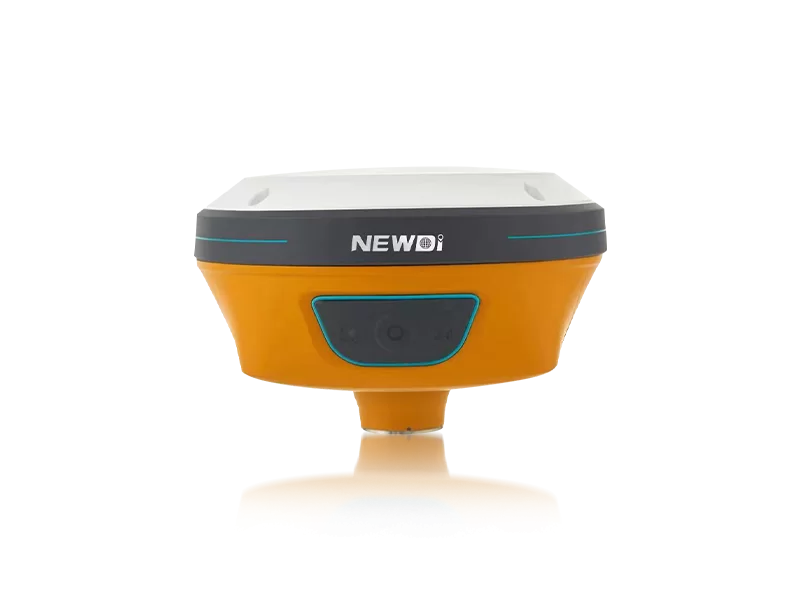
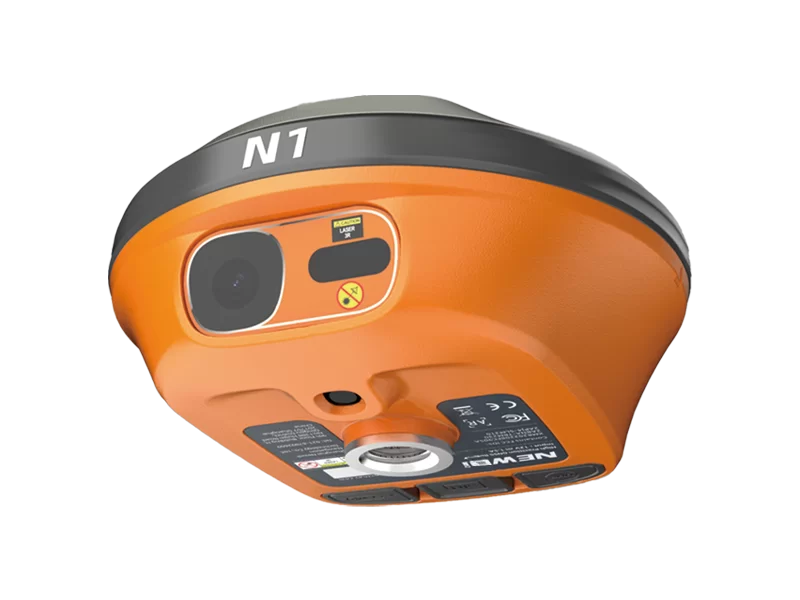
Precision gnss rtk receiver Solutions for Australian Infrastructure

Empowering Australia's geospatial landscape with high-accuracy measurement and autonomous navigation technologies tailored for the Oceania region.

Precision gnss rtk receiver Solutions for Australian Infrastructure

Integrating state-of-the-art surveying equipment to ensure centimeter-level precision across Australia's vast mining, agricultural, and urban development sectors.

The State of Geomatics in Oceania - Australia

Analyzing the unique challenges of measurement and precision in the Australian Outback and urban hubs.

Australia's unique geography, characterized by immense distances and extreme environmental conditions, demands robust surveying equipment. From the humid tropical north to the arid interior, the reliability of spatial data is critical for large-scale mining operations and national infrastructure projects.

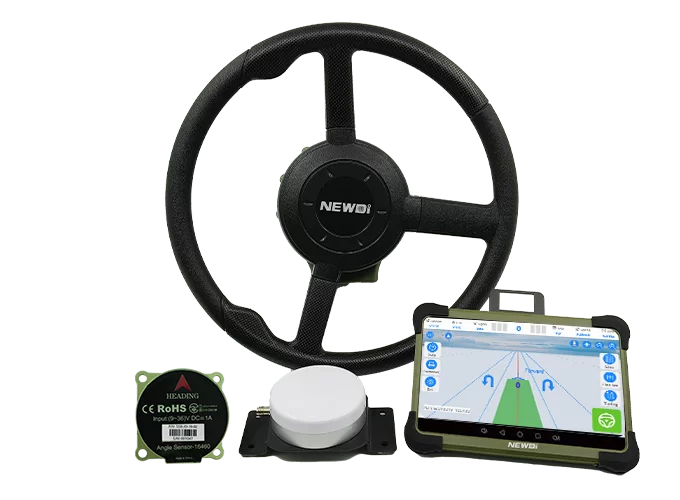
In the agricultural sector, the push for "Precision Ag" has led to a surge in the adoption of auto steer tractor systems. Australian farmers are leveraging these technologies to reduce overlap, minimize fuel consumption, and optimize crop yields across thousands of hectares.

Furthermore, the integration of gps diferencial corrections has become a standard requirement to overcome ionospheric interference common in the Southern Hemisphere, ensuring that urban planning in cities like Sydney and Melbourne remains mathematically perfect.


Evolution of Precision Measurement in Australia

From traditional optical methods to the era of satellite-based autonomous precision.

Market Development History

Prior to the late 1990s, Australian surveying relied heavily on traditional optical instruments. The total station became the workhorse of the industry, providing accurate distance and angle measurements, though it required clear lines of sight and significant manual labor.

Between 2005 and 2015, the transition to GNSS technology accelerated. The introduction of real-time kinematic (RTK) capabilities allowed surveyors to move away from static observations, drastically reducing the time required for site mapping across the vast Australian terrain.

From 2016 to the present, the focus has shifted toward full automation and multi-constellation support. The convergence of high-speed data networks and satellite arrays has enabled the seamless deployment of gnss rtk receiver units in real-time machine control.

Future Development Trends

AI-Driven Spatial Analysis

Integrating machine learning with geospatial data to predict land subsidence and coastal erosion along Australia's extensive coastline.

Autonomous Fleet Synergy

Moving beyond a single auto steer tractor toward fully coordinated autonomous swarms in large-scale broadacre farming.

Centimeter-Level Ubiquity

The expansion of LEO satellite constellations to provide PPP-RTK corrections without the need for local base stations in remote Outback regions.

Industry Outlook and Technological Forecasting

Predicting the trajectory of instrument manufacturing for the next 3-5 years.

Satellite Integration
Shift toward multi-frequency, multi-constellation receivers to ensure signal stability in deep valleys and urban canyons.
Edge Computing
Processing spatial data locally on the device to reduce latency in autonomous machine steering.
IoT Ecosystems
Connecting field instruments to cloud platforms for real-time project monitoring and fleet management.
Sustainability Focus
Developing low-power, solar-compatible RTK bases for long-term remote monitoring.

Industry Outlook

The demand for precision measurement in Australia is expected to grow as the government invests heavily in "Smart City" initiatives. We anticipate a shift where surveying equipment will no longer be just for specialists but integrated into every piece of heavy machinery.

Based on search trends, the integration of 5G will catalyze the adoption of network RTK, making the traditional gps diferencial setup more streamlined and accessible for small-to-medium enterprises in the region.

Localized Application Scenarios in Australia

Real-world deployments of precision instruments across the Australian landscape.

01. Open-Cut Mining in Western Australia

Utilizing high-precision GNSS receivers to manage pit wall stability and automate haulage trucks in the Pilbara region, ensuring safety and efficiency.

02. Broadacre Farming in New South Wales

Implementing auto steer tractor systems to manage vast wheat fields, reducing input waste and optimizing planting patterns.

03. Urban Expansion in South East Queensland

Employing the total station for precise boundary marking and infrastructure alignment in rapidly growing suburban corridors.

04. Coastal Erosion Monitoring in Victoria

Setting up permanent gps diferencial stations to monitor millimetric changes in shoreline topography caused by rising sea levels.

05. Road Infrastructure in Northern Territory

Using RTK-enabled grading equipment to ensure perfect drainage and alignment for remote highway projects across the Outback.

Brand Story

Global Development Journey of Shanghai NCT Navigation Technology Co., Ltd.

Foundational Innovation

Established with a mission to bridge the gap between complex satellite data and practical field application for surveyors worldwide.

Precision Breakthrough

Developed proprietary algorithms that enhanced RTK convergence speeds, solving critical pain points in remote environment surveying.

Global Expansion

Extended operations into the Oceania market, tailoring hardware to withstand the harsh Australian climate and dusty mining environments.

Agricultural Revolution

Launched a comprehensive suite of autonomous steering solutions, empowering farmers to transition to high-precision agriculture.

Vision for the Future

Committing to an ecosystem of "Intelligent Spatiality" where measurement is seamless, instant, and accessible to all industries.

Comprehensive Precision Portfolio for Australia

From handheld receivers to full-scale autonomous steering kits, designed for the Australian terrain.

Australian Field FAQ

Technical answers for common challenges in the Oceania region.

How does a GNSS RTK receiver perform in the remote Australian Outback?

Our receivers are designed with high-sensitivity antennas to maintain locks even with low satellite visibility, and support multi-constellation GNSS to ensure stability in remote areas.

Can I install an auto steer tractor system on older machinery?

Yes, our systems are designed for universal compatibility, providing both bolt-on and integrated options for various tractor models used across Australia.

What is the difference between a total station and GNSS for urban surveying?

A total station provides absolute precision via optical line-of-sight, ideal for tight urban spots, while GNSS is faster for large-area mapping provided there is a clear sky view.

How does gps diferencial correction improve accuracy in mining?

By using a base station to send correction data to the rover, differential GPS eliminates atmospheric errors, bringing accuracy from meters down to centimeters.

Which surveying equipment is best for coastal mapping in Australia?

A combination of RTK receivers for rapid topography and total stations for high-precision benchmarks is recommended for coastal monitoring.

How often should I calibrate my precision instruments for Australian conditions?

Due to extreme temperature fluctuations in Australia, we recommend quarterly calibration checks to ensure your hardware remains within tolerance.

Consult Our Geospatial Experts

Ready to upgrade your precision capabilities? Contact our dedicated team for localized support in Australia.

Contact Us Now