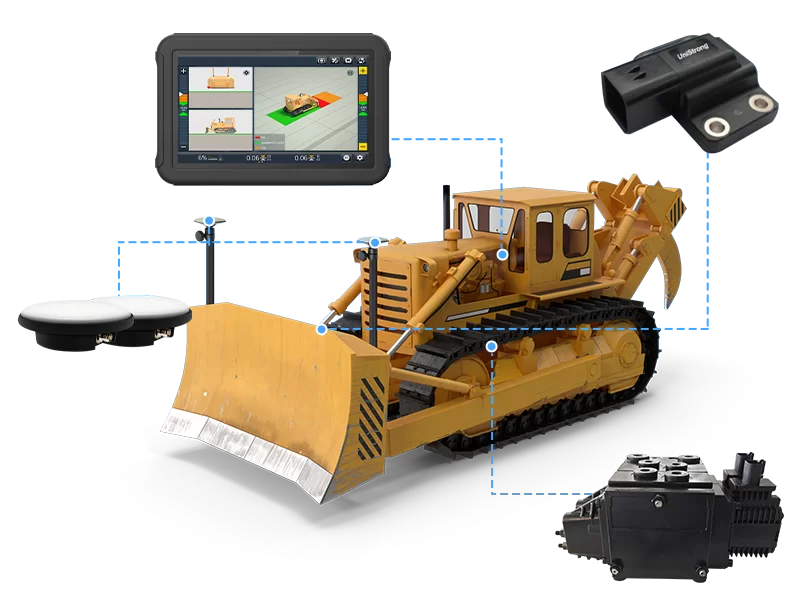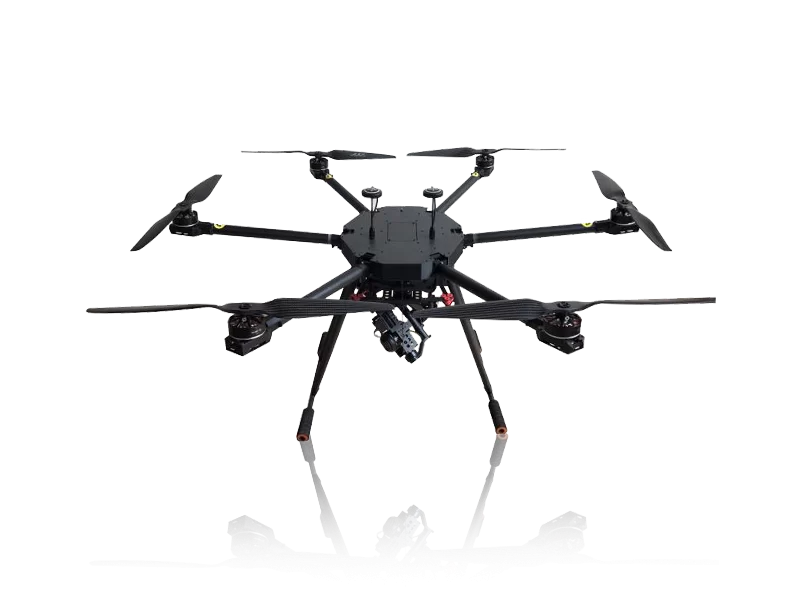

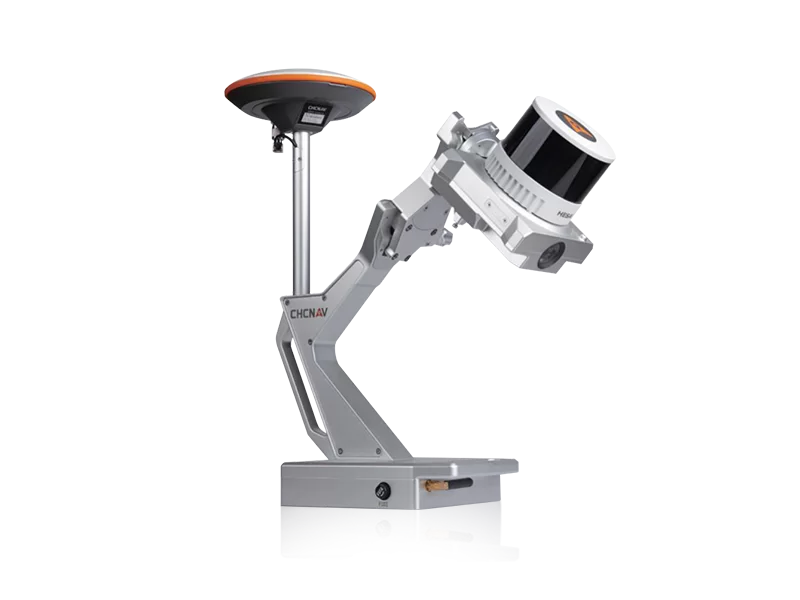


Angola's current industrial landscape is characterized by a rapid expansion of mining and road infrastructure. However, the diverse climate—from the arid south to the humid tropical north—poses significant challenges for traditional surveying equipment, which often suffers from calibration drift under extreme thermal fluctuations.
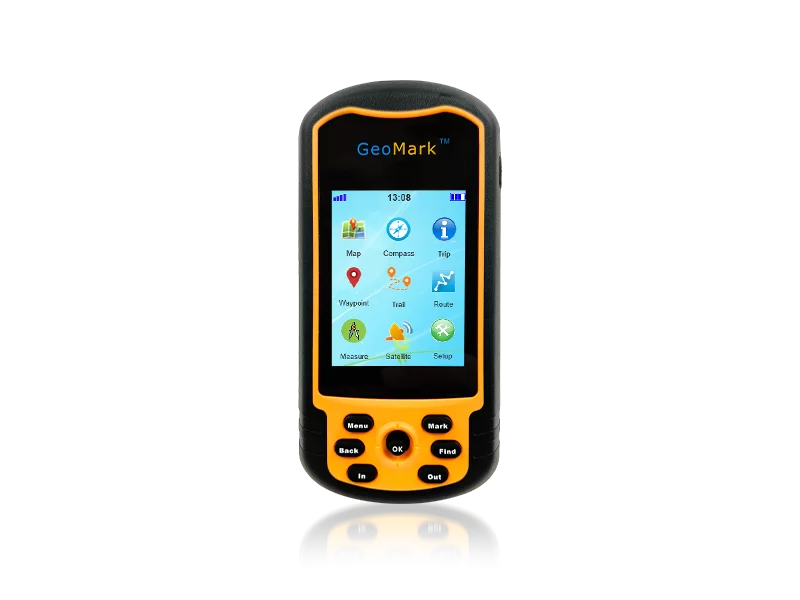
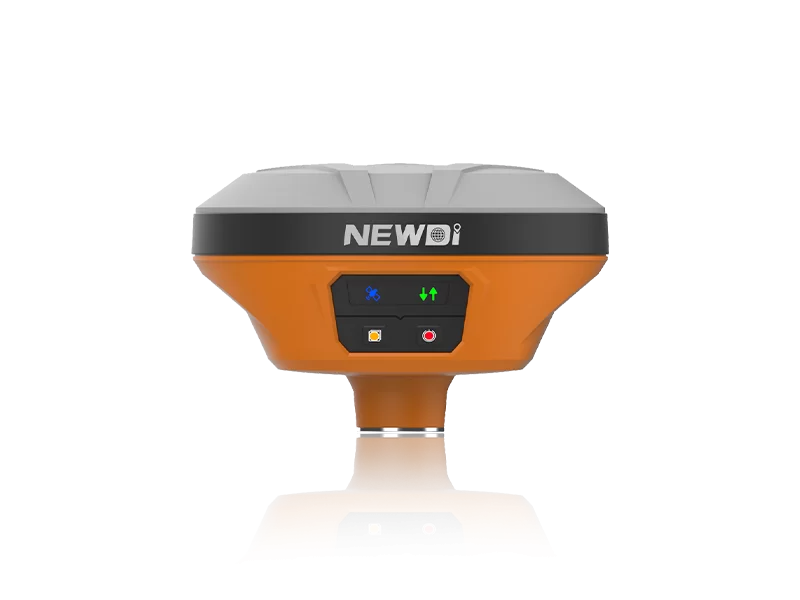
In the agricultural sector, particularly in the Huambo and Bié provinces, there is a growing shift from manual land marking to the adoption of gps diferencial systems. This transition is critical for optimizing land use and increasing crop yields in a region striving for food security.
Despite the progress, many local firms still rely on legacy hardware. The gap between traditional optical methods and satellite-based RTK technology has created a demand for robust, all-in-one systems that can operate in remote areas with limited cellular connectivity.