

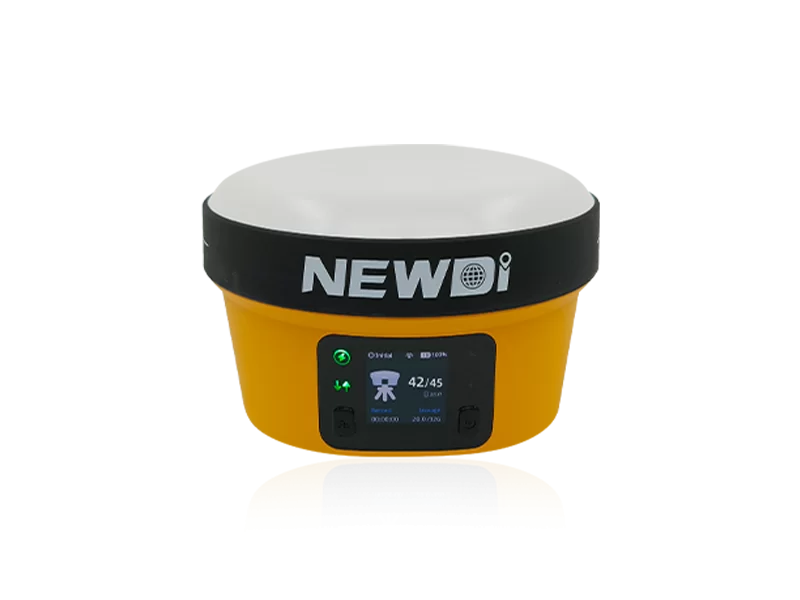
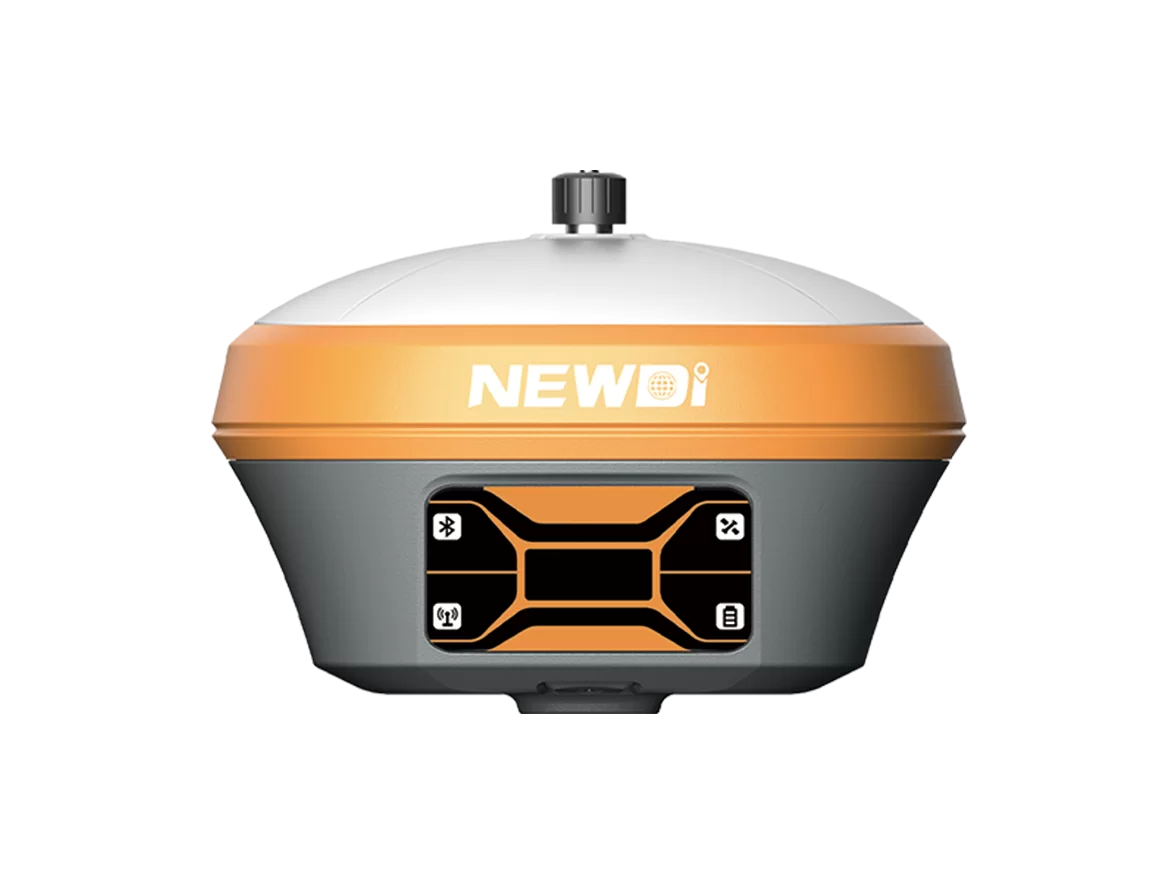
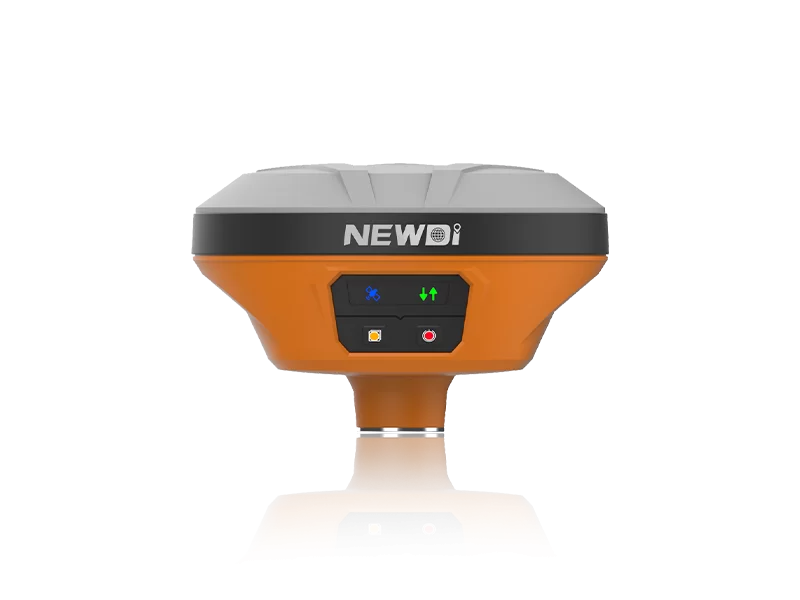
Mexico's diverse geography—ranging from the rugged Sierra Madre mountains to the vast coastal plains—creates unique challenges for geospatial data collection. Currently, there is a massive surge in the demand for gps diferencial systems to support the expansion of the "Interoceanic Corridor" and other large-scale logistics infrastructure projects.
In the agricultural heartlands of Sinaloa and Jalisco, the transition toward precision farming is accelerating. Traditional farming methods are being replaced by the integration of auto steer tractor systems to optimize seed placement and reduce fuel consumption, reflecting a broader trend of technological modernization in Mexican agribusiness.
Furthermore, urban expansion in Mexico City and Monterrey has increased the reliance on high-end total station units for precise cadastral surveying. The industry is moving away from isolated hardware toward connected, cloud-based measurement ecosystems that allow real-time data synchronization between field crews and office engineers.