
Shanghai Newdi Navigation Technology Co.,Ltd

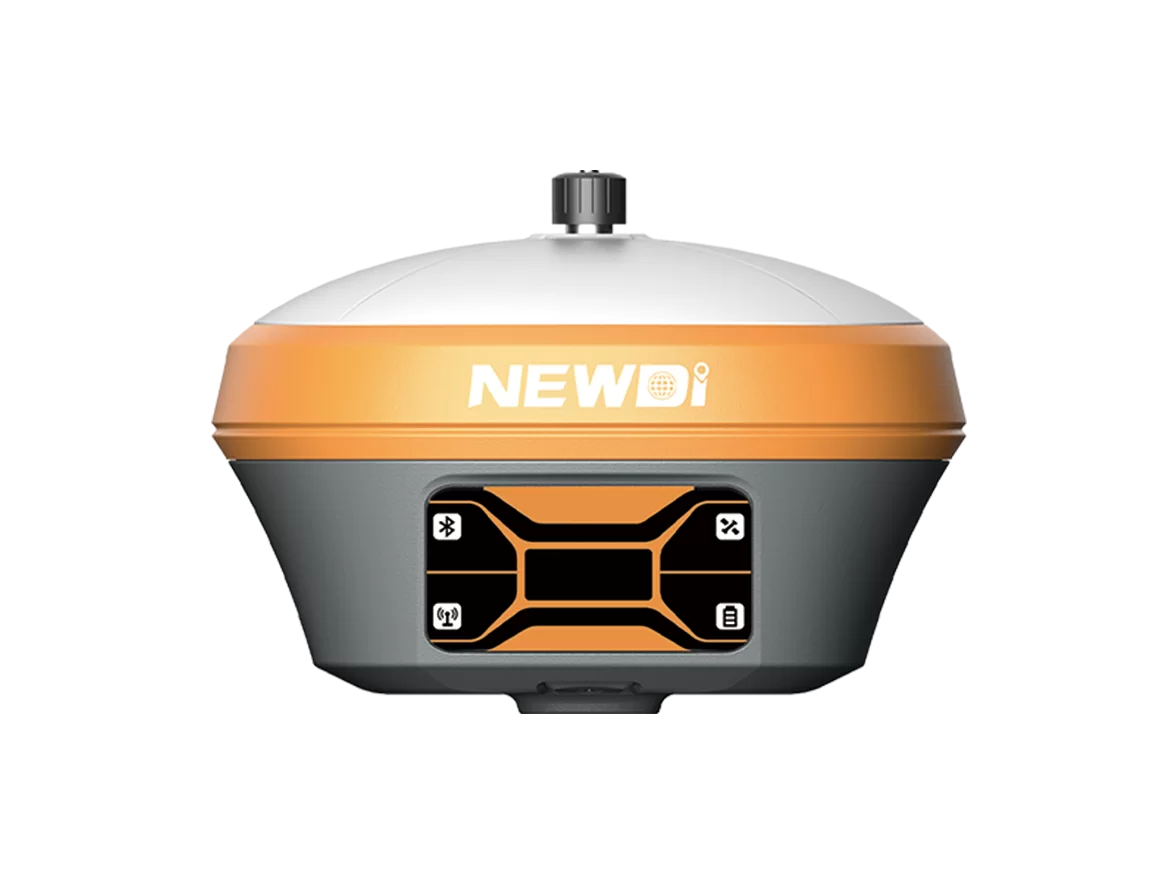
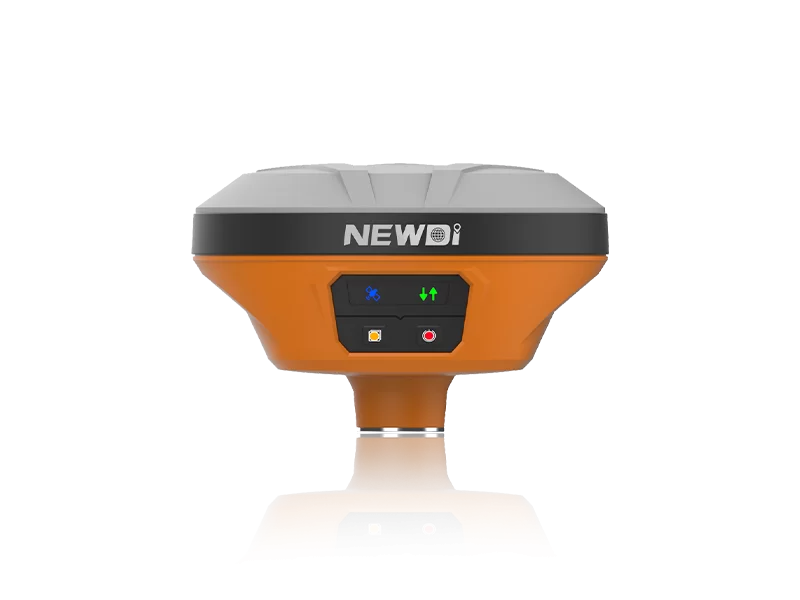
High-Precision gnss rtk receiver Solutions for New Zealand

Empowering New Zealand's agriculture and construction sectors with world-class precision measurement and autonomous steering technologies.

High-Precision gnss rtk receiver Solutions for New Zealand

Our comprehensive suite of surveying equipment integrates satellite positioning with ground-based corrections to deliver centimeter-level accuracy across the diverse terrains of New Zealand.

The Landscape of Precision Measurement in New Zealand

Adapting high-tech instrumentation to the unique geographical challenges of the Oceania region.

New Zealand's unique topography, characterized by the Southern Alps and rolling hill country, presents significant challenges for traditional measurement. The demand for a reliable total station has shifted toward hybrid systems that can handle steep slopes and dense vegetation where line-of-sight is often obstructed.

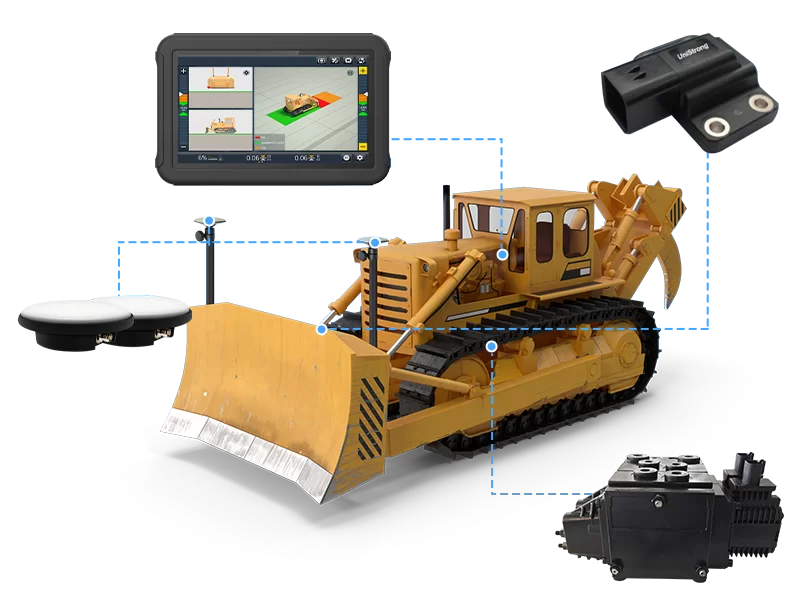
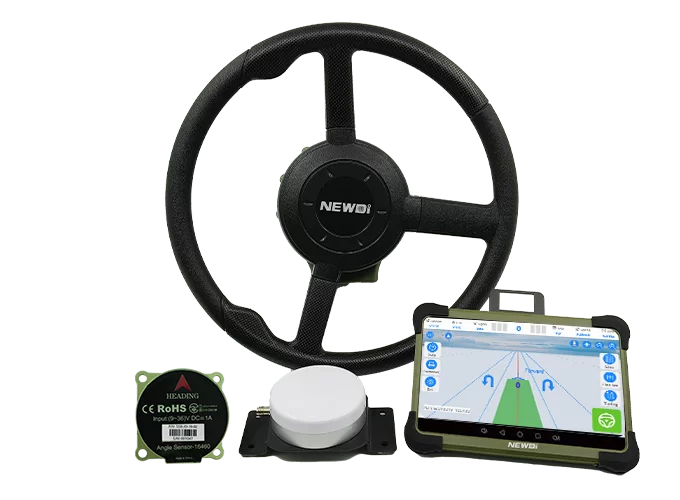
In the agricultural sector, the vast dairy and sheep farms of the Waikato and Canterbury regions are increasingly adopting auto steer tractor systems. This transition is driven by the need to optimize fertilizer application and reduce soil compaction in sensitive ecological zones.

Furthermore, the high seismic activity in the region makes the use of gps diferencial systems critical for monitoring crustal deformation and ensuring the structural integrity of critical infrastructure across the North and South Islands.
Evolution of Surveying Technology in NZ

From optical measurements to real-time satellite kinematics.

Market Development History

Until the late 1990s, the New Zealand market relied heavily on mechanical theodolites and basic optical levels. Precision was high, but productivity was limited by manual data entry and slow site traversal.

Between 2000 and 2015, the introduction of early GPS and the widespread adoption of the total station revolutionized land surveying, allowing for faster boundary mapping and construction layout in urban centers like Auckland and Wellington.

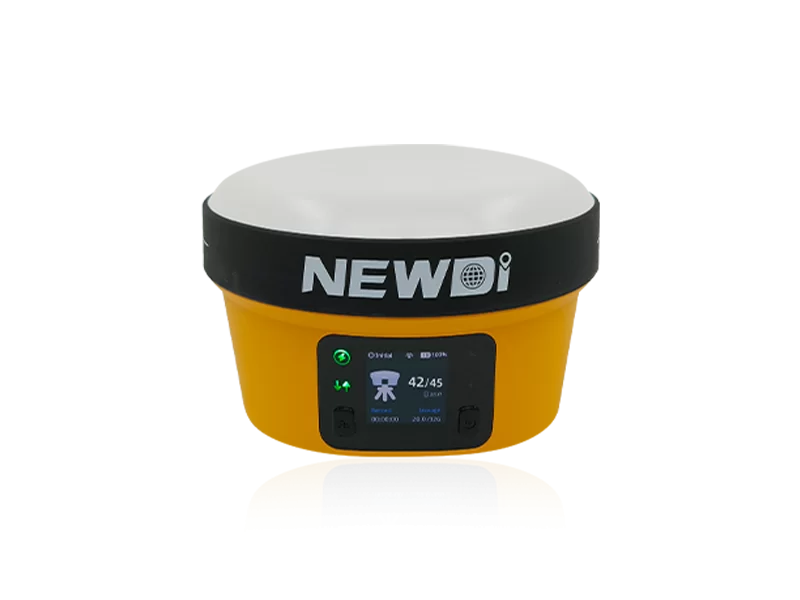
From 2016 to the present, the integration of RTK (Real-Time Kinematic) networks has enabled the modern gnss rtk receiver to become the industry standard, providing instantaneous corrections over cellular networks.

Future Development Trends

AI-Driven Automated Mapping

Integration of machine learning with surveying tools to automatically classify land features in real-time.

Autonomous Agricultural Ecosystems

Moving beyond a simple auto steer tractor toward fully autonomous swarms for precision crop management.

Multi-Constellation Fusion

Utilization of Beidou, Galileo, and GPS simultaneously to ensure signal stability in deep New Zealand valleys.

Industry Trends and Future Outlook

Analyzing the trajectory of geospatial technology for the next five years.

Hyper-Precision RTK
Transitioning from centimeter to millimeter accuracy through enhanced gps diferencial algorithms.
Smart Farm Automation
Integration of auto steer tractor units with IoT soil sensors for real-time variable rate application.
Cloud-Based Surveying
Real-time synchronization of surveying equipment data to cloud BIM models for instant project updates.
LiDAR Fusion
Combining total station precision with LiDAR scanning for rapid 3D terrain modeling.

Industry Outlook

Google search trends for "precision agriculture" and "autonomous surveying" in New Zealand show a steady 15% year-on-year increase, indicating a strong market shift towards automation.

We anticipate that within 3-5 years, the reliance on manual field checks will decrease as the synergy between GNSS and AI reaches maturity, enabling fully remote site management.

Local Application Scenarios in New Zealand

Practical implementations of precision instruments across NZ's diverse industries.

1. Canterbury Plains Precision Farming

Utilizing auto steer tractor systems to maintain perfect row spacing and minimize overlap in large-scale cropping operations, increasing yield by reducing fuel consumption.

2. Auckland Urban Infrastructure Expansion

Employing high-accuracy total station units for the precise layout of new transport links, ensuring millimeter-level alignment in dense urban corridors.

3. Southern Alps Geodetic Monitoring

Deploying a network of gps diferencial stations to track tectonic plate movements and provide early warning data for seismic events.

4. North Island Forestry Management

Using portable surveying equipment to map forest boundaries and plan sustainable harvest paths in challenging terrains.

5. Waikato Dairy Farm Grading

Implementing a gnss rtk receiver to design precise drainage systems, preventing waterlogging in high-intensity grazing areas.

Brand Story

Global Development Process of Shanghai Newland Navigation Technology Co., Ltd.

Founding Vision

Established with the goal of bridging the gap between complex satellite data and practical field application for surveyors and farmers.

Technical Breakthrough

Developed proprietary RTK algorithms that significantly reduced signal acquisition time in obstructed environments.

Global Expansion

Expanded operations into the Oceania market, tailoring equipment to meet the rigorous standards of New Zealand's agricultural sector.

Product Diversification

Launched a full ecosystem ranging from handheld receivers to integrated auto-steer kits for heavy machinery.

Commitment to Precision

Continuing to innovate in multi-constellation GNSS to ensure that every measurement, regardless of location, is absolute.

Complete Precision Suite for New Zealand

A curated selection of instruments designed for the unique demands of the New Zealand landscape.

Common Questions in NZ Surveying

Expert answers to the most frequent technical queries from our local clients.

How does a gnss rtk receiver perform in New Zealand's mountainous terrain?

Our receivers utilize multi-constellation support (GPS, GLONASS, Galileo, Beidou) to maintain signal lock even in deep valleys where a single constellation might be blocked.

Can I install an auto steer tractor system on older machinery?

Yes, our systems are designed for universal compatibility, utilizing hydraulic or electric motor overrides to enable precision steering on a wide range of tractor brands.

What is the accuracy difference between a total station and GNSS?

A total station provides higher relative precision (millimeter) via optical measurement, while GNSS provides absolute global positioning (centimeter) without needing a clear line of sight between points.

Why is gps diferencial necessary for seismic monitoring?

Differential GPS eliminates common-mode errors, allowing scientists to detect subtle shifts in the Earth's crust that are essential for earthquake risk assessment.

Which surveying equipment is best for rural boundary mapping?

A combination of an RTK receiver for rapid boundary identification and a total station for precise corner marking is the most efficient workflow for rural NZ.

How do I maintain my RTK equipment in humid coastal environments?

We recommend using our IP67-rated ruggedized housings and performing regular connector cleaning to prevent salt-spray corrosion common in coastal New Zealand.

Ready to Elevate Your Precision?

Contact our expert team today for a customized demonstration of our surveying solutions in New Zealand.

Contact Us Now