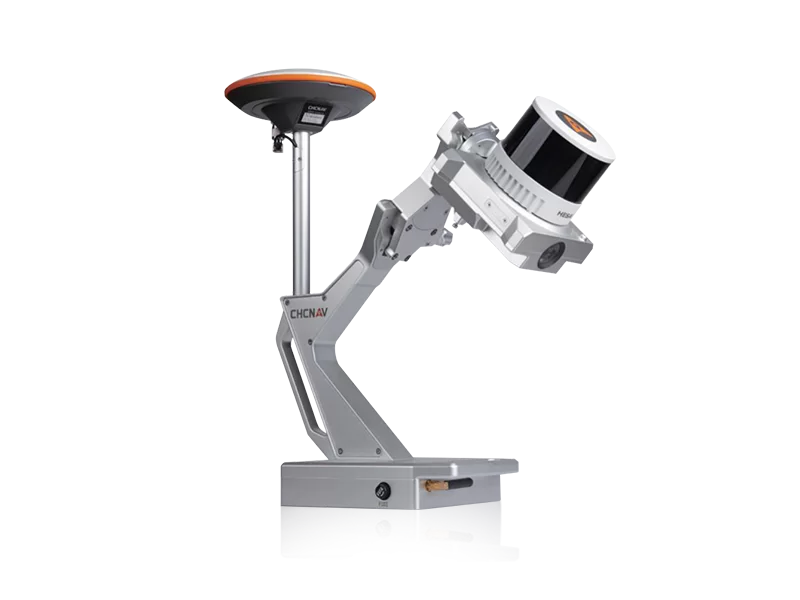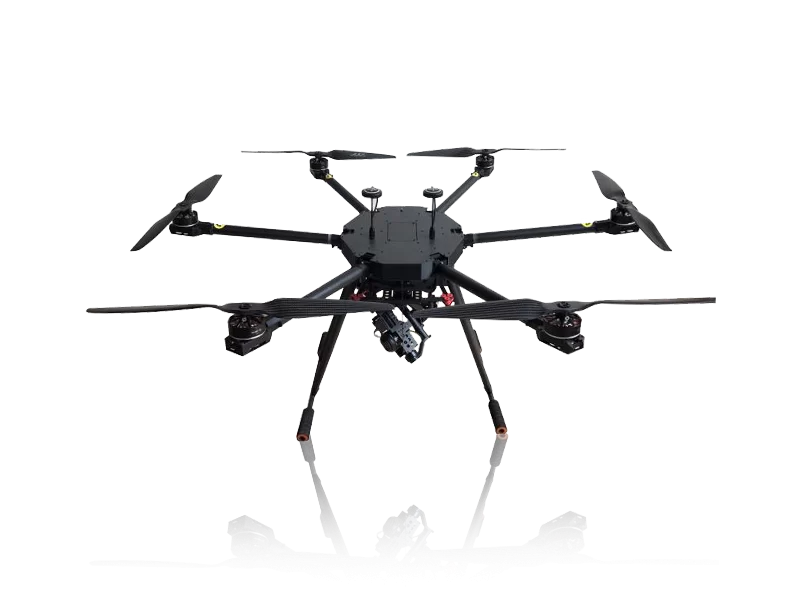

Bolivia presents a unique challenge for surveying equipment due to its extreme altitudinal variations, ranging from the Altiplano's high plateaus to the humid tropical lowlands. Traditionally, the market has relied on manual measurements, but there is a surging demand for high-accuracy tools to support mining expansions and urban development in La Paz and Santa Cruz.
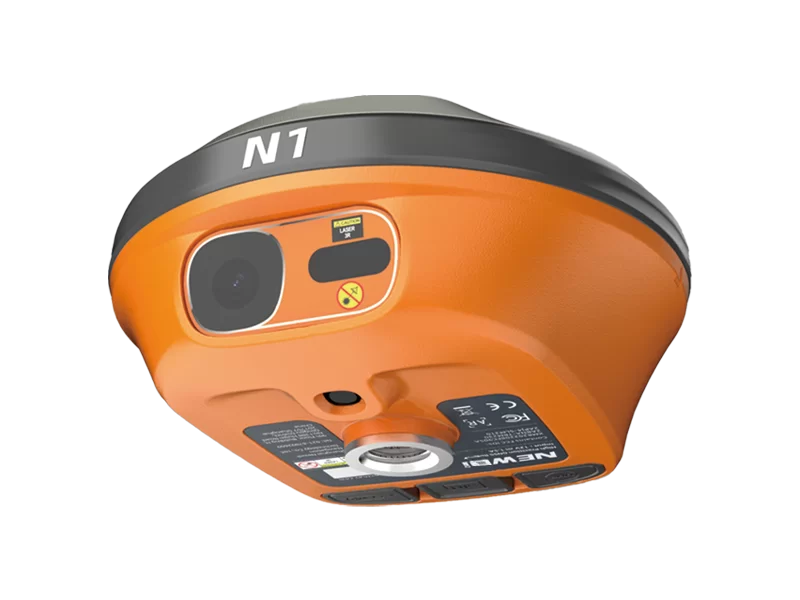
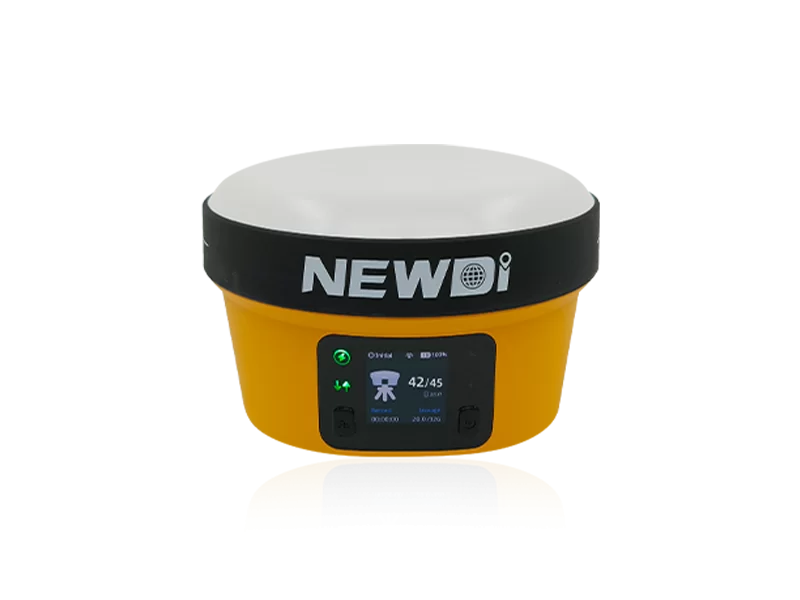
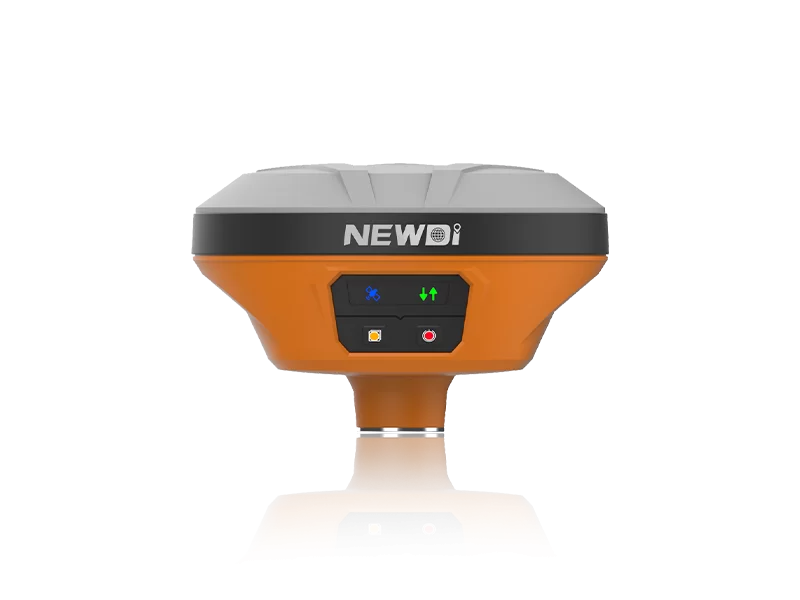
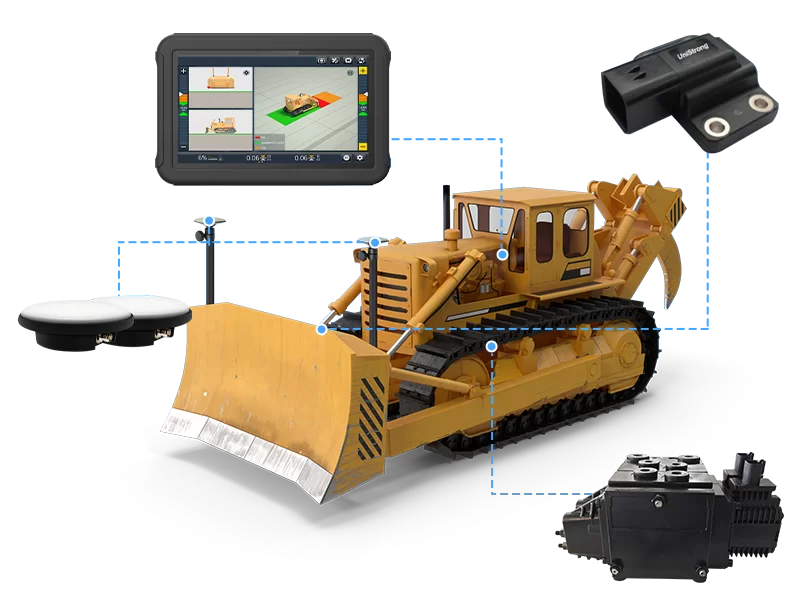
In the agricultural heartlands, the adoption of gps diferencial systems is becoming critical. Farmers are transitioning from traditional tillage to precision farming to optimize fertilizer use and seed placement, which is essential for maintaining competitiveness in the global soy and corn markets.
However, the integration of advanced total station units remains concentrated in large-scale government infrastructure projects. The gap between traditional land surveying and modern digital twin mapping is narrowing as local engineers seek more efficient ways to handle rugged topography.