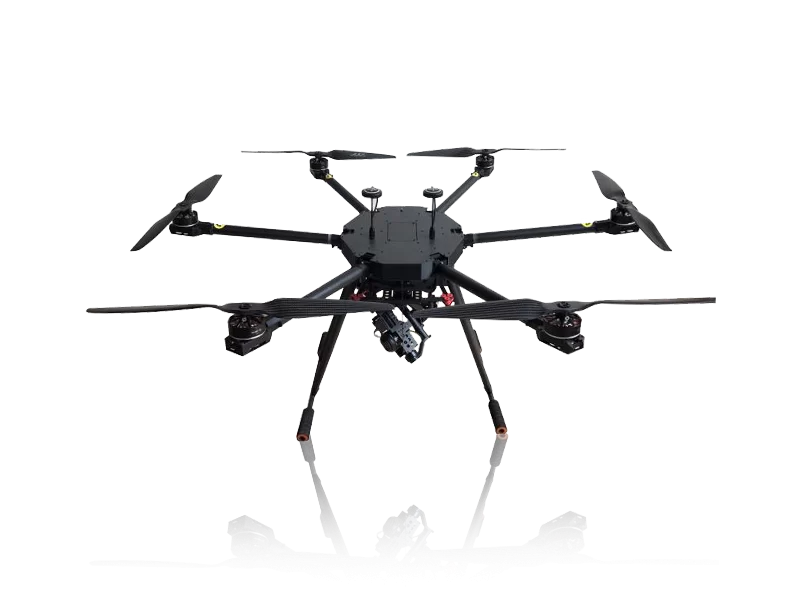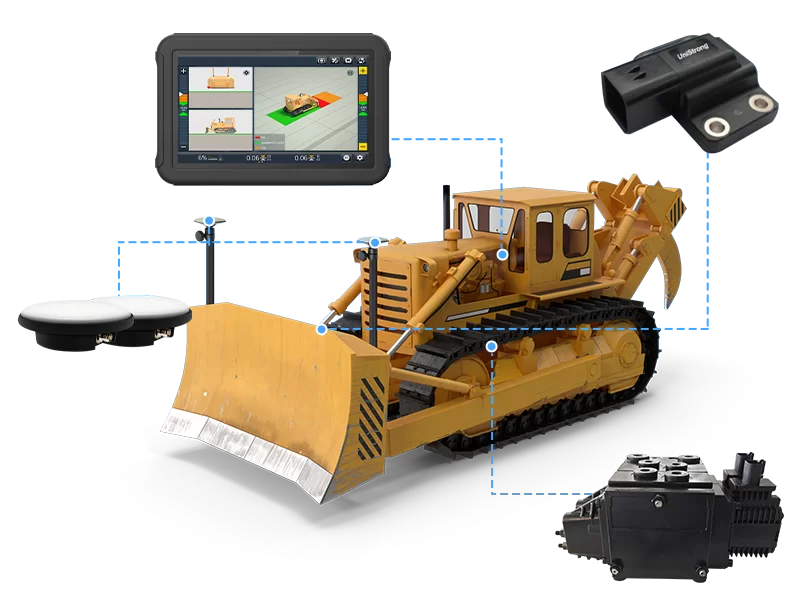

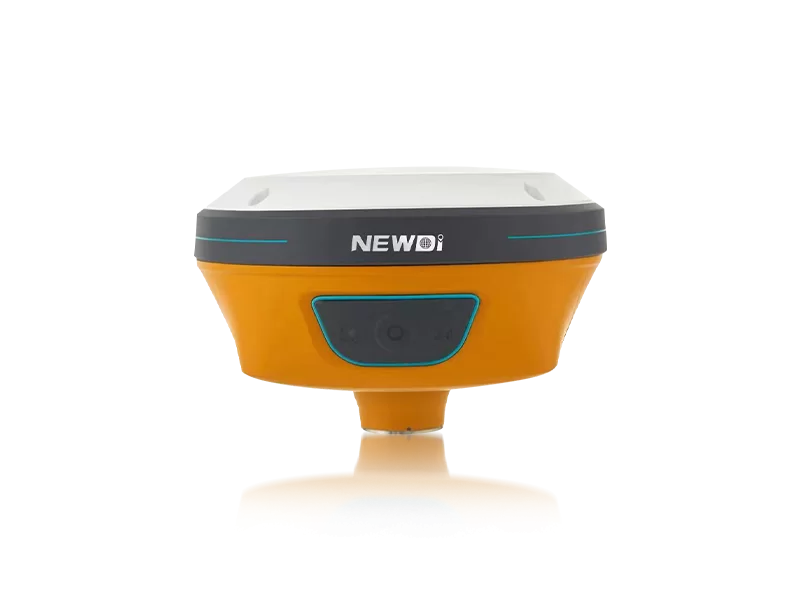
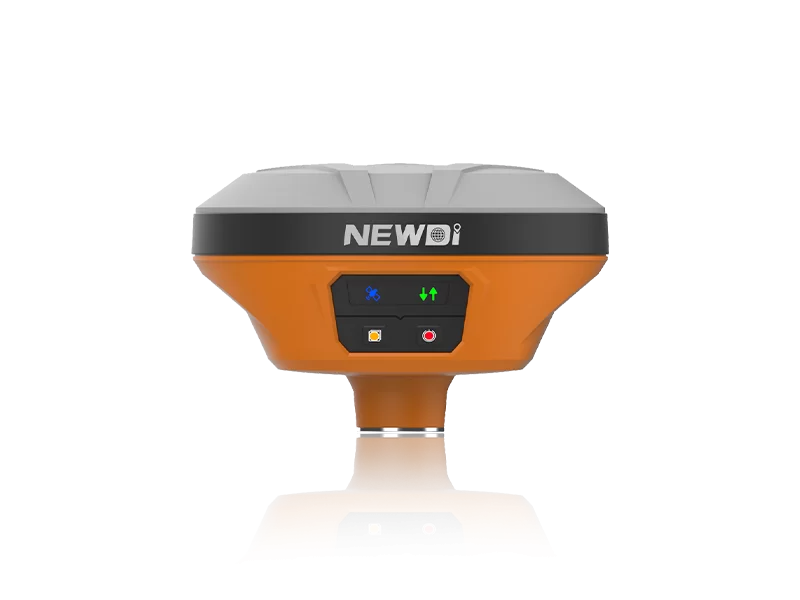
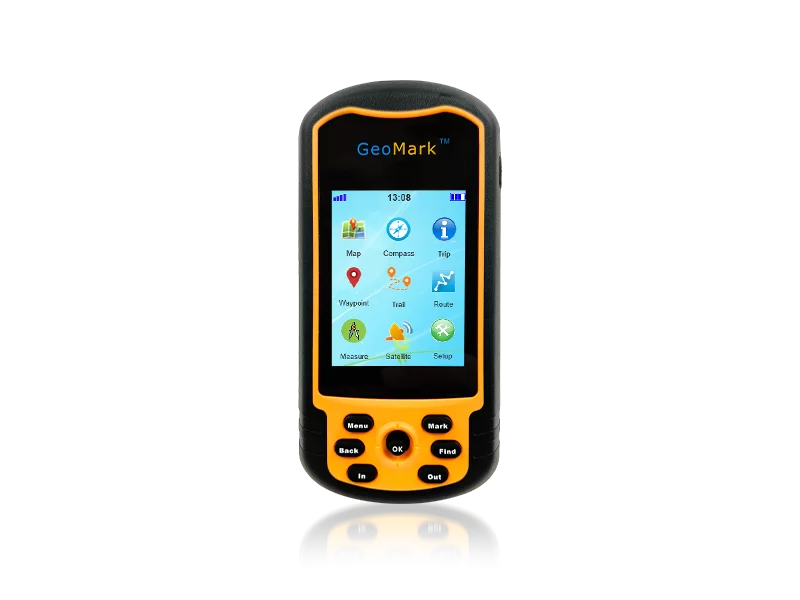
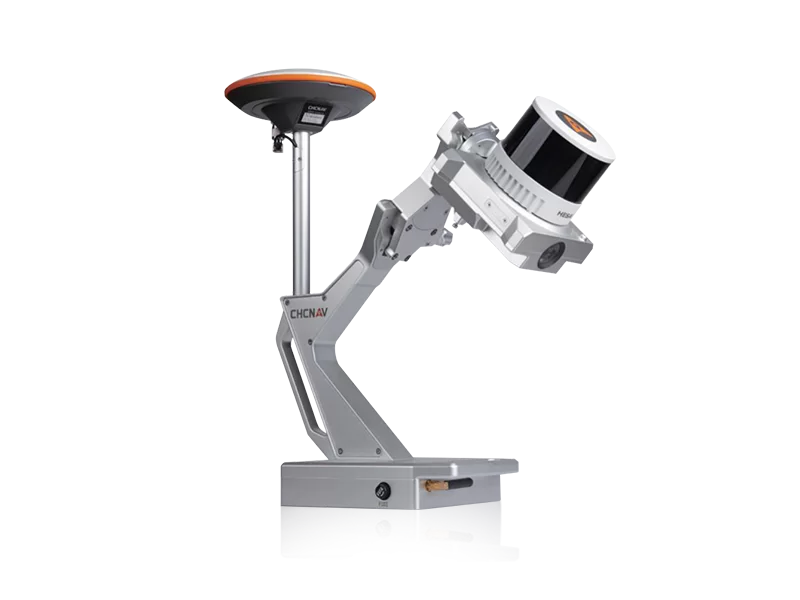
Afghanistan's unique geography, characterized by extreme altitude variations and rugged mountain ranges, creates significant signal obstruction for traditional satellite positioning. This makes the deployment of high-performance gps diferencial systems critical for accurate land boundary demarcation and road construction.
In the agricultural sectors of provinces like Herat and Kandahar, there is a growing shift from manual labor to precision farming. However, the adoption of an auto steer tractor is often hindered by the lack of localized RTK base station networks and technical support for hardware maintenance.
Currently, the market relies heavily on imported total station units for urban redevelopment in Kabul. The demand is shifting toward hybrid systems that combine optical precision with satellite connectivity to overcome the visibility issues caused by dust storms and seasonal haze.