

Shanghai Newdi Navigation Technology Co.,Ltd

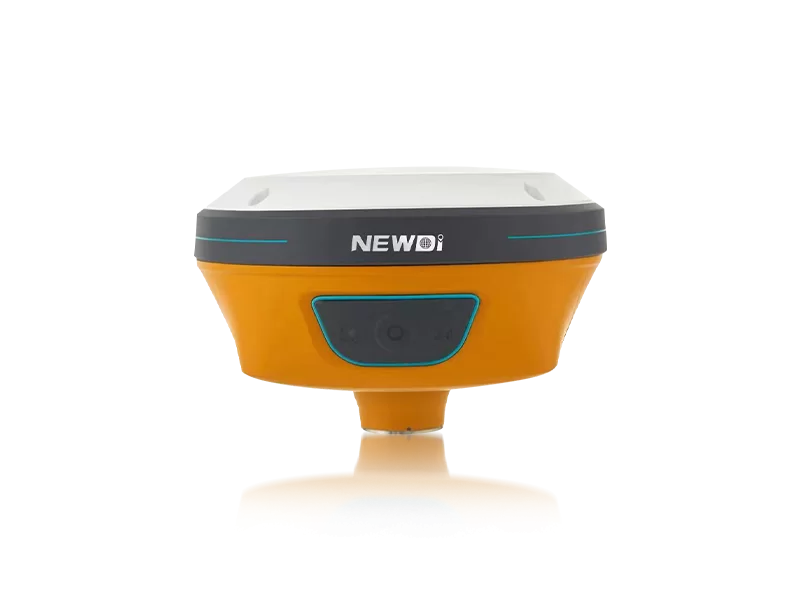
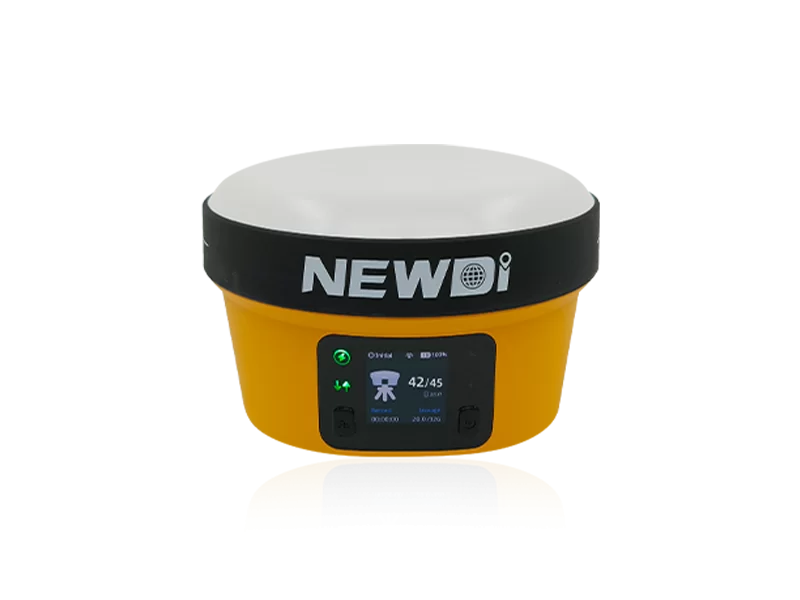
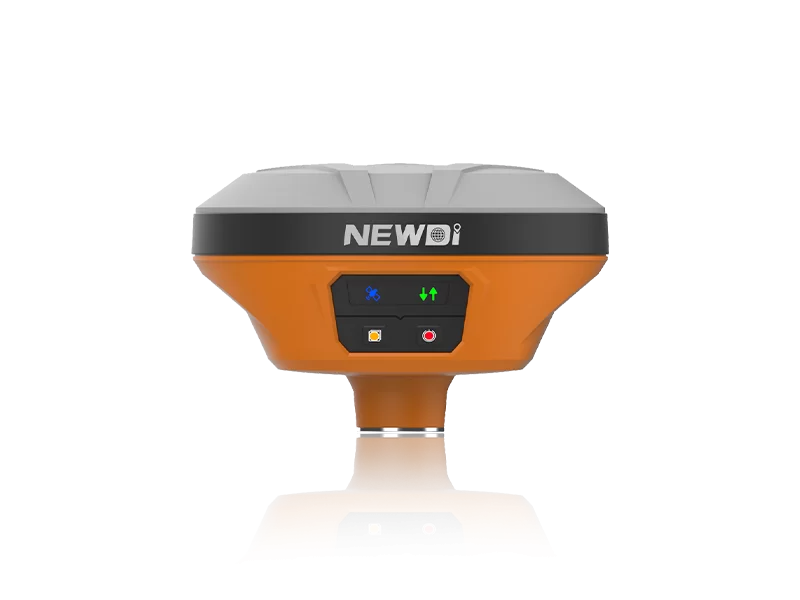
Advanced gnss rtk receiver Solutions for Spain's Precision Infrastructure

Empowering Spanish engineering and agriculture with high-precision positioning and automated guidance systems for maximum operational efficiency.

Advanced gnss rtk receiver Solutions for Spain's Precision Infrastructure

Integrating world-class surveying equipment to drive digital transformation across the Iberian Peninsula's construction and farming sectors.

The Landscape of Precision Measurement in Spain

Analyzing the current state of geospatial technology in the Spanish market.

Spain's diverse geography—from the rugged Pyrenees to the vast plains of Castilla-La Mancha—demands highly versatile surveying equipment. The current market is seeing a massive shift toward digitalization to optimize land use and manage complex urban infrastructure projects in cities like Madrid and Barcelona.

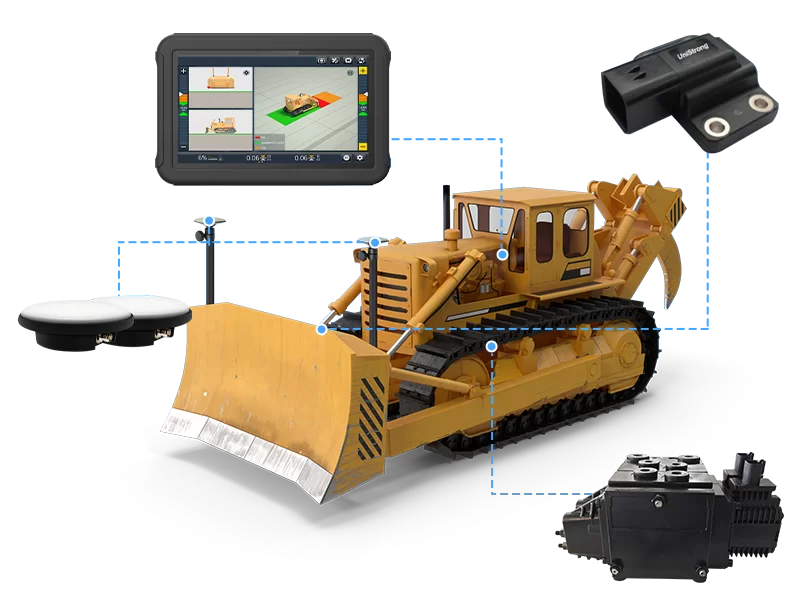
In the agricultural sector, the prevalence of large-scale olive groves and vineyards has accelerated the adoption of the auto steer tractor. Spanish farmers are increasingly replacing traditional methods with automated guidance to reduce overlap and fuel consumption in an era of rising operational costs.

Furthermore, the reliance on gps diferencial systems has become standard for Spanish public works, ensuring that high-speed rail expansions and motorway maintenance meet the stringent European Union accuracy standards.
Evolution of Geospatial Technology in Spain

From analog optics to real-time kinematic satellite positioning.

Market Development History

During the late 20th century, Spanish surveying relied heavily on traditional optical tools. The introduction of the first electronic total station models in the 1990s marked the first major transition, allowing for faster data collection and reduced human error in cadastral surveys.

By the mid-2000s, the integration of GNSS technology revolutionized the field. The shift from static GPS to real-time kinematic (RTK) capabilities allowed Spanish engineers to achieve centimeter-level accuracy in real-time, significantly speeding up the development of national infrastructure.

From 2015 onwards, the focus shifted toward "Smart Farming" and "BIM (Building Information Modeling)," where the hardware began to integrate with cloud-based software, enabling a seamless flow of data from the field to the office.

Future Development Trends

AI-Driven Autonomous Guidance

Expect a transition from simple steering to fully autonomous machinery where AI analyzes soil health in real-time to adjust the trajectory of the tractor.

Multi-Constellation Convergence

Future receivers will integrate Galileo, GPS, GLONASS, and BeiDou more deeply to ensure signal stability in the mountainous regions of Northern Spain.

IoT Integration in Surveying

The merging of surveying hardware with IoT sensors will allow for continuous structural health monitoring of Spanish bridges and dams.

Future Trends and Industry Outlook

Predicting the next 5 years of measurement and guidance technology.

Hyper-Precision RTK
Moving toward millimetric accuracy to support advanced 3D printing in construction.
Autonomous Farm Fleet
Full synchronization between multiple tractors for automated large-scale harvesting.
Cloud-Based GIS
Real-time synchronization of field measurements to global cloud databases.
5G-Enabled RTK
Reducing latency in correction data for faster response in dynamic environments.

Industry Outlook

Driven by Google search trends in "Agriculture 4.0" and "Smart City Infrastructure" within Spain, the market is moving away from standalone hardware toward integrated ecosystem solutions. The demand for interoperability between different brands of machinery is peaking.

We anticipate that the integration of satellite-based augmentation systems (SBAS) will complement RTK networks, ensuring that operators in remote Spanish rural areas maintain high precision even without a local base station.

Localized Application Scenarios in Spain

Practical implementations of precision instruments in Spanish industry.

1. Olive Grove Precision Management in Andalusia

Implementing auto steer tractor technology to optimize row spacing and reduce soil compaction in the vast olive plantations of southern Spain.

2. High-Speed Rail (AVE) Alignment and Surveying

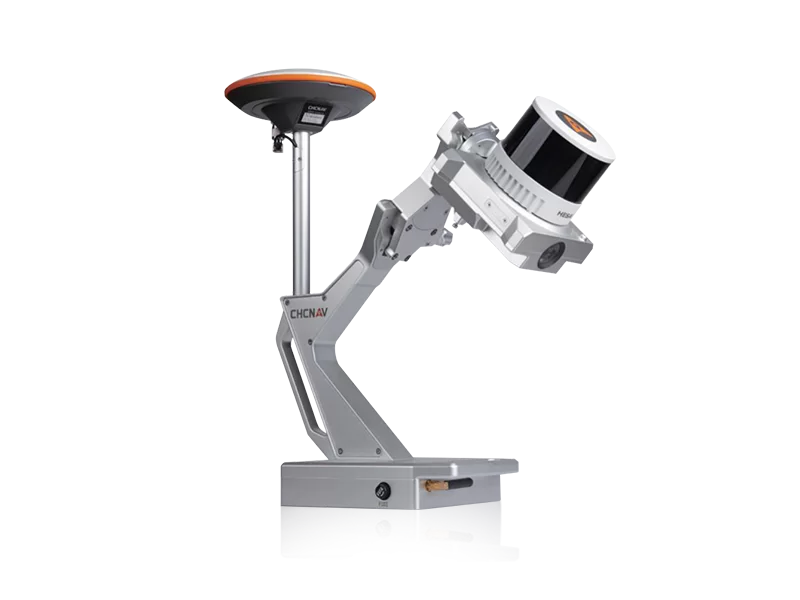
Using a combination of total station and GNSS networks to ensure precise track alignment for Spain's expanding high-speed rail infrastructure.

3. Urban Redevelopment in Madrid and Barcelona

Deploying high-precision surveying equipment for cadastral updates and underground utility mapping in dense urban environments.

4. Vineyard Topographic Mapping in La Rioja

Utilizing gps diferencial to create precise digital elevation models, helping winemakers optimize drainage and irrigation based on slope analysis.

5. Coastal Erosion Monitoring in the Costa del Sol

Applying gnss rtk receiver systems to monitor shoreline changes and guide coastal protection engineering projects with millimeter precision.

Brand Story

Global Development History of Shanghai NCT Navigation Technology Co., Ltd.

Founding Vision

Established to bridge the gap between complex satellite data and practical field application, focusing on accessible precision for all.

Technical Breakthroughs

Developed proprietary RTK algorithms that significantly reduced signal acquisition time in challenging environments.

Global Expansion

Entered the European market, adapting technology to meet the strict regulatory and environmental standards of the EU.

Agricultural Innovation

Pioneered the integration of auto-steering with variable rate application, solving the pain point of fertilizer waste.

Sustainable Future

Committing to carbon-neutral precision farming tools to help global users achieve environmental sustainability goals.

Complete Precision Product Portfolio for Spain

Integrated hardware and software solutions tailored for the Iberian market.

Common Questions in the Spanish Market

Expert answers to technical and operational queries.

How does a gnss rtk receiver handle signal loss in mountainous regions of Spain?

Our receivers use multi-constellation tracking and advanced inertial sensors (IMU) to maintain precision during temporary signal obstructions.

Can the auto steer tractor system be installed on older machinery models?

Yes, our universal steering kits are designed to be compatible with most major tractor brands available in Spain, regardless of the vehicle's age.

What is the difference between a total station and GNSS for urban surveying?

Total stations are superior in "urban canyons" where satellite signals are blocked, while GNSS offers faster coverage for open-field sites.

How often should I calibrate my surveying equipment for maximum accuracy?

We recommend a full calibration annually or after any significant physical impact to ensure adherence to Spanish engineering standards.

Does gps diferencial require a local base station in Spain?

While a local base station provides the highest accuracy, you can also use NTRIP caster services available across various Spanish regions.

What is the average setup time for a professional RTK network?

With our plug-and-play hardware, most professional surveyors in Spain can be operational within 15-30 minutes of arriving on site.

Ready to Optimize Your Precision Workflow?

Contact our specialists today for a tailored consultation on high-precision surveying and guidance solutions in Spain.

Contact Us Now