


Shanghai Newdi Navigation Technology Co.,Ltd

Advanced GNSS RTK Receiver Solutions for Philippines Infrastructure

Empowering Philippine engineering and agriculture with high-precision geospatial intelligence and automated measurement systems.

Advanced GNSS RTK Receiver Solutions for Philippines Infrastructure

Integrating world-class surveying equipment to overcome the complex topographical challenges of the Philippine archipelago.

Current State of Geospatial Measurement in the Philippines

Analyzing the intersection of tropical geography and precision instrument adoption.

The Philippines' unique geography, characterized by over 7,000 islands and dense tropical rainforests, presents significant challenges for traditional land surveying. High humidity and frequent precipitation often degrade the accuracy of older optical instruments, driving a nationwide demand for robust, waterproof surveying equipment that can withstand extreme weather.

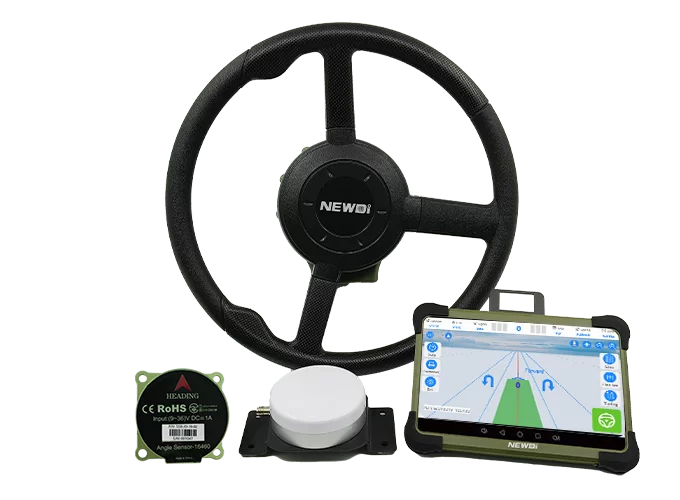
In the agricultural sector, particularly in the central plains of Luzon, there is a growing shift toward precision farming. The adoption of auto steer tractor systems is becoming essential to optimize land use and reduce fuel consumption in rice and sugarcane plantations, moving away from manual guidance.

Infrastructure projects under the "Build Better More" initiative have accelerated the requirement for centimeter-level accuracy. The reliance on gps diferencial systems has surged to ensure that bridge and highway constructions across volatile seismic zones are mapped with absolute precision.
Evolution of Surveying Technology in the Philippines

From manual triangulation to real-time satellite kinematics.

Market Development History

From the 1990s to the early 2000s, the Philippine market relied heavily on mechanical theodolites and early-generation total station units. These tools required extensive manual labor and were highly susceptible to errors caused by the region's high atmospheric refraction.

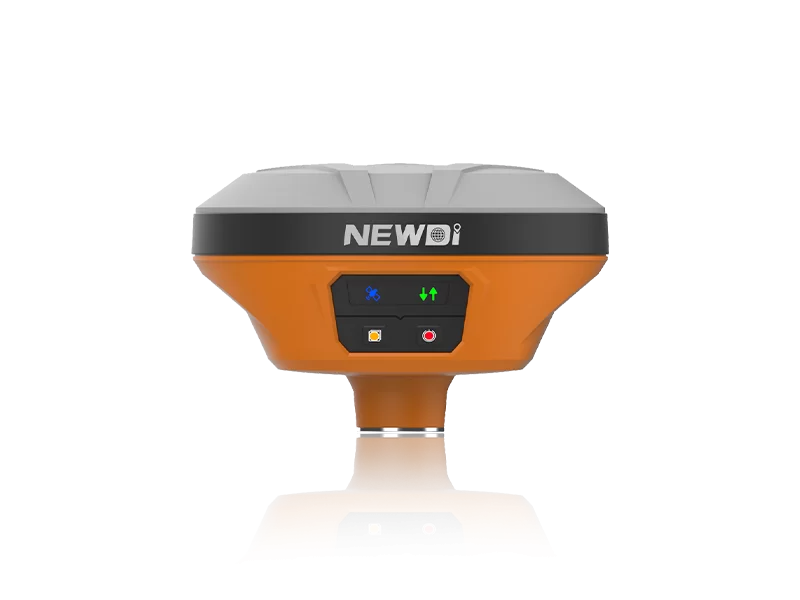
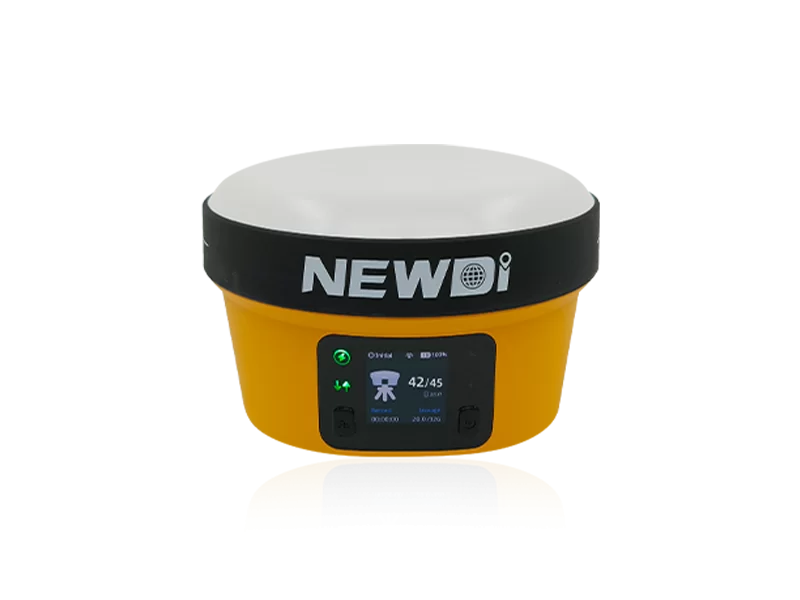
Between 2010 and 2020, the transition to GNSS technology began. The introduction of the gnss rtk receiver allowed engineers to perform surveys in open areas without the need for line-of-sight visibility, drastically reducing the time required for large-scale cadastral mapping.

Currently, the market is entering the "Intelligence Era," where measurement is no longer just about data collection but active control. This is evidenced by the integration of RTK data directly into machinery, enabling autonomous operation in the field.

Future Development Trends

Satellite-Based Augmentation (SBAS) Expansion

Increased reliance on regional SBAS to provide seamless correction data in remote Philippine provinces where physical base stations are scarce.

AI-Integrated Mapping

The fusion of GNSS data with AI to automate the detection of terrain changes and landslides, critical for the disaster-prone regions of Mindanao.

Hybrid Measurement Ecosystems

A shift toward workflows that simultaneously utilize total station precision for urban canyons and RTK for open-field perimeter mapping.

Industry Trends and Future Outlook

Predicting the trajectory of high-precision measurement for the next 5 years.

Hyper-Local RTK Networks
Deployment of dense CORS networks across the Philippines to ensure gps diferencial accuracy in remote islands.
Agritech Automation
Transitioning from simple guidance to full autonomous auto steer tractor fleets for industrial plantations.
Cloud-Based Geospatial Data
Instant synchronization of field data from surveying equipment to centralized urban planning hubs.
Multi-Constellation Synergy
Utilizing GPS, Beidou, and Galileo simultaneously to eliminate signal blockage in mountainous areas.

Industry Outlook

Based on Google search trends for "Precision Agriculture Philippines" and "Digital Land Titling," we anticipate a 25% year-on-year increase in the demand for high-end gnss rtk receiver hardware. The government's push for digital transformation will make high-precision measurement a standard requirement rather than a luxury.

Furthermore, as the Philippines integrates more deeply into the ASEAN smart city framework, the demand for integrated surveying equipment that supports BIM (Building Information Modeling) will become the primary driver for industry growth.

Localized Application Scenarios in the Philippines

Real-world deployments across diverse Philippine terrains.

1. Metro Manila Urban Redevelopment

Using high-precision total station units for the precise layout of the Metro Manila Subway, where signal occlusion requires traditional optical precision combined with digital coordinates.

2. Central Luzon Precision Rice Farming

Deployment of auto steer tractor systems to enable precise seed drilling and fertilizer application, reducing waste in the nation's primary rice bowl.

3. Mindanao Mining Site Topography

Utilizing gnss rtk receiver systems for real-time monitoring of open-pit mine stability and volume calculations in rugged terrain.

4. Visayas Coastal Erosion Mapping

Implementing gps diferencial techniques to track shoreline changes and plan sea-wall constructions for storm surge protection.

5. Nationwide Cadastral Surveying

Employing a full suite of surveying equipment to resolve land boundary disputes and accelerate the digital land titling process for rural landowners.

Brand Story

Global Development Journey of Shanghai NCT Navigation Technology Co., Ltd.

Founding Vision

Established with the mission to bridge the gap between complex satellite data and practical field application in precision measurement.

Technological Breakthrough

Developed proprietary RTK algorithms that significantly reduced convergence time, solving the pain point of slow initialization in challenging environments.

Market Expansion

Expanded operations into Southeast Asia, tailoring equipment to survive tropical climates and high-humidity conditions.

Agricultural Integration

Pioneered the integration of GNSS controllers with heavy machinery, moving beyond surveying into the realm of automated farming.

Global Leadership

Now a trusted provider of geospatial solutions, dedicated to empowering engineers worldwide with accessible, high-precision technology.

Complete Precision Suite for the Philippines Market

A comprehensive portfolio designed for tropical terrain and high-accuracy requirements.

Common Questions on Surveying in the Philippines

Expert answers to local technical and environmental challenges.

How does humidity affect GNSS RTK receiver performance in the Philippines?

High humidity can impact signal propagation. Our receivers are built with industrial-grade seals and advanced filtering to maintain centimeter-level accuracy even during the monsoon season.

Can auto steer tractor systems work on small-scale Philippine farms?

Yes, our systems are scalable. We provide compact guidance solutions that can be retrofitted onto smaller tractors commonly used in provincial agriculture.

Which is better for urban Manila: a total station or GNSS?

In dense urban areas with "urban canyons" (tall buildings), a total station is superior as it doesn't rely on satellite line-of-sight.

What is the advantage of gps diferencial for coastal mapping?

Differential GPS eliminates common atmospheric errors, providing the high precision needed to map subtle changes in tide levels and coastline erosion.

How do I choose the right surveying equipment for mountainous regions?

For mountains, we recommend multi-constellation GNSS receivers that can track more satellites, ensuring a stable fix even when the sky is partially blocked by canopy.

Is RTK training provided for local Philippine engineering firms?

Yes, we provide comprehensive technical onboarding and local support to ensure your team can fully utilize the capabilities of our high-precision receivers.

Get Expert Geospatial Support

Ready to upgrade your infrastructure projects in the Philippines? Our specialists are here to help you choose the perfect precision tools.

Contact Us Now