


Shanghai Newdi Navigation Technology Co.,Ltd

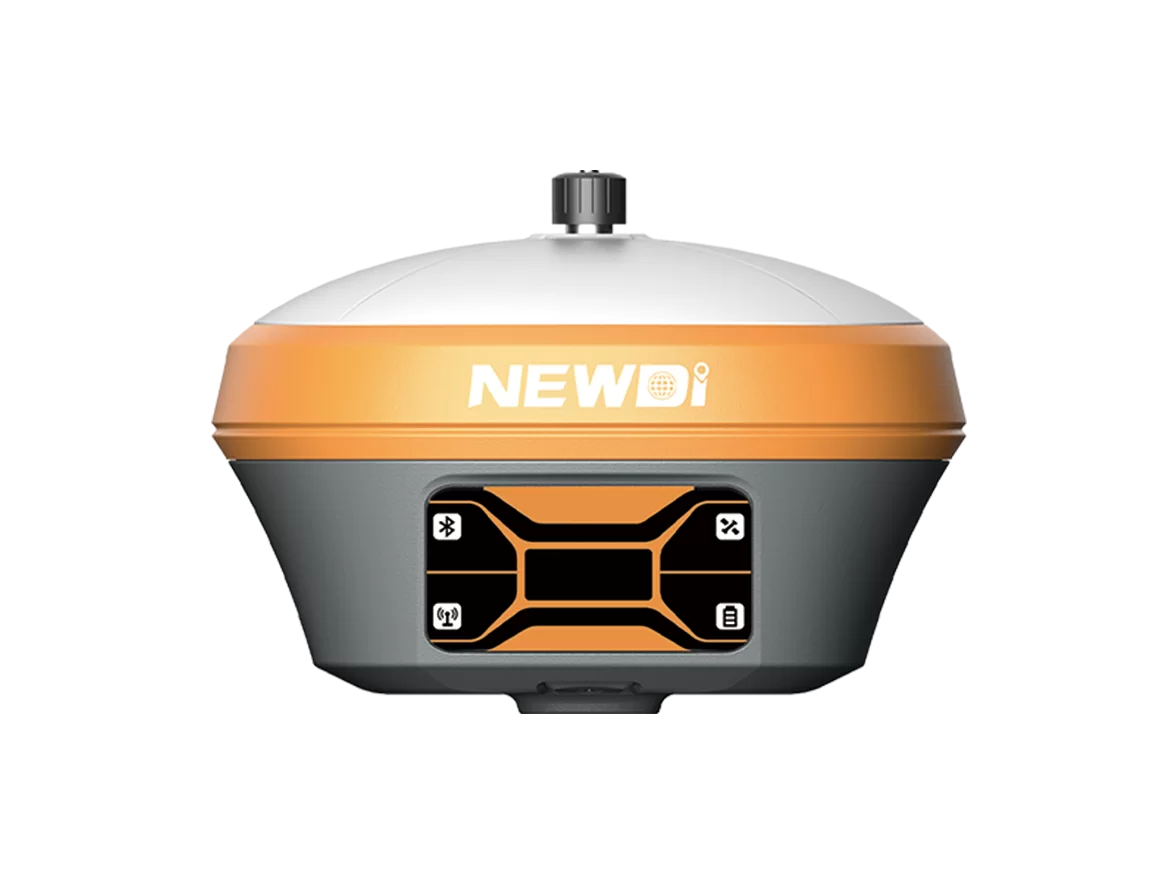
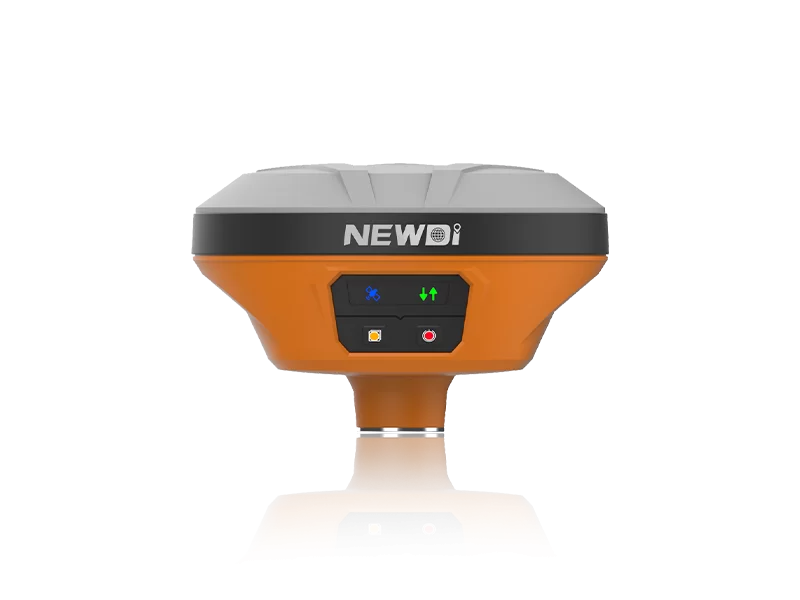
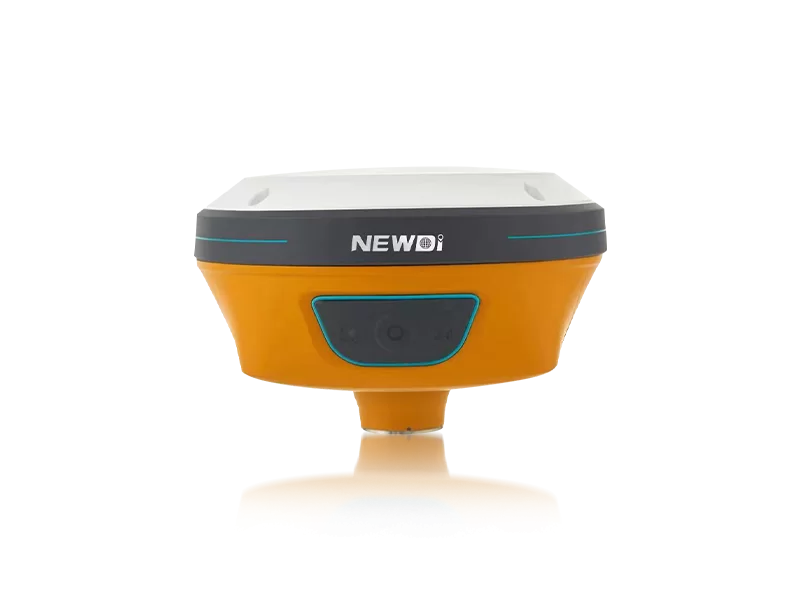
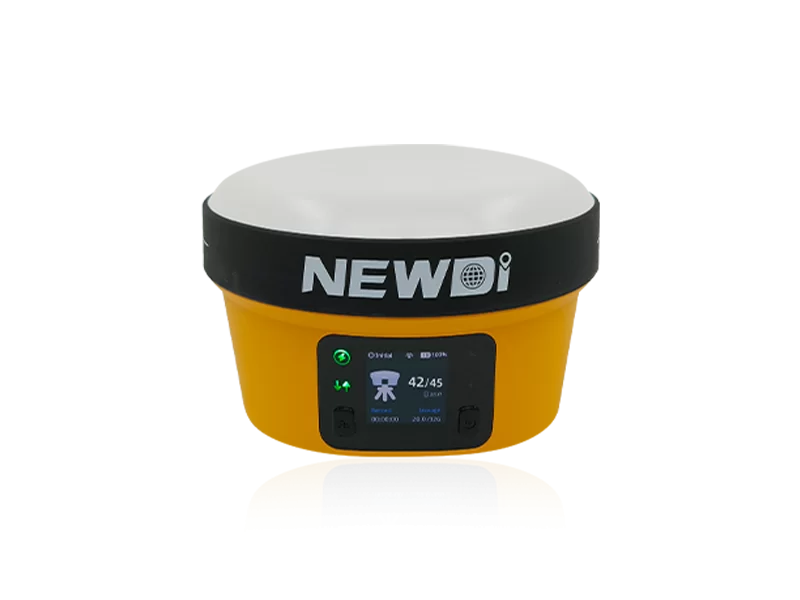
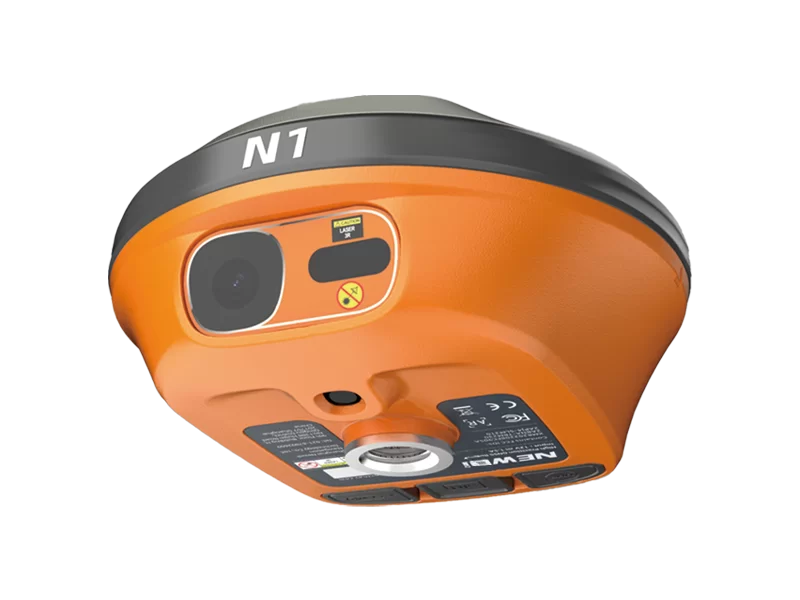
Advanced gnss rtk receiver Solutions for Nigeria's Infrastructure

Empowering Nigerian surveyors and farmers with precision measurement and automated guidance technology to drive national development.

Advanced gnss rtk receiver Solutions for Nigeria's Infrastructure

Providing high-accuracy positioning and measurement tools tailored for the challenging terrains and rapid urbanization across Nigeria, from Lagos to Abuja.

The State of Precision Measurement in Nigeria

Analyzing the adoption of high-tech surveying tools in West Africa's largest economy.

Nigeria's surveying landscape is currently undergoing a massive shift. With large-scale infrastructure projects and agricultural expansion, the demand for reliable surveying equipment has surged. However, professionals often struggle with signal interference in dense urban areas like Lagos and extreme heat conditions that affect equipment calibration.

In the agricultural sector, traditional farming is being challenged by the need for food security. The introduction of auto steer tractor systems is beginning to replace manual steering, reducing overlap and optimizing fertilizer use in the fertile belts of the Middle Belt region.

Furthermore, the reliance on legacy tools is fading as the industry moves toward gps diferencial systems to eliminate common-mode errors, ensuring that land boundary disputes—a common legal issue in Nigeria—are resolved with millimeter-level accuracy.
Evolution of Surveying Technology in Nigeria

From optical measurements to satellite-driven precision.

Market Development History

Before 2010, the Nigerian market relied heavily on traditional theodolites and early-generation total station units. These tools required extensive manual labor and were prone to human error during the data recording process in humid rainforest climates.

Between 2012 and 2018, the transition to GNSS technology accelerated. The adoption of the first wave of RTK receivers allowed surveyors to work faster, though they were often limited by expensive proprietary correction networks and unstable internet connectivity in rural areas.

From 2019 to the present, we have seen the integration of multi-constellation GNSS and automated machinery. The focus has shifted from simple point collection to real-time machine control and autonomous farming, drastically increasing operational efficiency.

Future Development Trends

Integration of AI and Cloud Mapping

Search trends indicate a rising interest in cloud-based GIS integration, allowing Nigerian firms to share real-time survey data across remote project sites instantaneously.

Expansion of Autonomous Agriculture

The trend is moving toward fully autonomous fleets where the tractor is no longer just "steered" but managed via a central digital twin of the farm.

Low-Cost High-Precision Networks

We expect a proliferation of local CORS (Continuously Operating Reference Stations) across Nigeria to make high-accuracy corrections more accessible to small-scale surveyors.

Industry Trends and Future Outlook

Predicting the trajectory of measurement and guidance technology in Nigeria.

Satellite Constellation Expansion
Increased reliance on Beidou and Galileo alongside GPS to ensure signal stability in Nigeria's dense foliage areas.
Agricultural Automation
Transitioning from manual tractor steering to precision-guided autonomous farming to increase crop yield.
Real-time Kinematics (RTK) 2.0
Implementation of network RTK and virtual reference stations to remove the need for physical base stations.
Digital Twin Urbanism
Using precision measurement to create 3D digital twins of Nigerian cities for better urban planning.

Industry Outlook

Over the next 3-5 years, the Nigerian measurement industry will likely see a convergence of hardware and software. The reliance on standalone devices will shift toward integrated ecosystems where data flows from the field to the office in real-time.

Driven by the African Continental Free Trade Area (AfCFTA), Nigerian firms will adopt global standards of precision, making high-end surveying equipment an essential investment rather than a luxury for engineering firms.

Localized Application Scenarios in Nigeria

Practical implementation of precision instruments in the Nigerian environment.

1. Urban Expansion in Lagos State

Utilizing high-precision total station units to map dense urban corridors, ensuring accurate boundary demarcation for new commercial developments and road expansions.

2. Large-Scale Rice Farming in Kebbi

Deploying auto steer tractor systems to manage vast paddy fields, reducing fuel consumption and ensuring perfectly straight rows for mechanized harvesting.

3. Pipeline Monitoring in the Niger Delta

Employing gnss rtk receiver technology for the precise layout and monitoring of oil and gas pipelines, minimizing environmental impact and improving maintenance efficiency.

4. Land Titling Reform in Abuja

Using gps diferencial setups to create definitive digital maps of land parcels, reducing government disputes and accelerating the issuance of Certificates of Occupancy.

5. National Highway Construction

Integrating a full suite of surveying equipment to ensure gradient accuracy and drainage efficiency across the Trans-African Highway segments within Nigeria.

Brand Story

Global Development Journey of Shanghai NCT Navigation Technology Co., Ltd.

Founding Vision

Established with the goal of breaking the monopoly of high-cost precision instruments, providing accessible, industrial-grade GNSS solutions globally.

Technological Breakthrough

Developed proprietary RTK algorithms that significantly reduced initialization time, making real-time surveying faster in challenging environments.

Agricultural Integration

Expanded into machine control, bridging the gap between surveying and farming through robust auto-steering hardware.

Global Market Expansion

Successfully entered the African market, specializing in adapting equipment for high-temperature and high-humidity regions like Nigeria.

Commitment to Excellence

Dedicated to solving the "precision gap" in developing nations by providing continuous technical support and localized training.

Complete Product Portfolio for the Nigerian Market

From basic measurement to fully autonomous guidance systems.

Common Questions in Nigeria

Expert answers to the most frequent queries from Nigerian professionals.

How does a gnss rtk receiver handle signal loss in dense Nigerian forests?

Our receivers utilize multi-constellation tracking and advanced IMU tilt compensation to maintain accuracy and quickly re-acquire a fix after temporary signal interruptions.

Can an auto steer tractor be installed on older tractor models used in Nigeria?

Yes, our steering systems are designed with universal mounting kits that are compatible with most mechanical and hydraulic steering systems found on common tractor brands.

What is the difference between a total station and RTK for land surveying in Abuja?

Total stations are best for high-precision small-area measurements without satellite dependency, while RTK is superior for large-scale mapping and rapid data collection over wide areas.

Why should I choose gps diferencial over standard GPS for Nigerian property boundaries?

Standard GPS has a margin of error of several meters. Differential GPS uses a correction source to provide centimeter-level accuracy, which is critical for legal land boundaries.

What maintenance is required for surveying equipment in humid climates?

Regular cleaning of lenses, using silica gel desiccant in storage cases, and ensuring firmware is updated to handle signal fluctuations caused by atmospheric moisture.

How do I get a correction signal for RTK in rural parts of Nigeria?

You can either set up your own base station or utilize NTRIP services via a local internet connection if a CORS network is available in your region.

Ready to Elevate Your Precision?

Our technical experts are ready to help you deploy the best measurement solutions across Nigeria.

Contact Us Now