


Shanghai Newdi Navigation Technology Co.,Ltd

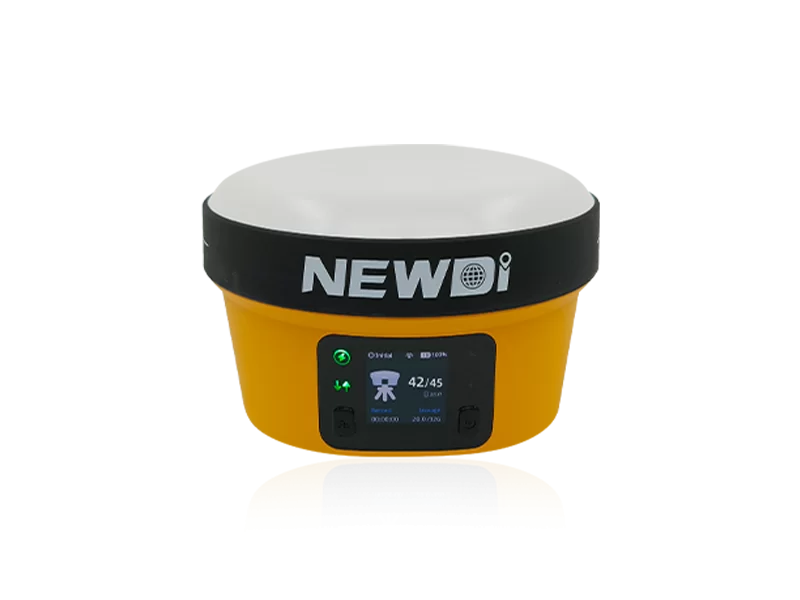
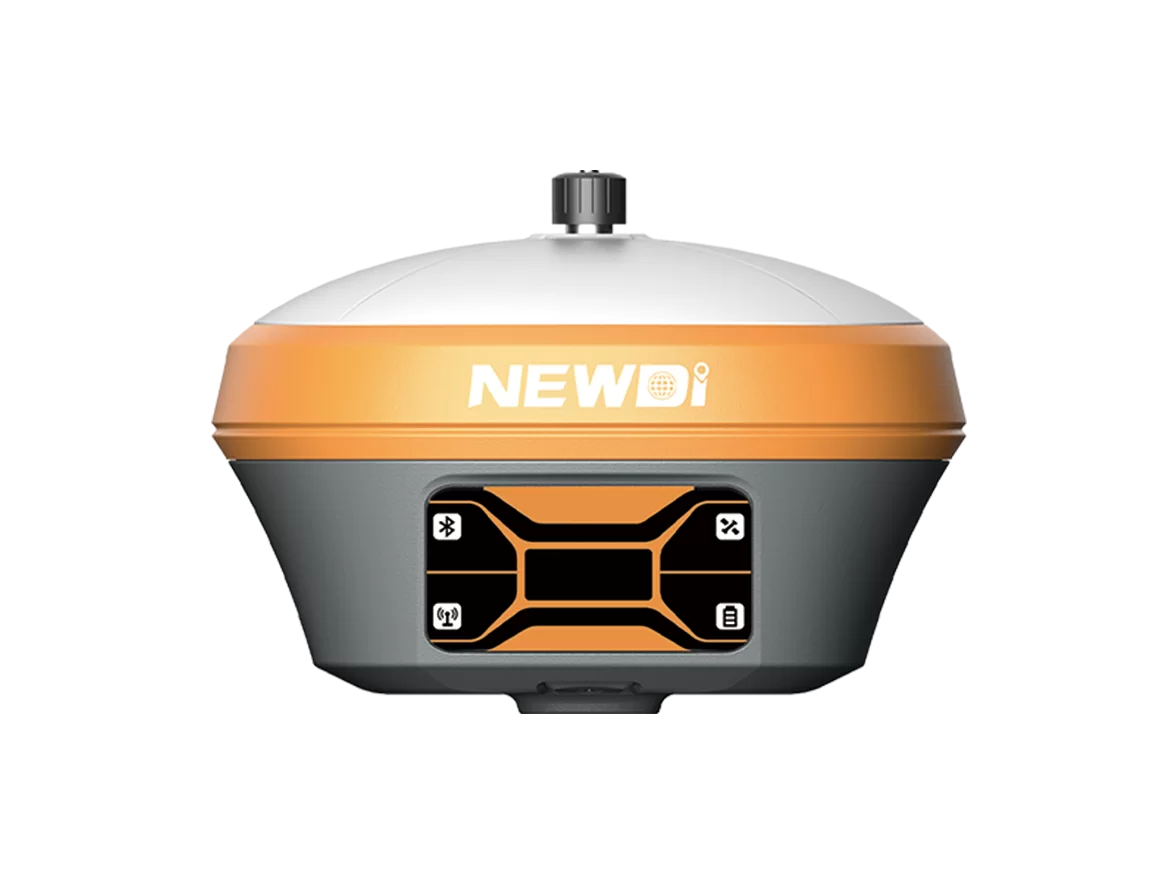
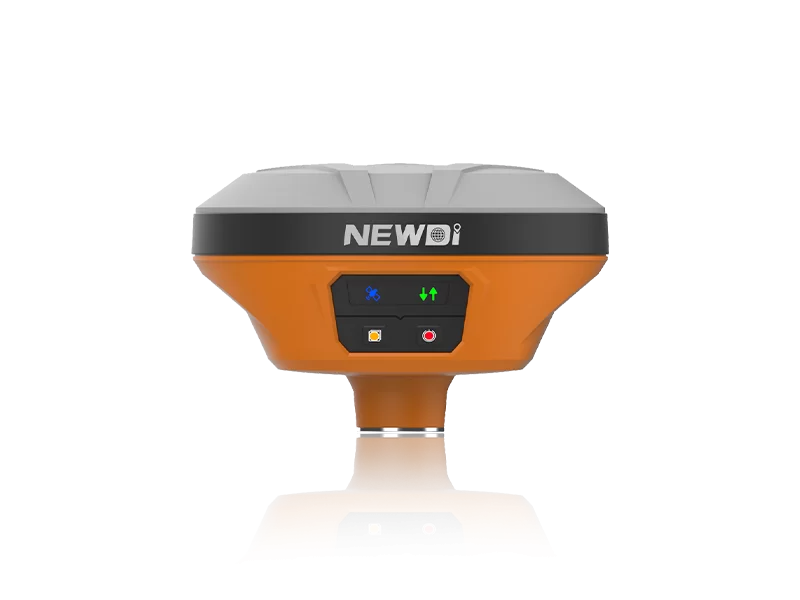
Precision Geospatial Solutions for gnss rtk receiver in Mexico

Empowering Mexican infrastructure and agriculture with high-precision measurement and automated steering technologies for maximum operational efficiency.

Precision Geospatial Solutions for gnss rtk receiver in Mexico

Our comprehensive ecosystem of surveying equipment integrates satellite precision with local Mexican topographical demands to deliver centimeter-level accuracy across diverse terrains.

The State of Precision Measurement in Mexico

Analyzing the current adoption of high-precision GNSS and surveying tools in the Mexican industrial landscape.

Mexico's diverse geography—ranging from the rugged Sierra Madre mountains to the vast coastal plains—creates unique challenges for geospatial data collection. Currently, there is a massive surge in the demand for gps diferencial systems to support the expansion of the "Interoceanic Corridor" and other large-scale logistics infrastructure projects.

In the agricultural heartlands of Sinaloa and Jalisco, the transition toward precision farming is accelerating. Traditional farming methods are being replaced by the integration of auto steer tractor systems to optimize seed placement and reduce fuel consumption, reflecting a broader trend of technological modernization in Mexican agribusiness.

Furthermore, urban expansion in Mexico City and Monterrey has increased the reliance on high-end total station units for precise cadastral surveying. The industry is moving away from isolated hardware toward connected, cloud-based measurement ecosystems that allow real-time data synchronization between field crews and office engineers.

Evolution of Surveying Technology in Mexico

From optical measurements to real-time kinematic satellite positioning.

Market Development History

Until the early 2000s, the Mexican surveying market relied heavily on traditional theodolites and early-generation electronic distance meters. The primary focus was on manual triangulation, which was time-consuming and prone to human error in the challenging tropical climates of the south.

Between 2010 and 2020, the widespread adoption of GNSS technology revolutionized the field. The introduction of robust gnss rtk receiver units allowed Mexican surveyors to move from static observations to real-time kinematic positioning, drastically reducing field time for highway and pipeline construction.

In the current era (2021-present), the focus has shifted toward "intelligent automation." We are seeing the convergence of measurement and machinery, where surveying data directly feeds into the control systems of heavy equipment, enabling a seamless transition from digital design to physical execution.

Future Development Trends

Integration of Multi-Constellation GNSS

Future systems will leverage Beidou, Galileo, GLONASS, and GPS simultaneously to ensure signal stability in deep canyons and urban jungles common in Mexican metropolitan areas.

AI-Driven Automated Layout

The evolution of the total station will involve AI-enhanced target recognition, reducing the need for manual prism holders and increasing safety in hazardous construction zones.

Autonomous Agricultural Ecosystems

The auto steer tractor market will evolve toward fully autonomous fleets that operate based on high-resolution RTK maps without requiring a human operator in the cabin.

Industry Outlook and Future Prospects

Strategic forecasting for the measurement and instrumentation sector in the North American region.

Hyper-Precision RTK
Transitioning from centimeter to millimeter-level real-time accuracy for critical industrial alignments.
Edge Computing Integration
Processing geospatial data at the sensor level to reduce latency in automated machinery.
Agricultural IoT
Connecting RTK receivers with soil sensors for variable-rate application based on precise maps.
BIM-Field Synergy
Real-time synchronization between Building Information Modeling (BIM) and field equipment.

Industry Outlook

Looking at Google search trends in the region, there is a significant increase in queries related to "precision agriculture Mexico" and "low-cost RTK solutions." This indicates a democratization of technology where small-to-medium enterprises are now seeking professional-grade measurement tools.

Over the next 3-5 years, we expect a total shift toward "Hardware-as-a-Service" (HaaS), where Mexican firms will prioritize subscription-based correction services over one-time hardware purchases, ensuring they always have the latest satellite constellation updates.

Localized Application Scenarios in Mexico

Real-world deployments of our measurement technology across diverse Mexican industries.

01. Maya Train Infrastructure Alignment

Using high-precision surveying equipment to ensure accurate track alignment across the challenging karst topography of the Yucatán Peninsula.

02. Precision Maize Farming in Sinaloa

Implementation of auto steer tractor systems to optimize row spacing and reduce overlap, increasing crop yield for export-grade maize.

03. Urban Cadastral Mapping in CDMX

Utilizing the latest total station technology to resolve complex land boundary disputes in the densely populated Mexico City metropolitan area.

04. Mining Topography in Sonora

Deploying gnss rtk receiver networks to monitor open-pit mine stability and volume calculations in real-time with millimeter precision.

05. Hydraulic Infrastructure in Bajío

Applying gps diferencial systems to design precise gravity-fed irrigation channels, ensuring water efficiency in the arid central highlands.

Brand Story

Global Development Journey of Shanghai NCT Navigation Technology Co., Ltd.

The Foundation of Precision

Founded with a mission to bridge the gap between satellite data and physical execution, NCT Navigation began by solving fundamental signal noise issues in RTK positioning.

Agricultural Revolution

We pivoted toward the "Intelligence of Soil," developing steering controllers that turned standard tractors into precision instruments, reducing waste worldwide.

Global Market Expansion

Expanding beyond Asia, we established a strong presence in North America, tailoring our algorithms to handle the unique ionospheric conditions of the region.

Technological Integration

We integrated multi-sensor fusion, combining IMU and GNSS to ensure that precision is maintained even during temporary satellite signal loss.

Defining the Future

Today, NCT Navigation stands as a leader in geospatial intelligence, dedicated to empowering engineers and farmers in Mexico and beyond with reliable, high-accuracy tools.

Complete Precision Portfolio for the Mexican Market

From high-end receivers to automated steering kits, designed for the toughest environments.

Frequently Asked Questions - Mexico Region

Expert answers to common technical and commercial queries regarding geospatial equipment.

How does a gnss rtk receiver handle signal interference in dense urban areas of Mexico City?

Our receivers utilize multi-frequency, multi-constellation tracking and advanced filtering algorithms to maintain a lock on satellites even in "urban canyons," ensuring stable centimeter-level precision.

Can the auto steer tractor system be installed on older machinery models used in Mexican farms?

Yes, our systems are designed for universal compatibility. We offer both electric and hydraulic steering kits that can be retrofitted to most tractor brands available in Mexico.

What is the main difference between a total station and a gps diferencial for land surveying?

A total station uses optical measurement for extreme precision over short distances, while a GPS diferencial (DGPS) uses satellite signals for broad area coverage with high accuracy across large landscapes.

Is specialized training required to operate professional surveying equipment in the field?

While basic operation is intuitive, we provide comprehensive technical training for Mexican teams to ensure they can maximize the potential of RTK and total station data processing.

How do I ensure the accuracy of my RTK base station in remote Mexican regions?

We recommend using a known CORS (Continuously Operating Reference Station) network or a calibrated base station with high-stability antennas to ensure a consistent correction stream.

What are the most cost-effective surveying equipment bundles for small engineering firms in Mexico?

We offer modular bundles that combine a compact GNSS receiver with a lightweight controller, providing the essential tools for topographic surveys without unnecessary overhead.

Ready to Elevate Your Precision?

Contact our expert consultants today to find the perfect geospatial solution for your project in Mexico.

Contact Us Now