
Mali's geography, characterized by vast arid plains and the critical Niger River basin, presents extreme environmental conditions. The high temperatures and dust storms often interfere with traditional optical measurement tools, creating an urgent demand for robust total station systems that can withstand harsh climates.
In the agricultural sector, which is the backbone of the Malian economy, there is a significant gap in precision. The transition from manual land demarcation to digital mapping is slow, yet essential for improving irrigation efficiency and land tenure security through accurate gps diferencial technology.
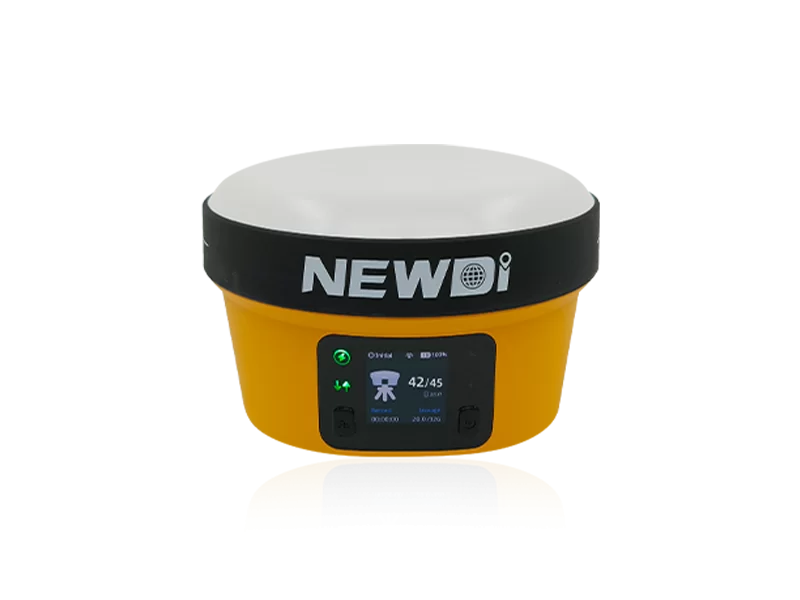
Currently, the market in Mali is seeing a shift toward satellite-based positioning. As the government invests in urban development and mining, the adoption of high-end surveying equipment is accelerating to ensure the structural integrity of new highways and industrial zones.