

Shanghai Newdi Navigation Technology Co.,Ltd

High-Precision GNSS RTK Receiver Solutions for Mali

Empowering Mali's infrastructure and agriculture with world-class surveying and positioning technology for maximum efficiency and accuracy.

High-Precision GNSS RTK Receiver Solutions for Mali

Integrating advanced surveying equipment to solve the unique geographical and technical challenges of the Malian landscape.

Surveying Landscape in Mali

Navigating the challenges of measurement in the Sahel region.

Mali's geography, characterized by vast arid plains and the critical Niger River basin, presents extreme environmental conditions. The high temperatures and dust storms often interfere with traditional optical measurement tools, creating an urgent demand for robust total station systems that can withstand harsh climates.

In the agricultural sector, which is the backbone of the Malian economy, there is a significant gap in precision. The transition from manual land demarcation to digital mapping is slow, yet essential for improving irrigation efficiency and land tenure security through accurate gps diferencial technology.

Currently, the market in Mali is seeing a shift toward satellite-based positioning. As the government invests in urban development and mining, the adoption of high-end surveying equipment is accelerating to ensure the structural integrity of new highways and industrial zones.
Evolution of Precision Measurement in Mali

From manual triangulation to real-time kinematic satellite positioning.

Market Development History

During the late 20th century, surveying in Mali relied heavily on mechanical theodolites and manual calculations, which were time-consuming and prone to human error, especially in the expansive rural regions.

By the 2010s, the introduction of electronic total station devices revolutionized the industry, allowing for faster data collection and digital storage, primarily serving the mining sector in the north.

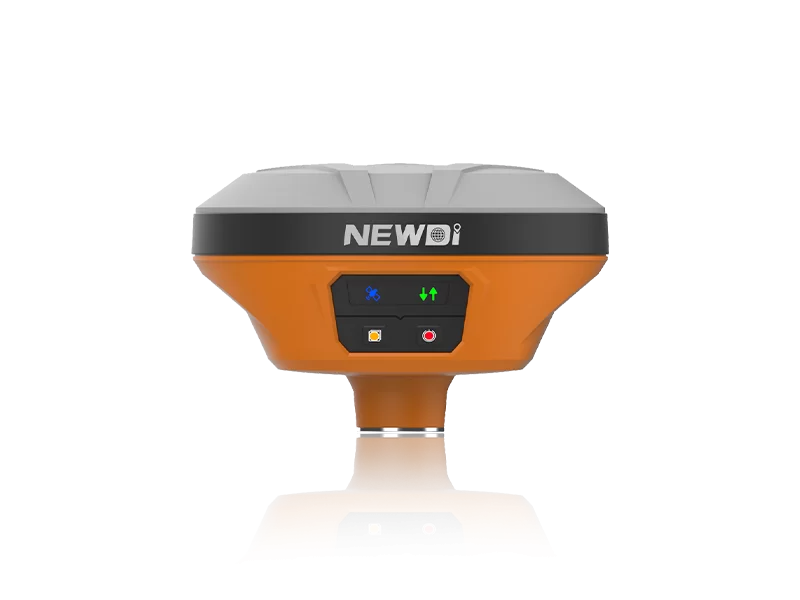
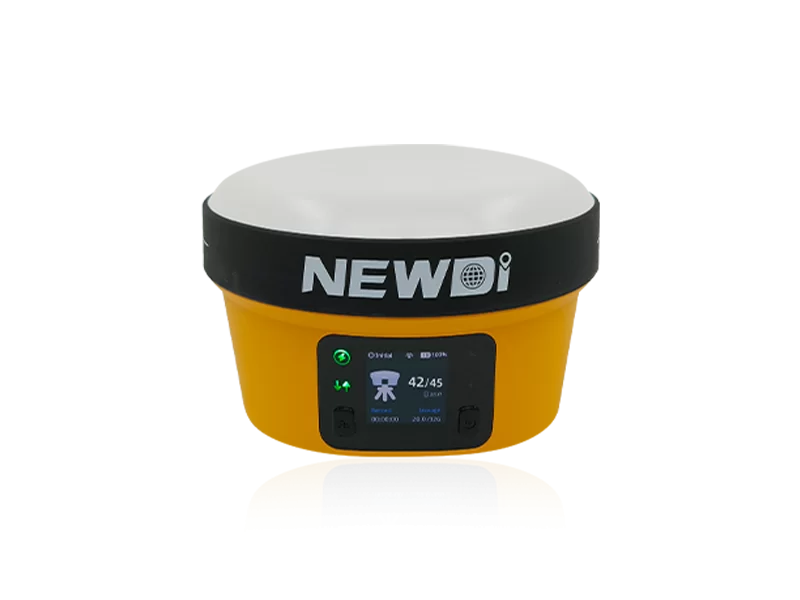
From 2018 onwards, the shift toward GNSS technology became prominent. The deployment of gnss rtk receiver units has enabled centimeter-level accuracy in real-time, drastically reducing the cost of large-scale topographic surveys.

Future Development Trends

Autonomous Farming Integration

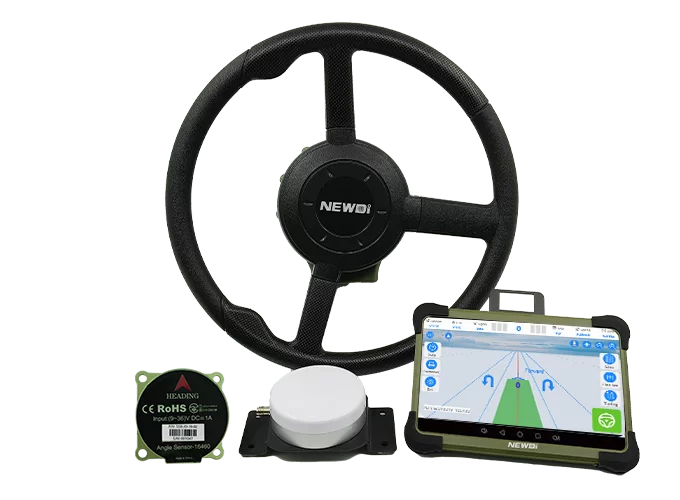
We predict a surge in the adoption of auto steer tractor systems to optimize seed distribution and reduce overlap in the Office du Niger irrigation zone.

Cloud-Based GIS Mapping

The integration of RTK data with cloud-based Geographic Information Systems (GIS) will allow Malian authorities to monitor land use changes in real-time via satellite imagery.

Low-Cost High-Precision Access

Driven by global trends, we expect more affordable gps diferencial solutions to enter the market, empowering small-scale farmers and local contractors.

Industry Trends and Future Outlook

Strategic foresight for the measurement and navigation industry in Mali.

Satellite Convergence
Multi-constellation support (GPS, GLONASS, Beidou, Galileo) to ensure signal stability in Mali's remote desert areas.
Agricultural Automation
Increasing demand for auto steer tractor systems to optimize fuel and seed usage in large farms.
Mining Precision
Using high-precision gps diferencial to optimize open-pit mining excavation and safety.
RTK Network Expansion
The growth of CORS stations in Bamako and other cities to provide seamless RTK corrections.

Industry Outlook

The Malian measurement market is transitioning from sporadic project-based purchases to a systemic integration of precision technology. As urban centers expand, the need for an integrated ecosystem of surveying equipment will drive GDP growth in the construction sector.

Furthermore, the synergy between satellite positioning and autonomous machinery will define the next era of Malian agriculture, moving toward a sustainable model of "Smart Farming" that conserves water and soil.

Localized Application Scenarios in Mali

Practical implementations of precision instruments across Malian industries.

1. Niger River Basin Irrigation Mapping

Using gnss rtk receiver to map complex irrigation canals, ensuring precise water flow gradients and preventing soil erosion in the fertile delta regions.

2. Gold Mine Topographic Surveys

Deploying total station units in Kayes and Sikasso mining sites for high-accuracy volume calculations of ore stockpiles and pit wall stability monitoring.

3. Urban Planning in Bamako

Implementing gps diferencial systems for land registry and cadastral surveys to resolve land disputes and organize urban expansion.

4. Precision Cotton Farming

Integrating auto steer tractor technology in the cotton-growing regions to ensure perfectly straight rows, reducing seed waste and optimizing pesticide application.

5. National Highway Construction

Utilizing a comprehensive suite of surveying equipment for the alignment and grading of new interstate roads, connecting remote northern towns to the capital.

Brand Story

Global Development Journey of Shanghai NCT Navigation Technology Co., Ltd.

Foundation of Precision

Founded with a vision to bridge the gap between complex satellite data and practical field application, focusing on high-reliability GNSS modules.

Technological Breakthrough

Developed proprietary RTK algorithms that significantly reduced convergence time, enabling faster deployment in challenging environments.

Global Market Expansion

Extended operations to Africa and Asia, adapting products to handle extreme temperatures and dust, specifically for the African market.

Agricultural Revolution

Launched the automated steering series, transforming traditional farming into precision agriculture for developing economies.

Commitment to Sustainability

Our current mission is to provide accessible, high-precision tools that reduce waste and increase food security globally.

Complete Precision Portfolio for Mali

A curated selection of instruments designed for the Malian climate and terrain.

Common Questions in Mali

Expert answers to the most frequent technical queries from our local users.

How does a GNSS RTK receiver perform in the Mali desert?

Our receivers are built with industrial-grade housing and thermal management to ensure stable performance despite the high temperatures and sandy conditions of the Sahel.

Can I install an auto steer tractor system on older machinery?

Yes, our systems are designed for universal compatibility, allowing for retrofitting onto most tractor brands commonly used in Mali.

What is the difference between a total station and GPS differential for land mapping?

A total station is best for high-precision short-distance work without satellite dependency, while GPS differential is ideal for large-scale topographic surveys across vast areas.

Which surveying equipment is best for the Niger River basin?

We recommend a combination of RTK receivers for rapid boundary mapping and total stations for precise engineering of irrigation dikes.

How often should I calibrate my surveying instruments in dusty environments?

Due to the high dust levels in Mali, we recommend weekly cleaning and monthly calibration checks to maintain centimeter-level accuracy.

Does the RTK receiver require a local base station in rural Mali?

Depending on the network availability, you can use either a local base station or a network RTK service if a CORS station is available in your region.

Ready to Elevate Your Precision?

Our experts are ready to provide tailored surveying and navigation solutions for your projects in Mali.

Contact Us Now