

Rwanda's unique mountainous terrain and high altitude present significant challenges for traditional geospatial data collection. Currently, the demand for high-precision surveying equipment is surging as the government accelerates urban planning in Kigali and expands rural road networks across the provinces.
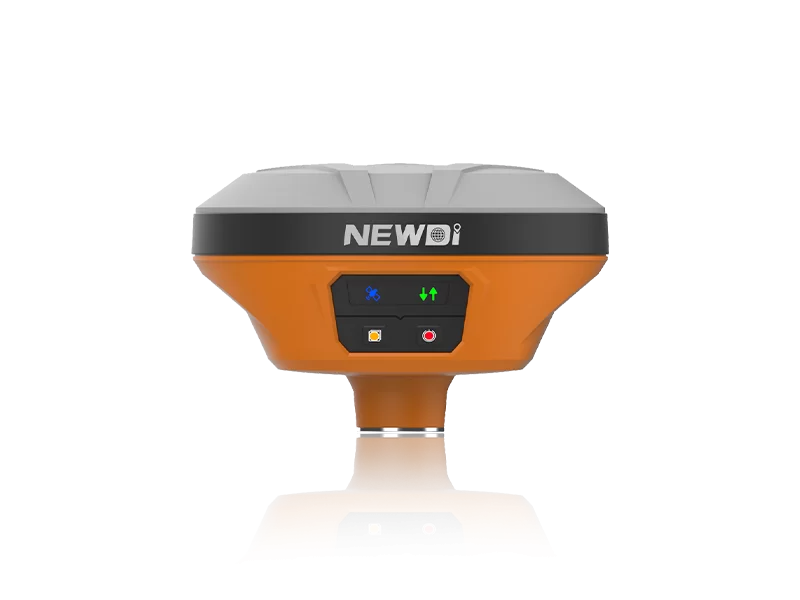
In the agricultural sector, which is the backbone of Rwanda's economy, there is a transition from manual land demarcation to the use of gps diferencial systems. This shift is critical for optimizing land use in densely populated hilly regions where boundary precision is paramount to avoid disputes.
Despite the progress, many local firms still rely on outdated tools. The integration of a modern total station remains essential for construction projects, but the industry is rapidly pivoting towards satellite-based corrections to overcome the visibility limitations of dense Rwandan vegetation.