

Shanghai Newdi Navigation Technology Co.,Ltd

Advanced GNSS RTK Receiver Solutions for Rwanda's Infrastructure

Precision positioning and automated guidance systems tailored for the unique topography and agricultural landscape of Rwanda.

Advanced GNSS RTK Receiver Solutions for Rwanda's Infrastructure

Empowering Rwandan engineers and farmers with world-class surveying equipment to ensure millimeter-level accuracy in land management and crop production.

Precision Measurement Landscape in Rwanda

Analyzing the current state of surveying and geospatial technology in the Land of a Thousand Hills.

Rwanda's unique mountainous terrain and high altitude present significant challenges for traditional geospatial data collection. Currently, the demand for high-precision surveying equipment is surging as the government accelerates urban planning in Kigali and expands rural road networks across the provinces.

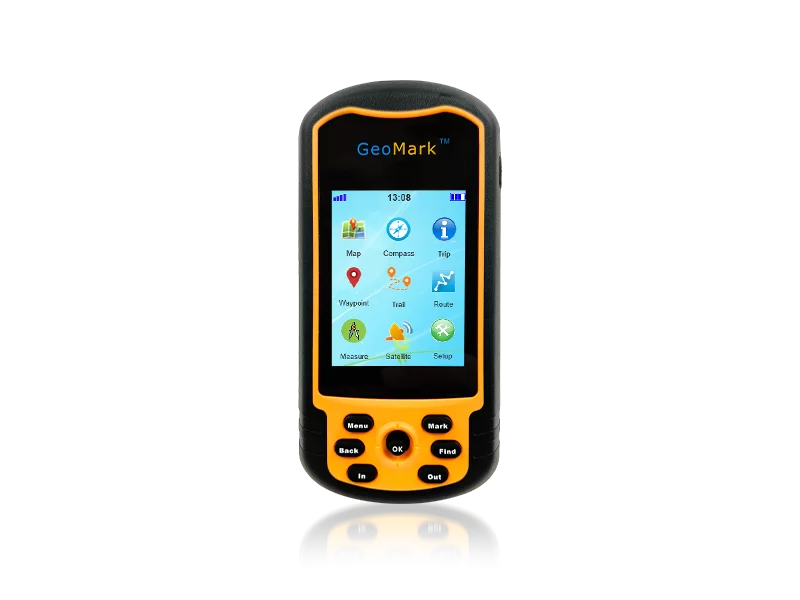
In the agricultural sector, which is the backbone of Rwanda's economy, there is a transition from manual land demarcation to the use of gps diferencial systems. This shift is critical for optimizing land use in densely populated hilly regions where boundary precision is paramount to avoid disputes.

Despite the progress, many local firms still rely on outdated tools. The integration of a modern total station remains essential for construction projects, but the industry is rapidly pivoting towards satellite-based corrections to overcome the visibility limitations of dense Rwandan vegetation.
Evolution of Surveying Technology in Rwanda

From optical measurements to autonomous satellite-guided systems.

Market Development History

Until the early 2010s, Rwanda's surveying sector relied heavily on traditional optical instruments and basic GPS. The primary method for land registration involved manual labor and basic triangulation, which were slow and prone to human error given the rugged terrain.

Between 2015 and 2020, the "Digital Rwanda" initiative sparked a transition toward electronic data collection. The introduction of the total station became standard for urban development, allowing for more complex architectural planning and faster infrastructure deployment.

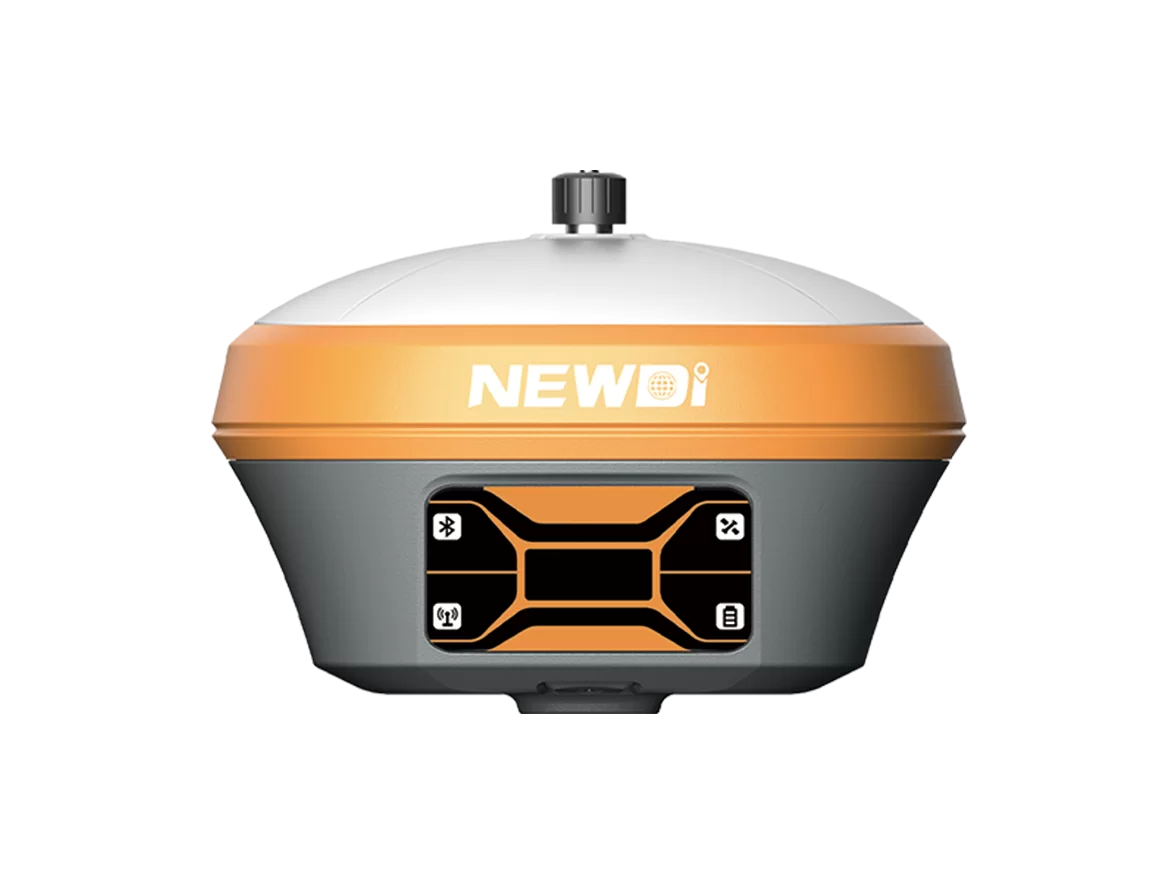
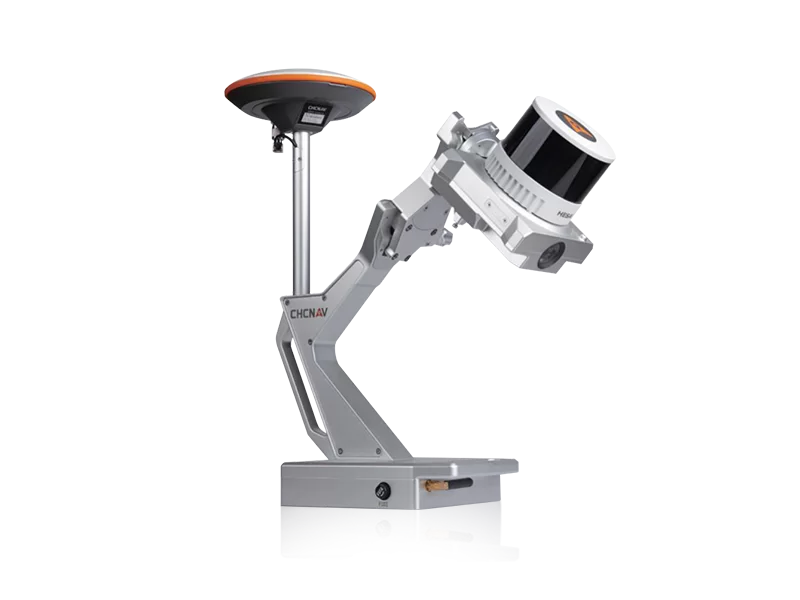
From 2021 to the present, we have seen the explosion of RTK (Real-Time Kinematic) technology. The adoption of the gnss rtk receiver has revolutionized cadastral surveys, enabling real-time centimeter-level accuracy without the need for extensive manual baselines.

Future Development Trends

Integration of AI and GNSS

Expect a shift towards AI-driven data processing where surveying equipment automatically filters multipath errors caused by Rwanda's steep slopes.

Autonomous Agricultural Guidance

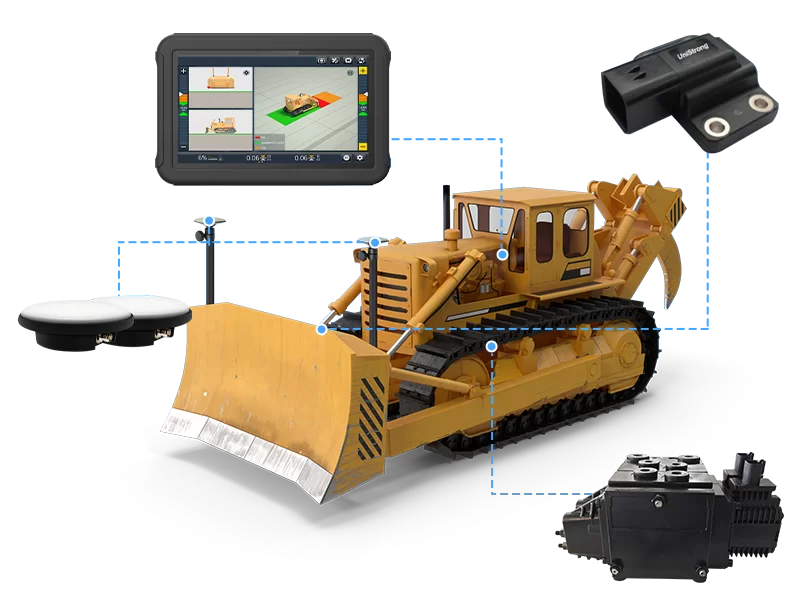
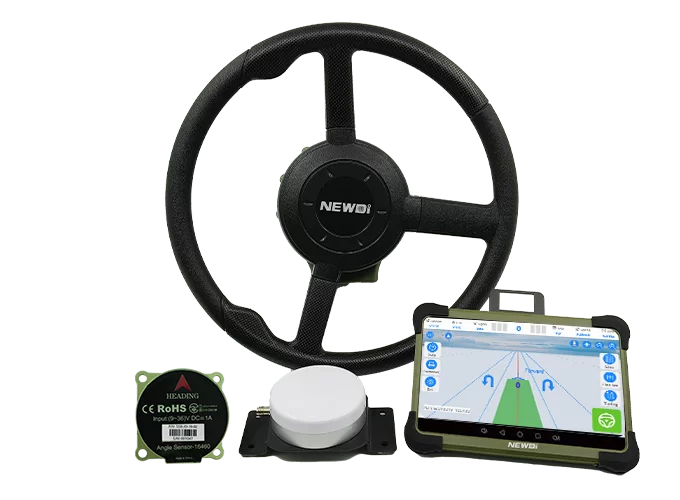
The rise of the auto steer tractor will enable precision farming on terraced hills, reducing overlap and optimizing fertilizer application.

Cloud-Based Geospatial Ecosystems

A move toward real-time cloud synchronization of gps diferencial data, allowing government agencies to monitor land changes in real-time.

Industry Trends and Future Outlook

Predicting the trajectory of precision measurement in the East African hub.

Hyper-Precision RTK
Moving beyond centimeters to millimeter accuracy for critical bridge and tunnel construction in Rwandan highlands.
Agri-Tech Automation
Widespread deployment of guidance systems to maximize crop yields in Rwanda's coffee and tea plantations.
Multi-Constellation Support
Increasing reliance on Beidou, Galileo, and GLONASS to ensure signal stability in deep valleys.
Eco-Friendly Mapping
Using high-precision data to manage reforestation efforts and prevent soil erosion in the Western Province.

Industry Outlook

Based on current search trends in East Africa, there is a growing shift toward "accessible precision." Rwandan SMEs are no longer looking for just any hardware, but for integrated ecosystems that combine a gnss rtk receiver with user-friendly software for rapid deliverables.

The convergence of the IoT and geospatial technology will likely lead to the deployment of permanent CORS (Continuously Operating Reference Stations) across Rwanda, further reducing the cost of using gps diferencial services for local surveyors.

Local Application Scenarios in Rwanda

Practical implementation of precision instruments in Rwanda's key sectors.

1. Urban Planning in Kigali

Using a total station for high-density building layouts and road expansions in the capital, ensuring strict adherence to city master plans.

2. Terraced Farmland Optimization

Implementing an auto steer tractor system to manage narrow, terraced crop rows, reducing seed waste and increasing efficiency in potato and maize farming.

3. National Land Registry Updates

Deploying gnss rtk receiver units for rapid boundary demarcation, helping the Rwandan government resolve land tenure issues with legal precision.

4. Hydroelectric Dam Construction

Utilizing gps diferencial technology to monitor structural deformation and site leveling for energy projects in the river basins.

5. Forest Conservation Mapping

Applying advanced surveying equipment to map protected areas and wildlife corridors, ensuring sustainable environmental management.

Brand Story

Global Development Journey of Shanghai NCT Navigation Technology Co., Ltd.

Founding Vision

Started with a mission to democratize precision positioning, focusing on high-performance GNSS modules for industrial use.

Technical Breakthrough

Developed proprietary RTK algorithms that significantly reduced convergence time, solving the "cold start" pain point for surveyors.

Global Expansion

Extended operations into Africa and Southeast Asia, adapting hardware to withstand extreme humidity and temperature fluctuations.

Agricultural Revolution

Launched the autonomous guidance series, bringing "smart farming" to emerging markets through affordable auto-steering solutions.

Commitment to Excellence

Continuing to innovate in the field of measurement, ensuring that every engineer in Rwanda has access to world-class precision.

Complete Precision Portfolio for Rwanda

Integrated hardware and software solutions for every surveying and farming need.

Common Questions in Rwanda

Expert answers to the most frequent technical queries from our Rwandan clients.

How does a GNSS RTK receiver perform in Rwanda's hilly terrain?

Our receivers utilize multi-constellation tracking (GPS, GLONASS, Beidou, Galileo) to maintain a stable fix even in deep valleys where signal blockage is common.

Can an auto steer tractor be installed on older tractor models common in Rwanda?

Yes, our universal steering kits are designed for compatibility with most mechanical and hydraulic steering systems, regardless of the tractor's age.

What is the difference between a total station and RTK for land surveying?

A total station is superior for short-range, high-precision construction layouts, while RTK is far more efficient for large-scale land mapping and boundary surveys.

How does gps diferencial improve accuracy in agricultural mapping?

Differential GPS uses a fixed base station to correct atmospheric errors in real-time, bringing accuracy from meters down to centimeters.

What maintenance is required for surveying equipment in Rwanda's climate?

We recommend regular calibration and the use of moisture-resistant protective cases to prevent humidity from affecting the electronic components.

Is there technical support available for GNSS tools in Rwanda?

We provide comprehensive remote technical support and detailed online documentation to ensure your equipment operates at peak performance.

Get Your Precision Solution Today

Ready to upgrade your infrastructure or farming capabilities in Rwanda? Our experts are here to help.

Contact Us Now