
Shanghai Newdi Navigation Technology Co.,Ltd

Precision GNSS RTK Receiver Solutions for Uruguay's Infrastructure

Empowering Uruguayan surveying and agriculture with world-class geospatial accuracy and automated steering technology.

Precision GNSS RTK Receiver Solutions for Uruguay's Infrastructure

Integrating advanced surveying equipment to optimize land management and agricultural productivity across the Uruguayan landscape.

Current State of Geospatial Measurement in Uruguay

Analyzing the adoption of high-precision positioning in the Southern Cone.

Uruguay's geography, characterized by rolling plains and a strong agricultural backbone, demands high-precision gps diferencial systems. The current market is shifting from traditional manual surveying to automated digital mapping to support the nation's expanding agribusiness sector.

In urban centers like Montevideo, the demand for a precise total station has grown alongside infrastructure modernization. Engineers are increasingly integrating GNSS data with optical measurements to ensure centimeter-level accuracy in complex urban environments.

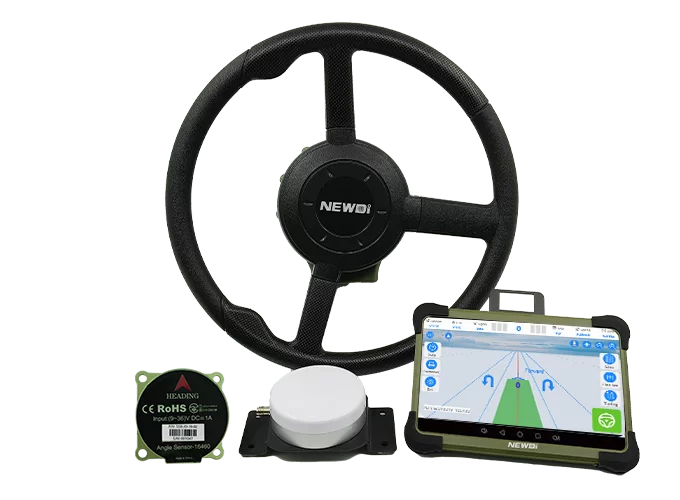
The agricultural sector, specifically in the soy and beef production regions, is rapidly adopting auto steer tractor technology to reduce overlap and fuel consumption, reflecting a broader trend toward precision farming within South America.
Evolution of Surveying Technology in Uruguay

From optical benchmarks to real-time satellite kinematics.

Market Development History

Until the early 2000s, Uruguayan land surveying relied heavily on mechanical theodolites and basic optical tools. This era was defined by labor-intensive field work and significant time delays in data processing.

Between 2010 and 2020, the introduction of digital total stations and initial GPS applications transformed the industry. The establishment of more robust CORS (Continuously Operating Reference Stations) networks across Uruguay enabled the transition to RTK workflows.

Currently, the market has entered the era of "Smart Agriculture," where the integration of an auto steer tractor with satellite corrections has become a competitive necessity for large-scale estates.

Future Development Trends

AI-Integrated Mapping

We anticipate a shift toward AI-driven data analysis where surveying equipment automatically classifies terrain types in real-time.

Multi-Constellation Convergence

Future systems will move beyond GPS, utilizing Galileo and Beidou simultaneously to maintain connectivity in the varied Uruguayan canopy and urban canyons.

Autonomous Field Machinery

The evolution of steering systems will lead to fully autonomous tractors, reducing human error and maximizing land utility through precise GPS guidance.

Industry Trends and Future Outlook

Navigating the next frontier of precision measurement.

Real-Time Kinematics Expansion
Increasing reliance on RTK networks for instantaneous centimeter-level corrections in remote Uruguayan fields.
Agri-Tech Automation
Integration of steering systems with soil sensors to automate variable rate application.
Cloud-Based GIS Mapping
Direct synchronization from field receivers to cloud servers for immediate project management.
Hybrid Measurement Ecosystems
Combining laser scanning, GNSS, and optical tools for complete digital twins of land assets.

Industry Outlook

The Uruguayan market is expected to see a CAGR increase in high-precision hardware adoption as the government pushes for "Smart Country" initiatives. The focus will shift from simply acquiring data to the intelligent application of that data for sustainability.

We predict that within 5 years, the use of gps diferencial will be standard in all commercial farming, moving from a luxury tool to a basic operational requirement.

Localized Application Scenarios in Uruguay

Real-world deployments of precision instruments across diverse terrains.

1. Precision Soy Cultivation in Artigas

Implementing auto steer tractor systems to optimize planting rows, reducing seed waste and ensuring uniform crop distribution across vast plains.

2. Urban Expansion Mapping in Montevideo

Utilizing a high-performance total station to define boundaries and infrastructure alignments in the densely populated capital area.

3. Cattle Ranching Boundary Definition

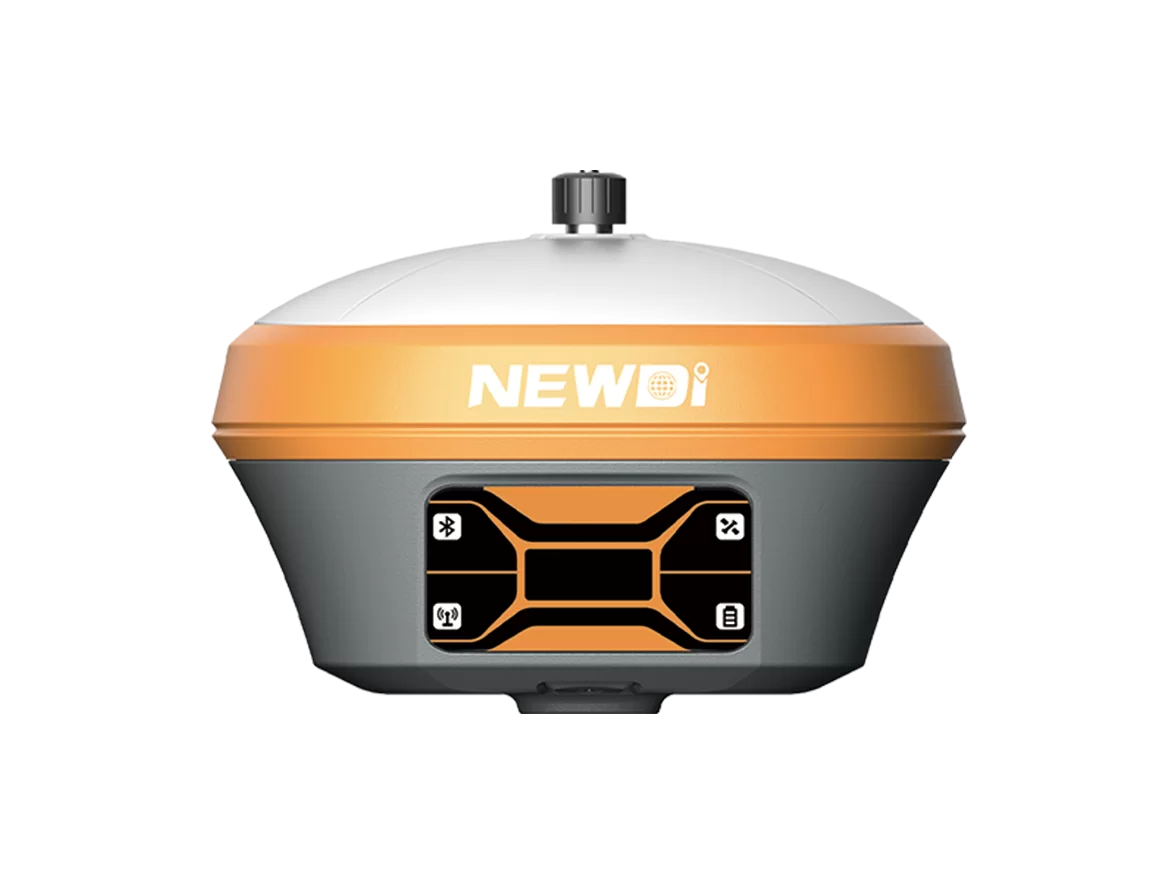
Using a gnss rtk receiver to accurately map fences and grazing zones for sustainable livestock management in the interior regions.

4. Road Infrastructure Projects in Canelones

Deploying surveying equipment for precise grading and elevation control during highway expansion and bridge construction.

5. Hydrographic Surveying along the Rio de la Plata

Applying gps diferencial techniques to map coastal erosion and manage port logistics with extreme coordinate accuracy.

Brand Story

Global Development Journey of Shanghai NCT Navigation Technology Co., Ltd.

Foundation of Precision

Established with a vision to democratize high-precision GNSS technology, focusing on bridging the gap between industrial power and user-friendly interfaces.

Technological Breakthroughs

Developed proprietary RTK algorithms that significantly reduced initialization times, enabling faster deployments for field surveyors.

Global Market Expansion

Expanded operations into South America, tailoring equipment to withstand the rigorous environmental conditions of the Southern Hemisphere.

Agri-Automation Leadership

Launched a comprehensive suite of steering and guidance systems, empowering farmers to transition to precision agriculture seamlessly.

Commitment to Future Accuracy

Currently investing in multi-sensor fusion to provide the next generation of measurement tools for a digitally mapped world.

Comprehensive Precision Portfolio for Uruguay

From handheld receivers to fully automated agricultural guidance systems.

Common Questions in the Uruguayan Market

Expert answers to technical challenges in the field.

How does a GNSS RTK receiver perform in remote areas of Uruguay?

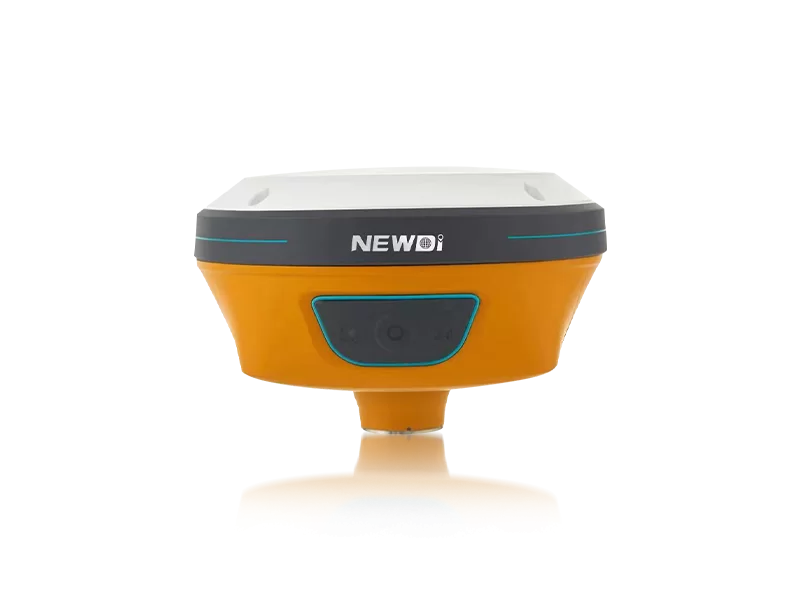
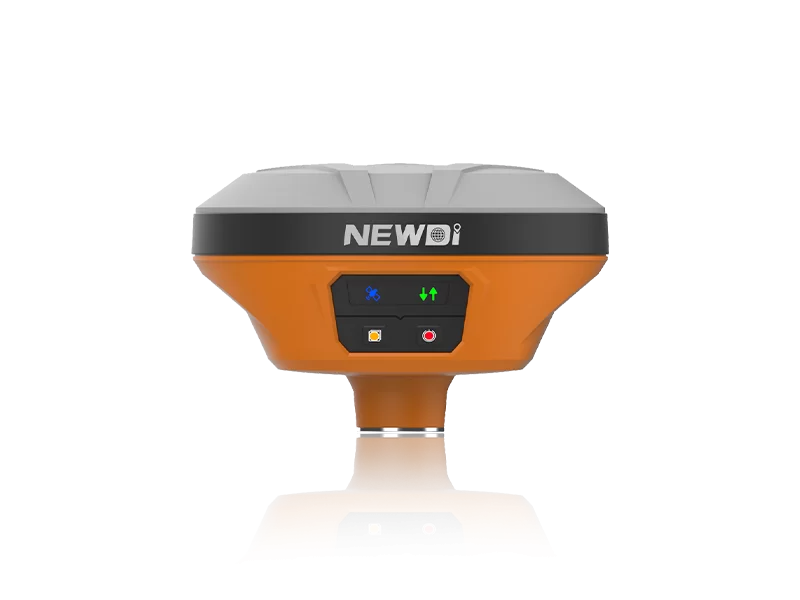
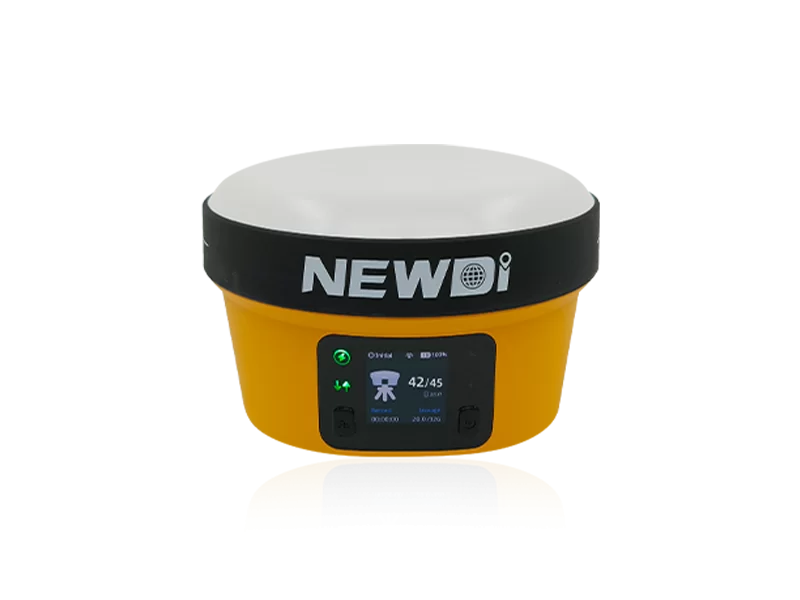
Our receivers are designed for multi-constellation support, ensuring that even in remote areas, you can maintain a stable fix using local CORS or a portable base station.

Can an auto steer tractor be installed on older machinery models?

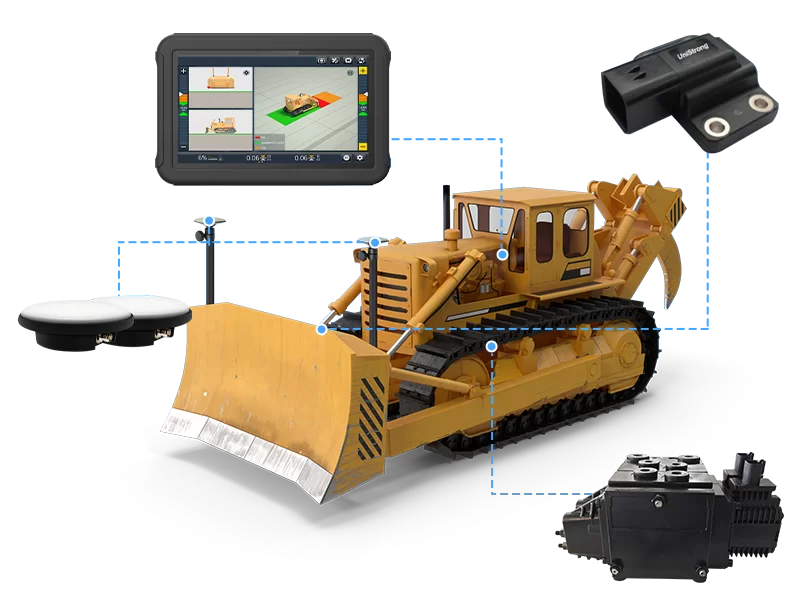
Yes, our systems are designed for universal compatibility, utilizing a combination of electronic controllers and hydraulic valves to retrofit most tractor brands.

What is the difference between a total station and GNSS for urban projects?

A total station provides unmatched accuracy in "blind" areas (under cover or near tall buildings), while GNSS is faster for open-area boundary mapping.

How often should surveying equipment be calibrated for Uruguayan climate?

Due to humidity and temperature fluctuations in Uruguay, we recommend a professional calibration every 6 to 12 months to ensure peak accuracy.

Does GPS diferencial technology reduce overlap in planting?

Absolutely. By providing centimeter-level guidance, it eliminates overlapping passes, significantly reducing input costs for fertilizers and seeds.

What support is available for RTK software updates in Uruguay?

We provide over-the-air (OTA) updates and dedicated technical documentation to ensure your equipment always runs the latest firmware.

Ready to Elevate Your Precision?

Our experts are ready to provide the best geospatial solutions for your business in Uruguay.

Contact Us Now