

Shanghai Newdi Navigation Technology Co.,Ltd

Precision GNSS RTK Receiver Solutions for Switzerland

Elevating Swiss engineering standards with centimeter-level accuracy for surveying, agriculture, and infrastructure management across the Alps.

Precision GNSS RTK Receiver Solutions for Switzerland

Providing professional-grade surveying equipment tailored to the rigorous topographical demands of the Swiss landscape, ensuring unmatched reliability and precision.

The State of Precision Measurement in Switzerland

Analyzing the integration of high-accuracy geospatial technology in Alpine terrains.

Switzerland's unique geography, characterized by extreme elevation changes and dense urban centers like Zurich and Geneva, demands highly specialized surveying equipment. The industry is currently shifting toward integrated ecosystems that can maintain signal lock despite significant multipath interference caused by deep valleys and steep mountains.

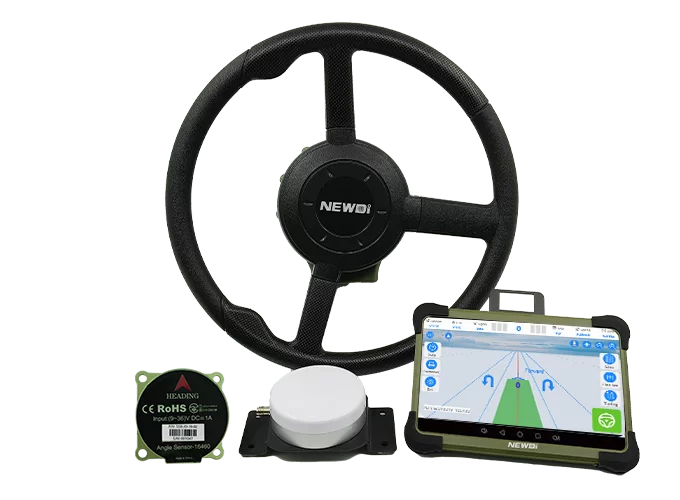
In the agricultural sector, Swiss farmers are increasingly adopting the auto steer tractor system to maximize efficiency in small, fragmented land plots. The need for precise boundary management in mountainous regions has made high-accuracy positioning a necessity rather than a luxury.

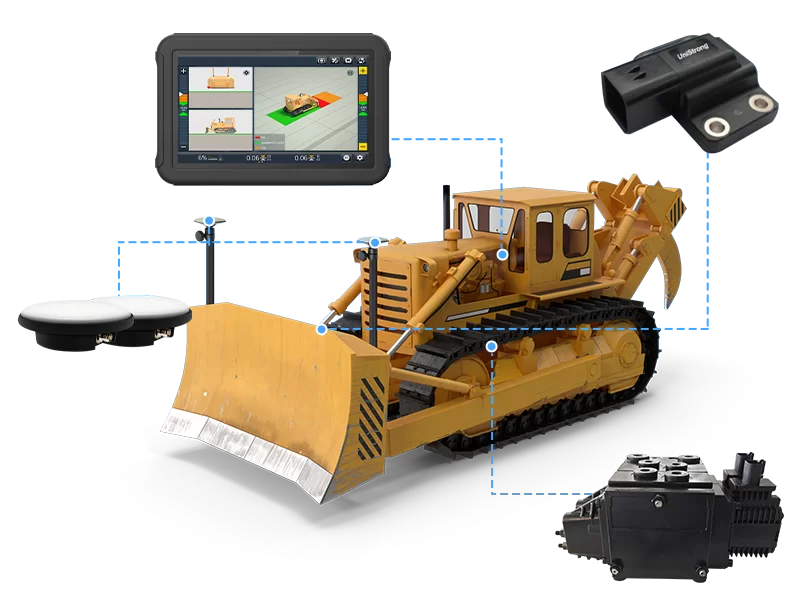
Furthermore, the Swiss construction industry relies heavily on gps diferencial technology to maintain the world-renowned quality of their tunnels and rail networks. The current market state is defined by a transition toward "Smart Infrastructure," where real-time data is critical for safety and longevity.
Evolution of Measurement Technology in Switzerland

From optical precision to satellite-driven intelligence.

Market Development History

Historically, Swiss surveying relied on the mechanical perfection of the total station, where optical measurements provided the foundation for the country's precise land registries in the late 20th century.

Around the early 2000s, the industry transitioned toward early GNSS applications. The introduction of basic differential GPS allowed for faster data collection, though it still required significant manual correction and base station setup in rugged terrains.

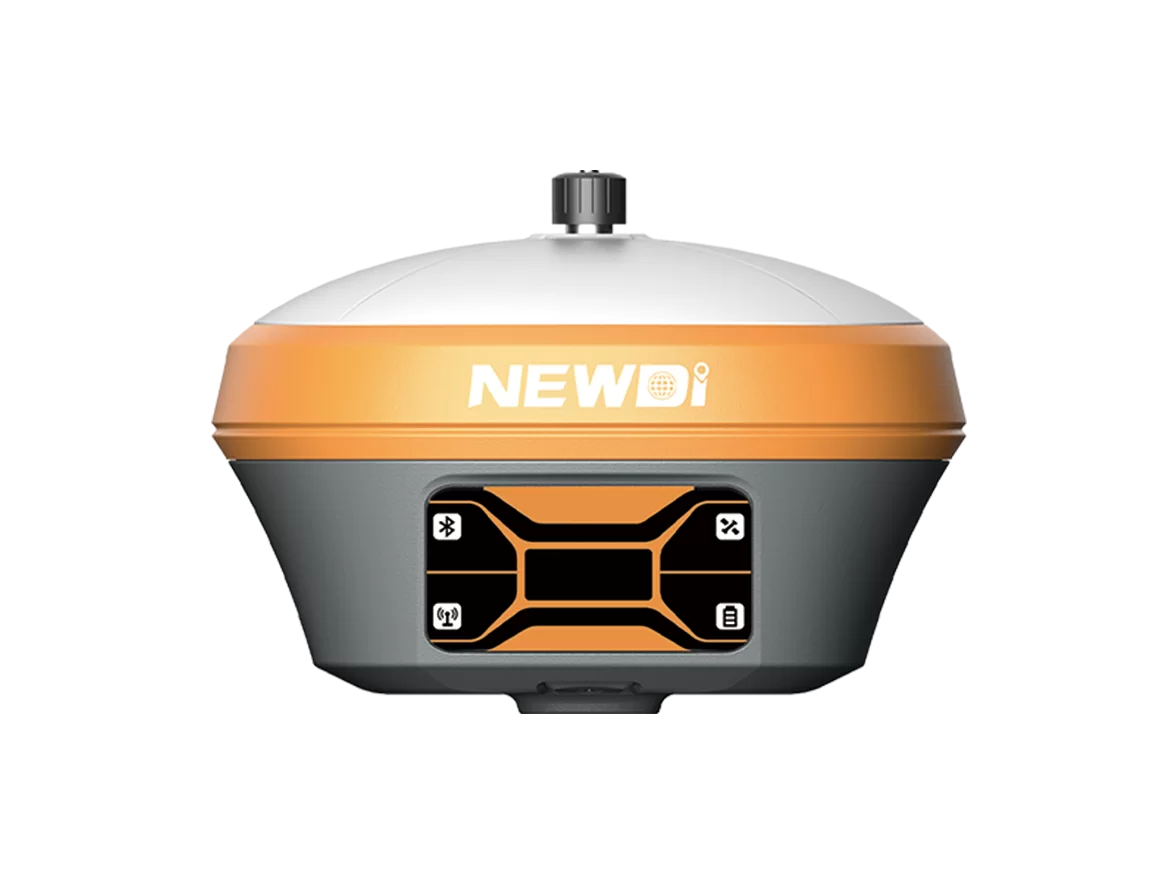
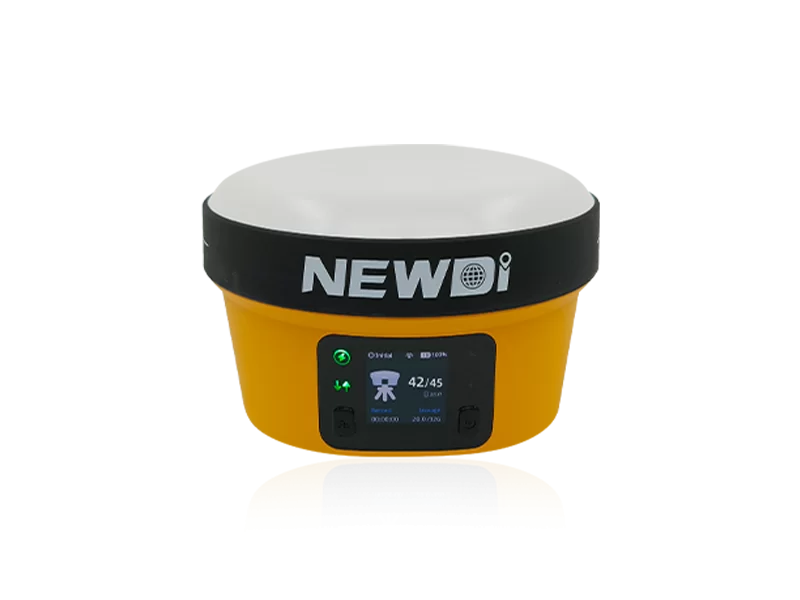
From 2015 onwards, the convergence of RTK (Real-Time Kinematic) and multi-constellation support revolutionized the field, allowing the gnss rtk receiver to provide instantaneous centimeter-level accuracy, eliminating the need for traditional long-baseline setups.

Future Development Trends

AI-Driven Terrain Mapping

Integration of machine learning with geospatial data to predict slope stability and soil erosion in the Swiss Alps using high-density point clouds.

Fully Autonomous Agri-Fleet

Evolution of the auto steer tractor into fully driverless systems that operate based on centimeter-accurate digital twin maps of the farmland.

Hybrid Quantum Positioning

Research into combining GNSS with quantum sensors to provide navigation and measurement capabilities in deep underground tunnels where satellite signals are unavailable.

Future Trends and Strategic Outlook

Predicting the trajectory of Swiss instrumentation over the next 5 years.

Multi-Constellation Synergy
Increased reliance on GPS, GLONASS, Galileo, and BeiDou to ensure stability in steep Swiss valleys.
Edge Computing Integration
Processing spatial data directly on the receiver to reduce latency in critical infrastructure projects.
Eco-Precision Farming
Using auto-steer technology to minimize overlap, reducing fertilizer use and protecting Swiss soil.
BIM Convergence
Seamlessly linking field data from total stations directly into Building Information Modeling (BIM).

Industry Outlook

Google search trends in Switzerland indicate a rising demand for "precision agriculture" and "automated surveying," suggesting a market shift toward autonomous operations. The integration of GNSS with local correction networks will be the primary driver of growth.

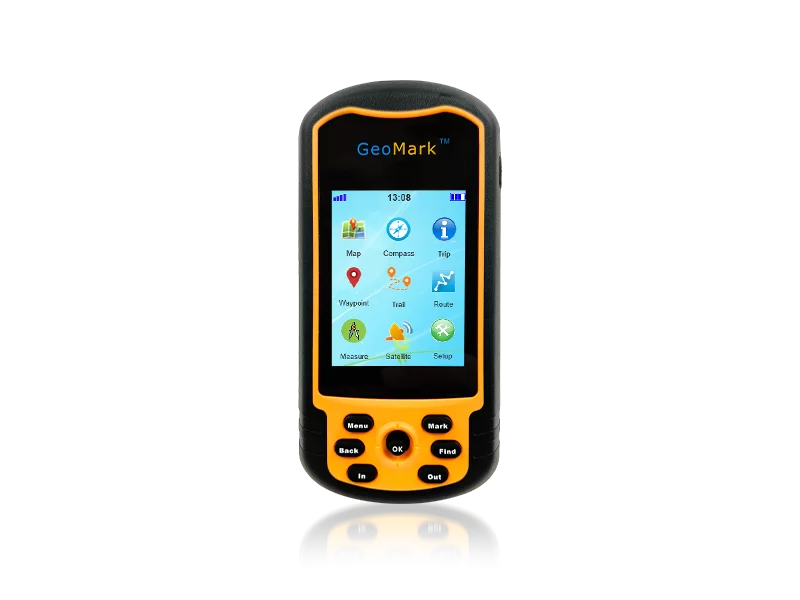
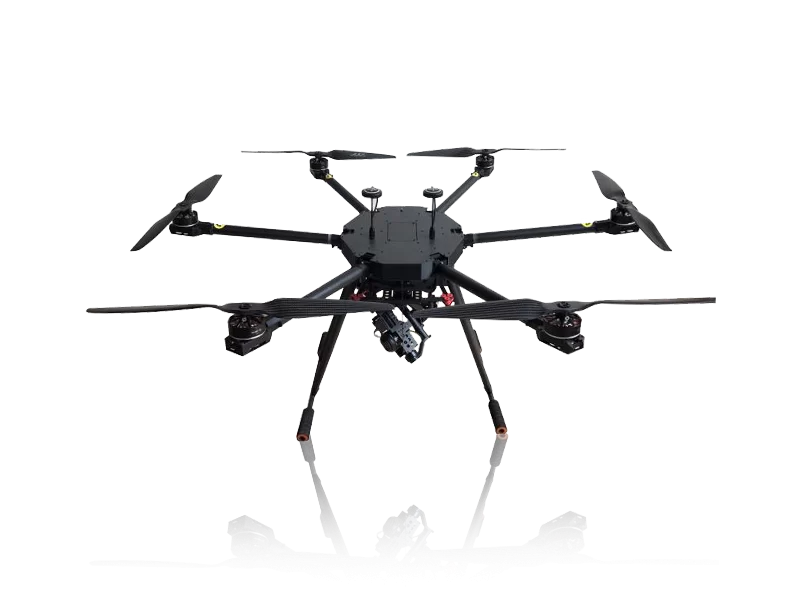
We expect a CAGR of 6.5% in the Swiss high-precision instrument market, with a particular focus on miniaturized receivers that can be integrated into drones and handheld devices for rapid Alpine hazard assessment.

Swiss-Specific Application Scenarios

Real-world deployments of high-precision positioning in Europe's heart.

1. Alpine Avalanche Monitoring

Utilizing fixed gnss rtk receiver networks to monitor minute movements in snowpacks and rocky slopes, providing critical early warnings for mountain villages.

2. High-Precision Vineyard Management

Implementing the auto steer tractor in the terraced vineyards of Valais to ensure precise row navigation and reduce soil compaction.

3. Urban Tunnel Expansion in Zurich

Using a combination of total station and GNSS to ensure millimeter-perfect alignment of new underground transit lines beneath dense urban areas.

4. Swiss Federal Land Surveying

Updating national cadastral maps using gps diferencial systems to maintain the legal precision of land boundaries across varying elevations.

5. Precision Hydroelectric Dam Inspection

Deploying professional surveying equipment to detect structural deformations in massive concrete dams, ensuring the safety of water resources.

Brand Story

Global Development Journey of Shanghai NCT Navigation Technology Co., Ltd.

Foundational Innovation

Established with a mission to democratize high-precision positioning, focusing on solving the complexity of RTK setups for general industrial use.

Agricultural Breakthrough

Developed industry-leading auto-steering modules that bridged the gap between high-end surveying and practical farming needs.

Global Expansion

Expanded operations into the European market, adapting technology to meet the rigorous Swiss and German standards of precision.

Eco-System Integration

Launched integrated cloud platforms that allow real-time synchronization between field receivers and office-based BIM software.

Future-Proofing Precision

Currently pioneering the next generation of multi-sensor fusion to provide uninterrupted accuracy in the most challenging environments on Earth.

Complete Precision Product Portfolio for Switzerland

Enterprise-grade tools for the most demanding Swiss environments.

Frequently Asked Questions in Switzerland

Expert answers to common technical queries regarding Swiss geospatial measurements.

How does a GNSS RTK receiver perform in deep Alpine valleys?

Our receivers utilize multi-constellation tracking (GPS, Galileo, Glonass, BeiDou) to maximize satellite visibility, significantly reducing signal dropout in narrow Swiss valleys.

Can auto steer tractor systems be installed on older Swiss machinery?

Yes, our universal steering kits are designed for compatibility with most tractor brands common in Switzerland, providing an easy upgrade to precision farming.

What is the difference between a total station and GNSS for urban surveying?

A total station is superior for line-of-sight measurements in dense urban areas (like Geneva), while GNSS is ideal for wide-area mapping where sky visibility is available.

How does gps diferencial improve accuracy for road construction?

By using a reference base station to send corrections to the rover, GPS differential technology eliminates atmospheric errors, ensuring road gradients are perfect.

Which surveying equipment is best for monitoring landslide risks?

A combination of high-frequency RTK receivers and automated total stations is recommended to capture both slow creep and sudden shifts in terrain.

Do I need a local base station for RTK in Switzerland?

While local bases offer the highest reliability, our systems also support NTRIP casting, allowing you to use existing Swiss national correction networks via internet.

Consult Our Swiss Geospatial Experts

Ready to implement world-class precision in Switzerland? Our team is here to provide localized technical support and customized solutions.

Contact Us Now