

South Sudan's geography, characterized by vast wetlands and the Sudd swamp, presents extreme challenges for traditional surveying equipment. The high humidity and seasonal flooding often render traditional optical measurements impractical, necessitating robust, weather-proof digital solutions.
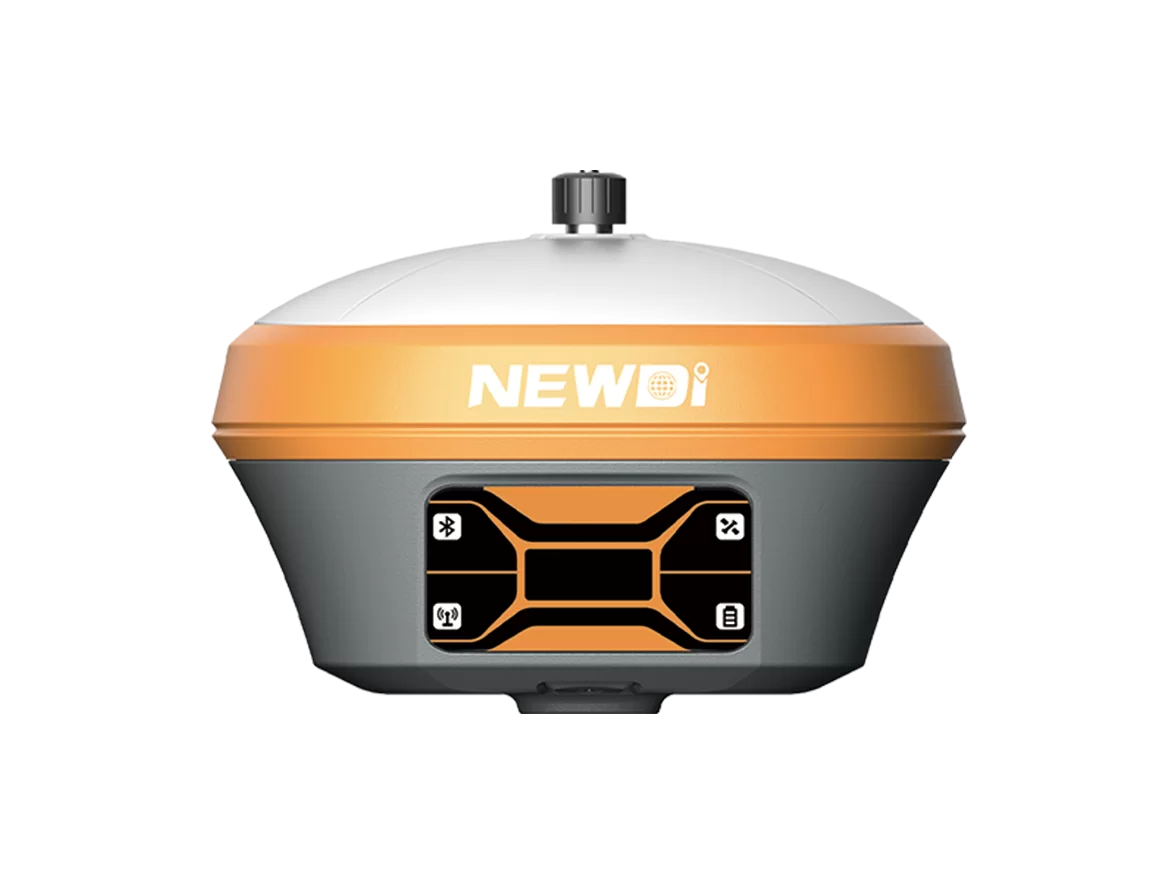
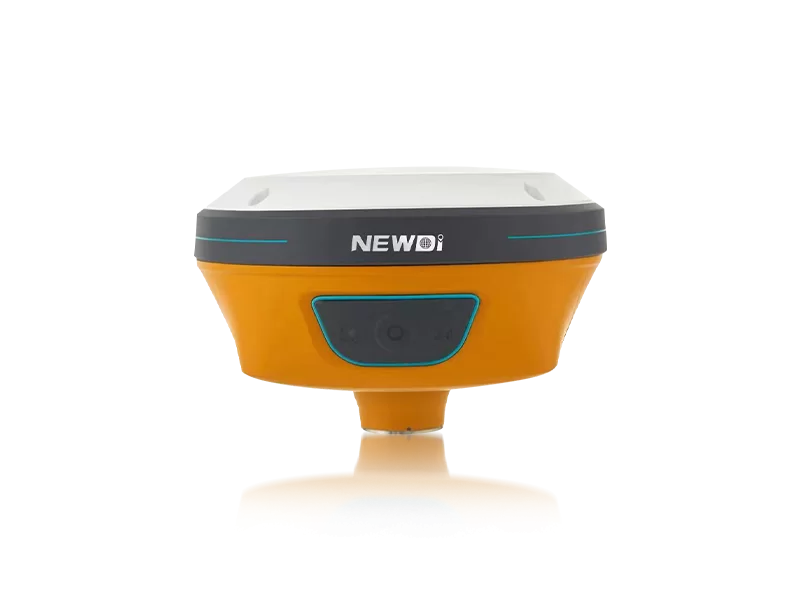
Currently, the local industry relies heavily on legacy tools, but there is a critical shift toward using a total station for urban planning in Juba. However, the lack of stable base station networks has historically hindered the widespread adoption of real-time kinematics.
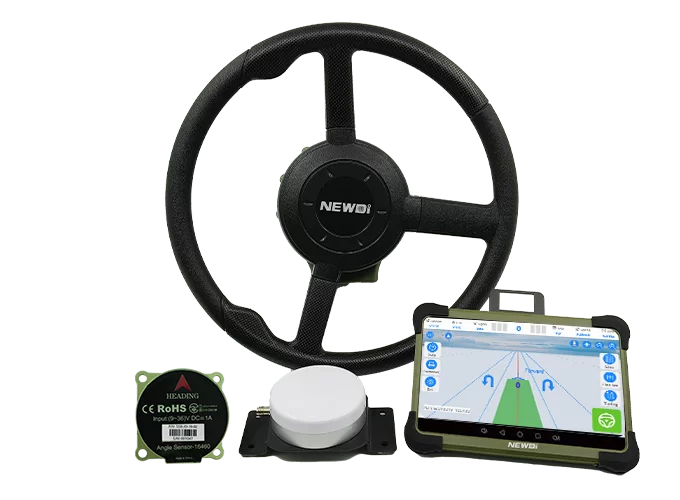
In the agricultural sector, the transition from manual steering to an auto steer tractor system is beginning to emerge as the government seeks to modernize food production and reduce overlap in seeding and fertilization across the fertile plains.