

Shanghai Newdi Navigation Technology Co.,Ltd

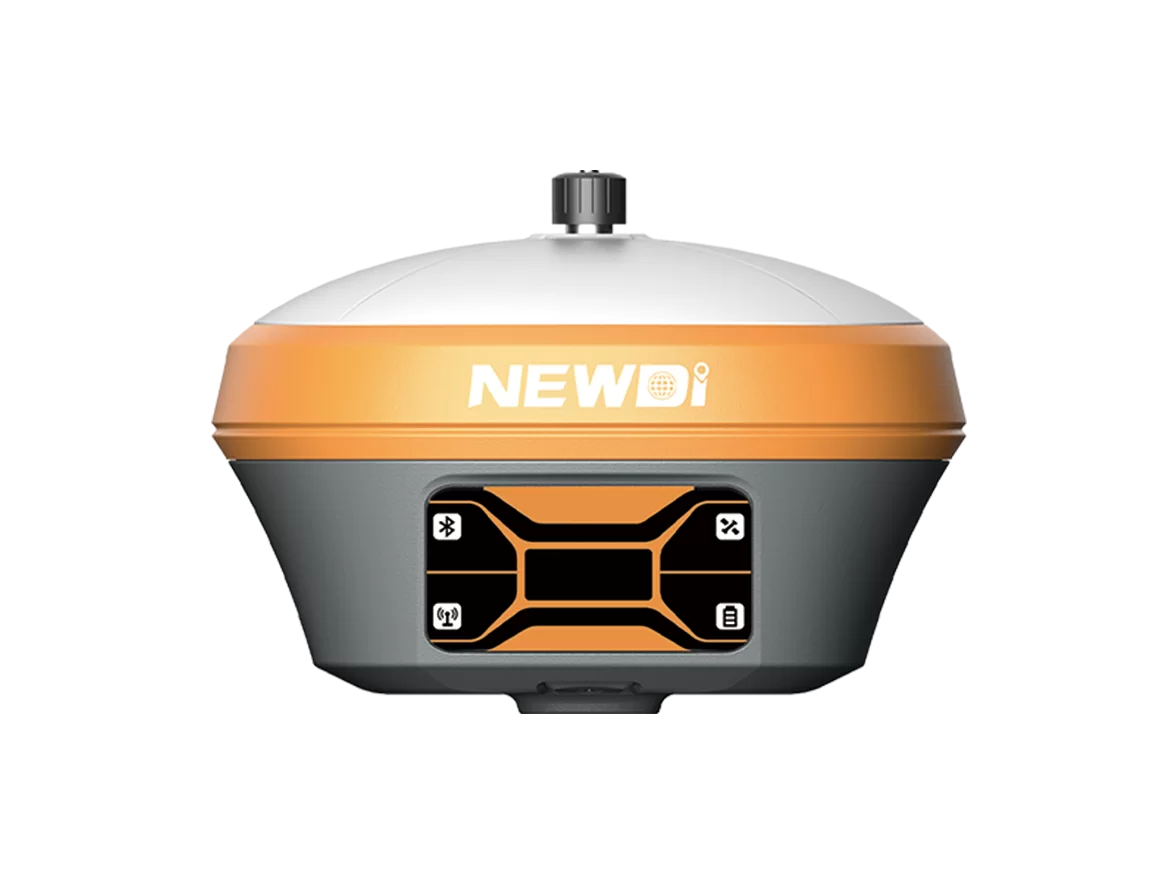
Precision GNSS RTK Receiver Solutions for Portugal's Infrastructure

Empowering Portuguese engineering and agriculture with centimeter-level accuracy and cutting-edge geospatial intelligence.

Precision GNSS RTK Receiver Solutions for Portugal's Infrastructure

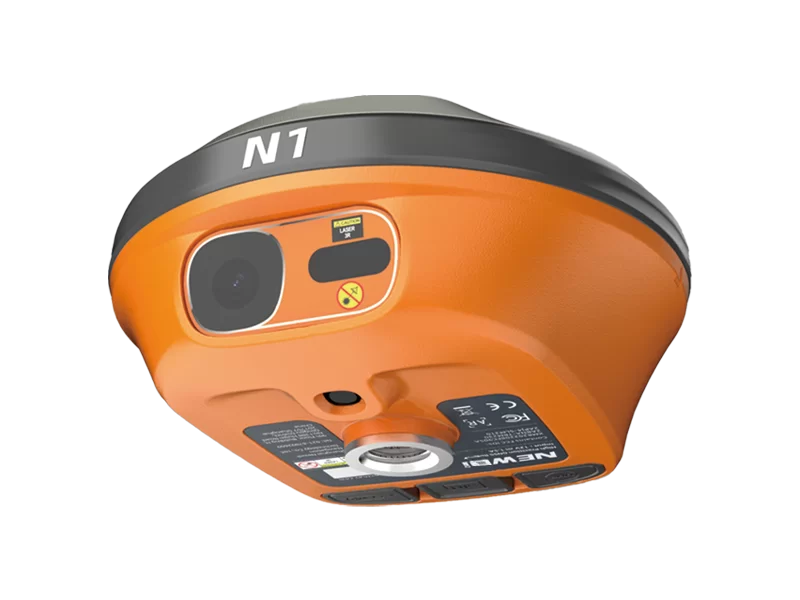
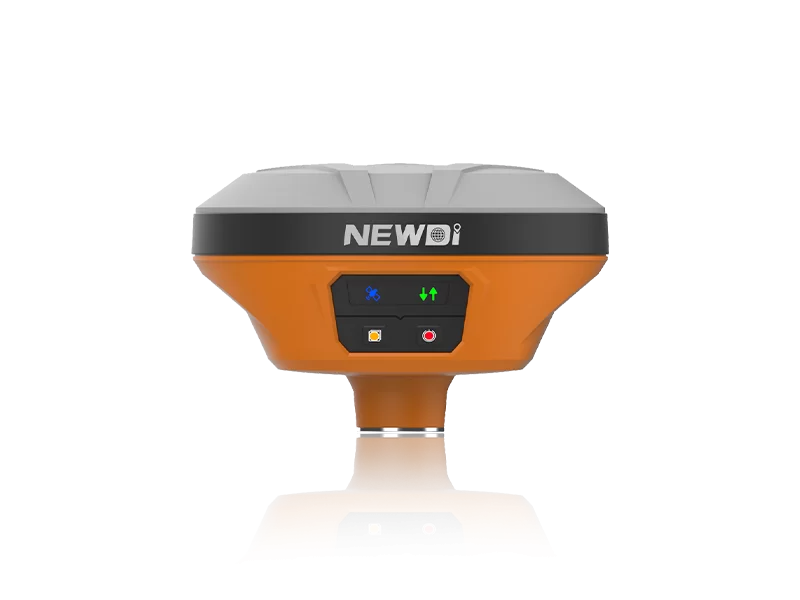
Providing high-precision positioning and automated guidance systems tailored for the diverse topographical and economic landscape of Portugal, from the Alentejo plains to the urban centers of Lisbon and Porto.

The Current State of Geospatial Technology in Portugal

Analyzing the adoption of high-precision measurement tools in the Iberian Peninsula.

Portugal is currently witnessing a digital transformation in its construction and agricultural sectors. The reliance on traditional surveying equipment is shifting toward integrated digital workflows to meet EU standardization requirements for infrastructure projects.

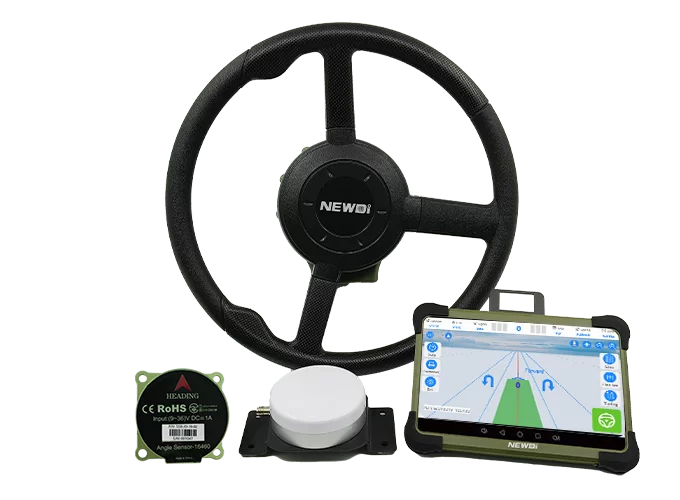
In the agricultural heartlands, the need for efficiency due to water scarcity and labor shortages has accelerated the demand for auto steer tractor systems. These technologies allow Portuguese farmers to optimize input usage and reduce soil compaction across varied terrain.

Furthermore, the integration of gps diferencial networks has become essential for cadastral updates and urban planning, ensuring that municipal developments in coastal regions are mapped with absolute precision.
Evolution and Trajectory of Measurement Instrumentation

From optical measurements to satellite-based real-time kinematics.

Market Development History

Historically, the Portuguese market relied heavily on optical instruments. In the 1990s, the introduction of the electronic total station revolutionized the industry by digitizing distance and angle measurements, significantly reducing human error in topographic surveys.

By the mid-2000s, the transition to GNSS began, moving from static post-processing to basic differential GPS. This era marked the first time that large-scale land surveys in the Alentejo region could be completed in days rather than weeks.

From 2015 to the present, the proliferation of RTK (Real-Time Kinematic) technology has enabled instant centimeter-level corrections, allowing for the seamless deployment of autonomous machinery and high-frequency monitoring of structural stability.

Future Development Trends

Multi-Constellation Integration

Moving beyond GPS, the next 3 years will see a total convergence of Galileo, GLONASS, and Beidou to ensure signal stability in the deep valleys of the Douro region.

AI-Driven Spatial Analysis

Integration of machine learning with geospatial data will allow for predictive terrain modeling, optimizing the placement of renewable energy arrays across Portugal.

Full Autonomy in Ag-Tech

The shift from assisted steering to fully autonomous fleet management, reducing the need for manual operator intervention in commercial olive groves.

Industry Trends and Future Outlook

Navigating the future of precision instrumentation in Europe.

Hyper-Local RTK Networks
Expansion of CORS networks across Portugal to provide ubiquitous correction data for all high-precision receivers.
IoT Integration
Merging real-time positioning with sensor data for smart city management in Lisbon and Porto.
Edge Computing
Processing spatial data on-device to reduce latency for autonomous tractor steering systems.
Sustainable Precision
Using precision data to minimize environmental impact and optimize water distribution in arid regions.

Industry Outlook

The Portuguese market is poised for a significant leap in efficiency. As the European Green Deal influences local policies, there is a growing emphasis on "precision farming" and "smart construction," both of which rely on the stability of GNSS signals.

We expect a transition toward hybrid systems where RTK is complemented by inertial navigation systems (INS) to maintain accuracy even under heavy canopy or in dense urban canyons.

Localized Applications in Portugal

Real-world deployment of precision instruments across the Portuguese landscape.

01. Alentejo Precision Viticulture

Utilizing auto steer tractor systems to manage vast vineyards, ensuring perfect row alignment and reducing overlapping during spraying operations to lower chemical usage.

02. Algarve Coastal Erosion Monitoring

Deploying high-precision surveying equipment to track shoreline changes with millimeter accuracy, providing critical data for coastal protection agencies.

03. Porto Urban Redevelopment

Implementing total station systems for the complex structural mapping of historic districts, ensuring new developments integrate seamlessly with ancient architecture.

04. Douro Valley Terracing

Using RTK receivers to design and maintain the intricate terrace systems of the Douro Valley, optimizing water runoff and soil stability through precise grading.

05. National Highway Expansion (A1/A2)

Applying gps diferencial networks for the high-speed layout of highway extensions, ensuring grade accuracy over hundreds of kilometers.

Brand Story

Global Development History of Shanghai NCT Navigation Technology Co., Ltd.

Foundational Vision

Established with a mission to bridge the gap between complex satellite data and practical field application, focusing on accessible precision.

Technological Breakthrough

Developed proprietary RTK algorithms that significantly reduced convergence time, setting a new standard for rapid deployment in the field.

Global Expansion

Expanded operations into the European market, tailoring products to meet the rigorous technical and regulatory standards of the EU.

Industry Diversification

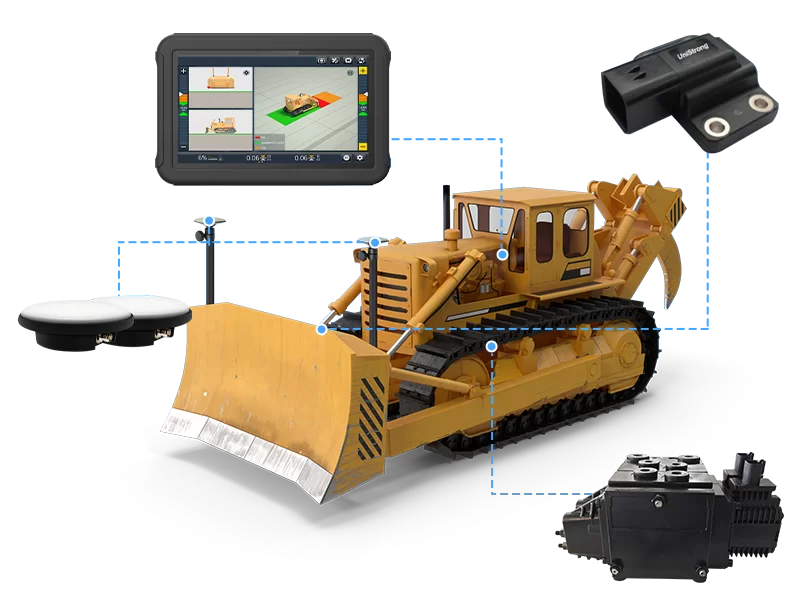
Moved beyond simple surveying into the Ag-Tech space, creating seamless integration between GNSS and heavy machinery steering.

The Future of Precision

Currently leading the charge in AI-integrated spatial intelligence to solve the most challenging measurement problems worldwide.

Comprehensive Product Portfolio for Portugal

Professional-grade instrumentation for every Portuguese engineering and farming need.

Frequently Asked Questions in Portugal

Expert answers to common technical queries regarding geospatial equipment.

How does a GNSS RTK receiver differ from standard GPS for Portuguese farmers?

Standard GPS provides meter-level accuracy, whereas an RTK receiver uses a base station or network to provide centimeter-level precision, which is essential for precise seeding and harvesting.

Can an auto steer tractor be installed on older machinery in Alentejo?

Yes, our systems are designed for retrofitting, allowing older tractor models to benefit from modern autonomous guidance without requiring a full fleet upgrade.

What is the advantage of using a total station in urban Lisbon?

In dense urban environments where satellite signals are blocked by buildings, a total station provides precise distance and angle measurements using optical technology.

Is gps diferencial necessary for small-scale Portuguese estates?

While smaller estates can use basic GPS, differential systems are recommended if the goal is to minimize overlaps and optimize the use of expensive fertilizers.

Which surveying equipment is best for the rugged terrain of the Douro valley?

A combination of RTK GNSS for open areas and a total station for steep, obstructed slopes provides the most reliable data for the Douro's unique topography.

How do I ensure EU compliance with my geospatial data in Portugal?

By using certified high-precision equipment and following standard GIS data formats, ensuring your measurements are compatible with European spatial data infrastructures.

Ready to Elevate Your Precision?

Our technical experts are ready to help you deploy the most accurate measurement solutions across Portugal.

Contact Us Now