
Shanghai Newdi Navigation Technology Co.,Ltd

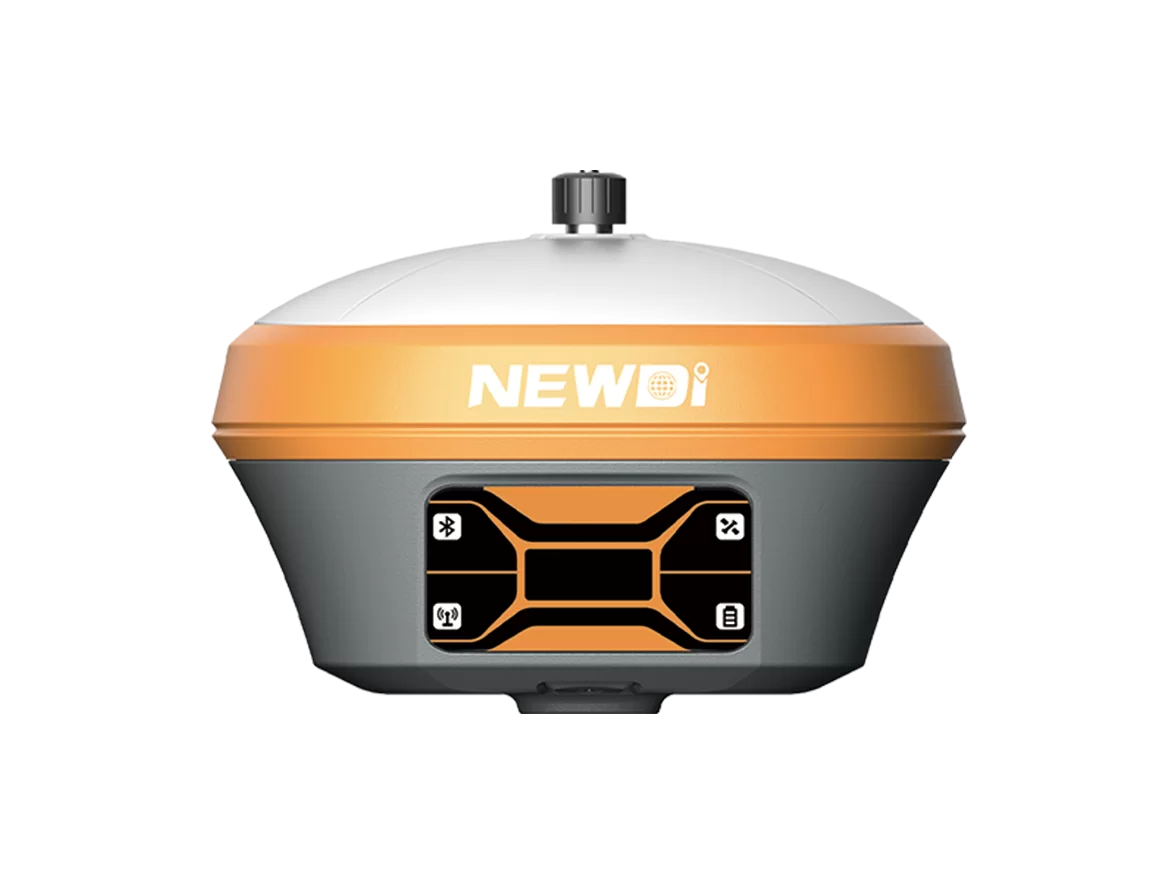
Precision GNSS RTK Receiver Solutions for Libya's Infrastructure

Empowering Libyan surveying and agricultural sectors with high-precision geospatial technology to drive national reconstruction and sustainable farming.

Precision GNSS RTK Receiver Solutions for Libya's Infrastructure

Providing cutting-edge surveying equipment tailored for the unique topographical and climatic challenges of the Libyan landscape.

The Current State of Geospatial Measurement in Libya

Analyzing the intersection of legacy measurement methods and the urgent need for digital transformation.

In Libya, the industry is currently characterized by a transition from traditional optical tools to digital systems. Due to the vast desert terrains and coastal urban centers, there is a growing demand for robust total station units that can withstand extreme heat and sand ingress while maintaining millimeter precision.

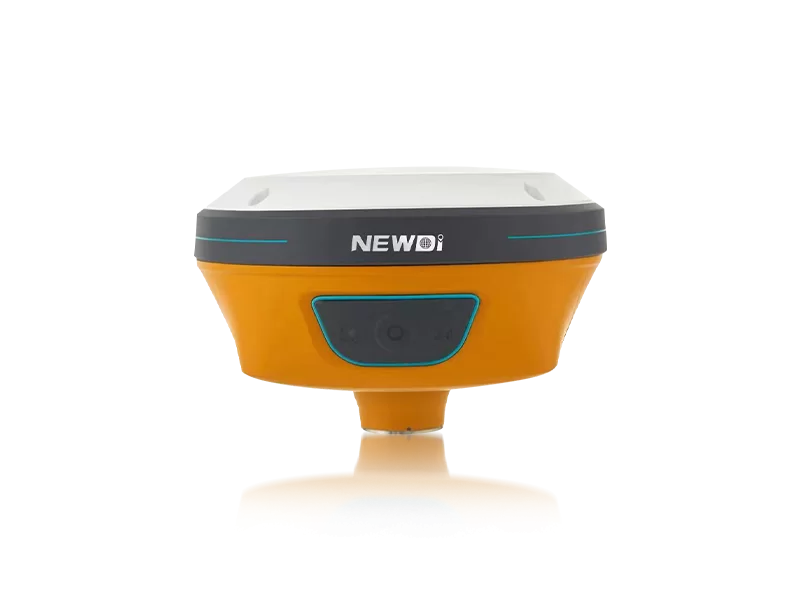
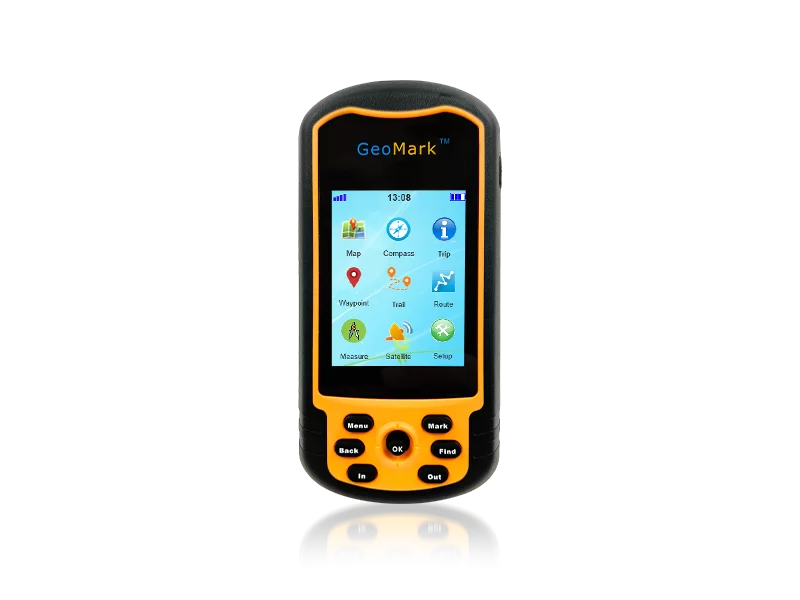
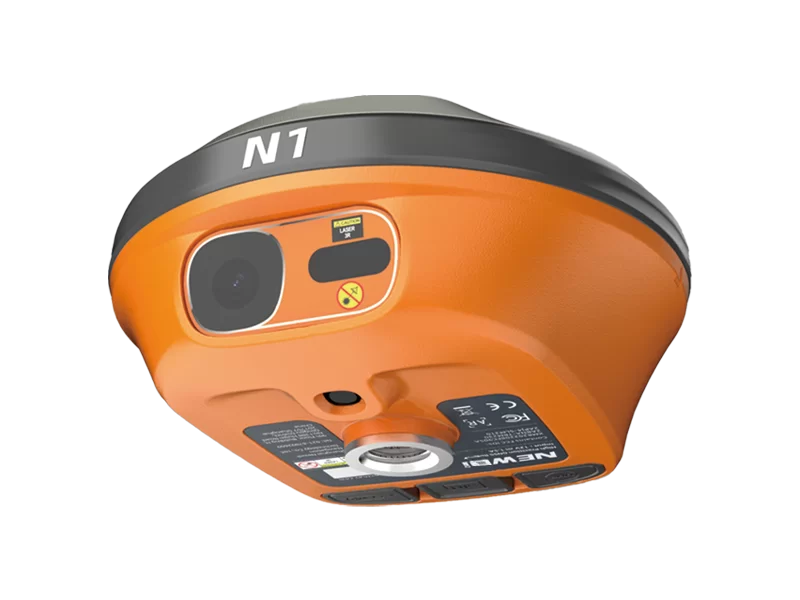
The reconstruction of urban infrastructure and the management of oil and gas pipelines have accelerated the adoption of satellite-based positioning. However, many local operators still struggle with signal interference in dense urban areas or the lack of localized base stations for gps diferencial corrections.

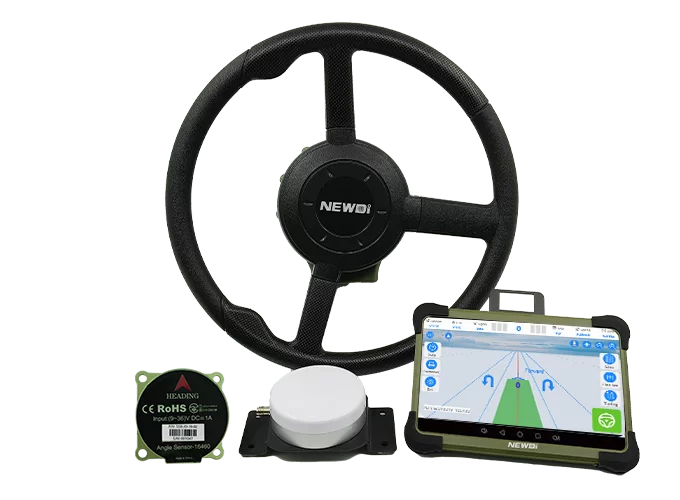
Furthermore, the agricultural sector in regions like the Al Jabal al Akhdar is beginning to recognize the efficiency of precision farming. The integration of an auto steer tractor system is becoming a priority to reduce overlap and optimize water usage in an arid climate.
Evolution of Measuring Technology in Libya

From manual triangulation to real-time kinematic satellite positioning.

Market Development History

During the 1990s and early 2000s, Libyan surveying relied heavily on manual theodolites and traditional optical leveling. Measurement processes were labor-intensive and prone to human error, especially across the expansive Sahara regions.

Between 2010 and 2020, the market saw a shift toward electronic distance measurement (EDM) and the first wave of standalone GPS units. This era introduced the ability to establish regional control points more rapidly, though real-time corrections remained limited.

From 2021 onwards, the adoption of RTK (Real-Time Kinematic) technology has surged. The ability to receive instantaneous corrections via NTRIP or UHF radio has revolutionized how Libyan engineers approach cadastral surveying and road construction.

Future Development Trends

Satellite Convergence

The shift toward multi-constellation receivers (GPS, GLONASS, Galileo, Beidou) to ensure signal stability in Libya's diverse terrain.

Autonomous Machine Control

Expanding the use of automated guidance in heavy machinery for more precise earthworks and irrigation canal digging.

Cloud-Integrated GIS

The integration of field data directly into cloud-based Geographic Information Systems for real-time project monitoring in Tripoli and Benghazi.

Future Trends and Strategic Outlook

Anticipating the next leap in measurement and guidance technology for the North African market.

AI-Driven Data Analysis
Implementing AI to automate the processing of raw GNSS data, reducing post-processing time for Libyan surveyors.
Hyper-Local RTK Networks
Development of private CORS networks to provide centimeter-level accuracy across remote desert regions.
Smart Agri-Automation
Seamless integration between GNSS receivers and farming implements for zero-overlap precision agriculture.
Resilient Hardware Design
Hardware engineering focusing on IP68 ratings and thermal management for the harsh Libyan climate.

Industry Outlook

Looking forward, the Libyan market is expected to shift from purchasing individual tools to investing in integrated "ecosystems." This means a combination of hardware and software that allows a single operator to manage a project from initial survey to final construction audit.

Search trends indicate a rising interest in low-cost, high-efficiency GNSS solutions. We predict a 30% increase in the adoption of integrated guidance systems for agricultural machinery over the next 3 years as food security becomes a national priority.

Localized Application Scenarios in Libya

Practical implementations of precision measurement tools in real-world Libyan environments.

01. Urban Reconstruction in Tripoli

Using total station and RTK networks to redefine property boundaries and plan new road layouts in densely populated city centers.

02. Oil Pipeline Corridor Mapping

Deploying high-precision GNSS receivers to map long-distance pipelines across the desert, ensuring accurate burial depths and route markers.

03. Precision Olive Farming in the Green Mountain

Integrating an auto steer tractor system to optimize planting patterns and reduce fertilizer waste in the Al Jabal al Akhdar region.

04. Coastal Erosion Monitoring

Utilizing gps diferencial systems to track the shoreline changes along the Mediterranean coast for environmental protection.

05. Large-Scale Irrigation Project Planning

Implementing a full suite of surveying equipment to design gravity-fed water systems for arid inland agricultural zones.

Brand Story

Global Development Journey of Shanghai NCT Navigation Technology Co., Ltd.

Foundation and Vision

Established with a mission to bridge the gap between complex satellite data and practical field application for engineers worldwide.

Technical Breakthroughs

Developing proprietary algorithms for faster RTK convergence, specifically designed for challenging signal environments.

Expanding to Africa

Tailoring our hardware for the African market, focusing on durability, power efficiency, and ease of maintenance.

Agricultural Innovation

Launching integrated auto-steering solutions that empower farmers to transition to precision agriculture seamlessly.

Global Leadership

Becoming a trusted partner for infrastructure projects across the globe, providing reliable, high-accuracy navigation tools.

Complete Product Portfolio for the Libyan Market

Professional-grade tools designed for extreme environments and high-accuracy requirements.

Common Questions for Libya Surveying Sector

Expert answers to technical and operational queries regarding geospatial equipment.

How does a GNSS RTK receiver perform in the Libyan desert?

Our receivers are designed with high-gain antennas and advanced noise-filtering algorithms to maintain a stable fix even in wide-open desert areas with minimal obstructions.

Can an auto steer tractor system be installed on older machinery?

Yes, our universal steering kits are compatible with most tractor brands used in Libya, featuring adjustable mounting brackets and flexible software integration.

What is the difference between a total station and RTK for urban Libya?

A total station is better for high-precision work in "urban canyons" where satellite signals are blocked, while RTK provides much faster coverage over larger areas.

Is gps diferencial accuracy sufficient for cadastral mapping?

Yes, when using a differential base station or a CORS network, you can achieve centimeter-level accuracy required for legal land boundaries.

What maintenance is required for surveying equipment in sandy areas?

We recommend regular cleaning of optical lenses and ensuring all seals are intact. Our equipment features IP67/68 ratings to prevent sand ingress.

How do I choose the right surveying equipment for road construction?

The ideal setup involves a combination of an RTK receiver for rapid layout and a total station for precise bridge or intersection detailing.

Get Your Precision Solution Today

Contact our technical team for customized geospatial and agricultural guidance solutions in Libya.

Contact Us Now