

Shanghai Newdi Navigation Technology Co.,Ltd

Precision GNSS RTK Receiver Solutions for Kazakhstan

Empowering Kazakhstan's vast landscapes with high-accuracy geospatial intelligence and automated precision for agriculture and infrastructure.

Precision GNSS RTK Receiver Solutions for Kazakhstan

From the steppes of the north to the mountainous south, we provide industry-leading surveying equipment designed to withstand extreme continental climates while maintaining centimeter-level accuracy.

Current Landscape of Geomatics in Kazakhstan

Navigating the challenges of vast territories and extreme temperature swings.

Kazakhstan's unique geography, characterized by massive open plains and rugged mountain ranges, demands specialized surveying equipment. The current market is transitioning from traditional land measurement to digital twin mapping, driven by the "Digital Kazakhstan" state program.

In the agricultural sector, the sheer scale of wheat and oilseed farms has made the adoption of an auto steer tractor system a necessity rather than a luxury. The need to reduce overlap and optimize fuel consumption over thousands of hectares is a primary economic driver.

However, the region faces challenges with signal stability in remote areas. This has led to an increased demand for robust gps diferencial systems that can operate reliably under harsh winter conditions and sparse network coverage.
Evolution of Measurement Technology in Central Asia

From manual theodolites to autonomous satellite-guided machinery.

Market Development History

Before 2010, the industry relied heavily on optical tools and traditional total station units for land boundary definition. While accurate, these methods were time-consuming given the vast Kazakh distances.

Between 2012 and 2018, the shift toward GNSS technology accelerated. The introduction of the first commercial gnss rtk receiver units allowed surveyors to cover larger areas in fractions of the time, revolutionizing the mining and oil sectors in the Caspian region.

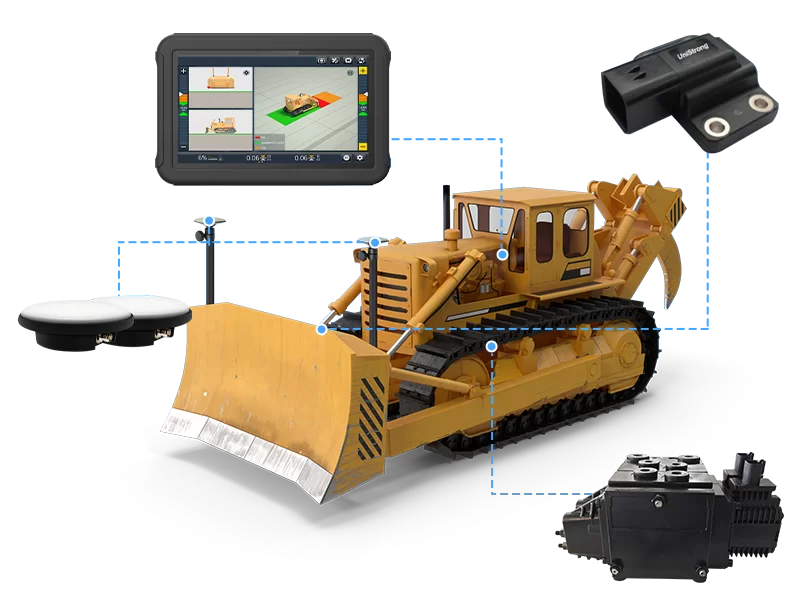
From 2019 to the present, the focus has shifted toward "Smart Farming." The integration of steering controllers and high-precision satellite data has enabled the widespread deployment of the auto steer tractor, maximizing yield across the steppe.

Future Development Trends

Multi-Constellation Integration

Moving beyond single-system GPS to integrate Beidou, GLONASS, and Galileo for uninterrupted signal availability in remote Kazakh regions.

Cloud-Based RTK Networks

The transition from local base stations to network RTK (NRTK), allowing users to receive corrections via the internet across the entire territory.

Autonomous Machinery Ecosystems

Evolution from simple auto-steering to fully autonomous farming fleets guided by high-precision spatial data.

Future Outlook for Precision Instruments

Strategic projections for the next 3-5 years in Kazakhstan's measurement industry.

AI-Driven Data Analysis
Integrating artificial intelligence with surveying data to automate land classification and terrain analysis.
5G Connectivity Integration
Leveraging new 5G corridors in Almaty and Astana to reduce RTK correction latency to milliseconds.
Hybrid Measuring Systems
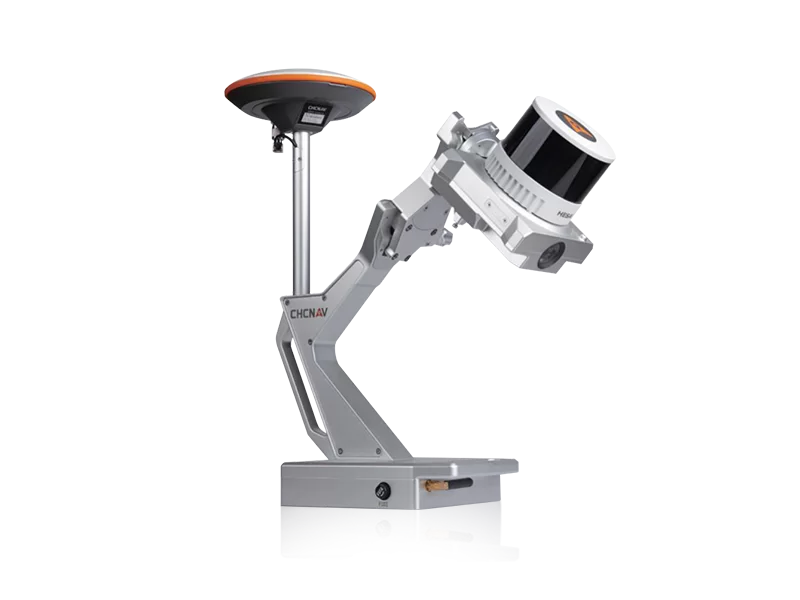
Combining LiDAR scanning with traditional GNSS for rapid 3D mapping of mining sites.
Precision Eco-Farming
Utilizing variable rate technology guided by GNSS to reduce chemical waste in soil.

Industry Outlook

The trajectory of the instrument manufacturing sector in Kazakhstan is moving toward high-integration. We expect a shift where the hardware (the receiver) becomes a secondary component to the software ecosystem that manages the spatial data.

With the government's push for agricultural modernization, the demand for automated steering and high-precision gps diferencial services will likely see a CAGR of 12% over the next five years.

Localized Application Scenarios in Kazakhstan

Real-world implementations of precision instruments across various sectors.

01. Large-Scale Wheat Farming in Northern Kazakhstan

Deployment of auto steer tractor systems to manage 5,000+ hectare fields, reducing overlap by 15% and significantly cutting fuel costs during sowing and harvesting.

02. Oil and Gas Pipeline Monitoring in the Caspian Basin

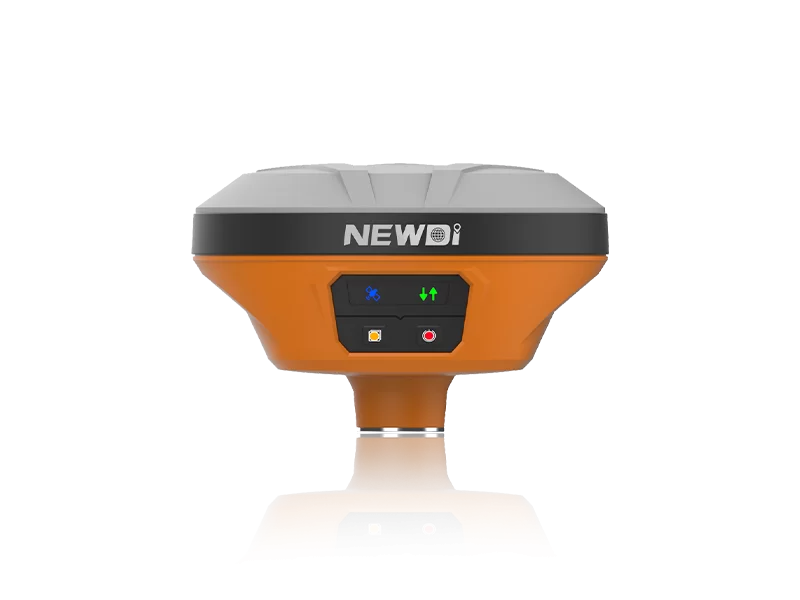
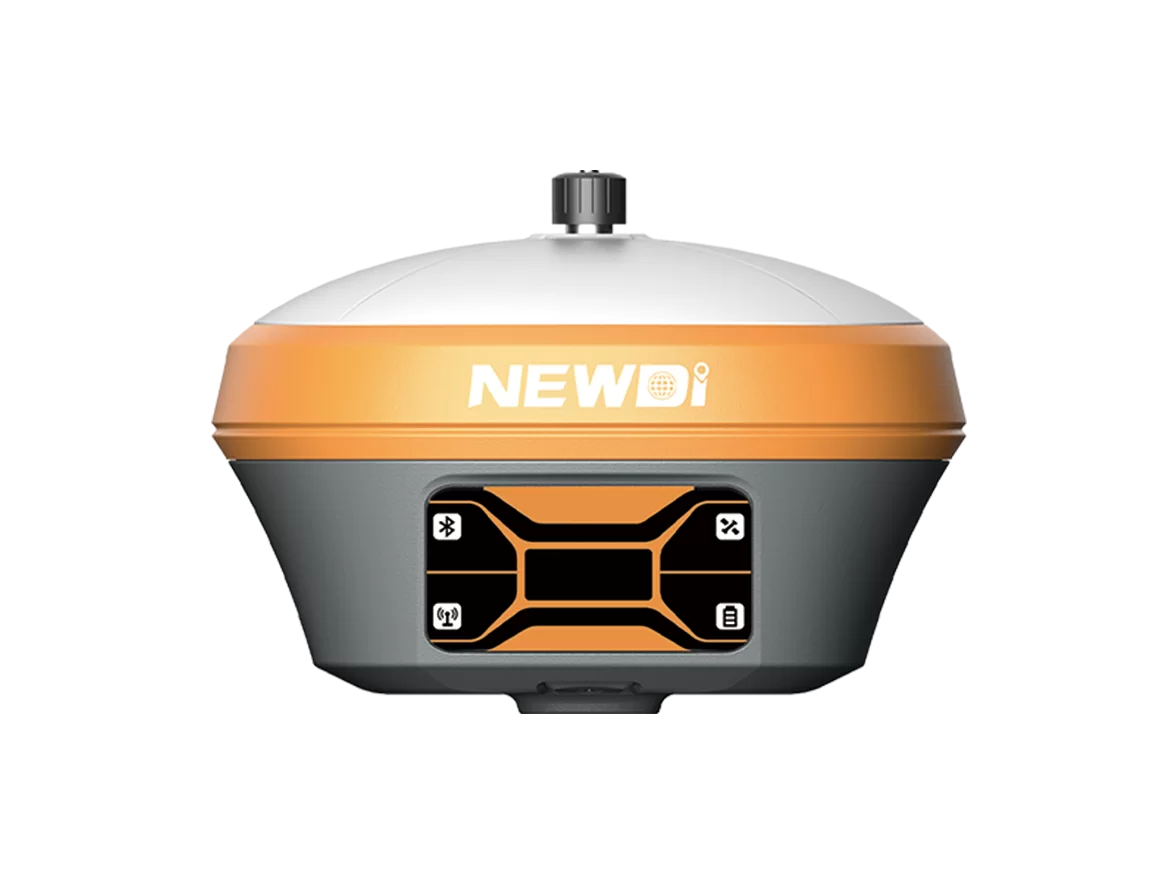
Using high-precision gnss rtk receiver units for the deformation monitoring of pipelines and the precise layout of new transport corridors.

03. Urban Infrastructure Expansion in Astana

Utilizing the total station for high-accuracy building layout and road construction, ensuring architectural precision in the rapidly growing capital.

04. Cadastral Mapping of Rural Land Reform

Applying integrated surveying equipment to redefine land boundaries for rural cooperatives, ensuring legal accuracy and reducing land disputes.

05. Mining Topography in the Alatau Mountains

Implementing gps diferencial systems for open-pit mine volume calculations and safety monitoring of slopes in rugged terrains.

Brand Story

Global Development Journey of Shanghai NCT Navigation Technology Co., Ltd.

Founding Vision

Established with the goal of breaking the technical barriers in high-precision positioning, focusing on accessible yet professional RTK technology.

Agricultural Breakthrough

Developing the first generation of autonomous steering controllers that bridged the gap between industrial GNSS and farm machinery.

Global Expansion

Entering the Central Asian market, tailoring our hardware to withstand the extreme temperature ranges found in regions like Kazakhstan.

Innovation Milestone

Launching the multi-frequency, multi-constellation receiver series, significantly improving signal acquisition speed in obstructed environments.

Sustainability Commitment

Focusing on "Precision for All," reducing the environmental footprint of global agriculture through smarter, more accurate guidance.

Comprehensive Precision Portfolio for Kazakhstan

A full suite of instruments designed for the Kazakh steppe, mountains, and urban centers.

Frequently Asked Questions in Kazakhstan

Expert answers to common technical and operational queries.

How does a GNSS RTK receiver perform in remote Kazakh steppes?

Our receivers use multi-constellation tracking (GPS, GLONASS, Beidou) to ensure that even in areas with sparse infrastructure, you maintain a stable fix and centimeter-level accuracy.

Can an auto steer tractor system be installed on older machinery?

Yes, our universal steering controllers are designed for retrofitting, allowing farmers in Kazakhstan to upgrade existing tractor fleets without purchasing new vehicles.

What is the difference between a total station and GNSS for urban Almaty?

A total station is preferred for high-precision construction in "urban canyons" where satellite signals may be blocked, whereas GNSS is ideal for wide-area topographic mapping.

How does a gps diferencial system handle extreme winter temperatures?

Our hardware is industrial-grade and rated for operation from -40°C to +70°C, ensuring that the electronic components and seals remain functional during Kazakh winters.

What surveying equipment is best for cadastral land mapping?

A combination of an RTK GNSS receiver for boundary points and a total station for detailed site measurements provides the most comprehensive and legally defensible data.

How often should I calibrate my precision instruments?

We recommend annual professional calibration and field checks before every major project to account for any environmental wear and tear.

Get Expert Guidance Today

Ready to optimize your operations in Kazakhstan? Our technical team is here to provide customized geospatial solutions.

Contact Us Now