

Shanghai Newdi Navigation Technology Co.,Ltd

Precision gnss rtk receiver Solutions for Iraq's Infrastructure

Empowering Iraqi engineering and agriculture with high-precision geospatial measurement and autonomous steering technology.

Precision gnss rtk receiver Solutions for Iraq's Infrastructure

Integrating advanced surveying equipment to redefine accuracy in the challenging terrains of Iraq, from the Mesopotamian plains to the northern mountains.

The Current State of Geospatial Measurement in Iraq

Navigating the intersection of traditional surveying and digital transformation in a harsh environment.

Iraq's current landscape for surveying equipment is characterized by a rapid shift toward digitization to support oil and gas expansion and urban reconstruction. However, extreme temperature fluctuations and dust storms frequently challenge the durability of electronic instruments.

In the agricultural sector, particularly in the fertile crescent, there is a growing demand for auto steer tractor systems to combat labor shortages and optimize water usage through precise field mapping.

Despite the progress, many local projects still rely on legacy methods. The adoption of a total station remains standard for boundary definition, but the integration of satellite-based corrections is becoming a necessity for large-scale national projects.
Evolution of Measurement Technology in Iraq

From manual theodolites to autonomous satellite-guided systems.

Market Development History

Historically, Iraqi surveying relied heavily on optical instruments. Before 2010, the market was dominated by basic mechanical tools and early electronic distance meters, where accuracy depended entirely on manual calculations.

Between 2010 and 2018, the introduction of the digital total station revolutionized construction in Baghdad and Basra, allowing for faster data collection and the elimination of many manual errors in urban planning.

From 2019 onwards, the transition to GNSS-based technology accelerated. The adoption of gps diferencial systems enabled centimetre-level precision over vast distances, critical for the country's pipeline and road infrastructure projects.

Future Development Trends

Integration of AI-Driven Analysis

Future tools will move beyond data collection to real-time analysis, utilizing AI to predict terrain shifts in the marshlands of southern Iraq.

Widespread Autonomous Farming

We expect a surge in auto steer tractor adoption as Iraq seeks to enhance food security through precision agriculture.

Multi-Constellation GNSS Synergy

Transitioning from single-system GPS to multi-constellation receivers to ensure signal stability during severe atmospheric disturbances.

Future Outlook for Iraqi Surveying Instruments

Analyzing the 3-5 year trajectory based on regional infrastructure trends.

Satellite Connectivity Expansion
Increased reliance on LEO satellites to enhance the reliability of RTK corrections in remote desert areas.
Precision Agri-Tech Integration
The merger of GIS data with tractor automation to maximize crop yields per hectare in Iraq's arid regions.
Ruggedized Hardware Standards
Development of IP68+ rated instruments specifically designed to withstand Iraq's high-salinity soils and dust.
Cloud-Based Collaborative Mapping
Real-time synchronization of site data between field crews and government planning offices in Baghdad.

Industry Outlook

Google search trends indicate a significant spike in queries related to "autonomous farming" and "centimeter-level GPS" within Iraq, signaling a shift from basic surveying to automated execution.

Over the next 5 years, the synergy between gnss rtk receiver technology and local infrastructure projects will likely drive a 25% increase in the adoption of high-precision instruments.

Localized Application Scenarios in Iraq

Practical implementations of precision measurement in Iraqi industry.

01. Oil & Gas Pipeline Alignment

Using gps diferencial to ensure precise placement of pipelines across the southern deserts, minimizing material waste and environmental impact.

02. Mesopotamian Valley Precision Farming

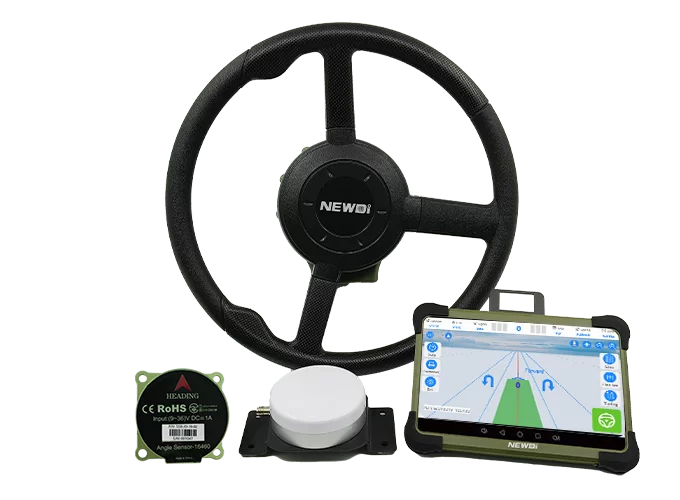
Implementing auto steer tractor systems to optimize planting patterns and reduce overlap, significantly increasing crop yield for local farmers.

03. Urban Reconstruction in Mosul

Deploying high-accuracy total station units for the meticulous restoration of historical sites and new residential zoning.

04. Highway Expansion Projects

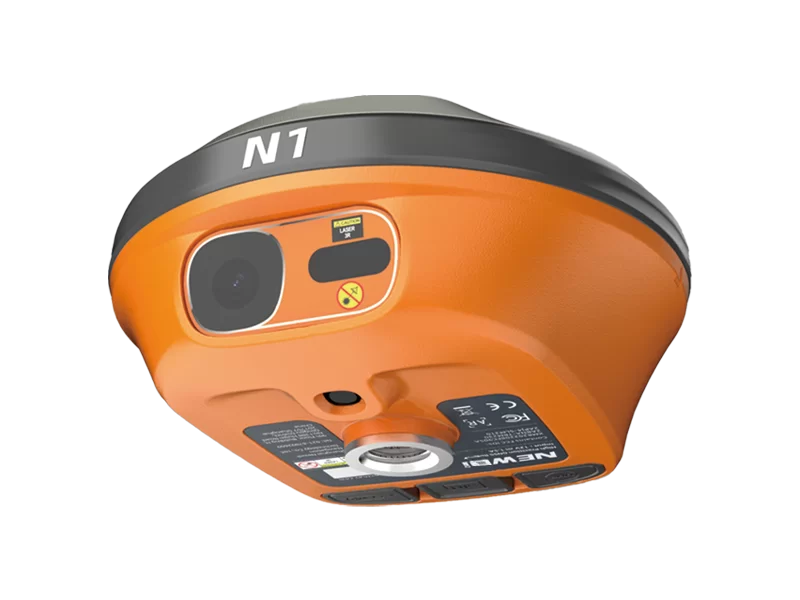
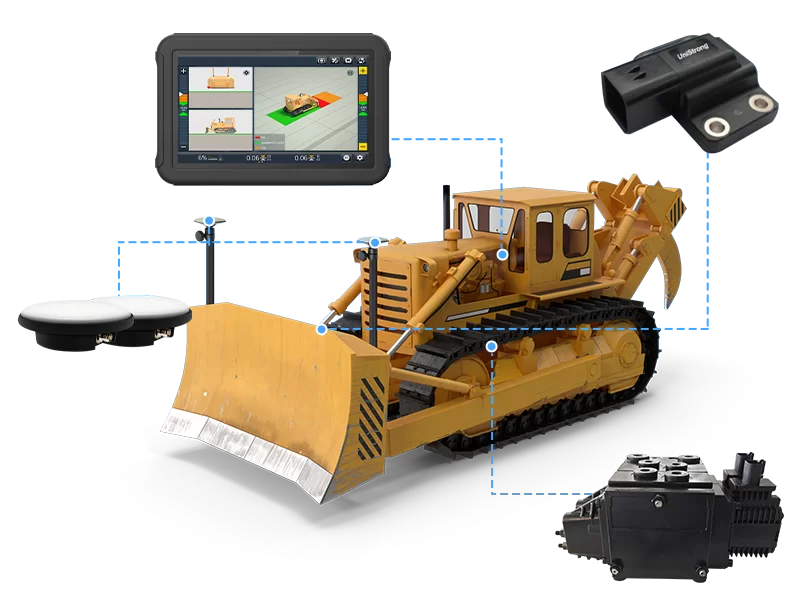
Utilizing gnss rtk receiver technology for rapid grade control and road alignment on the Baghdad-Basra corridor.

05. Land Registry and Boundary Mapping

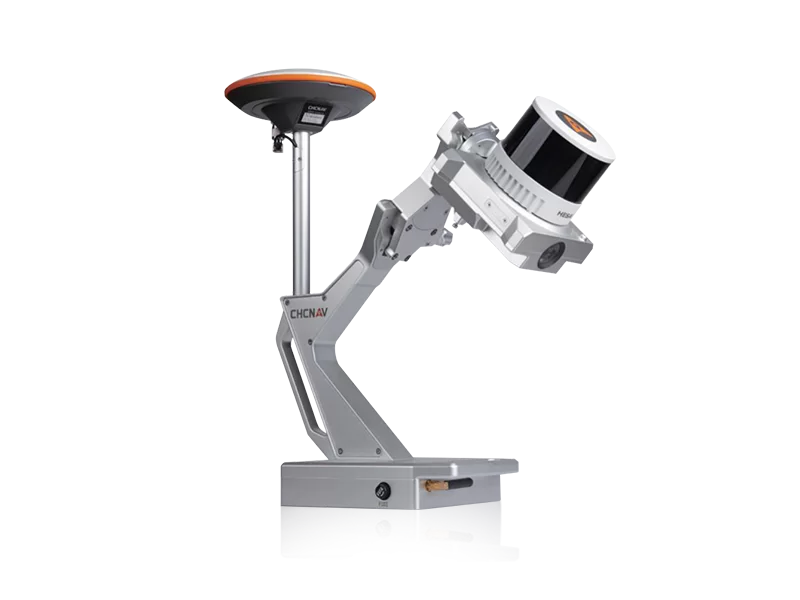
Leveraging a comprehensive suite of surveying equipment to resolve land ownership disputes and create digital cadastral maps.

Brand Story

Global Development Journey of Shanghai NCT Navigation Technology Co., Ltd.

The Vision of Precision

Founded with the mission to eliminate measurement errors in the most hostile environments, we started by focusing on core GNSS algorithms.

Breaking Technical Barriers

We developed proprietary RTK technology that maintains stability under dense canopy and extreme heat, directly addressing pain points for desert operations.

Global Market Expansion

Expanding our footprint into Asia and the Middle East, we tailored our hardware to meet the rugged demands of Iraqi and regional infrastructure.

Innovation in Automation

Launching our autonomous steering series, we bridged the gap between geospatial measurement and mechanical execution in agriculture.

Commitment to Excellence

Today, we continue to empower engineers worldwide, ensuring that every millimeter is accounted for in the pursuit of global progress.

Complete Precision Product Portfolio for Iraq

From high-end receivers to automated tractor guidance systems.

Common Questions on Surveying in Iraq

Expert answers to technical challenges in the regional environment.

How does extreme heat in Iraq affect gnss rtk receiver accuracy?

Extreme heat can cause signal scintillation and hardware thermal drift. Our receivers use industrial-grade temperature compensation and ruggedized casings to ensure stability up to 60°C.

What is the best surveying equipment for sand-heavy environments?

For sandy terrains, we recommend IP67-rated hardware and instruments with sealed optical components to prevent dust ingress, ensuring long-term reliability.

Can an auto steer tractor improve water efficiency in Iraqi farming?

Yes, by reducing overlap and ensuring precise row spacing, automated steering allows for more accurate irrigation layout and reduced resource waste.

When should I use a total station instead of GNSS?

Use a total station in "urban canyons" or areas with heavy overhead cover where satellite signals are blocked, which is common in the densely packed centers of Baghdad.

How does gps diferencial differ from standard GPS for construction?

Standard GPS provides meter-level accuracy, while differential systems use a base station to correct errors, providing the centimeter-level precision required for engineering.

What are the requirements for RTK network setup in Iraq?

A stable internet connection or UHF radio link is required to transmit corrections from the base station to the rover for real-time high-precision positioning.

Ready to Upgrade Your Precision?

Contact our technical experts today for customized geospatial solutions tailored for the unique challenges of Iraq.

Contact Us Now