


Shanghai Newdi Navigation Technology Co.,Ltd

Precision GNSS RTK Receiver Solutions for Indonesia's Infrastructure

Empowering Indonesian surveying and agriculture with world-class geospatial precision and automated guidance systems.

Precision GNSS RTK Receiver Solutions for Indonesia's Infrastructure

High-accuracy positioning tools designed to tackle the challenging terrains and tropical climates of the Indonesian archipelago, ensuring millimetric precision for every project.

The Landscape of Geomatics in Indonesia

Navigating the challenges of tropical rainforests and volcanic terrains with advanced surveying equipment.

Indonesia's unique geography, consisting of over 17,000 islands, presents significant challenges for traditional mapping. High humidity and dense canopy cover often obstruct satellite signals, making the demand for robust gps diferencial systems critical for infrastructure stability and land management.

In the agricultural sector, particularly in palm oil and rubber plantations across Sumatra and Kalimantan, there is a growing shift toward precision farming. The integration of auto steer tractor technology is becoming essential to reduce overlap and optimize resource allocation in vast plantation estates.

Urban development in the new capital city (IKN) and the expansion of the Trans-Java toll road have accelerated the adoption of high-end total station devices, moving the industry away from manual measurement toward fully digitized BIM workflows.
Evolution of Precision Measurement in Asia-Pacific

From traditional optical tools to real-time satellite kinematics.

Market Development History

Prior to 2010, the Indonesian market relied heavily on mechanical theodolites and basic optical tools. Measurement was time-consuming and prone to human error, especially in rugged mountainous regions.

Between 2010 and 2020, the shift toward digital total station technology allowed for faster data collection. This era saw the introduction of basic GNSS, though RTK corrections were limited by the lack of local base station networks.

From 2020 to the present, the industry has entered the "Precision Era." The deployment of NTRIP networks and multi-constellation receivers has made high-frequency RTK positioning a standard for both construction and agricultural automation.

Future Development Trends

Integration of AI and LiDAR

The next 3 years will see the fusion of GNSS data with AI-driven LiDAR scanning to create real-time 3D digital twins of Indonesian urban centers.

Autonomous Farm Machinery

We expect a surge in fully autonomous agricultural fleets where auto steer tractor systems evolve from driver-assist to fully unmanned operation.

Cloud-Based Geospatial Ecosystems

Moving away from local storage, the trend is shifting toward real-time cloud synchronization of survey data, allowing remote project management across different islands.

Strategic Outlook for Surveying Technology

Predicting the trajectory of measurement instruments in the Indonesian market.

Satellite Constellation Expansion
Increased reliance on BeiDou and Galileo to supplement GPS, ensuring signal stability in dense tropical areas.
Agricultural Automation
The transition to Smart Farming where precision guidance reduces fertilizer waste and improves crop yields.
RTK Network Density
Expansion of CORS networks across Indonesia to provide centimeter-level accuracy without base stations.
Edge Computing Integration
Processing spatial data locally on the device to reduce latency in critical surveying tasks.

Industry Outlook

Based on Google search trends in Southeast Asia, there is a significant spike in queries related to "precision agriculture" and "automated mapping." This indicates that Indonesian enterprises are moving beyond simple data collection toward active automation.

The convergence of surveying equipment and IoT will redefine land ownership and urban planning in Indonesia, paving the way for more sustainable and efficient city development.

Localized Applications in Indonesia

Practical implementations of precision instruments across the archipelago.

01. Palm Oil Plantation Management

Using auto steer tractor systems to ensure precise planting rows and efficient fertilizer application in Kalimantan, reducing operational costs by 15%.

02. New Capital City (IKN) Construction

Deployment of high-precision total station and RTK receivers to establish the primary geospatial framework for Indonesia's new administrative center.

03. Coastal Erosion Monitoring

Utilizing gps diferencial systems to track shoreline changes and sea-level rise in Jakarta and other coastal cities with millimeter accuracy.

04. Mining Topography Mapping

Employing advanced surveying equipment for volume calculations and pit mapping in the nickel and coal mines of Sulawesi.

05. Land Reform and Titling

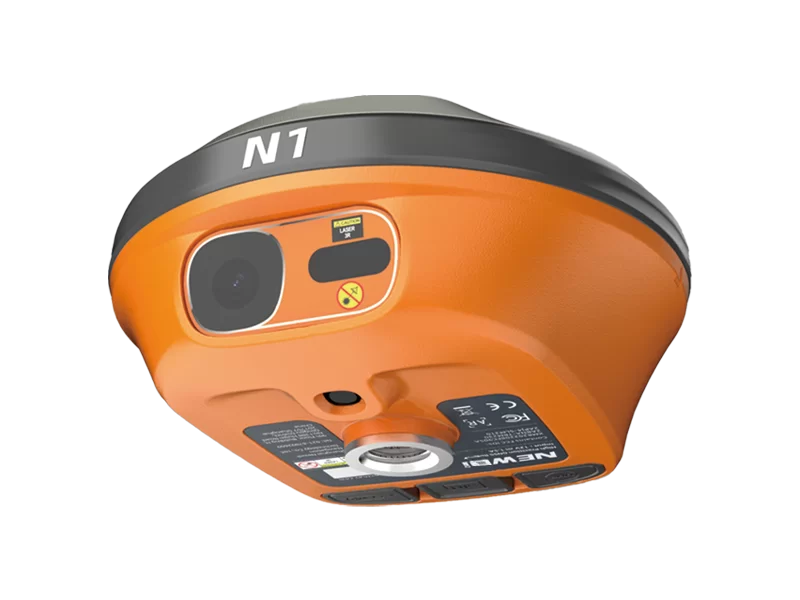
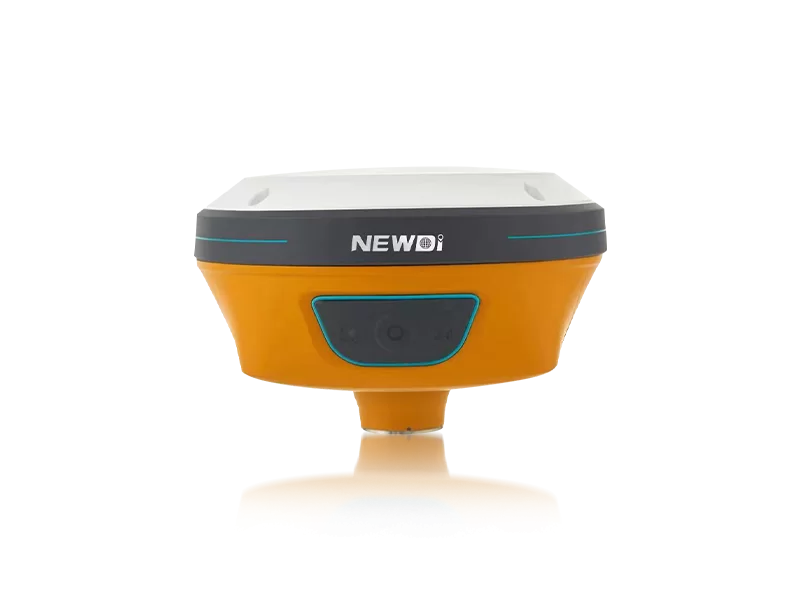
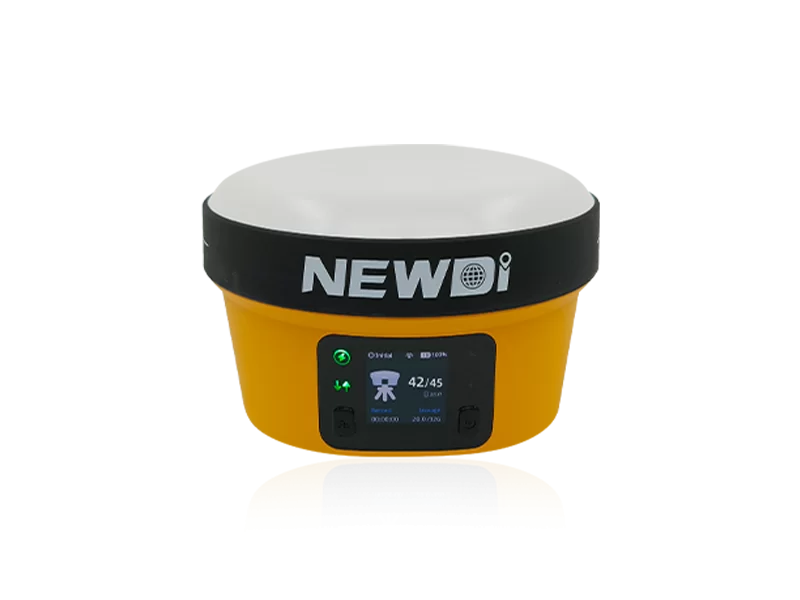
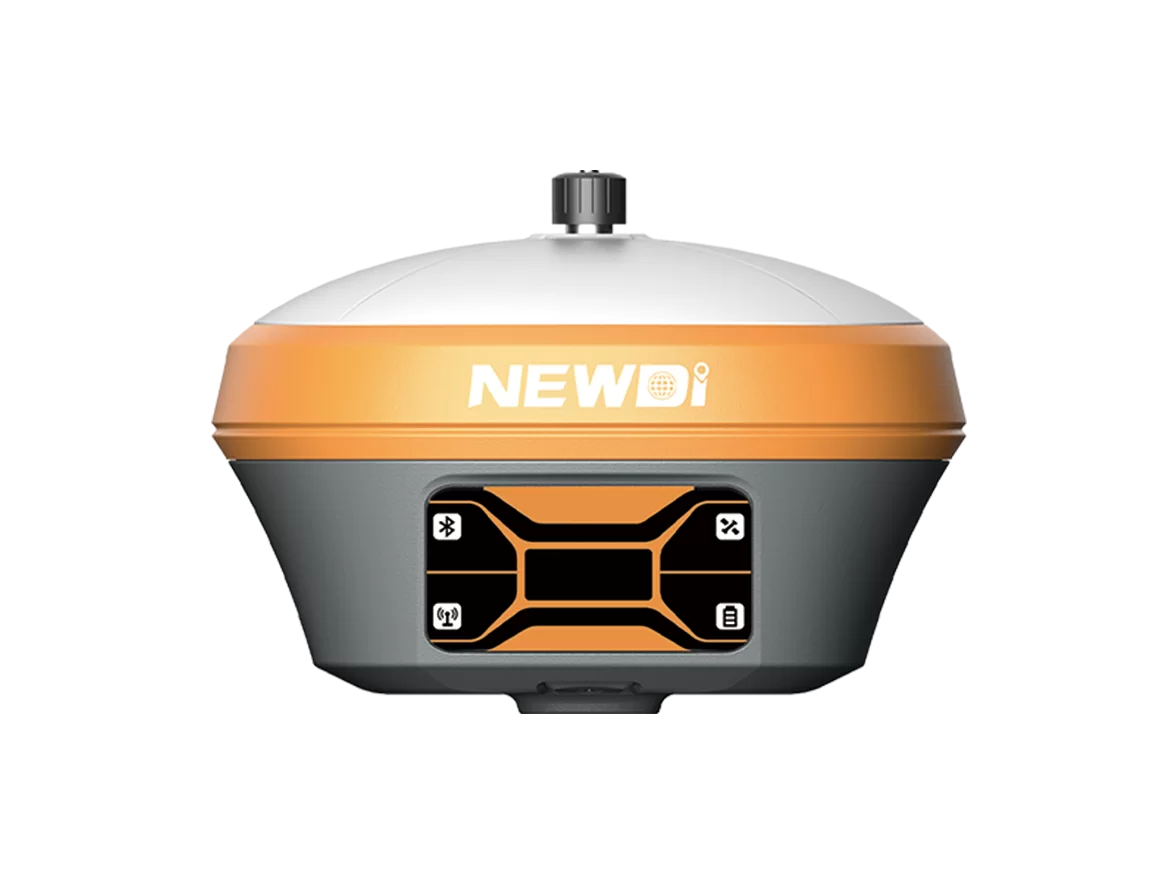
Accelerating the national land certification program by using gnss rtk receiver tools to define clear property boundaries in rural villages.

Brand Story

Global Development Process of Shanghai NCT Navigation Technology Co., Ltd.

Founding Vision

Started with a mission to bridge the gap between complex satellite technology and practical field applications for engineers worldwide.

Technical Breakthrough

Developed proprietary RTK algorithms that significantly reduced convergence time and increased stability in obstructed environments.

Agricultural Expansion

Pivoted toward the "Smart Farm" movement, creating integrated steering systems that revolutionized tractor guidance.

Global Footprint

Established strong distribution networks in Southeast Asia, specifically tailored to the unique environmental needs of Indonesia.

Future Commitment

Dedicated to sustainable development by providing the tools necessary for precision resource management and eco-friendly construction.

Comprehensive Geospatial Portfolio for Indonesia

A full suite of precision instruments designed for the Indonesian market.

Common Questions in Indonesia

Expert answers to technical challenges in the local surveying industry.

How does a GNSS RTK receiver perform in dense Indonesian rainforests?

Our receivers use multi-band and multi-constellation tracking to maximize signal reception. For extremely dense canopies, we recommend combining RTK with a total station for optimal results.

What is the difference between a total station and RTK for road construction?

A total station provides absolute precision for short distances without satellite dependence, while RTK is superior for large-scale site layouts and rapid data collection across vast areas.

Can auto steer tractor systems be installed on older tractor models in Indonesia?

Yes, our systems are designed for versatility. We offer both electronic and hydraulic steering kits that can be retrofitted to most common tractor brands used in local plantations.

Why is gps diferencial important for Indonesian land titling?

Differential GPS corrects satellite errors in real-time, ensuring that property boundaries are legally accurate and preventing land disputes in densely populated rural areas.

Which surveying equipment is best for volcanic terrain mapping?

A combination of RTK for broad mapping and a total station for precise slope measurement is recommended to handle the steep and irregular surfaces of volcanic regions.

How do I maintain my RTK equipment in high-humidity environments?

We provide IP67-rated equipment that is dustproof and waterproof. We recommend regular cleaning of connectors and using desiccants when storing equipment in humid warehouses.

Get Expert Consultation Today

Our technical team is ready to help you optimize your geospatial workflows in Indonesia.

Contact Us Now