
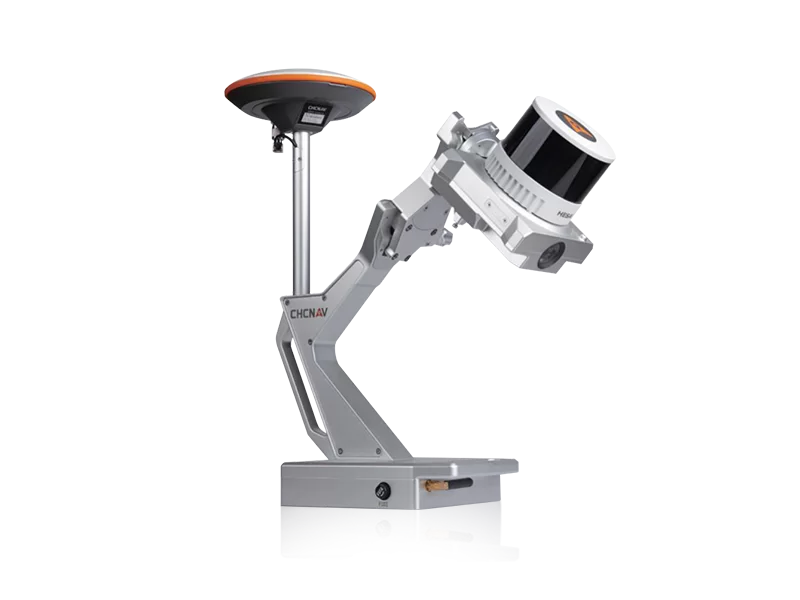
Cameroon's geography, ranging from coastal plains to mountainous highlands and dense rainforests, presents significant challenges for traditional measurement. The high humidity and canopy cover often hinder signal reception for standard gps diferencial systems, making high-sensitivity receivers a necessity for accurate mapping.
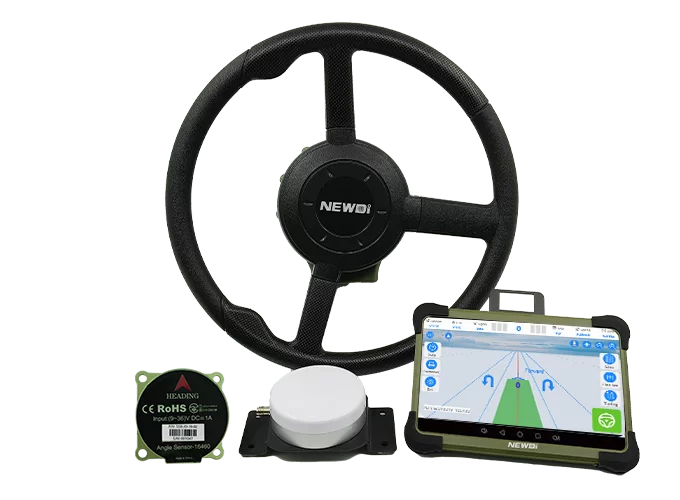
In the agricultural heartlands, there is a growing transition from manual land preparation to precision farming. However, the lack of localized correction networks has previously limited the adoption of auto steer tractor systems, leading to overlap and inefficiency in large-scale plantations.
Currently, the industry in Cameroon is characterized by a mix of legacy optical tools and emerging satellite technologies. While a total station remains a staple for urban construction in Douala and Yaoundé, there is an urgent demand for integrated digital workflows to support the national development plan.