
Shanghai Newdi Navigation Technology Co.,Ltd

Precision gnss rtk receiver Solutions for Belgium's Infrastructure

Empowering Belgian engineering and agriculture with centimeter-level accuracy and advanced geospatial intelligence.

Precision gnss rtk receiver Solutions for Belgium's Infrastructure

Integrating state-of-the-art surveying equipment to optimize land management, urban planning, and high-precision farming across the Belgian landscape.

Geospatial Landscape in Belgium

Analyzing the intersection of high-density urbanism and advanced agrarian needs.

Belgium's unique geography, characterized by the flat plains of Flanders and the rolling hills of Wallonia, demands highly adaptable surveying equipment. The region's high population density and complex land ownership structures make precise boundary definition and urban mapping critical for sustainable development.

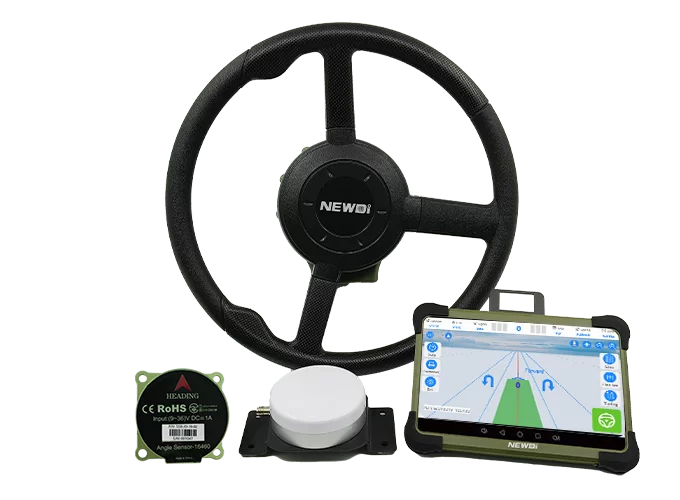
In the agricultural sector, the shift toward "Smart Farming" is accelerating. Belgian farmers are increasingly integrating auto steer tractor systems to maximize yield in small, fragmented plots while adhering to strict EU environmental regulations regarding chemical runoff.

Furthermore, the maritime and logistics hubs around Antwerp and Zeebrugge rely heavily on a gps diferencial network to manage massive infrastructure projects, ensuring that port expansions and rail networks are aligned with absolute millimetric precision.
Evolution of Measurement Technology in Belgium

From optical benchmarks to real-time satellite kinematics.

Market Development History

Historically, Belgian surveying relied on traditional optical instruments. Until the late 1990s, the total station was the primary tool for cadastral mapping, requiring labor-intensive manual sightings and physical benchmarks across the countryside.

The early 2000s marked the transition to GNSS. The introduction of basic GPS allowed for faster data collection, but it was the deployment of local reference stations that enabled the shift toward Differential GPS, reducing errors from meters to decimeters.

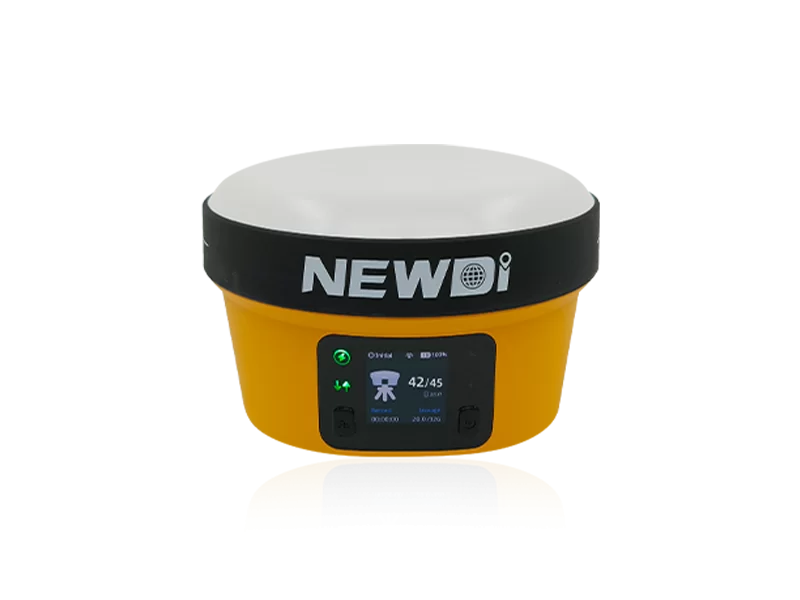
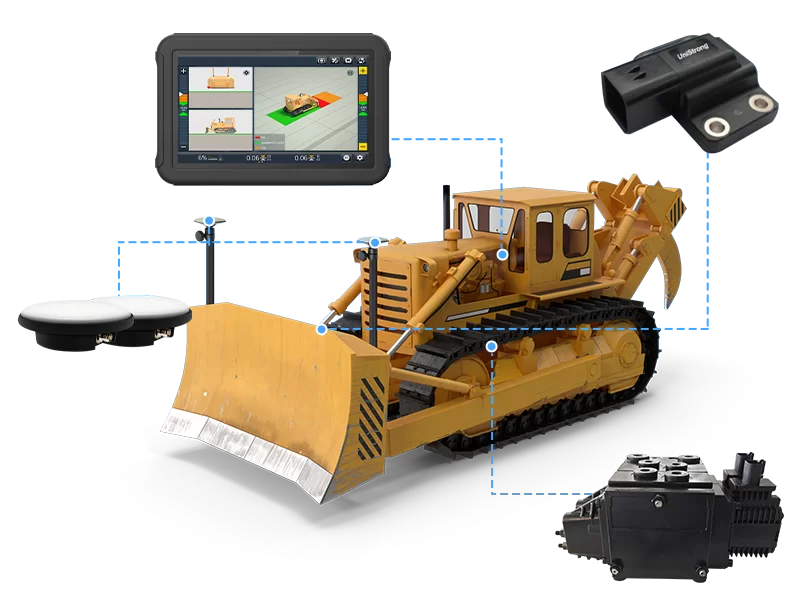
By 2015, the adoption of RTK (Real-Time Kinematic) technology revolutionized the industry. The integration of multi-constellation gnss rtk receiver units allowed Belgian engineers to achieve centimeter-level accuracy in real-time, drastically reducing project timelines for roadworks and tunneling.

Future Development Trends

AI-Driven Automated Mapping

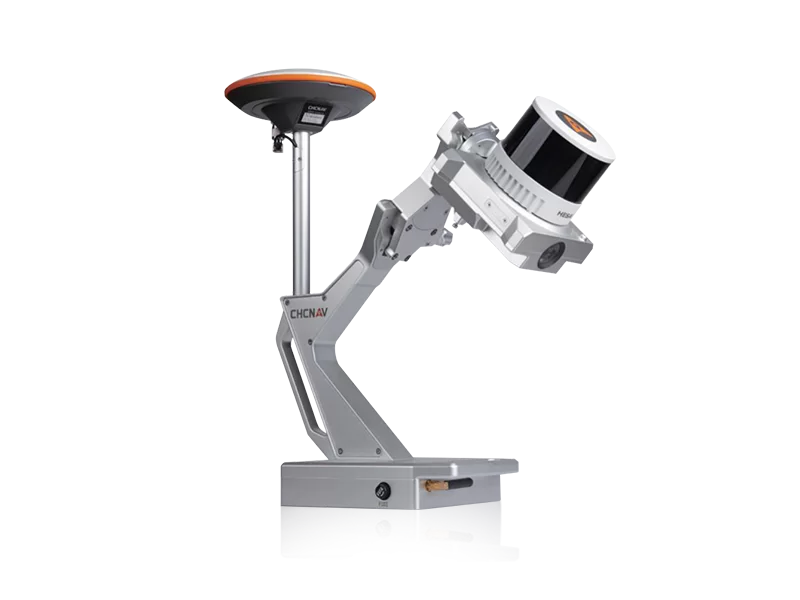
The convergence of LiDAR and GNSS will lead to fully automated 3D digital twins of Belgian cities, allowing for predictive urban planning.

Autonomous Agri-Robotics

Evolution beyond the simple auto steer tractor toward fully autonomous swarms of small robots for precision weeding and seeding.

5G-Enhanced RTK Networks

The rollout of 5G in Belgium will minimize latency in correction data delivery, enabling higher update rates for dynamic moving platforms.

Industry Outlook & Future Trajectory

Predicting the next 5 years of precision measurement in the Benelux region.

Hyper-Local Correction Services
Shift towards ultra-dense CORS networks across Belgium to eliminate signal shadows in urban canyons.
Multi-Constellation Synergy
Standardization of Galileo, GPS, Beidou, and GLONASS integration for unmatched reliability.
Cloud-Integrated Workflows
Instant synchronization between field surveying equipment and BIM software.
Precision Ag-Automation
Expansion of auto steer tractor capabilities to include fully autonomous soil analysis.

Industry Outlook

Based on Google search trends for the Benelux region, there is a significant increase in queries related to "autonomous farming" and "high-precision urban mapping." This indicates a market pivot from simple data collection to active automated control.

The integration of gps diferencial corrections via satellite (PPP-RTK) is expected to reduce the reliance on terrestrial base stations, allowing Belgian contractors to operate seamlessly across the border into France and Germany.

Local Applications in Belgium

Real-world implementation of precision instruments across diverse Belgian sectors.

01. Flanders Precision Agriculture

Using auto steer tractor systems in the sandy soils of West Flanders to ensure overlap-free planting and reduce fuel consumption.

02. Antwerp Port Infrastructure

Deploying high-end surveying equipment for the monitoring of quay wall stability and dredging precision in the Port of Antwerp.

03. Walloon Forest Management

Utilizing a total station combined with GNSS for boundary mapping in the dense forests of the Ardennes where satellite visibility varies.

04. Brussels Urban Redevelopment

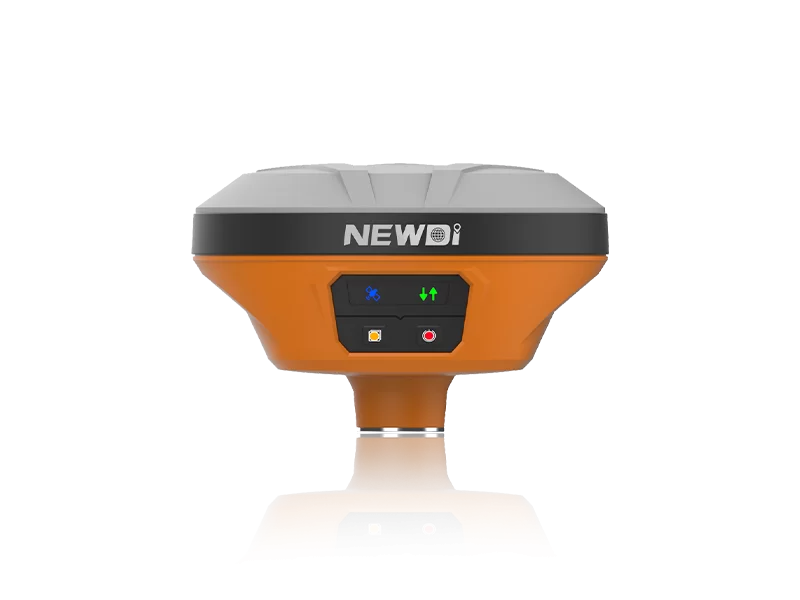
Applying gnss rtk receiver technology for the precise installation of underground utility networks in the dense Brussels city center.

05. Canal Navigation Mapping

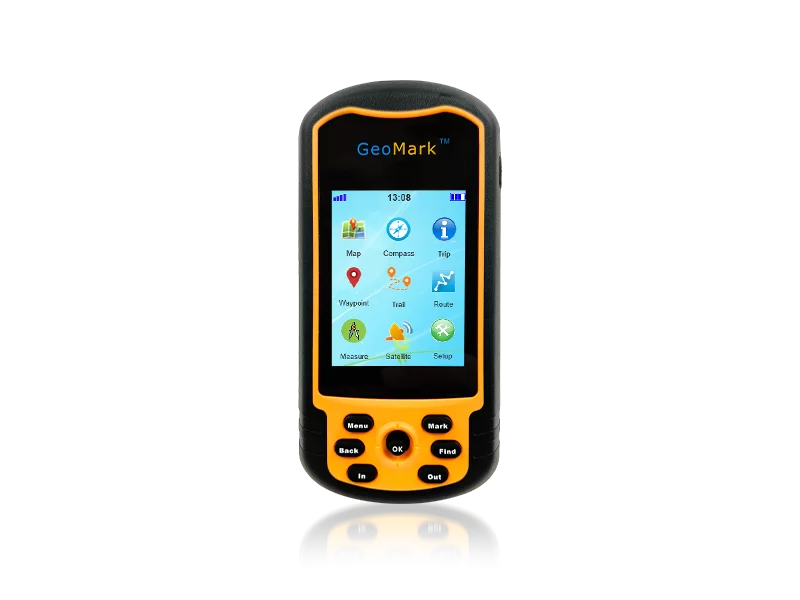
Implementing gps diferencial systems on dredging vessels to maintain the exact depth of Belgium's intricate canal network.

Brand Story

Global Development History of Shanghai Newland Navigation Technology Co., Ltd.

Foundational Innovation

Established with a mission to break the complexity of satellite positioning, focusing on accessible, high-precision hardware.

Technological Breakthrough

Developed proprietary RTK algorithms that significantly reduced convergence time, setting a new standard for efficiency.

Agricultural Expansion

Pioneered the integration of GNSS with heavy machinery, bringing precision steering to farmers worldwide.

Global Market Entry

Expanded operations into the European market, tailoring solutions for strict EU standards and diverse terrains.

Future-Ready Ecosystem

Transitioning toward a full-stack geospatial service provider, combining cloud software with precision hardware.

Complete Precision Suite for Belgium

Professional grade instruments tailored for the Belgian industrial and agricultural standards.

Common Questions in Belgium

Expert answers to technical and regional deployment queries.

How does a gnss rtk receiver handle signal interference in Brussels?

Our receivers use multi-band multi-constellation tracking and advanced filtering to mitigate multipath effects caused by tall buildings in urban areas.

Is the auto steer tractor compatible with common Belgian tractor brands?

Yes, our systems are designed with universal controllers compatible with most major European tractor brands and hydraulic systems.

What is the advantage of a total station over GNSS in the Ardennes?

In densely forested areas where satellite signals are blocked by canopy, a total station provides precise line-of-sight measurements without needing a sky view.

How often should I calibrate my surveying equipment for EU standards?

For professional cadastral work in Belgium, we recommend annual certification and calibration to ensure compliance with national accuracy standards.

Does a gps diferencial system require a local base station in Belgium?

While a local base provides maximum stability, you can also utilize Belgium's public CORS networks via NTRIP for real-time corrections.

What is the accuracy expectation for GNSS RTK in Belgian farmlands?

Under open sky conditions typical of the Flanders plains, you can expect horizontal accuracy of 1-2 cm and vertical accuracy of 2-3 cm.

Ready to Elevate Your Precision?

Our experts are ready to deploy tailored geospatial solutions across Belgium.

Contact Us Now