
Shanghai Newdi Navigation Technology Co.,Ltd

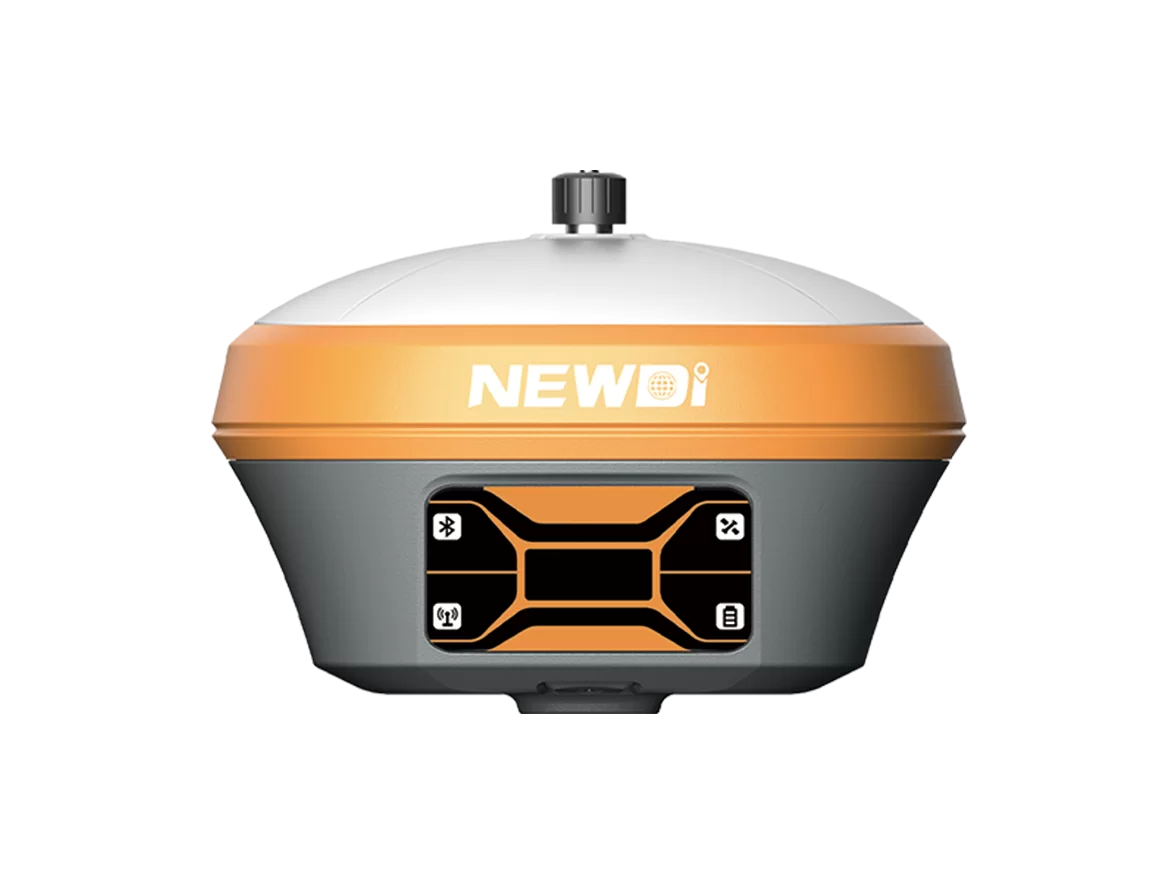
High-Precision gnss rtk receiver Solutions for Yemen Infrastructure

Empowering Yemen's construction and agricultural sectors with cutting-edge geospatial technology for unmatched accuracy in rugged terrains.

High-Precision gnss rtk receiver Solutions for Yemen Infrastructure

From urban redevelopment in Sana'a to agricultural optimization in the Tihama plains, our integrated measurement tools provide the reliability required for Yemen's challenging environment.

Current State of Geomatics in Asia - Yemen

Analyzing the challenges of measurement and mapping in a fragmented landscape.

The current landscape of surveying equipment usage in Yemen is characterized by a transition from legacy mechanical tools to digital systems. Due to the country's diverse topography—ranging from high mountains to coastal deserts—professionals struggle with signal interference and extreme temperature fluctuations that affect electronic stability.

Economic constraints and infrastructure damage have led to a reliance on refurbished equipment. However, there is a growing demand for high-efficiency tools like the total station to facilitate urgent reconstruction of roads and water management systems in regional hubs.

Furthermore, the agricultural sector is seeing a slow but steady adoption of precision farming. The need to optimize scarce water resources in arid regions is driving interest in automated guidance systems to reduce overlap and waste during land preparation.
Evolution of Measurement Technology in Yemen

The journey from optical triangulation to satellite-based precision.

Market Development History

Prior to 2010, the Yemeni market relied heavily on basic optical levels and manual theodolites. Surveying was labor-intensive, often taking weeks to map small rural areas with significant margins of error.

Between 2010 and 2020, the introduction of early-stage digital gps diferencial systems began to streamline land registry and border demarcation, reducing manual calculation times by nearly 60%.

From 2020 to the present, the shift toward RTK (Real-Time Kinematic) technology has allowed for centimeter-level accuracy in real-time, essential for the complex geological surveys required in Yemen's mountainous western highlands.

Future Development Trends

Integration of AI in Mapping

We predict a surge in AI-driven data processing that can automatically filter noise from satellite signals in dense urban environments.

Expansion of Smart Agriculture

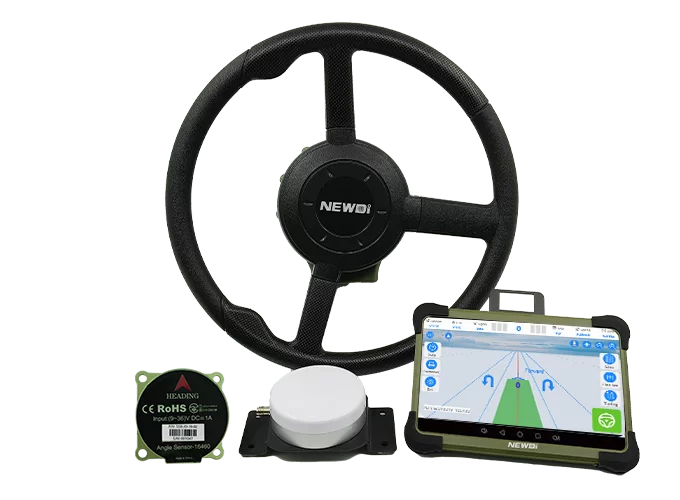
The deployment of the auto steer tractor will become pivotal in increasing crop yields per hectare across the Tihama coastal plain.

Cloud-Based Geospatial Collaboration

Moving from local storage to cloud-based GIS will allow fragmented teams across different Yemeni provinces to synchronize survey data instantly.

Industry Trends and Future Outlook

Strategic projections for the next 3-5 years in Yemen's instrument manufacturing sector.

Multi-Constellation Support
Transitioning to receivers that support GPS, GLONASS, BeiDou, and Galileo to ensure signal stability in Yemen's deep valleys.
Autonomous Precision
Increasing adoption of steer-by-wire systems for mechanized farming to overcome labor shortages in rural provinces.
Ruggedization Standards
Hardware evolving toward higher IP ratings to withstand the extreme dust and heat of the Arabian Peninsula.
RTK Network Expansion
Developing local CORS networks in Yemen to eliminate the need for portable base stations in every project.

Industry Outlook

The future of precision instruments in Yemen is inextricably linked to national recovery efforts. As reconstruction projects scale, the demand for integrated surveying equipment will shift from basic measurement to complex 3D modeling and BIM integration.

Google search trends indicate a rising interest in "low-cost high-precision GNSS," suggesting that the market is moving toward democratizing professional-grade tools for small-scale Yemeni contractors and farmers.

Localized Application Scenarios in Yemen

Practical deployment of precision measurement tools in the Yemeni context.

1. Urban Reconstruction in Sana'a

Utilizing the total station for precise boundary mapping and structural alignment during the restoration of heritage buildings and damaged urban infrastructure.

2. Tihama Coastal Agriculture

Implementing auto steer tractor systems to optimize the planting of cash crops, reducing seed waste and improving irrigation efficiency in flat coastal plains.

3. Mountainous Road Development

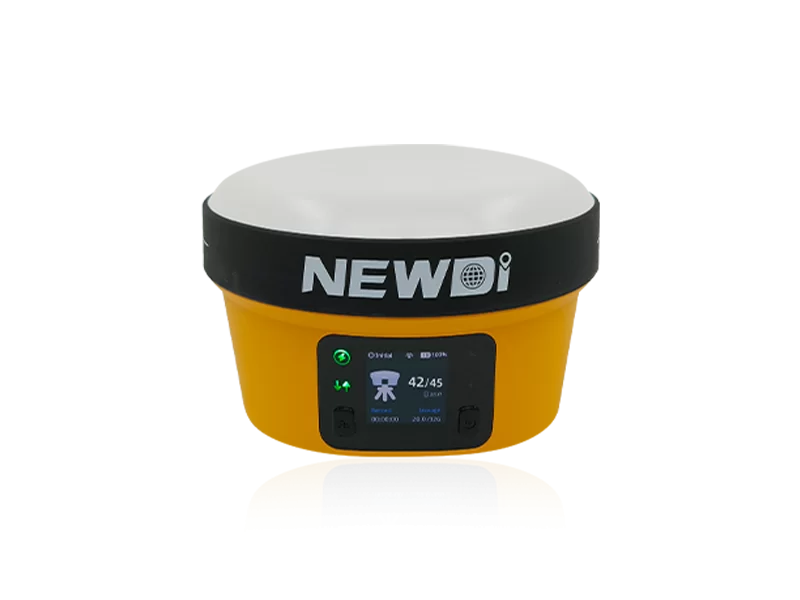
Deploying gnss rtk receiver units to chart new transport routes through the Sarawat Mountains, ensuring grade accuracy in extreme slopes.

4. Oil and Gas Pipeline Mapping

Using gps diferencial technology for the precise layout and monitoring of energy pipelines across the Marib and Hadramaut regions.

5. Water Resource Management

Applying comprehensive surveying equipment to design rainwater harvesting basins and dams to combat Yemen's chronic water scarcity.

Brand Story

Global Development Journey of Shanghai NCT Navigation Technology Co., Ltd.

Founding Vision

Established with the mission to bridge the gap between complex satellite data and practical field application for engineers globally.

Technological Breakthrough

Developed proprietary RTK algorithms that significantly reduced convergence time, enabling faster deployments in challenging environments.

Global Expansion

Expanded operations into Asia and the Middle East, tailoring hardware to survive extreme climates and diverse regulatory standards.

Precision Agriculture Pivot

Integrated GNSS technology with tractor automation, evolving from a measurement company to a comprehensive precision guidance provider.

Commitment to Yemen

Dedicated to providing affordable, high-precision tools to support the sustainable reconstruction and agricultural revival of Yemen.

Complete Precision Product Portfolio for Yemen

Professional-grade tools engineered for the Middle Eastern terrain.

Common Questions in Yemen's Surveying Market

Expert answers to local technical and logistical challenges.

How does the heat in Yemen affect gnss rtk receiver accuracy?

Extreme heat can cause oscillator drift. Our receivers use temperature-compensated crystals and industrial-grade housings to maintain centimeter-level precision even in 45°C+ temperatures.

Can a total station be used for mapping in dense urban Sana'a?

Yes, a total station is ideal for urban areas where satellite signals are blocked by tall buildings, providing high-precision distance and angle measurements via optical methods.

Is auto steer tractor technology suitable for small Yemeni farms?

Absolutely. Even on small plots, auto-steering reduces overlap during tilling and spraying, which saves expensive fuel and fertilizers, increasing overall profitability.

What is the difference between gps diferencial and standard GPS in surveying?

Standard GPS has meter-level error. Differential GPS uses a fixed reference station to correct these errors, allowing surveyors to achieve sub-decimeter accuracy required for construction.

Where can I find compatible surveying equipment for rugged mountain terrain?

Our product line is specifically designed for rugged use, featuring reinforced chassis and multi-band antennas that maintain lock in deep valleys and steep slopes.

How often should calibration be performed on measurement instruments in Yemen?

Due to high dust levels and temperature swings, we recommend a full calibration every 6 months or after any significant transport over rough terrain to ensure data integrity.

Ready to Upgrade Your Precision?

Our technical experts are ready to provide tailored measurement solutions for your projects in Yemen.

Contact Us Now