

Shanghai Newdi Navigation Technology Co.,Ltd

High-Precision GNSS RTK Receiver Solutions for UAE Infrastructure

Empowering the United Arab Emirates' construction and agricultural sectors with centimeter-level accuracy and cutting-edge geospatial intelligence.

High-Precision GNSS RTK Receiver Solutions for UAE Infrastructure

Integrating professional-grade surveying equipment to meet the rigorous demands of urban planning and desert land management in the UAE.

The State of Geospatial Measurement in United Arab Emirates

Adapting precision instruments to extreme desert climates and rapid urban expansion.

In the United Arab Emirates, the demand for high-end surveying equipment is driven by massive giga-projects and the strategic diversification of the economy. The unique environmental challenge of extreme heat and fine sand requires hardware with high IP ratings and thermal stability to ensure consistent data collection.

The integration of gps diferencial systems has become essential for maintaining the accuracy of land boundaries in rapidly shifting desert landscapes. UAE's commitment to "Smart City" initiatives in Dubai and Abu Dhabi necessitates a seamless transition from raw field data to BIM models.

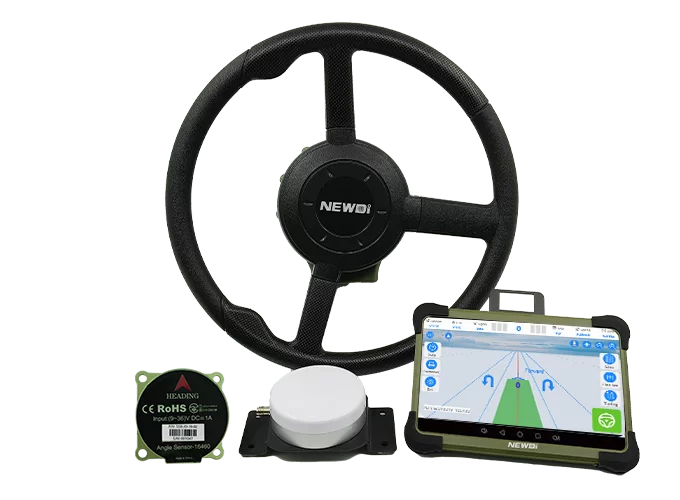
Furthermore, the agricultural sector in the UAE is evolving towards precision farming. The adoption of auto steer tractor technology is increasing to optimize water usage and fertilizer distribution in arid soil conditions, reducing waste and increasing crop yield.
Evolution of Precision Measurement in the Middle East

From traditional optical surveying to autonomous satellite-based positioning.

Market Development History

Between 2000 and 2010, the UAE market relied heavily on traditional total station instruments. These optical tools were the gold standard for the early phases of skyscraper construction, providing precise angle and distance measurements but requiring clear lines of sight.

From 2011 to 2020, there was a paradigm shift toward satellite-based positioning. The introduction of multi-constellation GNSS technology allowed surveyors to operate more efficiently over vast desert areas, reducing the need for manual base-station setups for every small plot.

Since 2021, the focus has shifted toward automation and real-time connectivity. The synergy between high-speed 5G networks in the UAE and RTK corrections has enabled instantaneous centimeter-level accuracy across diverse industrial applications.

Future Development Trends

AI-Driven Data Synthesis

Future systems will move beyond mere measurement to predictive modeling, where AI analyzes spatial data to optimize urban traffic flow and infrastructure resilience.

Hybrid Positioning Ecosystems

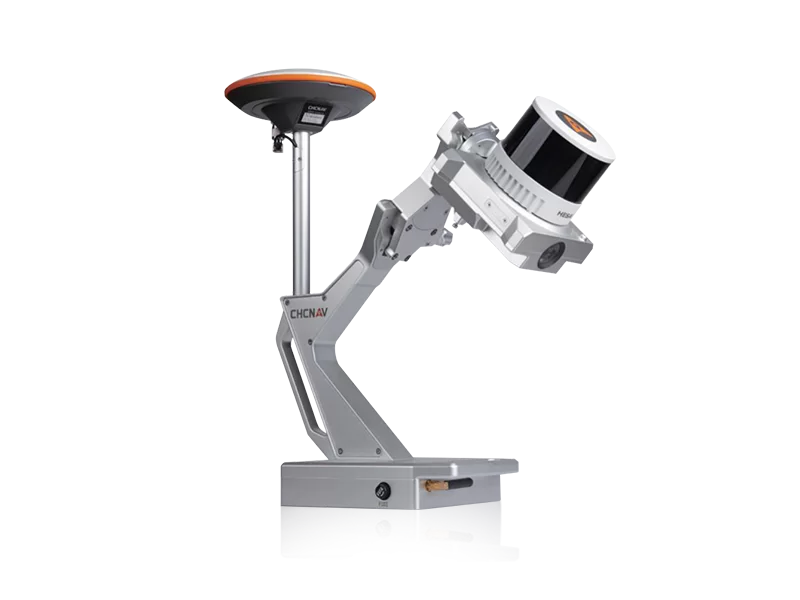
The convergence of LiDAR and GNSS will create a hybrid environment where instruments can switch between satellite and laser-based positioning based on signal availability.

Autonomous Machine Control

We expect a surge in fully autonomous machinery where the auto steer tractor evolves into a fully unmanned platform for desert reclamation.

Industry Outlook and Technological Forecast

Predicting the trajectory of measurement technology for the next 5 years.

Enhanced Multi-Constellation Support
Increasing reliability by integrating Beidou, GPS, GLONASS, and Galileo for uninterrupted signals in urban canyons.
Cloud-Based Correction Services
Transitioning from local base stations to virtual reference stations (VRS) via high-speed cloud networks.
Edge Computing Integration
Processing spatial data directly on the device to reduce latency in autonomous steering and grading.
Sustainability-Focused Surveying
Using precision measurement to minimize material waste in construction, supporting UAE's Green Agenda.

Industry Outlook

Based on Google search trends and regional investment patterns, there is a marked increase in queries for "automated construction" and "precision agriculture" within the UAE. This indicates a shift from manual measurement to machine-integrated guidance systems.

The next three to five years will see the standardization of RTK networks across all seven emirates, making centimeter-level precision a commodity rather than a luxury, further accelerating the pace of the UAE's urban transformation.

Localized Application Scenarios in United Arab Emirates

Real-world implementations of precision instrumentation in the Arabian Peninsula.

1. Urban High-Rise Frameworks in Dubai

Utilizing a total station for extreme vertical precision and alignment in the construction of the world's tallest structures, ensuring structural integrity.

2. Desert Land Reclamation and Leveling

Implementing gps diferencial systems to manage large-scale earthworks, ensuring precise slope and grade control for new residential developments in the desert.

3. Precision Date Palm Plantation Management

Deploying an auto steer tractor for the automated maintenance of date palm groves, optimizing the application of nutrients and water in arid zones.

4. Coastal Infrastructure and Port Expansion

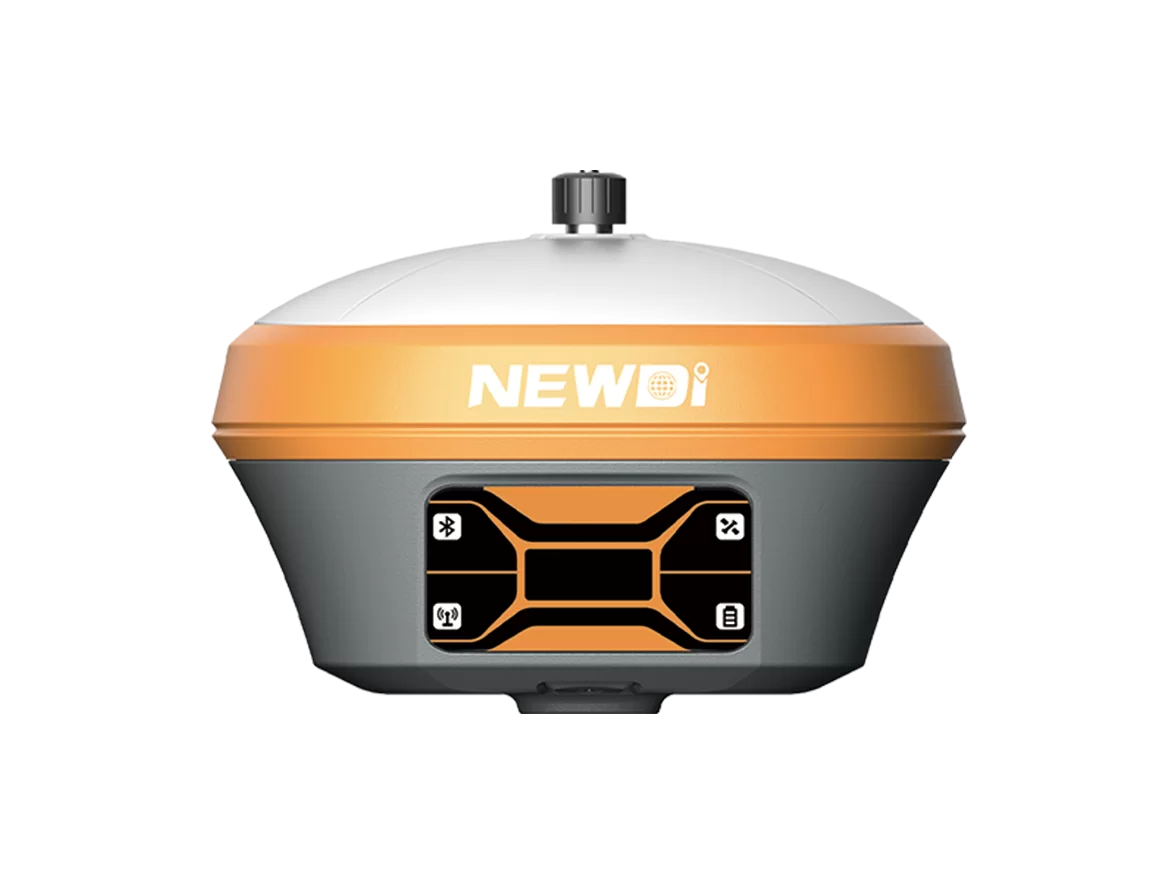
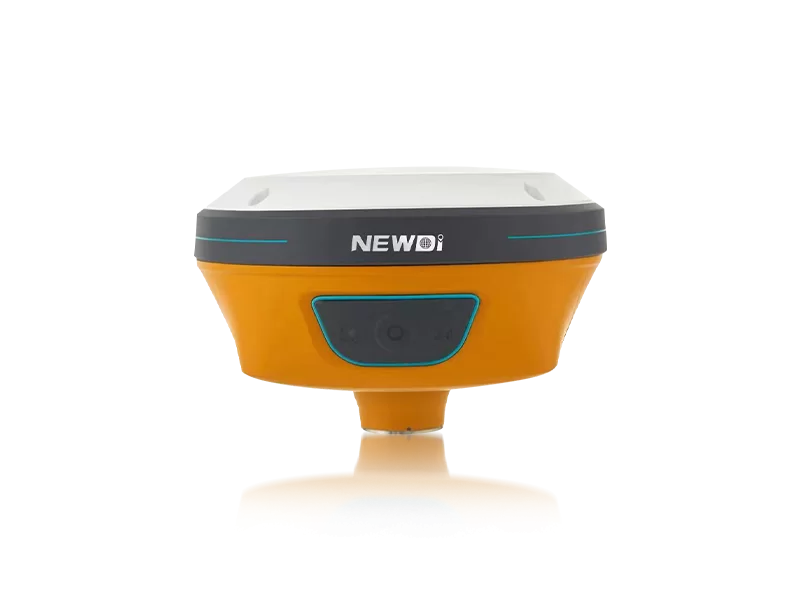
Using gnss rtk receiver technology for accurate mapping of shorelines and the installation of maritime berths in Jebel Ali Port.

5. Strategic Oil and Gas Pipeline Mapping

Applying comprehensive surveying equipment to map underground utility networks and pipelines across the vast interior landscapes to prevent operational interference.

Brand Story

Global Development Journey of Shanghai NCT Navigation Technology Co., Ltd.

Foundational Innovation

Established with a vision to bridge the gap between complex satellite data and practical field application, focusing on high-accuracy RTK modules.

Technological Breakthrough

Developed proprietary algorithms to enhance signal stability in challenging environments, reducing convergence time for global users.

Global Market Expansion

Expanded operations into the Middle East, tailoring hardware to withstand high temperatures and extreme dust for the UAE market.

Agricultural Transformation

Launched a suite of machine control systems, enabling the transition from manual steering to autonomous precision farming.

Future-Ready Ecosystem

Currently building an integrated geospatial ecosystem that combines hardware, cloud services, and AI for total spatial intelligence.

Comprehensive Precision Portfolio for UAE Market

Integrated tools designed for the unique demands of the United Arab Emirates' industry.

UAE Localized Technical FAQ

Expert answers to common questions regarding geospatial equipment in the region.

How does extreme UAE heat affect GNSS RTK receiver accuracy?

Extreme heat can cause thermal drift in oscillators. Our receivers use temperature-compensated crystals and industrial-grade housings to ensure stability up to 70°C.

Can auto steer tractor systems handle sandy desert terrain?

Yes, our systems utilize high-torque actuators and sealed components to prevent sand ingress while maintaining precise path following on loose soil.

What is the advantage of gps diferencial over standard GPS in Dubai's urban areas?

Differential GPS corrects common atmospheric errors, providing centimeter-level accuracy which is critical for avoiding interference in dense skyscraper environments.

Which surveying equipment is best for rapid land mapping in Abu Dhabi?

A combination of GNSS RTK receivers for boundary control and a total station for high-precision detail mapping is recommended for maximum efficiency.

How do I maintain a total station in dusty UAE environments?

We recommend using soft-bristle brushes for lens cleaning and ensuring the device is stored in a climate-controlled environment when not in active use.

Is multi-constellation support necessary for UAE geospatial projects?

Absolutely. Multi-constellation support ensures a higher number of visible satellites, which is vital for maintaining a "Fix" in urban canyons and remote desert areas.

Get Precision Engineering Support

Contact our regional specialists today to optimize your geospatial workflow in the United Arab Emirates.

Contact Us Now