

Shanghai Newdi Navigation Technology Co.,Ltd

High-Precision GNSS RTK Receiver Solutions for Turkmenistan

Empowering Turkmenistan's infrastructure and agriculture with industrial-grade measurement and autonomous steering technology.

High-Precision GNSS RTK Receiver Solutions for Turkmenistan

Integrating advanced satellite positioning and precision measurement tools to optimize land management and engineering projects across the Turkmenistan region.

The State of Precision Measurement in Turkmenistan

Analyzing the challenges of surveying in the Karakum Desert and Caspian coastal regions.

Turkmenistan's unique geography, dominated by the vast Karakum Desert, presents significant challenges for traditional surveying equipment. The extreme temperature fluctuations and sandy terrains demand hardware that is not only rugged but capable of maintaining signal stability under harsh environmental conditions.

Currently, the construction of new smart cities like Arkadag has accelerated the demand for a high-accuracy total station to ensure architectural precision. The shift from manual mapping to digital surveying is evident as the government pushes for modernized urban planning and infrastructure development.

In the agricultural sector, the need to optimize water usage in arid zones has made the adoption of gps diferencial systems a priority. Precision farming is no longer a luxury but a necessity to combat soil salinity and maximize crop yields in the Ahal and Mary regions.

Evolution and Trajectory of Surveying Technology

From optical measurements to autonomous satellite-driven precision.

Market Development History

In the early 2000s, Turkmenistan relied heavily on traditional optical tools and basic GPS units, which required extensive manual labor and were prone to human error in the wide-open plains.

Between 2010 and 2020, the industry witnessed a transition toward digital integration. The introduction of the first-generation total station models allowed for faster data collection, though they still lacked the real-time connectivity needed for large-scale desert projects.

From 2021 to the present, the focus has shifted toward RTK (Real-Time Kinematic) technology. The deployment of high-frequency base stations has enabled centimeter-level accuracy, paving the way for the integration of an auto steer tractor in commercial farming.

Future Development Trends

Integration of Multi-Constellation GNSS

Future systems will move beyond single-network reliance, utilizing Beidou, GLONASS, and GPS simultaneously to ensure uninterrupted connectivity in remote desert regions.

AI-Driven Automated Mapping

We expect a rise in AI-processed surveying data, reducing the time from field collection to CAD design by automating point cloud classification.

Autonomous Agricultural Ecosystems

The convergence of IoT and precision positioning will lead to fully autonomous farming fleets, where steering and seeding are managed by a centralized cloud platform.

Industry Trends and Future Outlook

Driving efficiency through digital transformation in the measurement industry.

RTK Network Expansion
Expanding the CORS network across Turkmenistan to provide ubiquitous centimeter-level corrections.
Smart Ag-Tech Adoption
Integrating autonomous steering with variable rate application for precision cotton and wheat farming.
Cloud-Based Surveying
Transitioning from local storage to real-time cloud synchronization for field-to-office workflows.
Harsh Environment Engineering
Developing IP68-rated instruments specifically for high-temperature desert operations.

Industry Outlook

Based on Google search trends for precision agriculture in Central Asia, there is a growing demand for integrated GNSS solutions. The market is shifting from standalone devices to holistic ecosystem platforms that combine hardware and software.

Over the next 3-5 years, we anticipate that Turkmenistan will prioritize the digitalization of its land registry, significantly increasing the adoption of high-precision RTK and total station equipment for official cadastral surveys.

Localized Applications in Turkmenistan

Real-world implementation of precision instruments in diverse local environments.

01. Desert Infrastructure Development

Utilizing surveying equipment to layout roads and pipelines across the Karakum region, ensuring precise alignment despite shifting sands.

02. Precision Cotton Farming

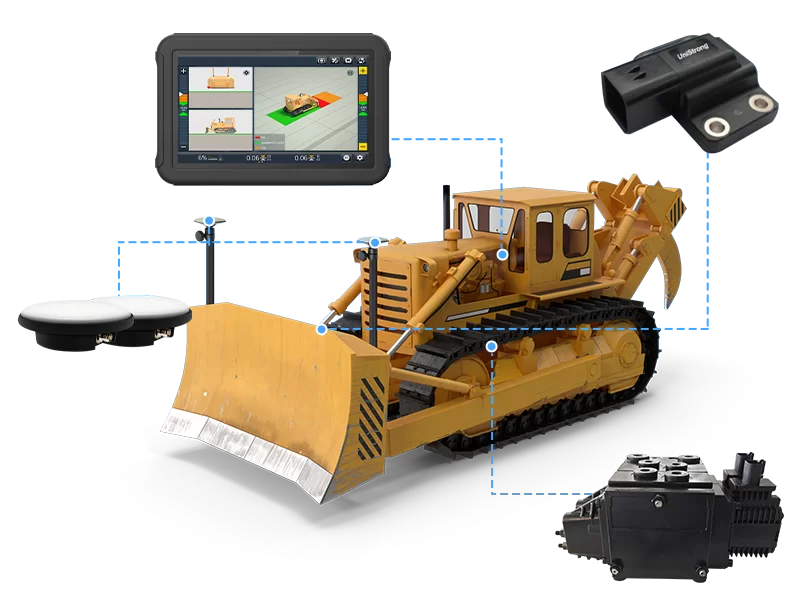
Implementing an auto steer tractor to reduce overlap during planting and fertilizing, significantly lowering operational costs for local farmers.

03. Urban Planning in Ashgabat

Deploying the total station for high-density building construction and public monument alignment in the capital city.

04. Oil and Gas Pipeline Mapping

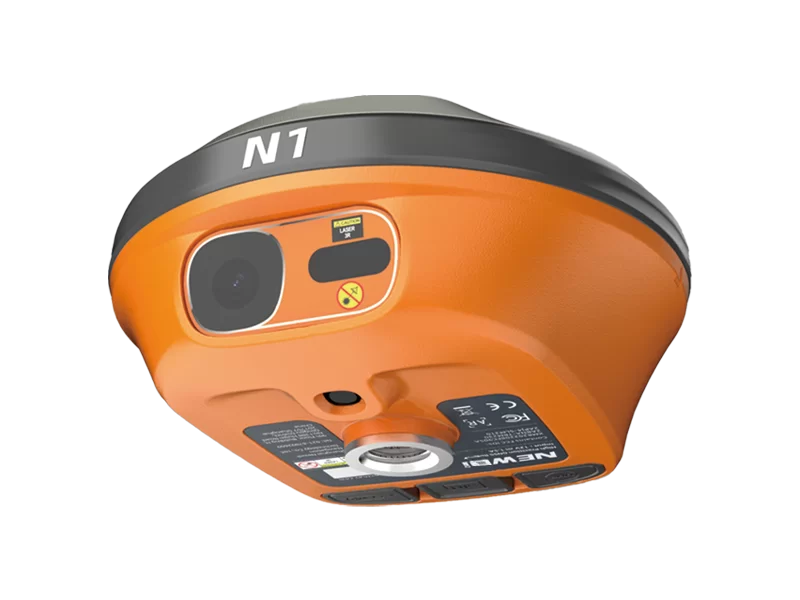
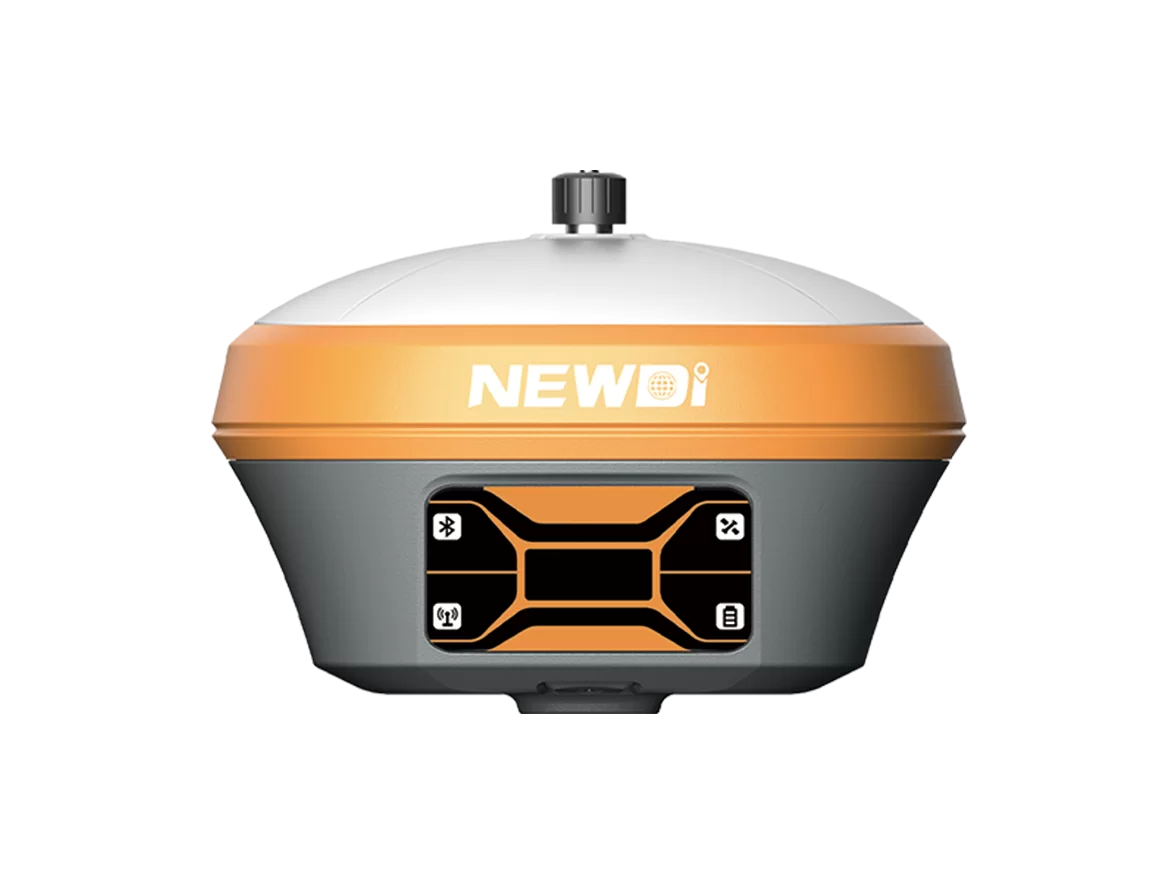
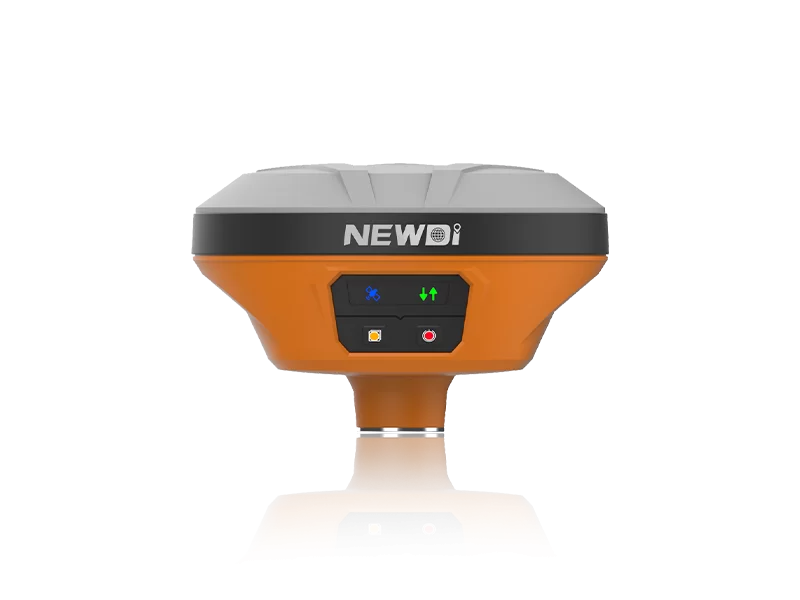
Using a gnss rtk receiver to maintain accurate spatial records of underground energy infrastructure for maintenance and expansion.

05. Irrigation Canal Optimization

Applying gps diferencial technology to design gravity-fed irrigation systems that minimize water waste in arid zones.

Brand Story

Global Development History of Shanghai NCT Navigation Technology Co., Ltd.

The Foundation of Precision

Established with a vision to bridge the gap between complex satellite data and practical field application in the measurement industry.

Technological Breakthroughs

Developed proprietary RTK algorithms that significantly reduced initialization time and increased signal stability in challenging environments.

Global Market Expansion

Extended our footprint to Central Asia, adapting our hardware to withstand the extreme climates of regions like Turkmenistan.

Agri-Tech Innovation

Launched a specialized line of autonomous steering solutions, transforming traditional farming into high-efficiency precision agriculture.

Commitment to Excellence

Continuing to innovate in the field of geospatial intelligence, ensuring our clients achieve millimeter-level accuracy worldwide.

Comprehensive Product Portfolio for Turkmenistan

Our full range of professional instruments designed for the Central Asian market.

Local FAQs for Precision Instruments

Answers to the most common technical questions from our Turkmenistan partners.

How does the GNSS RTK receiver perform in desert heat?

Our receivers are designed with industrial-grade heat sinks and IP68 ratings, ensuring stable operation in temperatures up to 60°C, which is critical for the Turkmenistan climate.

Can the auto steer tractor be installed on older tractor models?

Yes, our systems are designed for universal compatibility, utilizing a flexible mounting kit that fits most heavy machinery used in Turkmenistan agriculture.

What is the accuracy difference between a total station and GNSS?

A total station provides higher relative accuracy for short-distance engineering, while GNSS RTK provides absolute global positioning across large areas.

Do I need a local base station for gps diferencial systems?

You can use either a local base station for maximum reliability or connect to an NTRIP caster via the internet for flexible RTK corrections.

Which surveying equipment is best for land cadastral work?

A combination of GNSS RTK for boundary definition and a total station for detailed plot measurement is the industry standard for cadastral surveys.

How is the data exported from the receivers?

Data can be exported in standard DXF, CSV, and TXT formats, ensuring seamless integration with AutoCAD and other GIS software used locally.

Consult Our Experts Today

Ready to modernize your operations in Turkmenistan? Contact us for a tailored precision measurement solution.

Contact Us Now