
Shanghai Newdi Navigation Technology Co.,Ltd

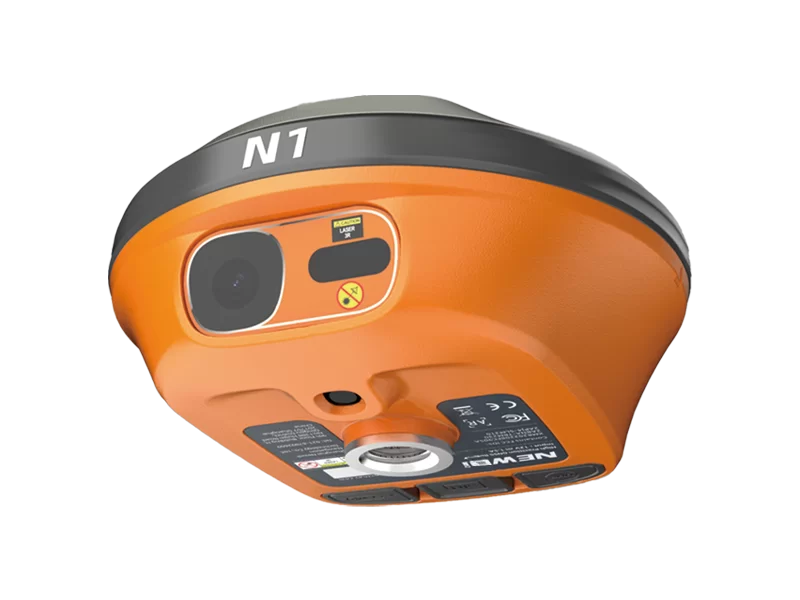
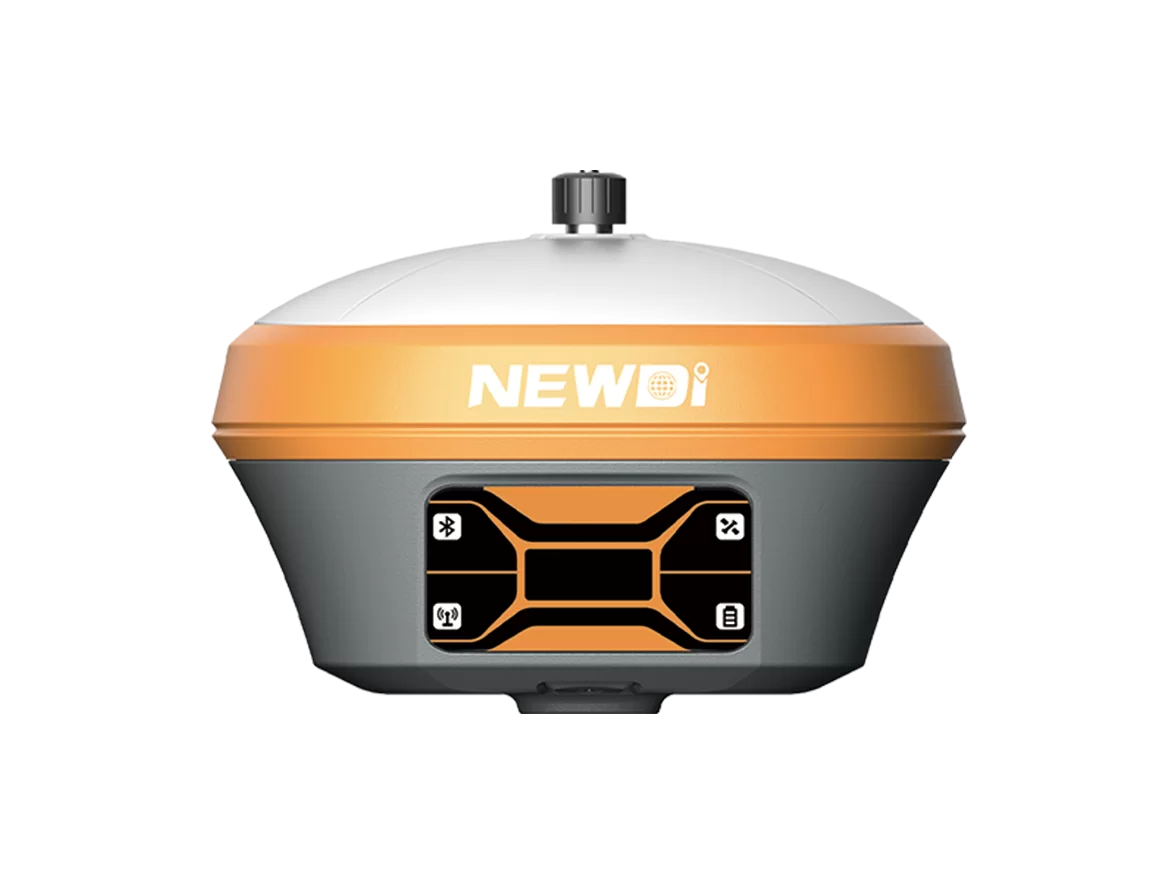
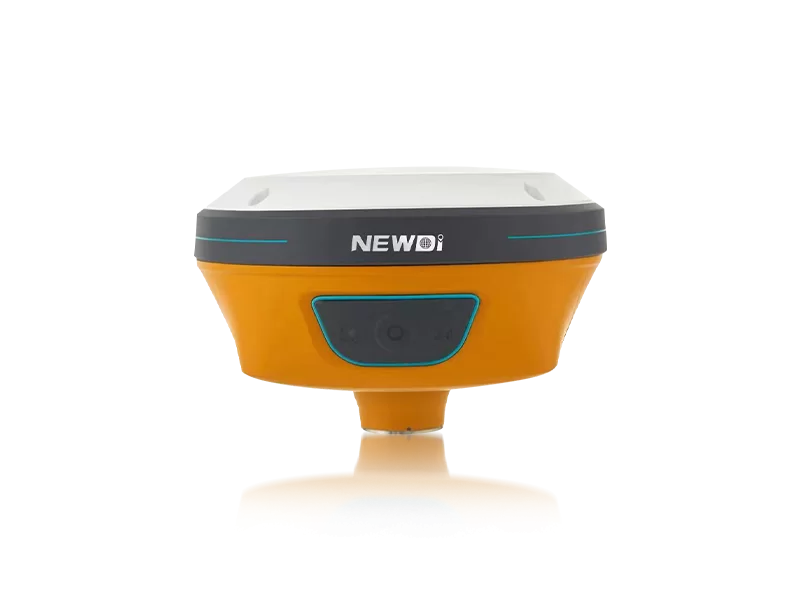
High-Precision gnss rtk receiver Solutions for Singapore's Urban Infrastructure

Empowering Singapore's smart city initiatives with centimeter-level accuracy and advanced geospatial measurement tools.

High-Precision gnss rtk receiver Solutions for Singapore's Urban Infrastructure

Providing the most reliable surveying equipment to meet the rigorous demands of Singapore's land reclamation and urban development projects.

The State of Geospatial Measurement in Singapore

Navigating high-density urban canyons and tropical climatic challenges.

Singapore's unique landscape, characterized by extreme urban density and a tropical rainforest climate, creates significant challenges for traditional surveying equipment. The prevalence of skyscrapers leads to signal multipath effects, requiring advanced filtering and high-sensitivity receivers to maintain accuracy.

The local industry is currently shifting toward integrated digital twins. The demand for gps diferencial corrections has surged as the government pushes for "Smart Nation" initiatives, necessitating a seamless blend of satellite data and terrestrial checkpoints.

Furthermore, the limited land area makes precise boundary definition critical. Professional surveyors in Singapore are increasingly replacing legacy tools with integrated total station systems that offer higher efficiency in high-traffic construction zones.
Evolution of Singapore's Surveying Technology

From manual theodolites to autonomous spatial intelligence.

Market Development History

In the late 20th century, Singapore relied heavily on mechanical measurement tools. The primary method involved manual optical readings, which were time-consuming and prone to human error during large-scale land reclamation projects.

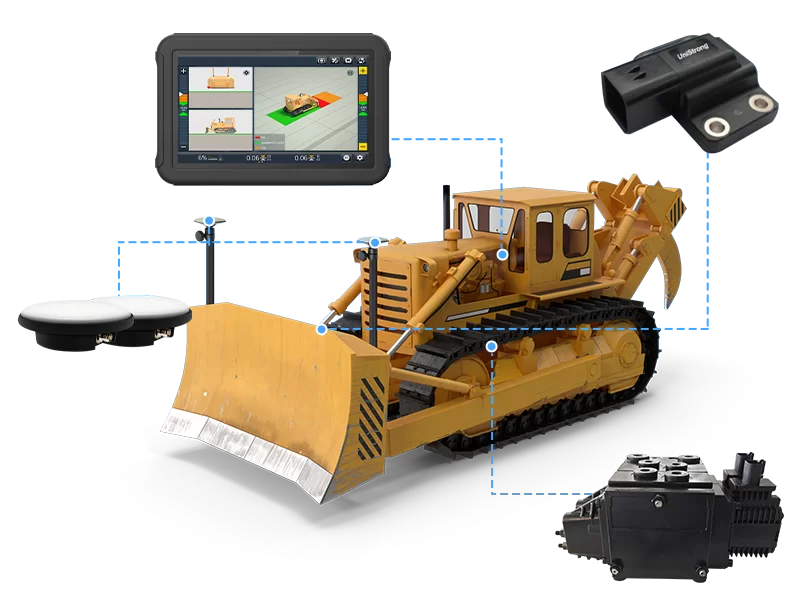
Between 2000 and 2015, the industry saw the widespread adoption of the total station, which digitized distance and angle measurements, drastically reducing the time required for cadastral surveys in the city-state.

From 2016 to the present, the integration of GNSS networks has revolutionized the field. The transition to real-time kinematic (RTK) technology has allowed for instantaneous positioning, supporting the rapid growth of Singapore's underground infrastructure and tunneling.

Future Development Trends

AI-Driven Spatial Analysis

Integration of machine learning with surveying equipment to automatically filter urban noise and predict signal interference in dense districts like the CBD.

Full Autonomous Machine Control

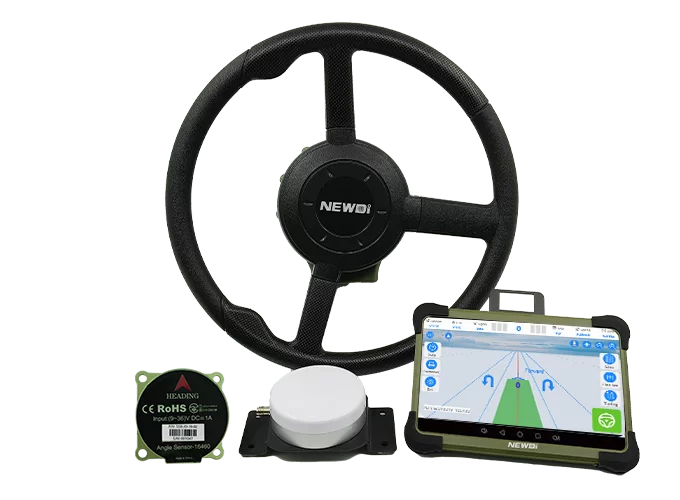
The expansion of auto steer tractor technology into urban landscaping and specialized maintenance vehicles for Singapore's green corridors.

Quantum Positioning Systems

Moving beyond traditional satellites to hybrid quantum-GNSS systems to ensure 100% uptime in deep subterranean environments and tunnel constructions.

Industry Trends and Future Outlook

Analyzing the trajectory of precision measurement in Southeast Asia's hub.

Hyper-Converged RTK Networks
Integration of multi-constellation GNSS with local 5G networks for zero-latency corrections.
Digital Twin Integration
Real-time synchronization between field surveying data and BIM models for city planning.
Automation in Maintenance
Deployment of auto steer tractor systems for automated urban greenery management.
Cloud-Based Geospatial Data
Transition from local storage to cloud-native spatial databases for instant global collaboration.

Industry Outlook

Based on Google search trends in the Asia-Pacific region, the demand for high-precision positioning is shifting from pure construction to operational maintenance. The rise of autonomous vehicles in Singapore will drive a massive increase in the deployment of RTK-based correction networks.

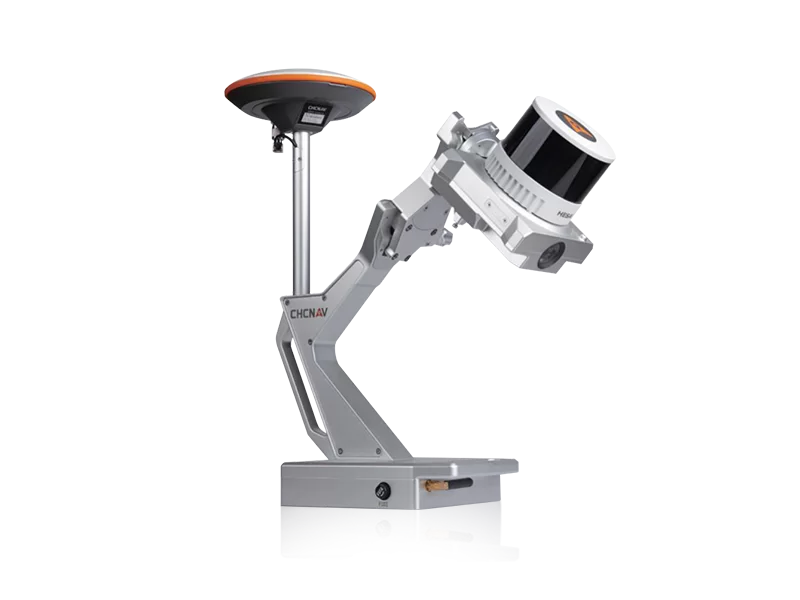
The next 3-5 years will see a convergence of LiDAR and GNSS, where the gnss rtk receiver will act as the primary anchor for high-definition 3D mapping, enabling fully autonomous urban navigation.

Localized Application Scenarios in Singapore

Practical implementations of precision measurement in a smart city environment.

1. Changi Airport Expansion Monitoring

Using high-precision surveying equipment to monitor structural deformation and land subsidence during terminal expansions, ensuring millimeter-level stability.

2. Jurong Island Industrial Mapping

Implementing gps diferencial networks to map complex pipeline infrastructures in the petrochemical hub with extreme accuracy to prevent operational hazards.

3. Tuas Mega Port Construction

Utilizing a combination of total station and RTK receivers for the precise positioning of quay walls and container cranes across vast reclaimed land.

4. Gardens by the Bay Landscaping

Applying auto steer tractor systems for the automated maintenance of intricate floral displays and precision mowing of green spaces.

5. MRT Tunneling Alignment

Deploying advanced gnss rtk receiver arrays at tunnel portals to calibrate TBM (Tunnel Boring Machine) trajectories for the Cross Island Line.

Brand Story

Global Development Journey of Shanghai NCT Navigation Technology Co., Ltd.

Foundation of Precision

Established with a vision to bridge the gap between satellite data and real-world application, focusing on core RTK algorithm development.

Technological Breakthrough

Developed proprietary multi-frequency processing engines that significantly reduced convergence time in challenging environments.

Global Expansion

Entered the Southeast Asian market, tailoring solutions for Singapore's unique urban density and high-precision requirements.

Diversification of Portfolio

Expanded from pure surveying into autonomous machine control, introducing precision steering for agricultural and urban utility vehicles.

Commitment to Innovation

Continuing to pioneer the integration of AI and GNSS to solve the most complex spatial measurement pain points worldwide.

Complete Precision Portfolio for Singapore

Enterprise-grade tools tailored for Singapore's urban and industrial sectors.

Common Questions in Singapore's Surveying Sector

Expert answers to the most frequent technical queries from local professionals.

How does a gnss rtk receiver perform in Singapore's high-rise districts?

Our receivers utilize multi-constellation tracking and advanced multipath mitigation algorithms to maintain stability even in "urban canyons," although a hybrid approach with a total station is recommended for absolute precision under heavy canopy.

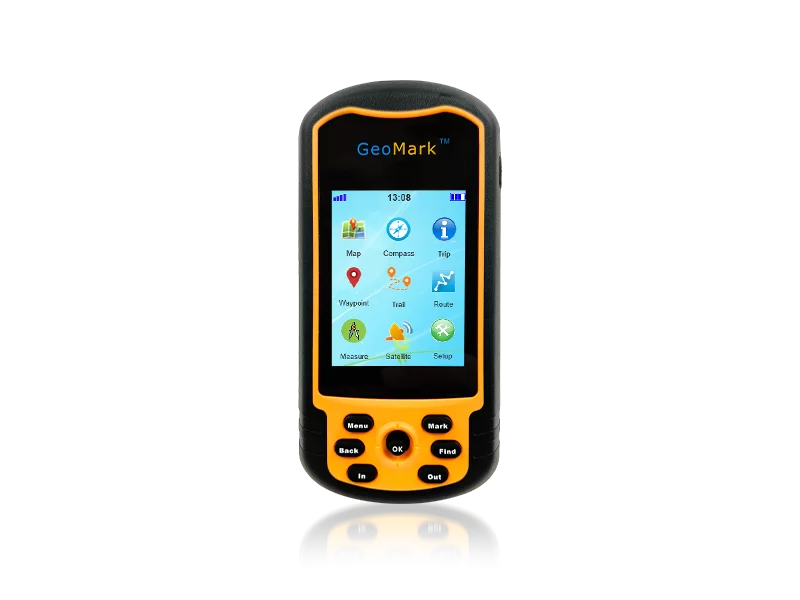
What is the benefit of using gps diferencial corrections in urban mapping?

Differential GPS eliminates common-mode errors by using a known reference base station, allowing Singaporean surveyors to achieve centimeter-level accuracy essential for cadastral boundaries.

Can auto steer tractor systems be adapted for urban greenery management?

Yes, by integrating high-precision RTK inputs, these systems can automate mowing and fertilization paths in public parks, reducing labor costs and increasing precision in landscaping.

Which surveying equipment is best for land reclamation monitoring?

A combination of static GNSS for long-term subsidence monitoring and RTK for daily progress checks provides the most comprehensive data set for reclamation projects.

How often should a total station be calibrated for Singapore's humidity?

Due to high humidity and temperature fluctuations in Singapore, we recommend professional calibration every 6 to 12 months to ensure optical precision remains within spec.

Is the gnss rtk receiver compatible with local Singapore government CORS networks?

Our hardware is designed to be open and compatible with standard NTRIP protocols, allowing seamless integration with local Continuously Operating Reference Stations (CORS).

Ready to Elevate Your Precision?

Contact our technical experts in Singapore for a customized geospatial solution tailored to your project needs.

Contact Us Now