
Shanghai Newdi Navigation Technology Co.,Ltd

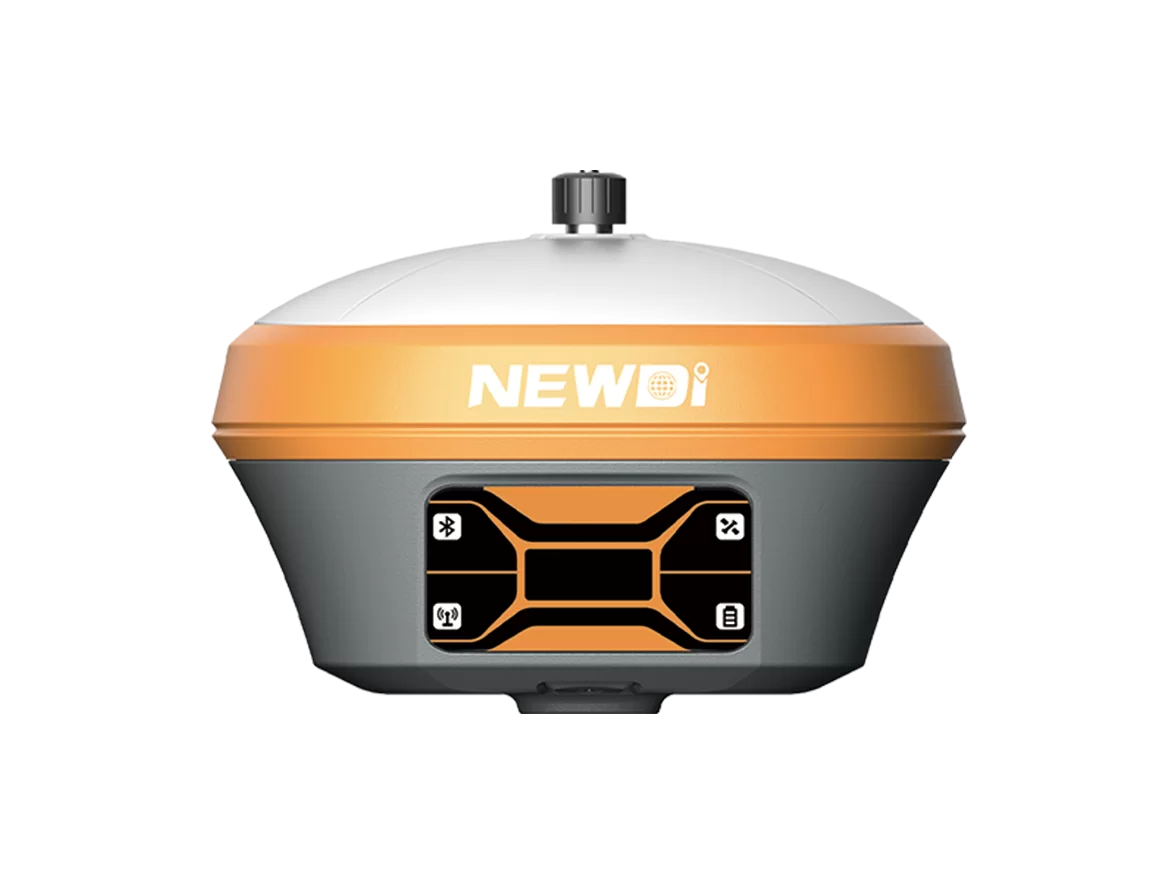
High-Precision gnss rtk receiver Solutions for Qatar Infrastructure

Empowering Qatar's National Vision 2030 with advanced geospatial intelligence and precision measurement technology.

High-Precision gnss rtk receiver Solutions for Qatar Infrastructure

Integrating cutting-edge surveying equipment to deliver centimeter-level accuracy for urban development, oil and gas mapping, and desert land management in Qatar.

Geospatial Engineering Landscape in Qatar

Navigating the challenges of extreme heat and rapid urbanization.

Qatar's unique geography, characterized by vast desert plains and a rapidly expanding coastline, demands surveying equipment that can withstand extreme thermal stress and high salinity. The current industrial focus is heavily tilted toward the expansion of LNG facilities and the modernization of Doha's urban core.

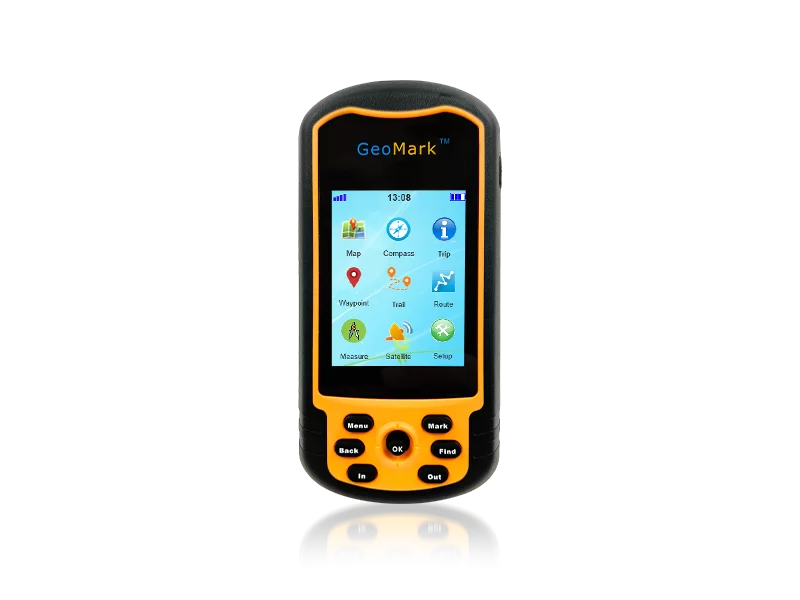
The reliance on gps diferencial systems has become critical for maintaining structural integrity in large-scale projects. Engineers must contend with atmospheric refraction caused by heat haze, which traditionally complicated optical measurements, leading to a surge in satellite-based positioning adoption.

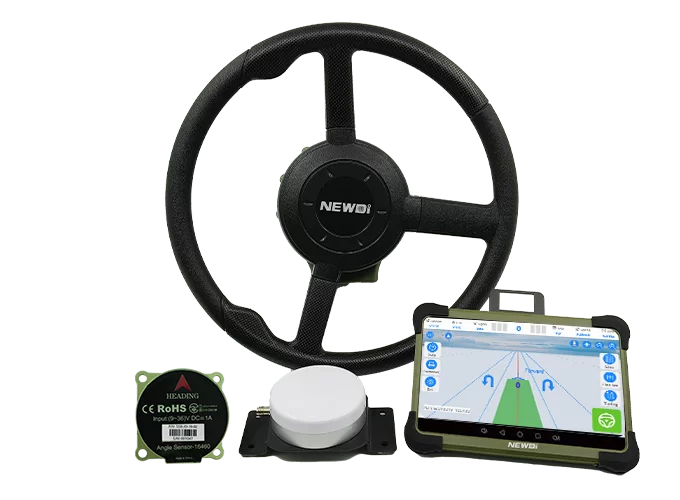
Furthermore, the agricultural sector in Qatar is shifting toward "Smart Farming" to ensure food security. This has created a niche but growing demand for auto steer tractor technology to optimize water usage and land leveling in arid conditions.
Evolution of Precision Measurement in Qatar

From traditional theodolites to real-time kinematic networks.

Market Development History

In the early 2000s, the Qatari market relied heavily on manual total station devices for boundary surveys. These required labor-intensive workflows and were susceptible to the harsh environment, limiting the speed of infrastructure rollout.

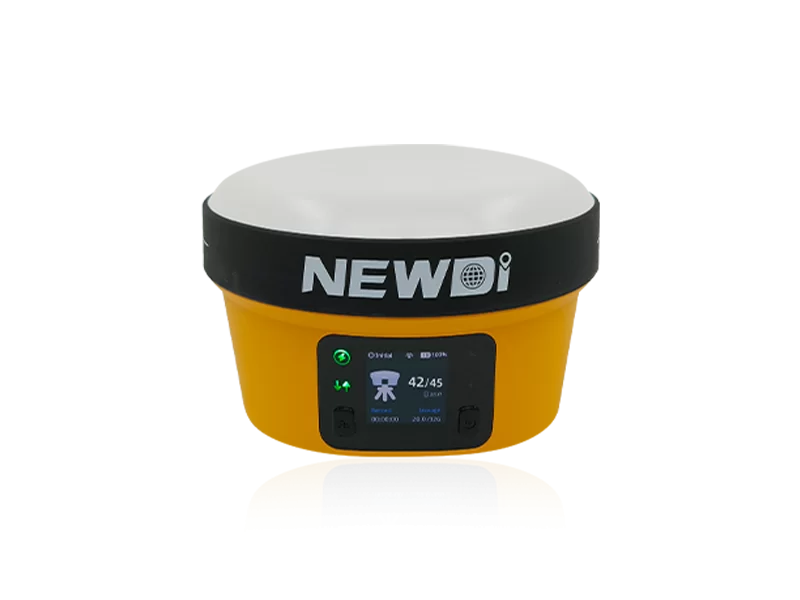
Between 2010 and 2020, the introduction of GNSS networks shifted the paradigm. The transition to gnss rtk receiver technology allowed for real-time corrections, drastically reducing the time required for topographic mapping and construction staking.

By 2022, coinciding with major sporting events, the industry integrated multi-constellation support and IMU tilt compensation, eliminating the need for perfectly leveled bubbles in challenging desert terrains.

Future Development Trends

AI-Driven Automated Mapping

The integration of AI with surveying equipment will allow for automated feature extraction and real-time 3D modeling of urban environments.

Autonomous Heavy Machinery

We expect a surge in auto steer tractor adoption for large-scale land reclamation and desert greening projects across the peninsula.

Hyper-Local Correction Networks

The development of denser CORS (Continuously Operating Reference Stations) in Qatar will push gps diferencial accuracy to the millimeter level.

Industry Trends and Future Outlook

Anticipating the next wave of geospatial innovation in the Middle East.

Satellite Convergence
Integration of Beidou, GPS, and Galileo for uninterrupted signal availability in dense urban canyons of Doha.
RTK-IoT Synergy
Combining real-time kinematics with IoT sensors for continuous structural health monitoring of bridges and piers.
Cloud-Native Surveying
Shift toward cloud-based data synchronization for immediate field-to-office collaboration.
Green Tech Integration
Precision guidance systems reducing fuel consumption and carbon footprint in land development.

Industry Outlook

Based on Google search trends for "precision agriculture" and "smart city infrastructure" in the Gulf region, there is a clear trajectory toward full automation. The demand for hardware that integrates seamlessly with BIM (Building Information Modeling) is expected to grow by 15% annually.

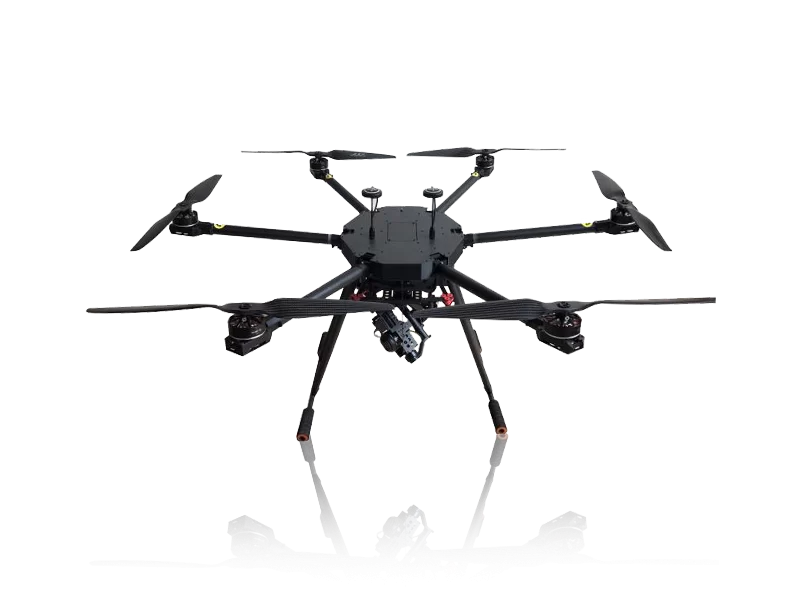
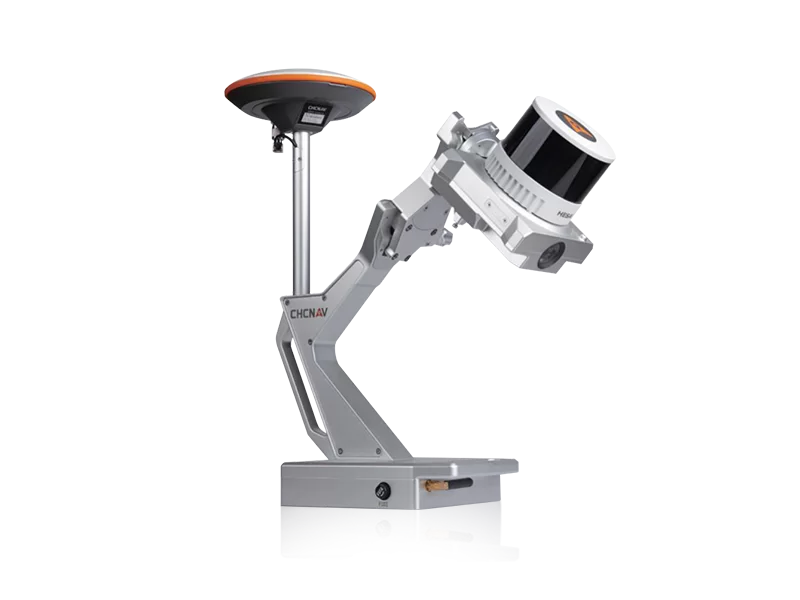
The future of the industry in Qatar lies in the fusion of terrestrial and aerial data. We anticipate the widespread use of RTK-enabled drones paired with ground-based gnss rtk receiver units to create digital twins of the entire national landscape.

Localized Application Scenarios in Qatar

Real-world deployment of precision instruments across diverse Qatari sectors.

01. North Field Gas Expansion Mapping

Utilizing high-stability gps diferencial systems to map pipeline networks in sandy terrains, ensuring millimeter precision to avoid existing underground utilities.

02. Lusail Smart City Construction

Deployment of total station units for high-rise building alignment and precise foundation staking in the heart of Lusail's architectural hubs.

03. Desert Agriculture Optimization

Implementing auto steer tractor systems for precision planting and irrigation channel carving to maximize water efficiency in Al Khor regions.

04. Coastal Erosion Monitoring

Using gnss rtk receiver units for long-term monitoring of coastline changes and sea-level rise impacts on Doha's waterfront.

05. National Road Network Expansion

Employing full-suite surveying equipment for the rapid design and layout of highway expansions connecting Doha to Al Wakrah.

Brand Story

Global Development History of Shanghai NCT Navigation Technology Co., Ltd.

Foundational Innovation

Established with a mission to bridge the gap between raw satellite data and actionable field precision for surveyors worldwide.

Technological Breakthrough

Developed proprietary RTK algorithms that significantly reduced convergence time, setting a new standard for efficiency.

Global Market Entry

Expanded operations into the Middle East, specifically tailoring hardware to survive the extreme climates of the Gulf region.

Smart Ag Ecosystem

Diversified into automated steering solutions, transforming traditional farming into data-driven precision agriculture.

Vision for the Future

Committing to the "Digital Twin" era by integrating GNSS, IMU, and AI for a fully mapped global environment.

Comprehensive Precision Portfolio for Qatar

Professional-grade instruments engineered for the Middle Eastern environment.

Qatar Surveying & Positioning FAQ

Expert answers to common technical queries in the region.

How does extreme heat in Qatar affect gnss rtk receiver accuracy?

Extreme heat can cause atmospheric delays. Our receivers use advanced tropospheric modeling and high-grade thermal shielding to maintain stability even in 50°C temperatures.

What is the best surveying equipment for sandy desert terrain?

We recommend a combination of GNSS RTK for wide-area mapping and a robust total station for local control points, ensuring dust-proof IP67 ratings for all hardware.

Can auto steer tractor systems work with local Qatari correction networks?

Yes, our steering systems are compatible with NTRIP protocols, allowing them to connect to any authorized local CORS network in Qatar for centimeter-level guidance.

What are the advantages of gps diferencial over standard GPS for oil field mapping?

Differential GPS removes common-mode errors, providing the high precision required for pipeline installation where a few centimeters of error could be catastrophic.

How often should a total station be calibrated for use in Qatar?

Due to high temperature fluctuations, we recommend professional calibration every 6 months to ensure optical accuracy and electronic stability.

Does the gnss rtk receiver support multi-constellation tracking?

Absolutely. Our devices track GPS, GLONASS, Galileo, and Beidou simultaneously to ensure a strong signal fix even in dense urban environments like Doha.

Ready to Elevate Your Precision?

Contact our technical experts today for tailored geospatial solutions across Qatar.

Contact Us Now