


Shanghai Newdi Navigation Technology Co.,Ltd

High-Precision gnss rtk receiver Solutions for Egypt's Infrastructure

Empowering Egyptian engineering and agriculture with world-class surveying accuracy and automated precision technology.

High-Precision gnss rtk receiver Solutions for Egypt's Infrastructure

Integrating advanced geospatial intelligence to optimize land management, urban expansion, and agricultural efficiency across the Nile Delta and beyond.

Current State of Surveying Technology in Egypt

Navigating the challenges of arid climates and rapid urban development.

Egypt's current landscape for surveying equipment is characterized by a dual demand: the necessity for extreme durability against desert sand and heat, and the precision required for massive national projects like the New Administrative Capital. Traditional methods are rapidly being replaced by digital workflows to reduce human error in harsh environments.

In the agricultural sector, particularly in the Nile Delta, there is a growing shift toward precision farming. The adoption of auto steer tractor systems is becoming critical as Egypt seeks to maximize crop yields and water efficiency in a region where every square meter of arable land is precious.

Despite the progress, many local firms still rely on fragmented systems. The need for a seamless integration of gps diferencial corrections is paramount to ensure that large-scale irrigation and road construction projects maintain millimeter-level accuracy across vast distances.
Evolution of Geomatics in Egypt

From optical measurements to real-time satellite kinematic corrections.

Market Development History

During the late 20th century, Egyptian surveying was dominated by optical instruments. The total station became the gold standard in the early 2000s, allowing for faster electronic distance measurement and angle recording in Cairo's expanding urban zones.

Between 2010 and 2020, the transition to GNSS technology accelerated. The introduction of RTK (Real-Time Kinematic) systems allowed surveyors to move away from static observations, enabling real-time data acquisition for Egypt's expanding highway networks.

From 2021 onwards, the focus shifted toward automation and IoT. The integration of autonomous guidance in machinery has transformed land reclamation projects in the Western Desert, blending surveying with active machine control.

Future Development Trends

AI-Driven Terrain Mapping

Integration of machine learning with satellite data to predict soil erosion and optimize land use in the Nile Valley.

5G-Enhanced RTK Networks

The rollout of 5G in Egyptian cities will reduce latency for correction data, making high-precision GNSS accessible in real-time for more users.

Fully Autonomous Farming

Evolution from steering assistance to fully autonomous agricultural fleets, reducing labor costs and increasing planting precision.

Industry Trends and Future Outlook

Strategic directions for the Egyptian measurement and mapping sector.

Hyper-Local Correction Networks
Developing denser CORS networks across Egypt to provide centimeter-level accuracy in remote desert areas.
Agricultural Digital Twin
Creating digital maps of Egyptian farmlands to optimize water distribution and fertilizer application.
Integrated BIM Workflows
Connecting field measurement data directly to Building Information Modeling for Egypt's smart city projects.
Sustainable Land Reclamation
Using precision leveling and mapping to prevent soil salinity and improve water runoff in New Valley.

Industry Outlook

The next five years will see a convergence of GNSS and AI, where equipment will not only measure but analyze terrain in real-time. For the Egyptian market, this means a drastic reduction in project timelines for infrastructure and a significant boost in food security through precision agriculture.

As global trends move toward "Zero-Touch" surveying, Egypt is poised to leapfrog legacy systems and adopt cloud-based geospatial platforms that synchronize field data from RTK receivers and drones instantly.

Localized Applications in Egypt

Real-world deployment of precision measurement tools across various Egyptian sectors.

01. New Administrative Capital Construction

Utilizing high-end total station and GNSS systems to ensure precise alignment of government buildings and smart city infrastructure.

02. Nile Delta Precision Farming

Deploying auto steer tractor systems to minimize overlap in sowing and fertilizing, maximizing the efficiency of the fertile Nile soil.

03. Western Desert Land Reclamation

Using gps diferencial technology to map vast arid tracts for irrigation pivots and boundary demarcation.

04. Suez Canal Logistics Mapping

Applying advanced surveying equipment to monitor berth movements and expand port capacities with millimeter precision.

05. Urban Renewal in Historic Cairo

Implementing compact RTK receivers to map narrow alleyways and preserve architectural heritage during modernization efforts.

Brand Story

Global Development Journey of Shanghai NCT NAV Technology Co., Ltd.

Founding Vision

Established with a mission to democratize high-precision GNSS technology, focusing on solving the complexity of field measurements.

Technological Breakthrough

Developing proprietary RTK algorithms that provide faster convergence and higher stability in challenging signal environments.

Agricultural Expansion

Launching advanced auto-steering modules that bridged the gap between professional surveying and practical farming.

Global Footprint

Expanding services to the African and Middle Eastern markets, tailoring equipment for extreme climates like Egypt's.

Commitment to Excellence

Continuing to innovate in the "Drawing, Calculation, and Measurement" field to ensure global infrastructure is built on accuracy.

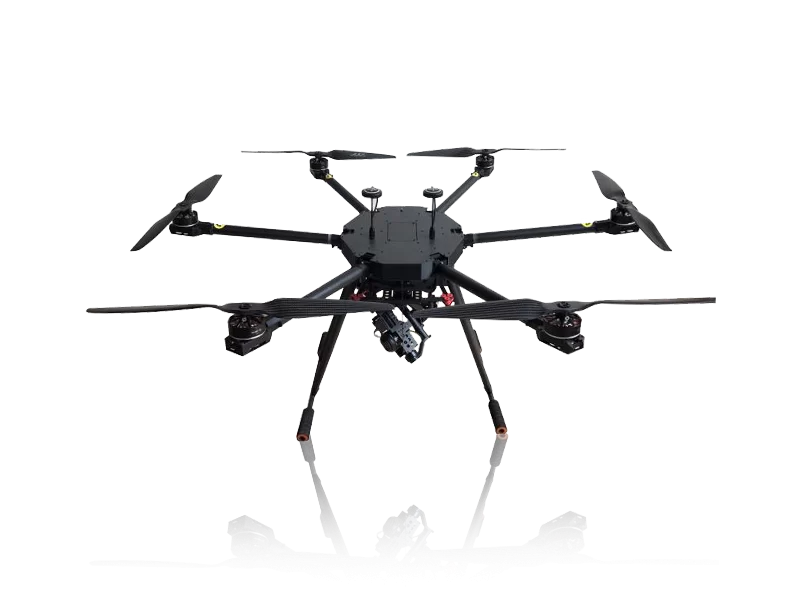
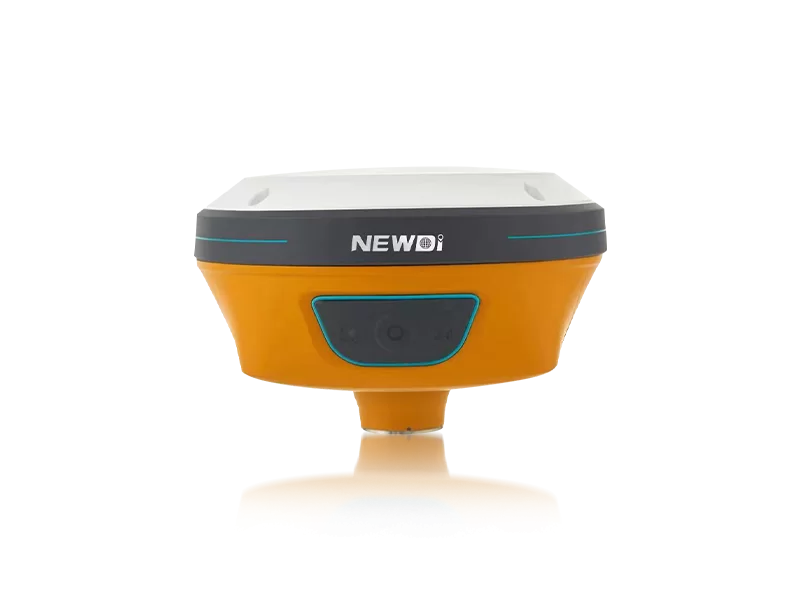
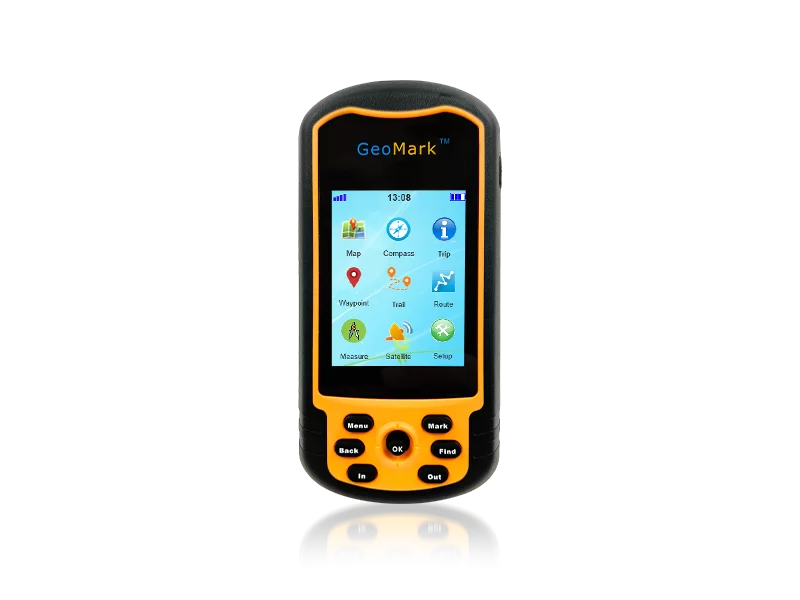
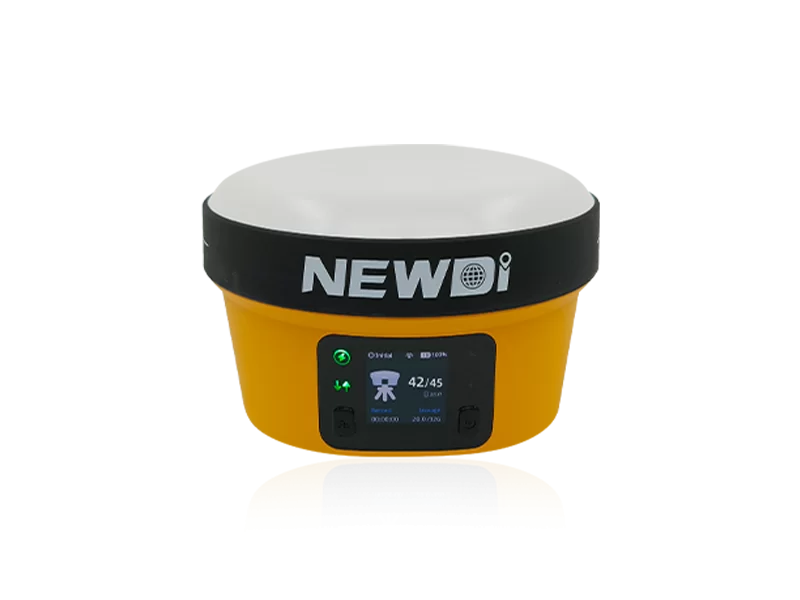
Complete Product Portfolio for the Egyptian Market

From handheld receivers to fully automated machine control systems.

Frequently Asked Questions in Egypt

Expert answers to common technical queries regarding surveying and GNSS technology.

How does an gnss rtk receiver handle signal interference in urban Cairo?

Our receivers use multi-constellation tracking (GPS, GLONASS, Galileo, Beidou) to ensure that even in "urban canyons" with high-rise buildings, the device can maintain a lock on enough satellites for precise positioning.

Can an auto steer tractor system be installed on older machinery?

Yes, our auto-steering solutions are designed for versatility, offering both electric motor-drive and hydraulic valve-control options to fit a wide range of tractor brands used in Egyptian agriculture.

What is the difference between a total station and GNSS for boundary surveys?

A total station is best for short-distance, high-precision work where line-of-sight is available. GNSS is ideal for large-scale boundary mapping where satellite signals are clear, offering much faster coverage of large areas.

How does gps diferencial correction improve accuracy in desert regions?

Differential GPS uses a fixed base station to calculate the error in the satellite signals. By broadcasting this correction to the rover, it removes atmospheric errors, bringing accuracy from meters down to centimeters.

Is the surveying equipment resistant to high temperatures and dust?

Absolutely. Our equipment is IP67 rated, meaning it is fully protected against dust ingress and can withstand water immersion, making it perfect for the harsh Egyptian climate.

What software is compatible with these GNSS receivers for data analysis?

Our devices support universal formats such as DXF, CSV, and Shapefiles, ensuring seamless integration with AutoCAD, ArcGIS, and other industry-standard geospatial software used in Egypt.

Get Precision Expertise Today

Ready to elevate your project accuracy? Our specialists are available to provide customized surveying and guidance solutions across Egypt.

Contact Us Now