
Shanghai Newdi Navigation Technology Co.,Ltd

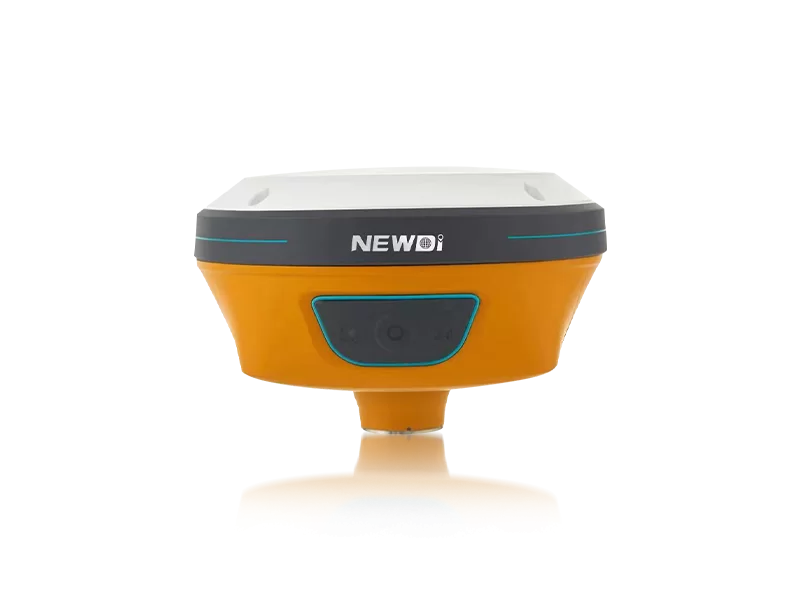
High-Precision GNSS RTK Receiver Solutions for Chile's Topography

Empowering Chilean mining, agriculture, and infrastructure with world-class geospatial measurement and automated steering technology.

High-Precision GNSS RTK Receiver Solutions for Chile's Topography

Integrating cutting-edge satellite positioning and automated guidance to overcome the extreme altitudinal challenges of the Andes and the vast agricultural plains of the Central Valley.

Geospatial Challenges in the Chilean Landscape

Analyzing the intersection of extreme geography and precision measurement needs in South America.

Chile's unique geography, characterized by the towering Andes mountains and the arid Atacama Desert, demands highly resilient surveying equipment. The drastic elevation changes create significant signal multipath issues, making standard GPS unreliable for critical mining and civil engineering projects.

In the agricultural heartlands, there is a surging demand for gps diferencial systems to optimize crop yields. As the industry shifts toward precision farming, the ability to maintain centimeter-level accuracy across varied soil types is becoming a competitive necessity for Chilean exporters.

Furthermore, the mining sector—the backbone of the Chilean economy—requires a seamless blend of a total station for underground precision and satellite-based systems for open-pit logistics, creating a complex technical environment for measurement professionals.

Evolution of Precision Measurement in Chile

From analog mapping to the era of automated machine guidance.

Market Development History

Before 2010, Chilean surveying relied heavily on traditional optical instruments and early-stage static GPS. The reliance on manual calculations meant that large-scale infrastructure projects in the South were time-consuming and prone to human error.

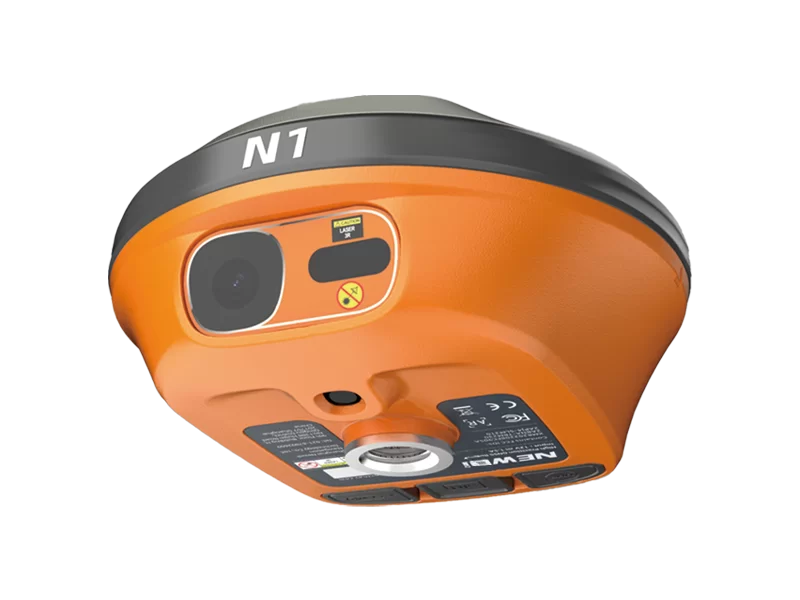
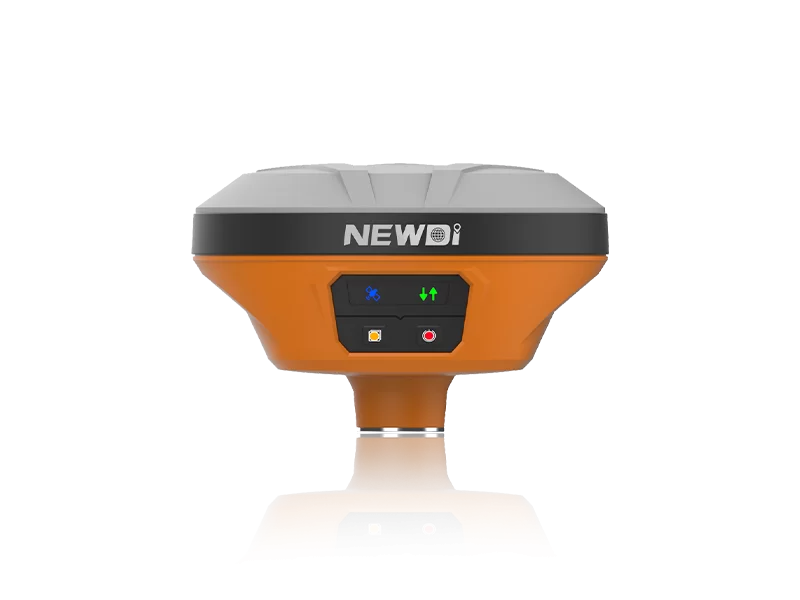
Between 2010 and 2020, the transition to RTK (Real-Time Kinematic) technology revolutionized the field. The introduction of robust gnss rtk receiver units allowed engineers to achieve real-time accuracy, drastically accelerating the pace of highway and tunnel construction across the region.

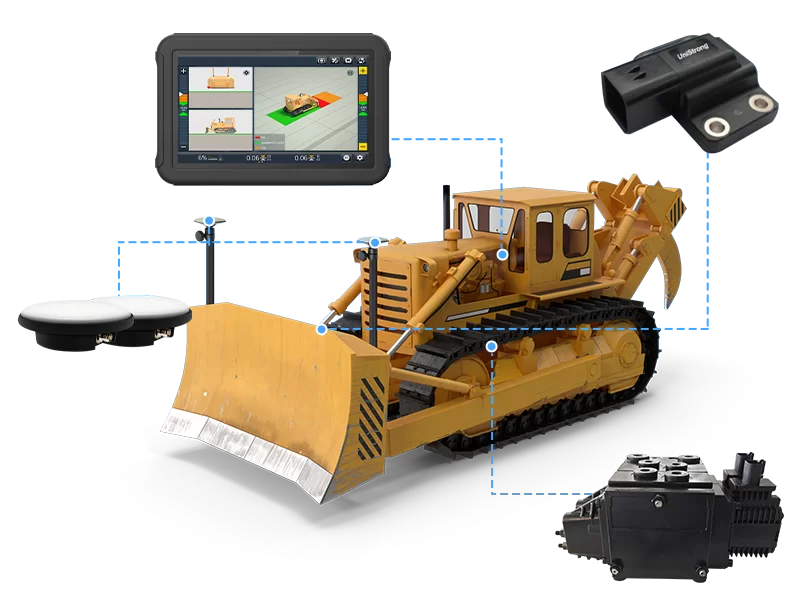
From 2020 to the present, the focus has shifted toward "Machine Control." The integration of positioning data directly into heavy machinery via auto steer tractor systems has moved the industry from mere measurement to active, automated execution.

Future Development Trends

Multi-Constellation Convergence

Moving beyond GPS to integrate Galileo and Beidou, ensuring uninterrupted signal availability even in the deep valleys of the Chilean coast.

AI-Driven Terrain Analysis

The shift toward using RTK data to feed AI models for predictive soil analysis and automated slope stability monitoring in mining.

Fully Autonomous Field Operations

The transition from assisted steering to fully autonomous agricultural fleets, reducing labor costs in remote Chilean farming sectors.

Future Trends and Strategic Outlook

Predicting the next 5 years of measurement technology in the Chilean market.

Hyper-Local Correction Networks
Expansion of CORS networks across Chile to provide millimetric corrections without local base stations.
IoT Integration
Linking RTK data with IoT soil sensors for real-time precision irrigation management.
Cloud-Based Surveying
Real-time data syncing from field surveying equipment to central BIM models.
Edge Computing RTK
Processing correction data at the edge to reduce latency in high-speed automated machinery.

Industry Outlook

Based on search trend logic, we anticipate a massive increase in queries related to "autonomous farming" and "precision mining" within the Chilean market. The shift is moving from simply knowing "where I am" to "how the machine should move based on where I am."

The integration of auto steer tractor systems will likely become the standard for all commercial vineyards and orchards in Chile, driving the need for more stable and accessible GNSS correction services.

Localized Application Scenarios in Chile

Real-world implementations across the diverse Chilean economic sectors.

01. Copper Mine Open-Pit Volume Calculation

Using a total station combined with GNSS receivers to calculate ore volumes in the Antofagasta region with millimeter precision.

02. Central Valley Precision Viticulture

Deploying auto steer tractor systems in grape vineyards to ensure perfectly parallel rows, reducing soil compaction and optimizing irrigation.

03. Atacama Solar Farm Installation

Utilizing surveying equipment to map thousands of hectares of flat desert for the precise placement of photovoltaic panels.

04. Santiago Urban Infrastructure Expansion

Applying gps diferencial for the precise alignment of new metro lines and bridge expansions in the metropolitan area.

05. Southern Forestry Management

Using RTK receivers to map sustainable logging boundaries and road networks in the dense forests of the Araucanía region.

Brand Story

Global Development Journey of Shanghai NCT Navigation Technology Co., Ltd.

Foundation and Vision

Established to bridge the gap between complex satellite data and practical field application in the instrumentation industry.

Technical Breakthroughs

Developing proprietary algorithms to enhance RTK stability in challenging environments, focusing on high-precision measurement.

Global Expansion

Extending our footprint to South America, tailoring our hardware to meet the rugged demands of the Chilean mining and farming sectors.

Commitment to Accuracy

Solving the pain point of signal loss in steep terrains through multi-constellation integration and robust hardware design.

The Future of Guidance

Leading the transition toward fully automated machinery, ensuring every centimeter is accounted for globally.

Comprehensive Precision Portfolio for Chile

Professional-grade instruments engineered for the South American market.

Common Questions for Chilean Professionals

Technical support and guidance for instrumentation users in Chile.

How does a GNSS RTK receiver perform in the Andes mountains?

Our receivers use multi-constellation tracking to maintain a lock on satellites even when partially obstructed by steep mountain terrain, ensuring continuous centimeter-level accuracy.

Can auto steer tractor systems be installed on older machinery?

Yes, our systems are designed for universal compatibility, providing retrofit kits that allow older tractors to benefit from modern precision guidance.

What is the difference between a total station and GPS diferencial for mining?

A total station is ideal for short-range, high-precision underground or localized measurements, while GPS diferencial is best for large-scale open-pit mapping across wide areas.

Which surveying equipment is best for the arid Atacama climate?

We recommend equipment with high IP ratings for dust and water resistance, as well as thermal shielding to withstand the extreme temperature fluctuations of the desert.

How often should RTK base stations be calibrated in Chile?

Calibration frequency depends on the stability of the ground, but we recommend a quarterly check to account for tectonic shifts common in the Chilean region.

Do you provide support for the latest GPS diferencial protocols?

Yes, our equipment supports all major industry-standard protocols, ensuring seamless integration with existing Chilean correction networks.

Get Professional Geospatial Support

Ready to elevate your precision measurement projects in Chile? Contact our experts for a customized solution.

Contact Us Now