

Shanghai Newdi Navigation Technology Co.,Ltd

High-Precision gnss rtk receiver Solutions for Argentina's Infrastructure

Empowering Argentine engineering and agriculture with centimeter-level accuracy and robust geospatial intelligence.

High-Precision gnss rtk receiver Solutions for Argentina's Infrastructure

Integrating advanced satellite positioning and automated guidance to optimize land management and construction across the diverse Argentine landscape.

The Current Landscape of Precision Measurement in Argentina

Analyzing the integration of geospatial technology in South America's second-largest economy.

Argentina's vast geographical diversity, from the Andean highlands to the humid Pampas, presents unique challenges for surveying equipment. The need for high-stability instruments is paramount due to extreme temperature fluctuations and varying terrain, driving a demand for ruggedized hardware that maintains precision under harsh field conditions.

In the agricultural heartlands, the adoption of gps diferencial systems has become a necessity rather than a luxury. To compete in the global soybean and corn markets, Argentine producers are increasingly shifting toward precision farming to reduce overlap, optimize fertilizer application, and manage massive plots of land with surgical precision.

Furthermore, urban development in Buenos Aires and Cordoba is seeing a surge in the use of high-end total station units. The integration of traditional optical measurements with satellite data is helping engineers overcome the complexities of dense urban environments and aging infrastructure modernization.
Evolution and Trajectory of Measurement Technology

From manual triangulation to autonomous satellite-guided systems.

Market Development History

In the late 20th century, Argentine surveying relied heavily on manual theodolites and early electronic distance measurement tools. The primary focus was on boundary definition and basic topographic mapping, with slow data processing cycles and high susceptibility to human error.

Between 2005 and 2015, the market experienced a digital pivot. The introduction of basic GPS and the widespread adoption of the total station allowed for faster data acquisition. This era marked the transition from analog sketches to CAD-integrated digital mapping, significantly accelerating infrastructure project timelines.

From 2016 to the present, the "Precision Revolution" has arrived. The shift toward Real-Time Kinematic (RTK) technology and the deployment of auto steer tractor systems have merged geospatial measurement with operational machinery, creating a seamless loop between measurement and execution.

Future Development Trends

AI-Driven Terrain Modeling

We predict a shift toward automated feature recognition where AI processes RTK data in real-time to generate 3D digital twins of Argentine landscapes without manual point classification.

Multi-Constellation Convergence

Future systems will move beyond GPS, integrating BeiDou, Galileo, and GLONASS more deeply to ensure uninterrupted signal availability in the deep valleys of the Andes.

Autonomous Machine Synergy

The evolution of the auto steer tractor will move toward fully autonomous swarms, coordinated by a centralized RTK network to maximize crop yield per hectare.

Industry Outlook and Technological Foresight

Navigating the next wave of instrumentation and automation in the Southern Cone.

Hyper-Local RTK Networks
Development of denser base station networks across Argentina to eliminate signal dead zones in remote provinces.
IoT Ecosystem Integration
Connecting surveying tools with cloud-based farm management software for real-time data synchronization.
Sustainable Ag-Tech
Reducing carbon footprints in Argentine agriculture through precision guidance and minimized fuel consumption.
Hybrid Positioning Systems
Combining IMU sensors with GNSS to maintain accuracy during temporary signal loss in forested or urban areas.

Industry Outlook

The trajectory of the measurement industry in Argentina is inextricably linked to the modernization of its primary sectors. As global food demand rises, the pressure on the Pampas will necessitate a shift from "broad-acre" farming to "per-plant" management, making high-precision GNSS the backbone of the industry.

Moreover, the government's push for infrastructure transparency and modernization will drive the adoption of more rigorous auditing tools, ensuring that large-scale public works are executed with millimetric precision, reducing waste and corruption in the construction pipeline.

Local Application Scenarios in Argentina

Real-world deployment of precision instruments across Argentine sectors.

01. Large-Scale Soy and Maize Plantation Mapping

Utilizing gps diferencial to create precise field boundaries and drainage maps in the Santa Fe and Córdoba provinces, ensuring optimal water management and nutrient distribution.

02. Automated Tillage and Seeding Operations

Integrating the auto steer tractor into large agricultural cooperatives to eliminate overlap during planting, reducing seed waste by up to 15% per season.

03. Andean Mining Infrastructure Surveying

Deploying high-durability surveying equipment in the high-altitude regions of San Juan to monitor slope stability and plan open-pit mining expansions with extreme accuracy.

04. Urban Expansion and Cadastral Mapping

Using a combination of GNSS and total station technology to redefine property lines and urban grids in rapidly growing cities like Rosario, ensuring legal certainty in land ownership.

05. Precision Irrigation Network Installation

Applying RTK-level accuracy to design and install complex pivot irrigation systems, ensuring that the topography is perfectly accounted for to prevent water pooling and soil erosion.

Brand Story

Global Development Journey of Shanghai Newland Navigation Technology Co., Ltd.

Foundational Precision

Established with a vision to democratize high-precision positioning, we began by solving the core instability of RTK signals for industrial users.

Agricultural Breakthrough

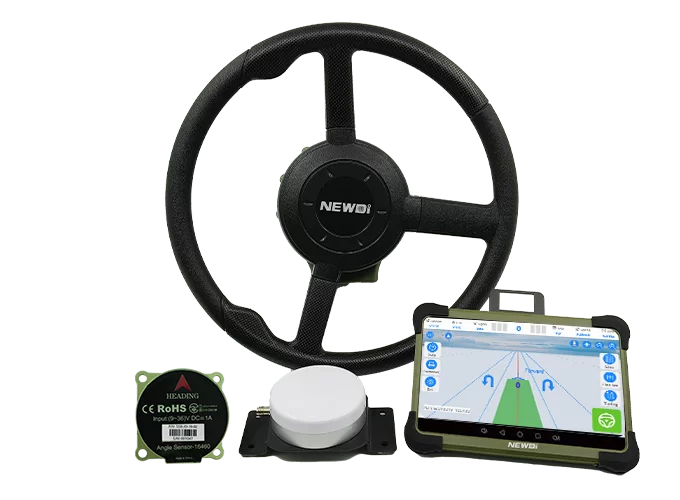
Recognizing the pain points of global farmers, we developed the first seamless integration of GNSS receivers with steering controllers.

Globalized Standards

Expanding into South America, we adapted our hardware to withstand the rugged climates of regions like Argentina and Brazil.

Innovation Convergence

Integrating AI and Cloud computing to transform raw coordinates into actionable business intelligence for our global clients.

Future-Proofing Geospatial Data

Committed to the E-E-A-T principle, we continue to lead in the manufacturing of instruments that define the world's coordinates.

Comprehensive Precision Portfolio for Argentina

Integrated tools for agricultural automation and civil engineering.

Frequently Asked Questions in Argentina

Expert answers to common technical challenges in the region.

How does a gnss rtk receiver maintain accuracy in the Andean regions?

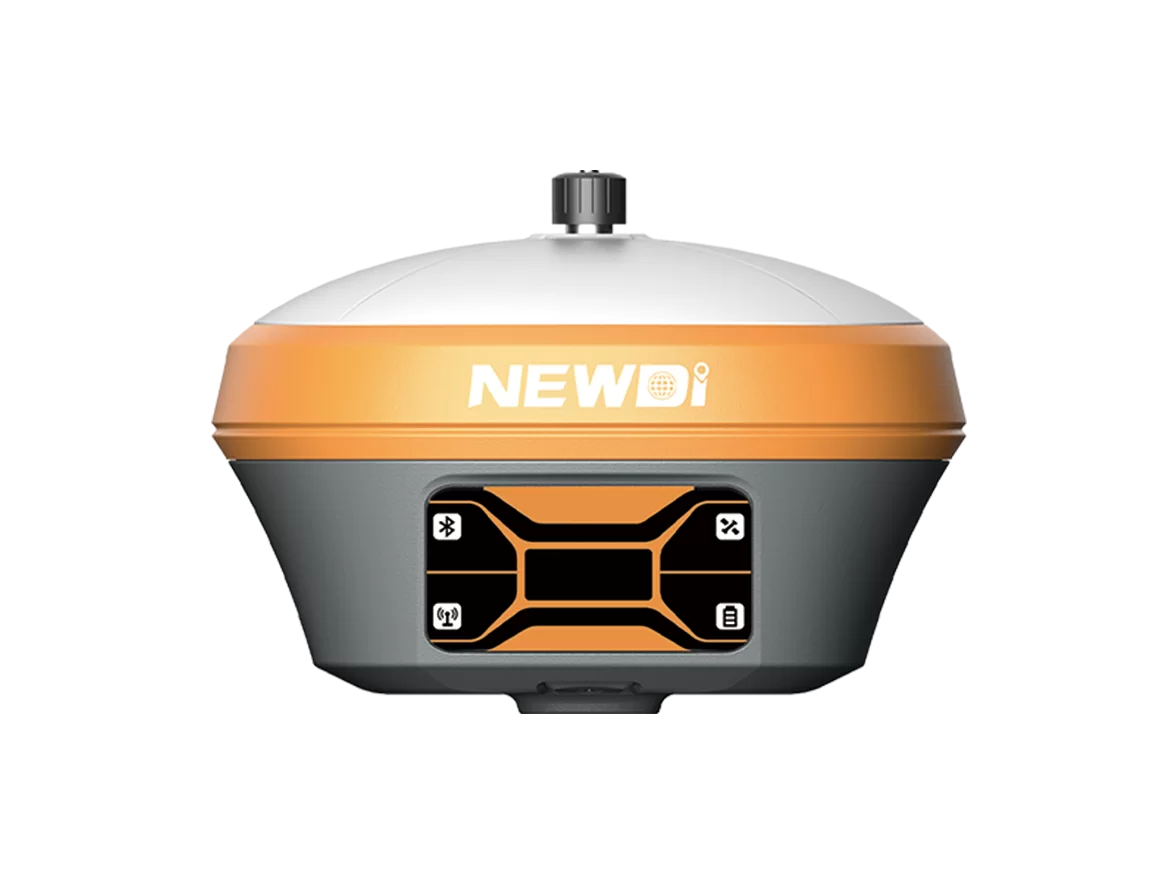
Our receivers utilize multi-constellation tracking and advanced tilt compensation to maintain centimeter-level accuracy even in steep terrains where signal blockage is common.

Can the auto steer tractor be installed on older machinery brands common in Argentina?

Yes, our steering systems are designed with universal mounting brackets and compatible controllers that integrate with most major tractor brands used in the Pampas.

What is the difference between gps diferencial and standard GNSS for farming?

Standard GNSS provides meter-level accuracy, whereas gps diferencial uses a base station to correct errors, providing the sub-decimeter precision required for planting and harvesting.

Which surveying equipment is best for large-scale soil mapping in Buenos Aires province?

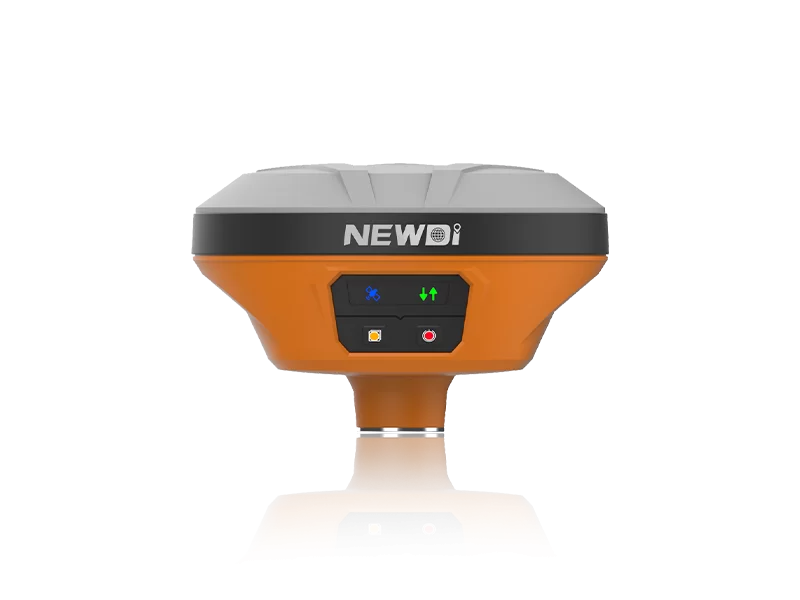
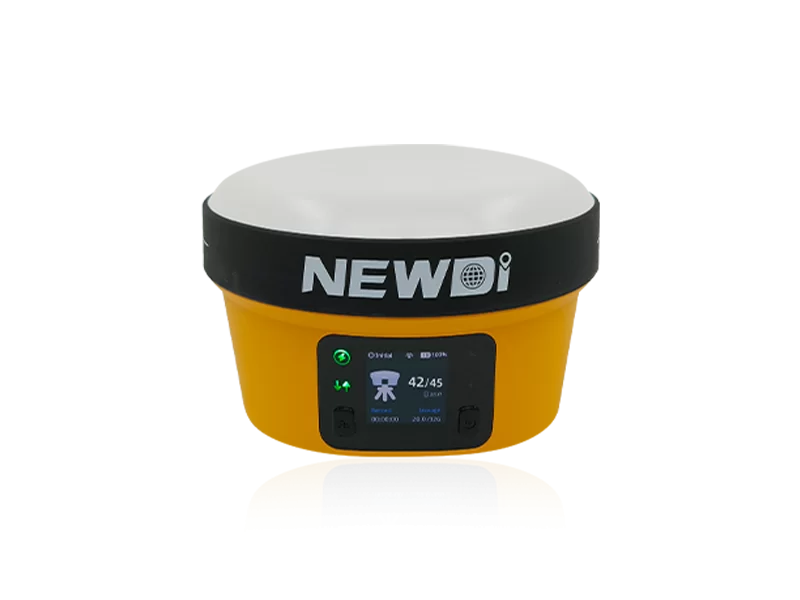
We recommend a combination of an RTK Rover for fast boundary marking and a high-precision total station for detailed topographical analysis of irregular land.

How often should a total station be calibrated for Argentine environmental conditions?

Given the temperature extremes in Argentina, we recommend professional calibration every 6 to 12 months to ensure that thermal expansion doesn't affect measurement accuracy.

Do I need a local base station for RTK receivers in remote Argentine provinces?

Depending on the availability of NTRIP caster networks in your area, a local base station may be necessary to provide the correction data needed for high-precision results.

Get Precision-Ready Today

Contact our experts for a customized measurement and automation strategy tailored for Argentina.

Contact Us Now