

Shanghai Newdi Navigation Technology Co.,Ltd

Advanced gnss rtk receiver Solutions for Swedish Infrastructure

Precision measurement and automated positioning tailored for the challenging terrains and rigorous engineering standards of Sweden.

Advanced gnss rtk receiver Solutions for Swedish Infrastructure

Integrating high-precision surveying equipment with cutting-edge satellite positioning to empower Sweden's forestry, agriculture, and construction sectors with centimeter-level accuracy.

Current State of Precision Measurement in Sweden

Analyzing the intersection of Nordic geography and high-tech instrumentation.

Sweden's unique geographical layout, characterized by vast boreal forests and complex coastal archipelagos, demands surveying equipment that can maintain stability under extreme temperature fluctuations and heavy canopy cover. The reliance on high-latitude satellite visibility makes the adoption of multi-constellation receivers a necessity for local engineers.

In the agricultural heartlands of Skåne and Västergötland, the push for sustainable farming has led to a surge in the deployment of auto steer tractor systems. These systems reduce overlap and optimize fuel consumption, aligning with Sweden's strict environmental regulations and carbon-neutrality goals.

Furthermore, the Swedish construction industry is shifting toward BIM (Building Information Modeling) integration. This transition requires a seamless workflow between a total station for site layout and real-time kinematic systems for large-scale earthworks, ensuring structural integrity in challenging Nordic soils.
Evolution of Measuring Technology in Sweden

From optical measurements to autonomous satellite-guided systems.

Market Development History

Until the late 1990s, Swedish surveying relied heavily on traditional optical instruments. The early adoption of the total station revolutionized the industry by integrating electronic distance measurement with angle recording, significantly speeding up cadastral surveys.

Between 2005 and 2015, the shift toward GNSS became prominent. The introduction of gps diferencial techniques allowed for the creation of a more accurate national coordinate system, enabling surveyors to move away from static base stations toward more flexible mobile solutions.

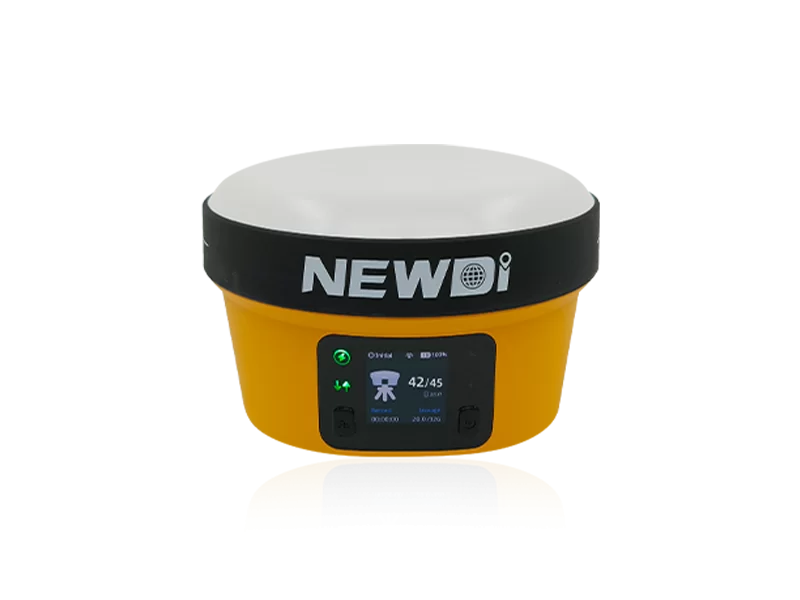
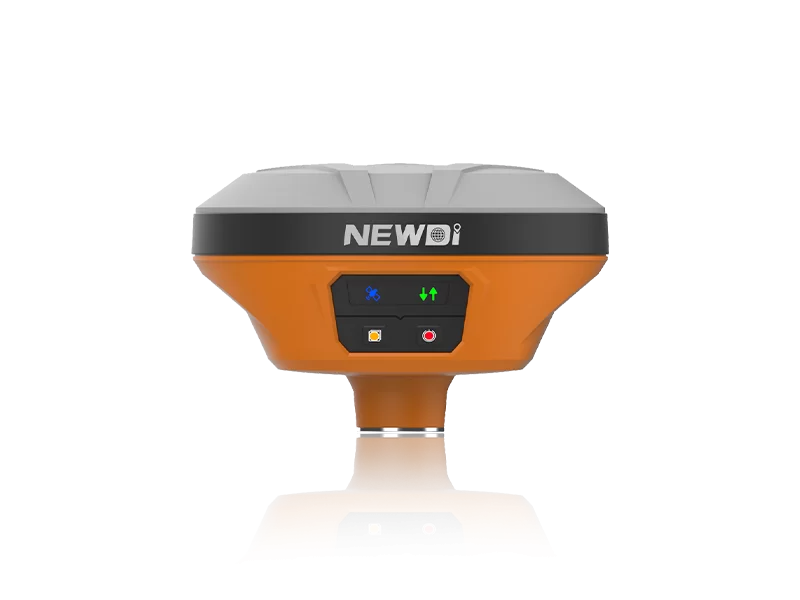
In the last decade, the convergence of IoT and RTK (Real-Time Kinematic) has led to the mainstreaming of the gnss rtk receiver. This evolution has enabled the leap from manual data collection to active machine control in the Swedish forestry and road construction sectors.

Future Development Trends

Integration of AI with Spatial Data

We anticipate a shift toward AI-driven automated feature recognition where receivers not only provide coordinates but identify terrain types in real-time.

Hyper-Local Correction Networks

The expansion of NTRIP-based networks across Northern Sweden will further reduce the need for local base stations, providing instant corrections.

Autonomous Fleet Synergy

Future auto steer tractor systems will evolve into fully autonomous fleets communicating via 5G to optimize land use.

Industry Trends and Future Outlook

Navigating the next wave of geospatial innovation in Europe.

Satellite Constellation Expansion
Leveraging Galileo, GLONASS, and BeiDou to ensure signal reliability in deep Swedish valleys.
Precision Agriculture 4.0
Advancing the efficiency of automated machinery to reduce fertilizer waste in Nordic farms.
Real-time Kinematic Cloud
Transitioning from local hardware base stations to cloud-based correction services.
Hardware Miniaturization
Developing smaller, more power-efficient modules for drones and wearable surveying tools.

Industry Outlook

The next 3-5 years will see a massive convergence of geospatial data and automation. Based on search trends in Northern Europe, there is a growing demand for integrated solutions that combine RTK precision with autonomous vehicle control, reducing the dependency on manual operator skill.

As Sweden pushes toward "Smart Cities," the demand for high-density mapping using multi-frequency receivers will accelerate, ensuring that urban digital twins are accurate to the millimeter.

Local Application Scenarios in Sweden

Practical deployments of precision instruments in the Swedish landscape.

01. Forestry Management in Norrland

Utilizing high-sensitivity surveying equipment to map timber volume and plan harvesting routes in dense forests, ensuring minimal ecological impact.

02. Precision Farming in Skåne

Implementing auto steer tractor systems to manage large-scale wheat fields, reducing seed overlap and optimizing yield per hectare.

03. Urban Expansion in Stockholm

Using a high-precision total station for the precise alignment of new subway tunnels and residential complexes in the city's complex archipelago geography.

04. Infrastructure Monitoring in Gothenburg

Deploying a network of gps diferencial sensors to monitor structural shifts in bridges and ports due to seasonal freeze-thaw cycles.

05. Hydrographic Surveying in Baltic Coasts

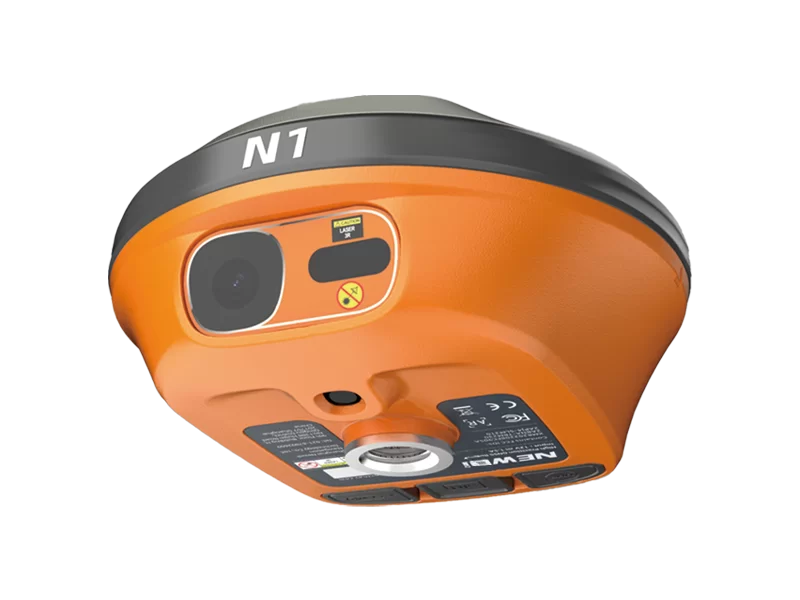
Employing an integrated gnss rtk receiver on survey boats to create high-resolution bathymetric maps for maritime safety.

Brand Story

Global Development Journey of Shanghai NCT Navigation Technology Co., Ltd.

The Vision of Precision

Founded with a mission to bridge the gap between complex satellite data and practical field application in the instrumentation industry.

Technological Breakthroughs

Developing proprietary RTK algorithms that maintain stability in challenging environments, solving the pain point of signal loss in rugged terrains.

Expanding the Global Footprint

Establishing strategic partnerships across Europe to adapt our high-precision receivers to Nordic environmental standards.

Commitment to Automation

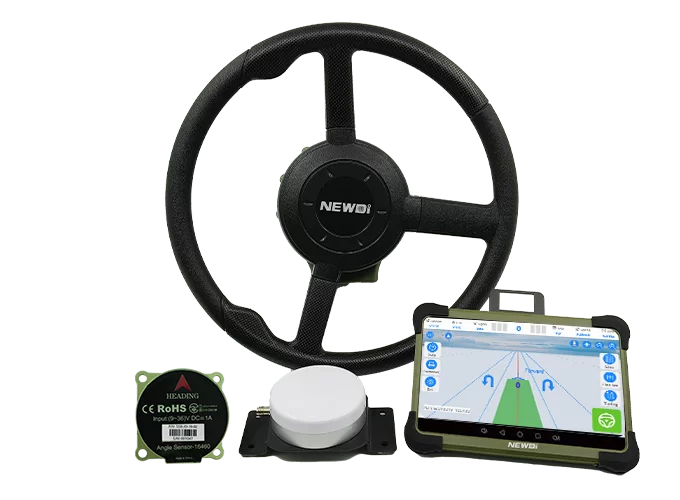
Pioneering the integration of GNSS with auto-steering systems to drive the revolution of autonomous machinery in agriculture.

The Future of Geospatial Intelligence

Continuing to innovate in the field of drawing, calculating, and measuring instruments to empower engineers worldwide.

Full Product Suite for the Swedish Market

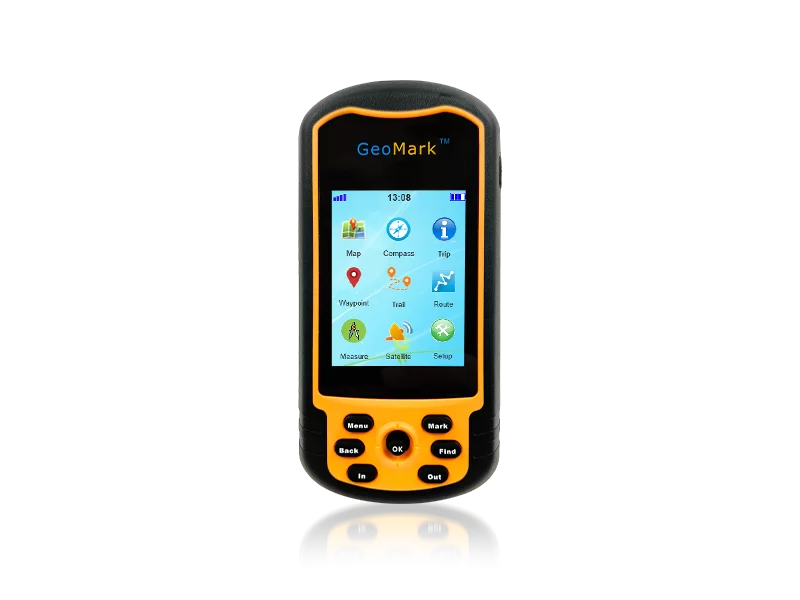
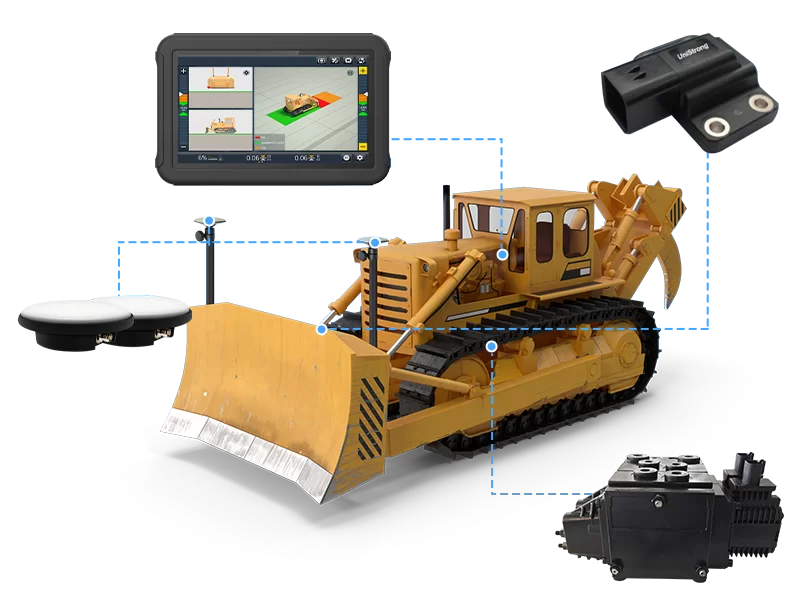
From handheld receivers to autonomous control systems for professional surveyors.

Common Questions in Sweden

Technical guidance for deploying precision instruments in Nordic conditions.

How does a gnss rtk receiver handle heavy forest canopy in Northern Sweden?

Our receivers utilize multi-frequency, multi-constellation tracking to maintain signal lock even under partial canopy, reducing the time to fix and improving stability.

Is the auto steer tractor system compatible with Volvo or John Deere machinery?

Yes, our systems are designed with universal ISOBUS compatibility, allowing seamless integration with most major tractor brands used in Swedish agriculture.

What is the accuracy difference between a total station and RTK for urban surveying?

A total station offers millimeter precision for short distances without signal interference, while RTK provides centimeter accuracy over large areas rapidly.

How to setup a gps diferencial base station for remote Swedish sites?

You can set up a local base on a known point or connect to a regional NTRIP caster via a mobile data connection to receive corrections.

Which surveying equipment is best for winter road maintenance mapping?

We recommend ruggedized RTK receivers with IP67 ratings and low-temperature battery options to withstand Swedish winter conditions.

Do I need a subscription for the RTK correction services in Europe?

Depending on the provider, you can use free government-funded networks or paid private subscriptions for higher reliability and uptime.

Contact Our Swedish Expert Team

Ready to elevate your precision measurement capabilities? Our engineers are available to provide tailored solutions across Sweden.

Contact Us Now