

Shanghai Newdi Navigation Technology Co.,Ltd

Advanced GNSS RTK Receiver Solutions for South Korea's Precision Infrastructure

Empowering South Korean engineering and agriculture with high-precision positioning and automated measurement systems for unparalleled accuracy.

Advanced GNSS RTK Receiver Solutions for South Korea's Precision Infrastructure

Integrating cutting-edge surveying equipment and satellite positioning technology to drive the digital transformation of South Korea's industrial landscape.

The State of Geomatics and Precision Measurement in South Korea

Analyzing the adoption of high-precision instruments in a mountainous and technologically advanced region.

South Korea's unique geography, characterized by rugged mountainous terrain and dense urban corridors like Seoul and Busan, demands exceptionally high-precision surveying equipment. The industry is currently shifting from traditional manual measurements to fully integrated digital workflows to support the nation's ambitious "Smart City" initiatives.

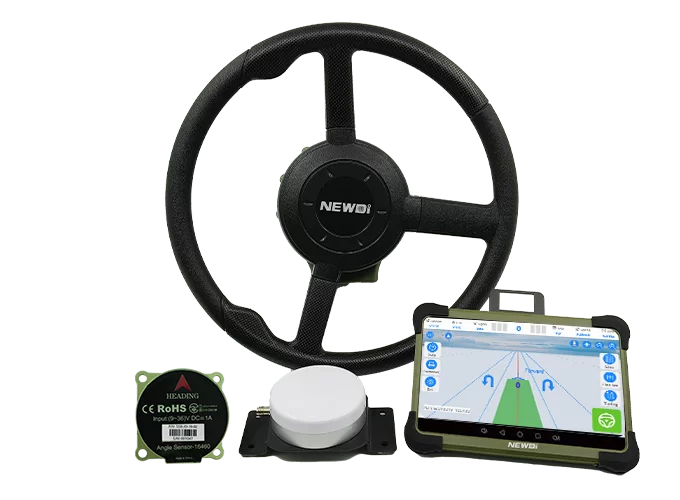
In the agricultural sector, the trend toward "Smart Farming" is accelerating. Due to a shrinking rural workforce, there is a surging demand for auto steer tractor systems that reduce overlap and increase yield efficiency in the specialized rice paddies and orchards across Gyeongsang and Jeolla provinces.

Furthermore, the strict regulatory environment for construction and civil engineering in Korea requires the use of high-grade gps diferencial systems to ensure centimeter-level accuracy in tunneling and bridge construction, minimizing risk in high-density urban areas.
Evolution of Measurement Technology in South Korea

From optical benchmarks to real-time kinematic satellite constellations.

Market Development History

In the 1990s, the Korean market relied heavily on traditional optical instruments. The total station became the gold standard for land surveying, providing essential angular and distance measurements for the rapid urbanization of the era.

By the mid-2000s, the introduction of basic GPS and DGPS began to revolutionize wide-area mapping. This period saw the transition toward gps diferencial technology, allowing surveyors to break away from the need for continuous line-of-sight between points.

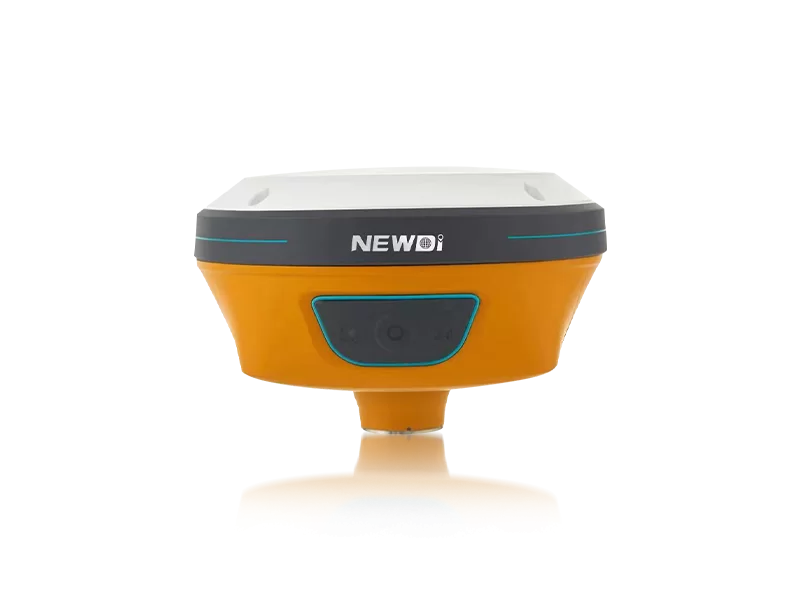
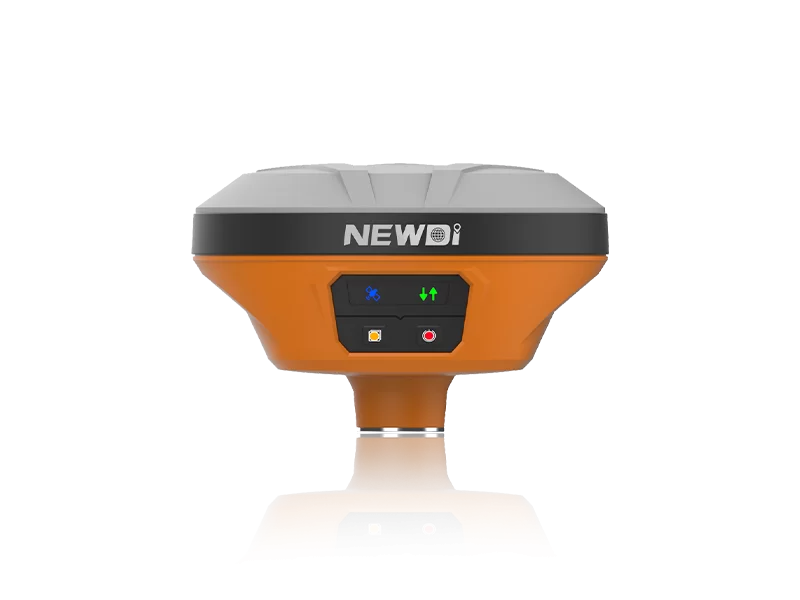
From 2015 to the present, the adoption of RTK (Real-Time Kinematic) networks has peaked. The integration of multi-constellation GNSS has enabled the modern gnss rtk receiver to provide instantaneous high-precision coordinates, essential for the current 5G infrastructure rollout.

Future Development Trends

AI-Integrated Surveying

The next 3 years will see AI-driven data processing integrated directly into field hardware, reducing the need for post-processing office work.

Autonomous Ag-Tech Expansion

Expect a massive increase in the deployment of auto steer tractor fleets operated via remote cloud monitoring to solve labor shortages.

Hyper-Local Positioning

The move toward PPP-RTK (Precise Point Positioning) will eliminate the reliance on local base stations, offering seamless coverage across the entire Korean peninsula.

Industry Trends and Future Outlook

Strategic projections for the instrumentation manufacturing sector in South Korea.

Satellite Constellation Fusion
Integrating Beidou, GPS, GLONASS, and Galileo for maximum signal availability in Korea's urban canyons.
IoT Ecosystem Integration
Connecting surveying tools to cloud-based BIM (Building Information Modeling) for real-time project updates.
Precision Ag-Automation
Transitioning from simple guidance to fully autonomous farming via advanced RTK controllers.
Lidar-GNSS Hybridization
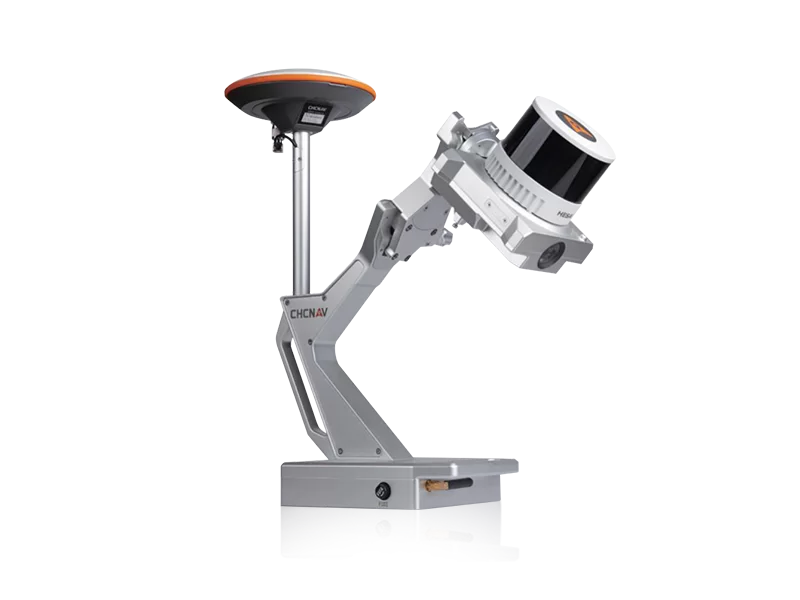
Combining laser scanning with RTK to create high-definition 3D maps of Korea's urban corridors.

Industry Outlook

Based on Google search trends for "Smart Infrastructure" and "Precision Agriculture" in Asia, there is a clear trajectory toward autonomy. South Korea is poised to lead in the integration of GNSS technology within the automotive and construction sectors.

The convergence of 5G networks and satellite positioning will enable a new era of "Zero-Error" construction, where digital twins are updated in real-time via field measurements, significantly reducing material waste and project delays.

Localized Application Scenarios in South Korea

Practical implementations of precision instruments in diverse Korean environments.

01. High-Rise Urban Development in Seoul

Using a total station combined with RTK to manage verticality and alignment for skyscrapers in the Gangnam district, ensuring strict adherence to urban planning codes.

02. Smart Paddy Farming in Jeolla Province

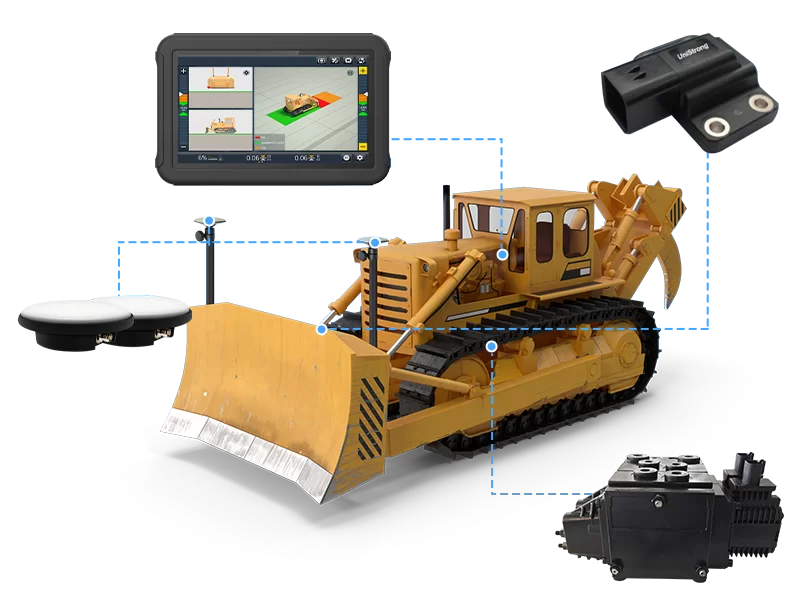
Deploying auto steer tractor systems to automate planting and harvesting in fragmented rice fields, maximizing land use efficiency.

03. Mountainous Road Construction in Gangwon

Utilizing gnss rtk receiver units to establish precise road centerlines and slope gradients in challenging terrains with limited visibility.

04. Port Expansion Projects in Busan

Implementing gps diferencial networks to coordinate large-scale dredging and pier construction with millimeter-level precision.

05. National Land Mapping and Cadastral Surveys

Deploying professional-grade surveying equipment for government-led land redistribution and boundary verification projects across the peninsula.

Brand Story

Global Development Journey of Shanghai NCT Navigation Technology Co., Ltd.

Foundation of Precision

Established with a vision to solve the "last centimeter" problem in satellite positioning, NCT Navigation focused on bridging the gap between raw data and actionable field precision.

Technological Breakthrough

Developed proprietary RTK algorithms that significantly reduced convergence time, allowing users to achieve fixed solutions faster in challenging environments.

Agricultural Revolution

Expanded into the Ag-Tech sector, creating intuitive steering controllers that transformed traditional tractors into precision-guided machines.

Globalized Reach

Successfully entered the South Korean and Asian markets, adapting hardware to meet local climatic and regulatory standards for industrial instrumentation.

Future Vision

Committed to empowering the global "Smart Industry" by integrating AI and Cloud computing into every piece of surveying and navigation hardware.

Complete Precision Portfolio for South Korea

A comprehensive suite of instruments designed for the demanding requirements of Korean engineering and agriculture.

Common Questions for Korean Positioning Users

Expert answers to the most frequent technical queries in the South Korean market.

How does a GNSS RTK receiver handle signal blockage in Seoul's urban canyons?

Our receivers utilize multi-constellation tracking and advanced filtering algorithms to maintain a fix even when some satellites are obstructed by high-rise buildings.

Can an auto steer tractor be installed on older tractor models used in rural Korea?

Yes, our systems are designed with universal mounting kits and compatible controllers that can be retrofitted to most major tractor brands used in Asia.

What is the difference between a total station and RTK for land boundary surveys?

A total station provides absolute precision via optical measurement, whereas RTK provides rapid, satellite-based positioning over larger areas without needing line-of-sight.

Does the GPS diferencial system support local South Korean correction networks?

Our equipment is compatible with standard NTRIP protocols, allowing seamless integration with South Korea's national RTK correction networks.

Which surveying equipment is best for mountainous terrain in Gangwon-do?

A hybrid approach using RTK for general mapping and a total station for steep-slope detail work is recommended for the best results in mountainous regions.

How often should RTK equipment be calibrated for industrial use in Korea?

We recommend an annual calibration check against known benchmarks to ensure long-term accuracy and compliance with local industrial standards.

Expert Guidance for Your Precision Needs

Contact our specialists today for tailored positioning solutions and technical support across South Korea.

Contact Us Now