

Shanghai Newdi Navigation Technology Co.,Ltd

Advanced GNSS RTK Receiver Solutions for South Africa's Precision Infrastructure

Empowering South African surveying and agriculture with high-precision positioning and automated guidance systems.

Advanced GNSS RTK Receiver Solutions for South Africa's Precision Infrastructure

Integrating cutting-edge surveying equipment to enhance spatial accuracy across South Africa's diverse terrains, from the Highveld to the coastal plains.

Current State of Geomatics in South Africa

Navigating the challenges of precision measurement in a complex geographical landscape.

South Africa's measurement industry is currently navigating a transition toward digital transformation. The region's unique topography and vast agricultural sectors demand robust surveying equipment that can withstand extreme temperature fluctuations and dusty environments typical of the Karoo and Northern Cape.

In the mining sector, which is a cornerstone of the South African economy, there is an increasing reliance on gps diferencial systems to maintain precise volumetric calculations and safety boundaries in deep-level mining operations.

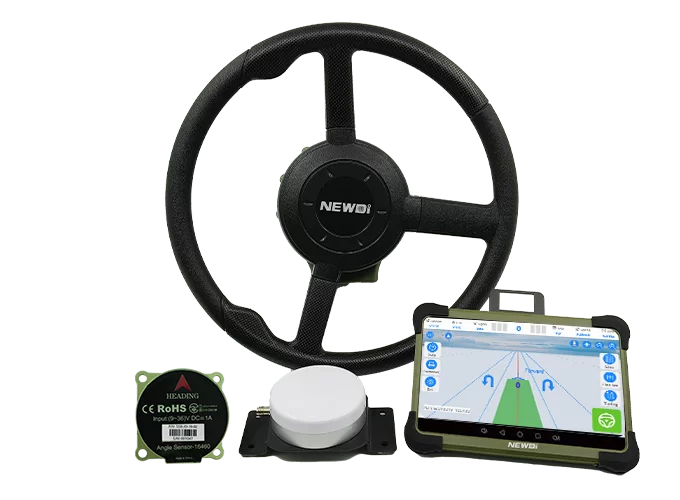
Meanwhile, the agricultural sector is facing a critical shortage of skilled labor, driving a surge in the adoption of auto steer tractor technology to optimize planting efficiency and reduce overlapping in large-scale commercial farming.
Evolution of Measurement Technology in South Africa

From traditional optical tools to satellite-driven precision.

Market Development History

Prior to 2010, the South African market relied heavily on traditional optical tools. The total station was the gold standard for land surveying and construction, providing accurate distance and angle measurements but requiring clear lines of sight.

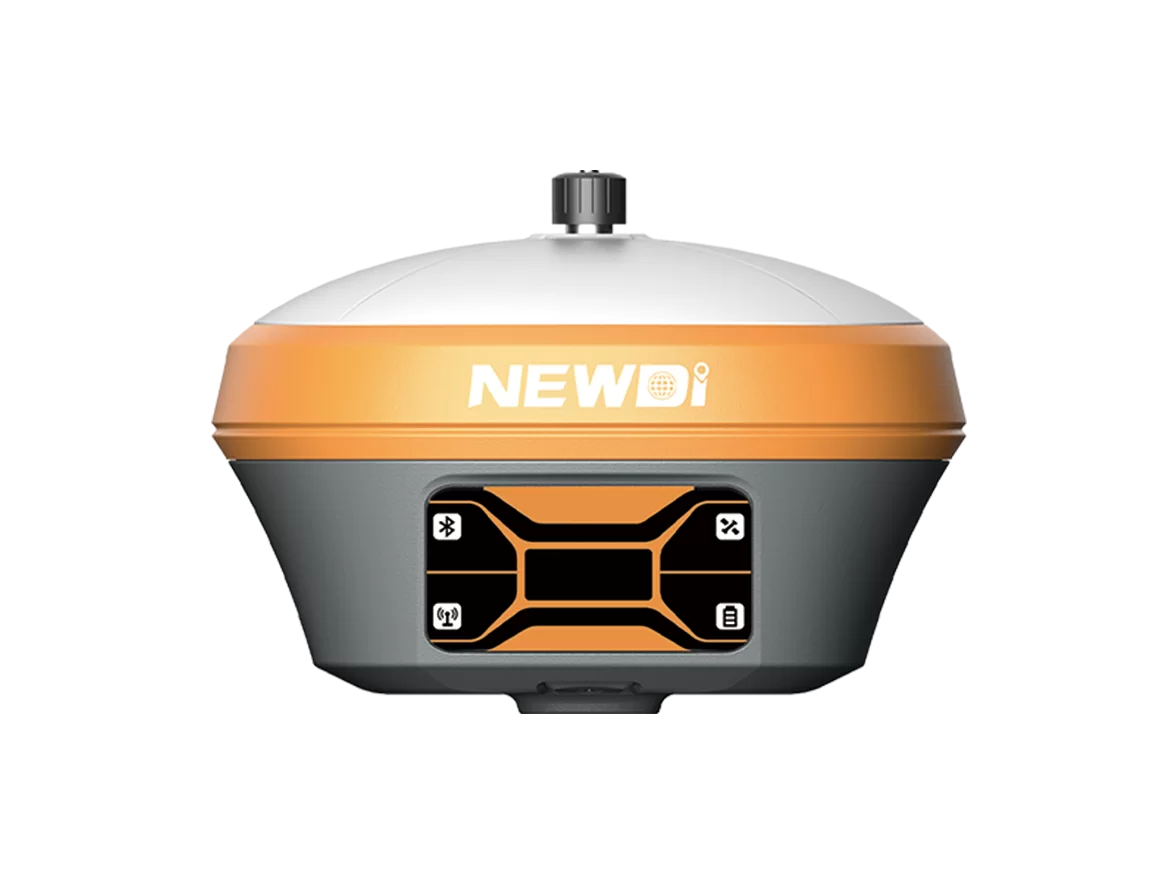
Between 2010 and 2018, the integration of GNSS became mainstream. The introduction of the gnss rtk receiver revolutionized the speed of data collection, allowing surveyors to cover vast South African landscapes without the need for constant physical benchmarks.

Since 2019, we have seen a shift toward "Autonomous Precision." The convergence of IoT and GNSS has led to the widespread deployment of guidance systems in the agro-industrial sector, moving beyond simple mapping to real-time machine control.

Future Development Trends

Multi-Constellation Integration

Future systems will move beyond GPS to integrate Beidou, Galileo, and GLONASS for superior signal availability in the rugged terrains of the Drakensberg.

AI-Driven Automation

The next generation of guidance systems will incorporate AI to adjust tractor paths based on real-time soil moisture and crop health data.

Cloud-Based Spatial Data

Shift towards real-time cloud synchronization of survey data, eliminating the delay between field measurement and office processing.

Industry Trends and Future Outlook

Predicting the trajectory of precision instrumentation in the Southern African region.

Hyper-Local RTK Networks
The growth of CORS networks across South Africa will reduce the need for local base stations, enhancing RTK efficiency.
Precision Ag-Tech Surge
Increased integration of automated guidance in corn and wheat farming to optimize seed and fertilizer use.
Integrated BIM Workflow
Direct bridging between field-captured survey data and 3D Building Information Modeling for urban expansion.
Eco-Friendly Surveying
Reducing carbon footprints in surveying through more efficient route planning and drone-integrated GNSS.

Industry Outlook

Based on Google search trends in Southern Africa, there is a marked increase in queries for "precision farming" and "RTK network availability." This indicates a market shift from basic ownership of hardware to a demand for integrated service ecosystems.

The next 3-5 years will likely see a consolidation of technologies where a single handheld device serves as the hub for both surveying and controlling autonomous machinery, drastically reducing the cost of entry for smaller South African enterprises.

Localized Application Scenarios in South Africa

Practical deployments across diverse industrial sectors.

1. Commercial Maize Farming in Free State

Implementing auto steer tractor systems to enable precise row planting, reducing seed waste and increasing yield per hectare in the Free State's grain belt.

2. Platinum Mine Boundary Mapping in Rustenburg

Using a combination of total station and GNSS to map complex geological boundaries and ensure strict adherence to mining licenses.

3. Municipal Infrastructure Planning in Cape Town

Utilizing a high-precision gnss rtk receiver for updating municipal GIS databases, focusing on water and sewage line placement.

4. Large-Scale Land Titling in Rural Limpopo

Deploying gps diferencial technology to settle land disputes and provide accurate cadastral mapping in remote rural areas.

5. Road Expansion Projects in Gauteng

Integrating professional surveying equipment for the rapid layout of highway extensions and interchanges to alleviate urban congestion.

Brand Story

Global Development Process of Shanghai NCT Navigation Technology Co., Ltd.

Foundational Precision

Established with a mission to democratize high-precision positioning, focusing on overcoming the complexity of traditional GNSS setups.

Technological Breakthrough

Developed proprietary RTK algorithms that significantly reduced initialization time, catering to fast-paced construction environments.

Global Market Expansion

Expanded into Africa and South America, adapting hardware for extreme climates and varied satellite coverage patterns.

Ag-Tech Integration

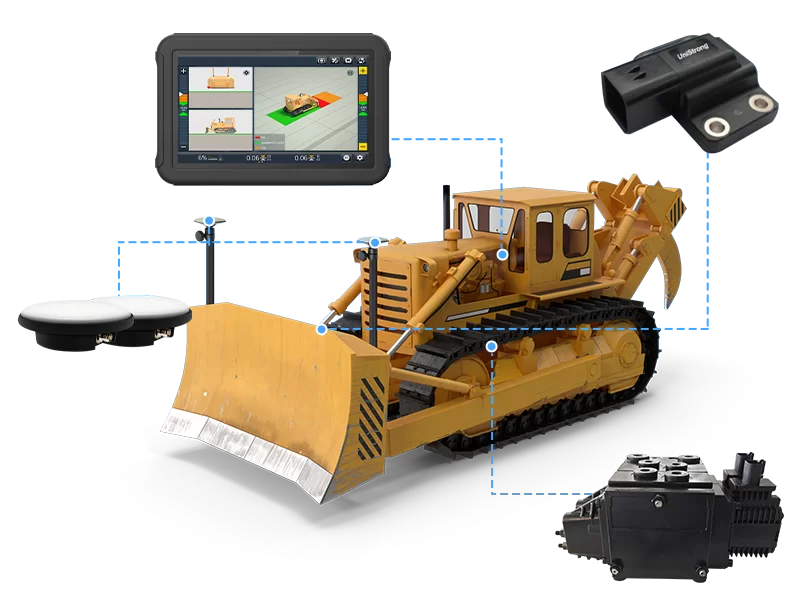
Launched a comprehensive suite of guidance systems, bridging the gap between surveying and autonomous farming.

Vision 2030

Striving to become the leading provider of intelligent positioning solutions, ensuring every measurement on earth is accurate and accessible.

Complete Product Portfolio for South Africa

Professional-grade tools tailored for the South African industrial landscape.

Frequently Asked Questions in South Africa

Expert answers to common technical and regional queries.

How does a GNSS RTK receiver perform in remote areas of the Northern Cape?

Our receivers utilize multi-constellation tracking, ensuring a stable lock even in remote areas with sparse ground-based correction networks, provided there is a clear view of the sky.

Can an auto steer tractor system be installed on older tractor models commonly used in South Africa?

Yes, our guidance systems are designed for versatility, offering both hydraulic and electric steering motor options to fit a wide range of legacy machinery.

What is the difference between a total station and GNSS for urban surveying in Johannesburg?

A total station is superior in "urban canyons" where tall buildings block satellite signals, while GNSS is far faster for open-space boundary surveys.

How does GPS diferencial technology improve mining accuracy?

By using a base station to provide real-time corrections, differential GPS eliminates common atmospheric errors, providing centimeter-level accuracy for pit mapping.

What maintenance is required for surveying equipment in dusty South African environments?

Regular cleaning of optical lenses and ensuring IP67-rated seals are intact is crucial to prevent fine dust from damaging internal electronics.

Are RTK correction services available throughout South Africa?

While coverage is expanding, we recommend a combination of NTRIP services and a portable base station for projects in the deepest rural interiors.

Contact Our South Africa Specialists

Get expert guidance on the best precision tools for your specific project needs in South Africa.

Contact Us Now