
Shanghai Newdi Navigation Technology Co.,Ltd

Advanced GNSS RTK Receiver Solutions for Morocco's Infrastructure

Precision measurement and automated guidance systems tailored for the diverse terrains and agricultural demands of the Moroccan landscape.

Advanced GNSS RTK Receiver Solutions for Morocco's Infrastructure

Empowering Moroccan engineers and farmers with high-precision surveying equipment to enhance accuracy in land mapping and crop management.

Current State of Geospatial Measurement in Morocco

Navigating the challenges of diverse topography from the Atlas Mountains to the Atlantic coast.

Morocco's current measurement landscape is characterized by a transition from traditional optical methods to satellite-based positioning. With massive investments in urban expansion and renewable energy projects like Noor Ouarzazate, the demand for a reliable total station has remained high for precise construction alignment.

In the agricultural sector, particularly in the Souss-Massa region, there is a growing shift toward precision farming. The integration of gps diferencial technology is becoming essential to combat water scarcity by optimizing irrigation layouts and land use.

However, the industry faces challenges such as extreme temperature fluctuations and sandy environments, which demand ruggedized equipment. The adoption of high-frequency RTK networks is accelerating to support real-time correction and centimeter-level accuracy across varied Moroccan provinces.
Evolution of Surveying and Positioning in Morocco

From manual theodolites to autonomous machine guidance.

Market Development History

Between 1990 and 2010, the Moroccan market relied heavily on analog and early digital total stations. Land surveying was a labor-intensive process, primarily serving the mining and basic civil engineering sectors with limited satellite integration.

From 2010 to 2020, the introduction of commercial GNSS and RTK technology revolutionized the field. The shift allowed for faster data collection across vast desert plains, reducing the need for manual baseline measurements and introducing the first wave of gps diferencial systems.

Since 2020, we have entered the era of automation. The convergence of IoT and satellite positioning has led to the adoption of auto steer tractor systems in large-scale agribusinesses, moving the industry toward "Smart Farming" and "Smart Cities."

Future Development Trends

Multi-Constellation Integration

Increasing reliance on Beidou, Galileo, and GLONASS simultaneously to ensure signal stability in the deep valleys of the Atlas Mountains.

AI-Driven Terrain Analysis

Integration of artificial intelligence with surveying data to automate volume calculations and land-use classification in real-time.

Autonomous Agricultural Machinery

A transition from simple steering assistance to fully autonomous tractors capable of executing complex planting patterns without human intervention.

Future Trends and Industry Outlook

Forecasting the next 3-5 years of geospatial technology in North Africa.

Hyper-Precision RTK
Moving toward sub-centimeter accuracy for high-speed rail and urban tunnel projects in Casablanca and Rabat.
Automated Ag-Tech
Mass adoption of auto-steering for precision seeding and fertilization to maximize yield in arid zones.
Cloud-Based Surveying
Instant synchronization of field data from receivers to cloud platforms for remote project management.
Hybrid Positioning
Combining LiDAR with GNSS to create high-fidelity 3D digital twins of Moroccan urban centers.

Industry Outlook

Google search trends indicate a significant spike in "precision agriculture Morocco" and "autonomous farming tools," signaling a market shift toward high-efficiency hardware. The future lies in the seamless integration of satellite data with local ground control stations.

As Morocco continues to position itself as a regional hub for logistics and industry, the demand for professional surveying equipment will grow, particularly for the development of the Tangier-Med port expansion and new industrial zones.

Localized Application Scenarios in Morocco

Real-world deployments of precision measurement across the kingdom.

01. Large-Scale Solar Farm Alignment

Utilizing high-precision receivers to ensure optimal panel orientation and row spacing for the Noor solar complexes, maximizing energy capture across the desert floor.

02. Precision Olive Grove Management

Implementing auto steer tractor systems in the Meknès region to ensure precise planting and minimize overlap during fertilization.

03. Urban Redevelopment in Casablanca

Using a total station for boundary verification and utility mapping in densely populated urban corridors.

04. Irrigation Canal Mapping in the Atlas Foothills

Applying gps diferencial technology to design gravity-fed irrigation systems that follow the natural contour of the land.

05. Port Infrastructure Expansion

Deploying RTK-based surveying for the precise placement of quay walls and container terminals at Tangier-Med port.

Brand Story

Global Development Journey of Shanghai NCT Navigation Technology Co., Ltd.

Foundational Innovation

Started with a commitment to break the monopoly of high-cost positioning hardware, focusing on accessible, high-precision GNSS modules.

Agricultural Breakthrough

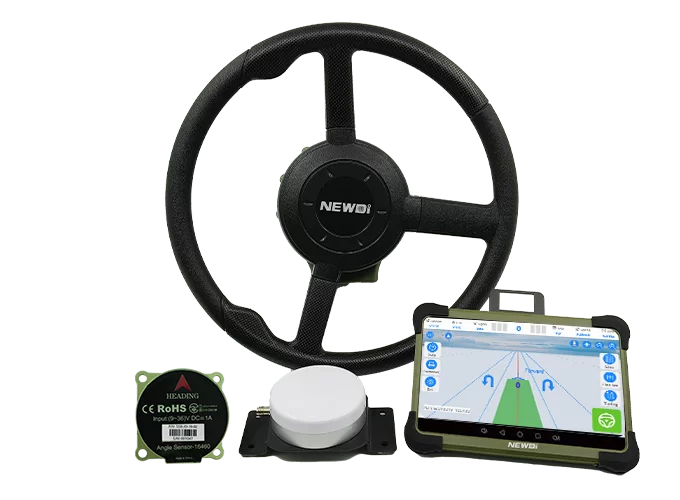
Developed specialized auto-steering algorithms that transformed tractor efficiency for farmers globally, including North African markets.

Global Expansion

Established a robust distribution network across Africa, ensuring local support and calibration services for Moroccan surveying firms.

Technological Convergence

Integrated RTK and IoT into a single ecosystem, allowing users to manage multiple devices from a single cloud interface.

Commitment to Precision

Our mission is to solve the pain points of measurement errors and labor inefficiency through relentless innovation in GNSS technology.

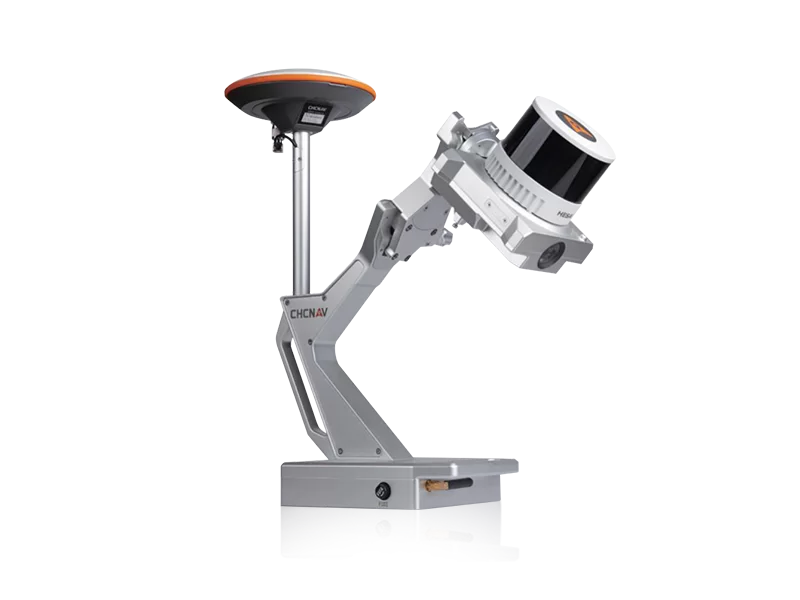
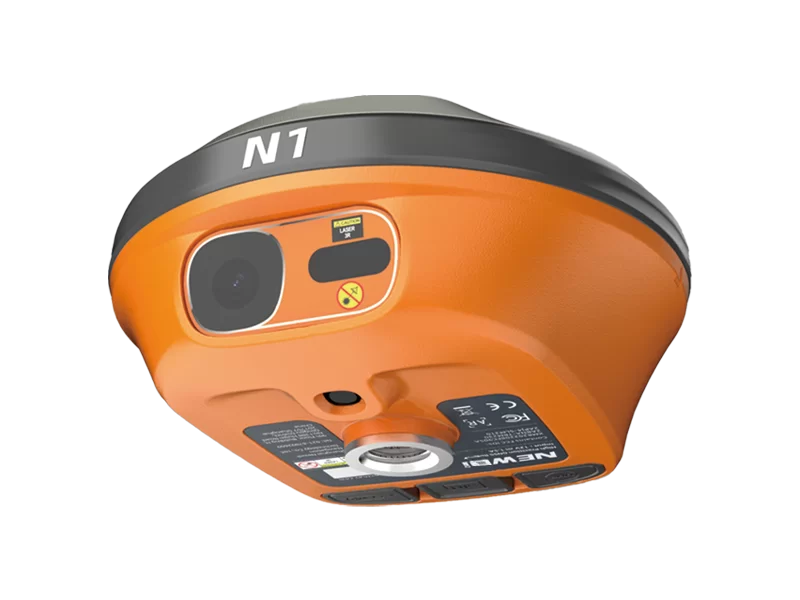
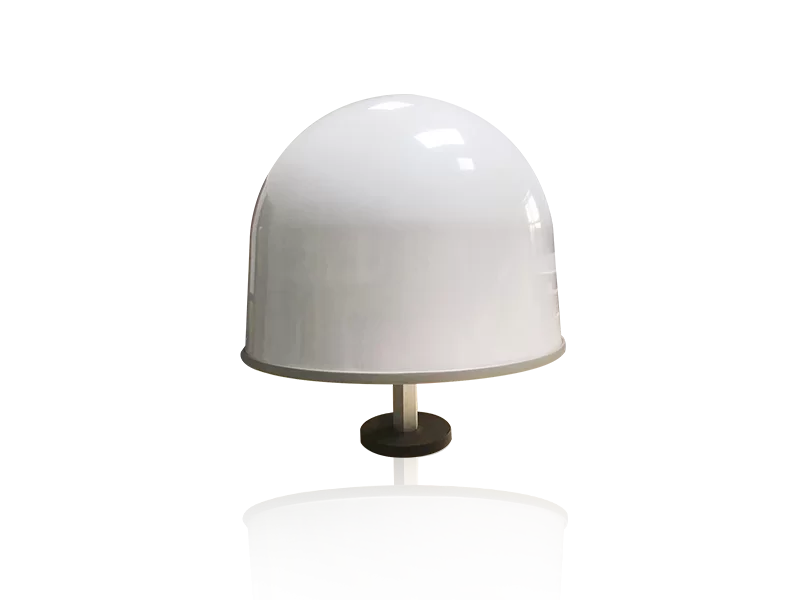
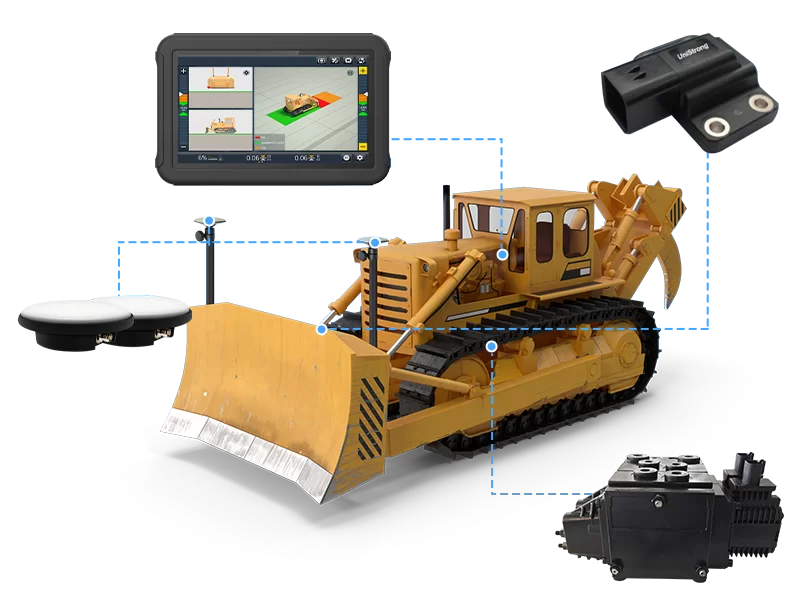
Comprehensive Product Portfolio for Morocco

From handheld receivers to fully automated steering kits.

Frequently Asked Questions in Morocco

Expert answers to common technical queries regarding geospatial equipment.

How does a GNSS RTK receiver perform in the Atlas Mountains?

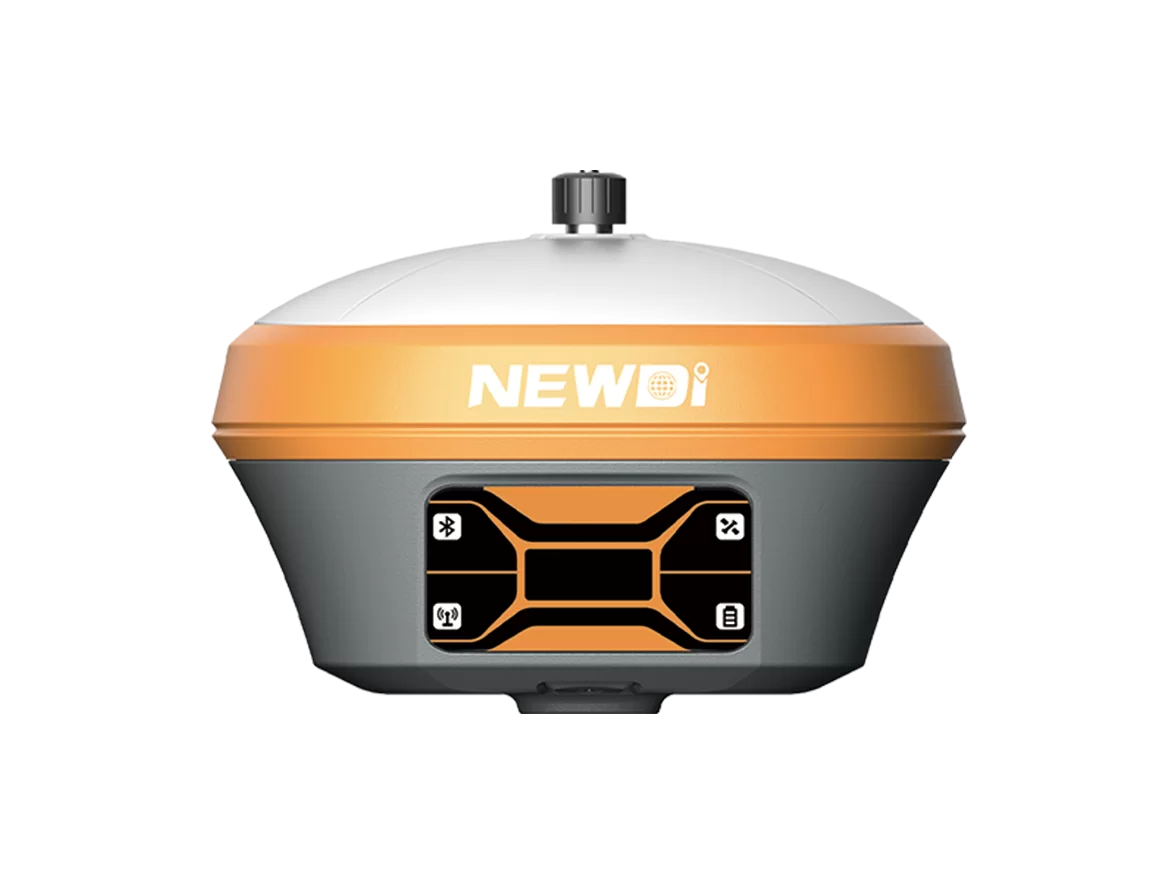
Our receivers utilize multi-constellation tracking to maintain a fix even in challenging terrain where signal blockage is common, ensuring centimeter-level accuracy.

Can I install an auto steer tractor kit on older machinery?

Yes, our universal steering kits are designed to be compatible with most tractor brands used in Morocco, providing an affordable upgrade to precision farming.

What is the difference between a total station and GNSS for land mapping?

A total station is superior for short-range, high-precision line-of-sight work, while GNSS is ideal for large-area mapping without the need for physical visibility between points.

Does gps diferencial technology require a local base station?

Depending on the setup, you can either use your own base station or connect to a network RTK (NRTK) service via internet to receive corrections.

Is your surveying equipment dust-proof for Sahara environments?

All our professional-grade hardware is IP67 or IP68 rated, ensuring complete protection against dust and water ingress in desert conditions.

How do I choose the right surveying equipment for urban construction?

For urban areas with high "urban canyons," we recommend a combination of RTK GNSS for general layout and a total station for precision structural alignment.

Ready to Elevate Your Precision?

Contact our expert team today for tailored geospatial solutions across Morocco.

Contact Us Now