


Shanghai Newdi Navigation Technology Co.,Ltd

Advanced gnss rtk receiver Solutions for Iran Infrastructure

Precision positioning and automated measurement systems engineered for the challenging terrains and agricultural expanses of the Iranian plateau.

Advanced gnss rtk receiver Solutions for Iran Infrastructure

Empowering Iranian surveyors and farmers with high-precision surveying equipment to optimize land use and infrastructure development across Asia.

The State of Geomatics and Precision Ag in Iran

Analyzing the intersection of rugged geography and technological adoption.

Iran's diverse landscape, ranging from the Alborz mountains to the central deserts, presents unique challenges for traditional measurement. The demand for robust surveying equipment has surged as the country invests in transit corridors and water management projects to combat aridification.

In the agricultural sector, the shift toward precision farming is evident. The adoption of the auto steer tractor is becoming critical for large-scale wheat and saffron production, reducing overlap and optimizing fuel consumption in remote provinces.

However, technical hurdles remain regarding signal stability in mountainous regions. This has led to an increased reliance on gps diferencial systems to ensure centimeter-level accuracy despite the complex ionospheric conditions common in the region.

Evolution of Measurement Technology in Iran

From optical foundations to satellite-driven automation.

Market Development History

Until the early 2000s, the Iranian market relied heavily on traditional optical tools. The total station became the industry standard during the urban expansion of Tehran and Mashhad, providing the necessary angular and distance precision for complex civil engineering.

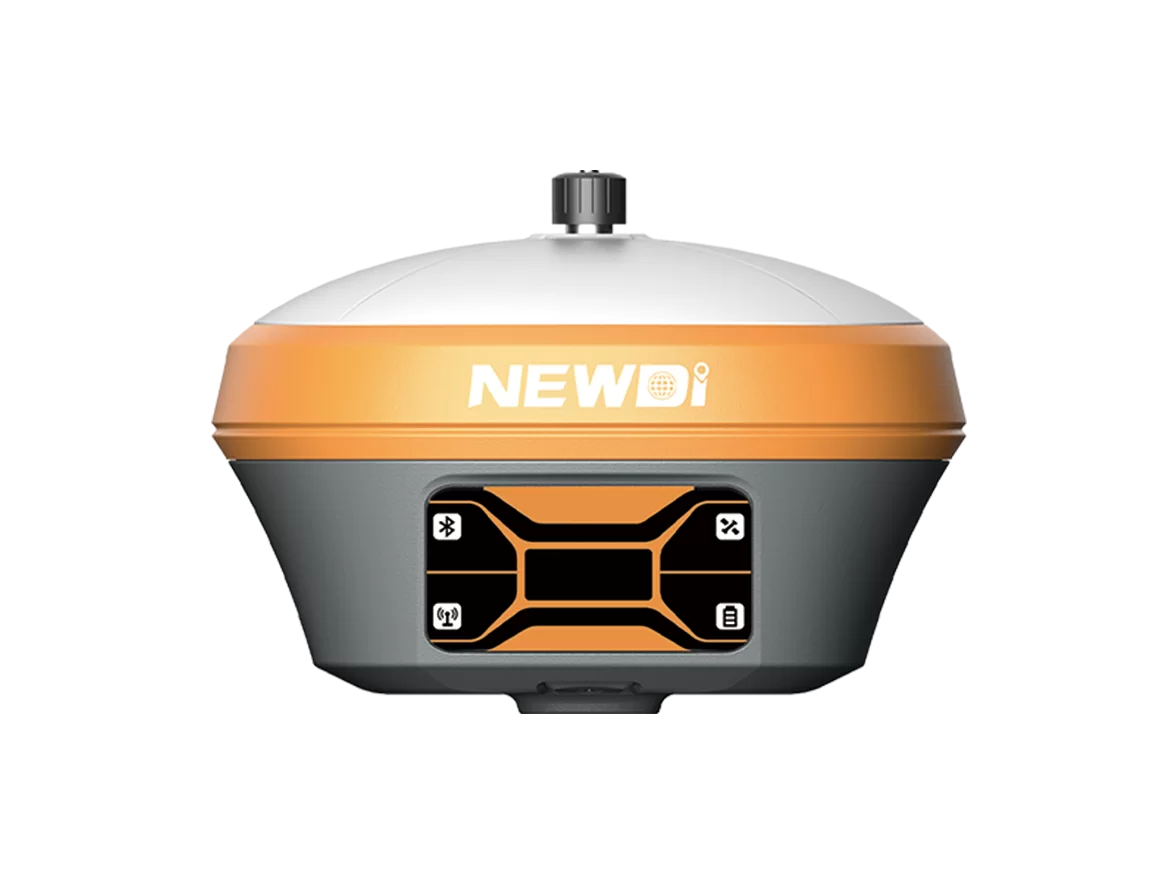
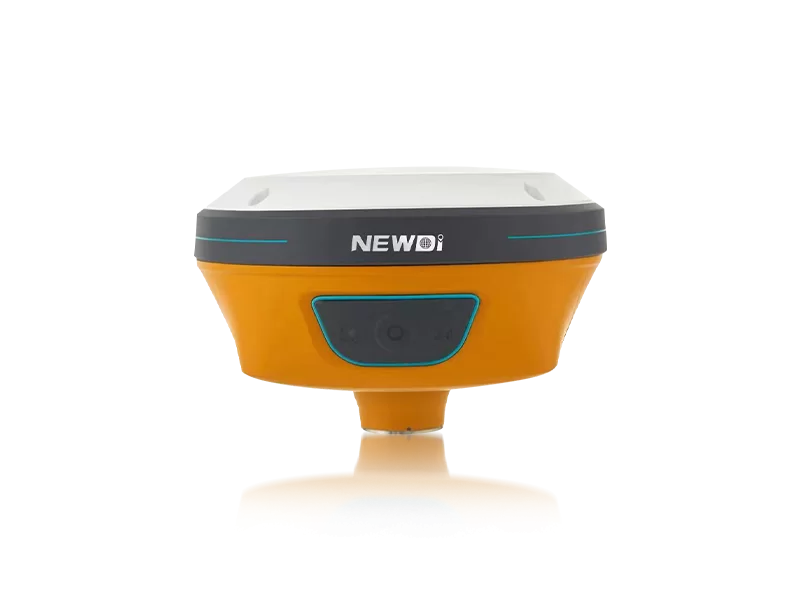
Between 2010 and 2020, a pivotal shift occurred with the integration of GNSS. The introduction of the gnss rtk receiver revolutionized cadastral surveying, allowing for rapid data collection without the need for clear line-of-sight between points.

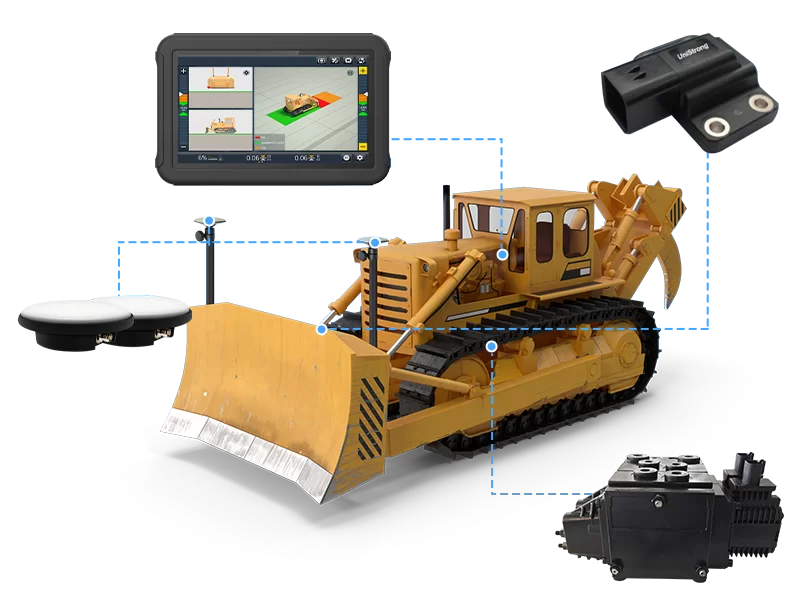
Current trends show a convergence of surveying and machinery. The integration of RTK technology directly into agricultural machinery has transitioned the market from simple measurement to active, automated machine control.

Future Development Trends

Multi-Constellation Synergy

Future adoption will move beyond GPS to include Beidou and Galileo, ensuring uninterrupted connectivity in the deep valleys of the Zagros mountains.

AI-Driven Terrain Mapping

Integration of AI with existing measurement tools will allow for predictive land-slip analysis and automated volume calculations in mining sectors.

Autonomous Agri-Fleets

The transition from manual steering to fully autonomous fleets will accelerate, driven by the need for labor efficiency in the agricultural heartlands.

Industry Trends and Future Outlook

Strategic technological shifts for the next 3-5 years.

RTK Network Expansion
Expanding CORS networks across Iran to provide seamless corrections for all GNSS receivers.
Precision Ag-Tech
Integration of Variable Rate Technology (VRT) with automated steering for water conservation.
Hybrid Surveying
Combining Total Station precision with GNSS efficiency for dense urban environments.
Cloud-Based GIS
Real-time data synchronization from field to office via cloud-native GIS platforms.

Industry Outlook

The trajectory of the measurement industry in Iran is moving toward absolute automation. Google search trends indicate a rising interest in "smart farming" and "autonomous surveying," suggesting that the market is ready for higher-tier integration of sensors and software.

Investment in national infrastructure will likely drive the demand for high-end surveying equipment, particularly tools that can operate in extreme temperatures and dusty environments without loss of precision.

Localized Application Scenarios in Iran

Real-world deployment of precision instruments across various Iranian sectors.

1. Arid Land Irrigation Planning

Using gps diferencial to map precise contours of agricultural land in the Kerman province, ensuring efficient water distribution in drought-prone areas.

2. Highway Expansion in the Alborz Range

Deploying a total station for high-precision tunnel alignment and bridge construction where satellite signals are obstructed by steep cliffs.

3. Wheat Field Optimization in Khuzestan

Implementing the auto steer tractor system to maximize planting efficiency and reduce seed waste across vast plains.

4. Urban Redevelopment in Tehran

Utilizing a gnss rtk receiver for rapid cadastral boundary updates and utility mapping in densely populated urban zones.

5. Oil and Gas Pipeline Monitoring

Applying advanced surveying equipment to monitor ground subsidence and pipeline integrity in the southwestern oil fields.

Brand Story

Global Development History of Shanghai NCT Navigation Technology Co., Ltd.

Technical Foundation

Established with a focus on solving the "last centimeter" problem in satellite positioning for industrial applications.

Market Diversification

Expanded from pure surveying tools into specialized agricultural guidance and autonomous machine control systems.

Global Quality Standards

Achieved international certifications ensuring that hardware can withstand extreme climates, from tropical heat to desert storms.

Strategic Partnerships

Collaborated with global distributors to provide localized technical support and training in key markets across Asia.

Vision for Tomorrow

Committed to driving the transition toward fully autonomous, sustainable infrastructure and farming through precision navigation.

Comprehensive Product Portfolio for Iran

Integrated solutions for surveying, construction, and precision agriculture.

Common Questions for the Iranian Market

Technical guidance and compatibility support.

How does the gnss rtk receiver perform in mountainous regions of Iran?

Our receivers use multi-frequency, multi-constellation tracking to maintain locks even in areas with partial sky blockage, though a local base station is recommended for maximum stability.

Can the auto steer tractor system be installed on older machinery?

Yes, our systems are designed for versatility and can be retrofitted to most tractor models regardless of manufacture date, provided they have hydraulic or electronic steering.

What is the difference between a total station and GNSS for urban surveying in Tehran?

A total station is ideal for high-precision work in "urban canyons" where satellite signals are blocked, whereas GNSS is superior for large-area mapping and speed.

How to maintain surveying equipment in dusty desert environments?

We recommend using IP67-rated equipment and performing regular cleaning of sensor lenses and connectors with compressed air and specialized cleaning agents.

Is gps diferencial required for centimeter-level agricultural accuracy?

Yes, differential corrections (via RTK or NTRIP) are essential to eliminate atmospheric errors and achieve the precision needed for seed and fertilizer placement.

What software is compatible with your surveying tools in Asia?

Our hardware supports most industry-standard GIS and CAD software, allowing for seamless data export and integration into national Iranian mapping standards.

Get Professional Technical Support

Ready to upgrade your precision capabilities in Iran? Our experts are here to help you choose the right tools for your terrain.

Contact Us Now