Precision agriculture has undergone a radical transformation with the integration of satellite-based navigation, making the role of a professional farm gps guidance systems supplier more critical than ever. By eliminating overlap and reducing gaps during planting and spraying, these systems allow farmers to optimize every square inch of their land, leading to unprecedented levels of resource efficiency and yield consistency.
Across the globe, the pressure to produce more food with fewer inputs has driven the adoption of high-accuracy GNSS technology. A reliable farm gps guidance systems supplier doesn't just provide hardware; they offer a gateway to data-driven decision-making, enabling the transition from traditional blanket application to variable-rate technology that respects the specific needs of different soil patches.
Understanding the nuances of guidance levels—from basic lightbars to fully automated steering—is essential for any operation looking to scale. By partnering with a specialized farm gps guidance systems supplier, agricultural enterprises can mitigate operator fatigue, lower fuel consumption, and significantly reduce the environmental footprint of their chemical applications.
The Global Impact of Precision Guidance in Agriculture
The global agricultural landscape is currently facing a dual challenge: a rapidly growing population and the depletion of arable land. To address this, the industry has leaned heavily on a farm gps guidance systems supplier to implement RTK (Real-Time Kinematic) and GNSS technologies. These tools are no longer luxuries but necessities for meeting ISO standards of precision and reducing the runoff of nitrogen-based fertilizers into local watersheds.
In regions like North America and Europe, the adoption of these systems has led to a measurable increase in operational efficiency. By utilizing the expertise of a farm gps guidance systems supplier, farmers can now operate machinery with centimeter-level accuracy, which drastically reduces the "overlap" effect where seeds or chemicals are applied twice to the same area, saving thousands of dollars in input costs annually.
Defining the Role of a Modern GPS Guidance Supplier
A farm gps guidance systems supplier is more than a vendor of antennas and displays; they are the architects of a farm's digital infrastructure. At its core, a supplier provides the integrated ecosystem consisting of GNSS receivers, steering controllers, and software interfaces that translate satellite signals into physical movement on the field. This synergy ensures that the tractor follows a predetermined "A-B line" with absolute precision.
Beyond the hardware, a professional supplier ensures that the systems are compatible with a wide range of machinery, from legacy tractors to the latest autonomous platforms. This involves providing customized mounting solutions, signal correction services (such as NTRIP or base stations), and rigorous calibration to account for the specific offset of the implement relative to the GPS antenna.
In the context of modern humanitarian and food security needs, the role of the supplier extends to making this technology accessible. By offering scalable solutions—ranging from basic guidance for smallholders to full machine control for industrial farms—a farm gps guidance systems supplier helps stabilize food production by maximizing the productivity of existing land.
Core Technical Components of Guidance Systems
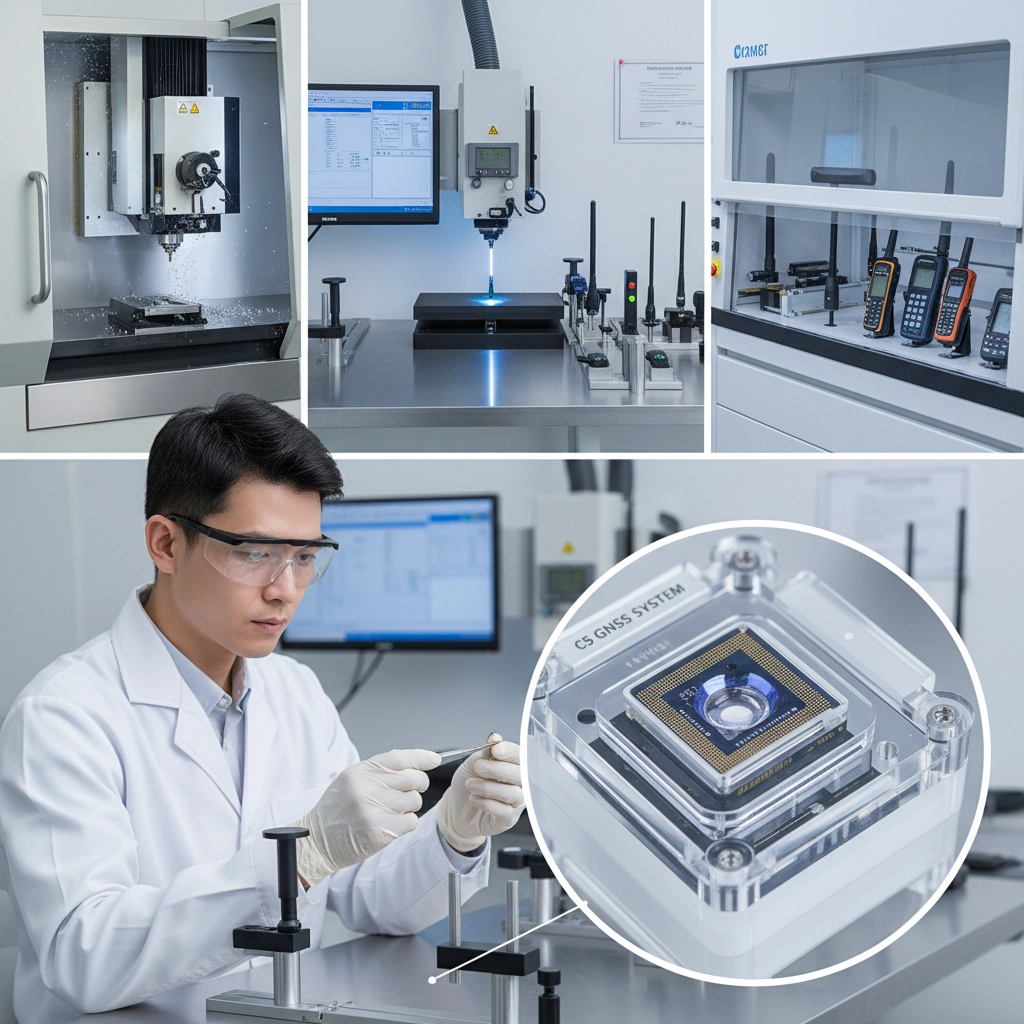
The foundation of any high-performance setup provided by a farm gps guidance systems supplier is the GNSS receiver. These devices process signals from multiple constellations (GPS, GLONASS, Galileo, and BeiDou) to ensure that the machine never loses its position, even in challenging environments with partial canopy cover or hilly terrain.
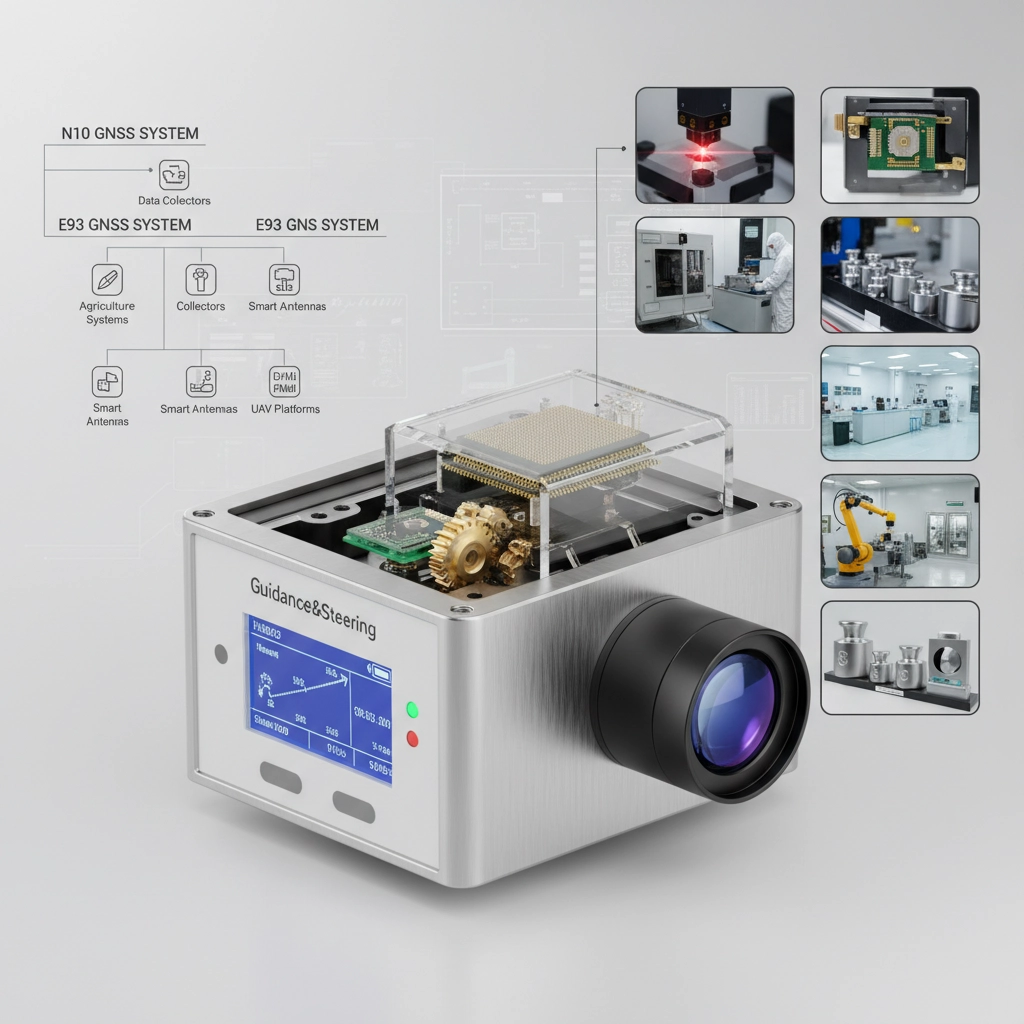
Scalability is another critical factor; a reputable farm gps guidance systems supplier will offer tiered options such as the N1 or M2 GNSS systems, allowing farmers to start with basic guidance and upgrade to full auto-steer as their operation grows. This modular approach prevents the farmer from being locked into a rigid system that cannot evolve with new implements.
Finally, the integration of smart antennas and data collectors allows for the seamless transition from guidance to mapping. A farm gps guidance systems supplier ensures that the data captured during the guidance process—such as as-applied maps—can be exported and analyzed to optimize the following year's crop rotation and fertilization strategy.
Economic Efficiency and ROI Analysis
The primary driver for investing in a farm gps guidance systems supplier is the rapid return on investment (ROI). By reducing overlap by just 5-10%, a medium-to-large scale operation can save significant amounts on fuel, seed, and chemicals. Furthermore, the reduction in operator fatigue means that work can be extended into the night hours with the same level of accuracy as midday, increasing the total workable window per season.
When analyzing the cost-benefit ratio, it is clear that the precision offered by a professional supplier mitigates the risk of "skipped" areas, which are often the primary cause of yield loss in traditional farming. The logical angle is simple: precision equals profit, and the reliability of the hardware ensures that these gains are consistent year after year.
Efficiency Gains by Guidance Level from farm gps guidance systems supplier
Real-World Applications Across Diverse Terrains
In the vast prairies of the Midwest or the sprawling wheat fields of Australia, a farm gps guidance systems supplier provides the tools necessary to manage thousands of acres with minimal error. For example, in large-scale grain farming, RTK-enabled guidance allows for "controlled traffic farming," where the machinery always travels on the same permanent tracks, drastically reducing soil compaction and improving root health.
Conversely, in more complex terrains such as the terraced farms of Southeast Asia or the vineyard hills of Italy, the precision of a farm gps guidance systems supplier is used to map exact boundaries and contour lines. This ensures that spraying occurs precisely on the vine row without wasting expensive fungicides on the gaps, demonstrating that these systems are as valuable for high-value specialty crops as they are for broad-acre commodities.
Long-Term Value and Sustainability Gains
The long-term value of partnering with a farm gps guidance systems supplier extends far beyond the balance sheet; it is a matter of environmental stewardship. By enabling precise application, these systems significantly reduce the amount of chemical runoff entering groundwater systems. This alignment with "Green Energy" and sustainable farming policies makes the technology a cornerstone of the digital transformation in agriculture.
Furthermore, there is a profound human element. The reduction of mental stress on the operator is immense. When a tractor handles the steering, the farmer can focus on the quality of the seed placement or the calibration of the sprayer, leading to higher quality output and a more dignified, less exhausting working environment.
Trust in the technology is built through reliability. A top-tier farm gps guidance systems supplier provides consistent signal uptime and robust hardware that can withstand the dust, vibration, and extreme temperatures of a field. This reliability ensures that when the narrow planting window opens, the technology works every single time.
Future Innovations in Autonomous Farming
Looking ahead, the collaboration between a farm gps guidance systems supplier and AI developers is leading us toward fully autonomous farming. We are moving from "guidance" to "autonomy," where machines can not only steer themselves but also make real-time adjustments based on sensor data from GNSS sensors and machine control systems. This evolution will likely see a shift toward swarms of smaller, autonomous robots that reduce soil compaction even further.
Digital transformation is also integrating cloud-based fleet management. A farm gps guidance systems supplier will soon provide real-time dashboards where a farm manager can track ten different machines across a thousand acres, adjusting paths and targets on the fly via a mobile device. This level of connectivity will optimize logistics and fuel usage to a degree previously thought impossible.
The ultimate goal is a closed-loop system: the data collector identifies a nutrient deficiency, the guidance system steers the machine to that exact coordinate, and the machine control system applies the precise amount of fertilizer needed. This "surgical" approach to farming is the inevitable future driven by the innovation of the farm gps guidance systems supplier.
Comparison of Guidance Technologies and Future Trends
| Technology Tier |
Accuracy Level |
Primary Benefit |
Sustainability Impact |
| Basic GNSS |
15-30 cm |
Reduced Overlap |
Low |
| RTK Guidance |
2-3 cm |
Perfect Row Alignment |
Medium |
| Auto-Steer |
2-3 cm |
Operator Fatigue Reduction |
Medium |
| Variable Rate |
Centimeter-level |
Input Optimization |
High |
| Autonomous Swarms |
Sub-cm |
Zero-Human Operation |
Very High |
| Integrated AI Map |
Dynamic |
Predictive Yields |
High |
FAQS
Basic GPS typically offers accuracy within 15-30cm, which is sufficient for general guidance. However, RTK (Real-Time Kinematic) systems provided by a professional farm gps guidance systems supplier use a base station or network to provide corrections, bringing accuracy down to 2-3cm. This is essential for tasks like planting seed rows or precision spraying where even a small deviation can lead to wasted inputs or crop damage.
Yes, most reputable farm gps guidance systems suppliers offer "retrofit" kits. These include universal steering motors and controllers that can be installed on legacy machinery. By adding a GNSS receiver and a steering actuator, you can give an old tractor the same precision capabilities as a brand-new model without the cost of replacing the entire machine.
Fuel is wasted primarily through overlapping passes. When a driver manually steers, they often overlap by several feet to ensure no gaps are left. A system from a farm gps guidance systems supplier ensures the most efficient path is taken with zero unnecessary overlap, reducing the total distance traveled and the hours the engine runs, directly lowering fuel consumption.
Depending on the supplier, you can either invest in your own local base station (one-time cost) or subscribe to a network correction service (NTRIP). Many a farm gps guidance systems supplier offer flexible plans based on the size of the operation, allowing smaller farms to pay for the service only during the peak planting and spraying seasons.
Modern systems utilize "Dead Reckoning" and IMUs (Inertial Measurement Units). When a brief signal loss occurs, the system uses the last known position and sensors (like gyroscopes and wheel encoders) to maintain the line for a short period. A high-quality farm gps guidance systems supplier ensures the hardware has these redundancies to prevent the tractor from veering off course.
Initial installation usually takes a few hours, but the calibration—setting the offset between the antenna and the implement—can be done in minutes using the supplier's software. Most a farm gps guidance systems supplier provide comprehensive onboarding and technical support to ensure the system is perfectly aligned with the specific geometry of the farmer's equipment.
Conclusion
The integration of precision technology through a trusted farm gps guidance systems supplier has fundamentally changed the economics of farming. By combining high-accuracy GNSS receivers with intelligent steering and data collection, producers can now achieve a level of efficiency that maximizes yields while minimizing environmental impact. From the reduction of chemical runoff to the elimination of operator burnout, the tangible benefits of these systems create a more sustainable and profitable agricultural future.
As we move toward a world of fully autonomous machinery and AI-driven crop management, the partnership between the farmer and the technology supplier will only grow in importance. We encourage operators to evaluate their current efficiency gaps and invest in scalable guidance solutions that can grow with their business. For industry-leading precision tools and expert consultation, visit our website: www.nctnav.com