
Shanghai Newdi Navigation Technology Co.,Ltd

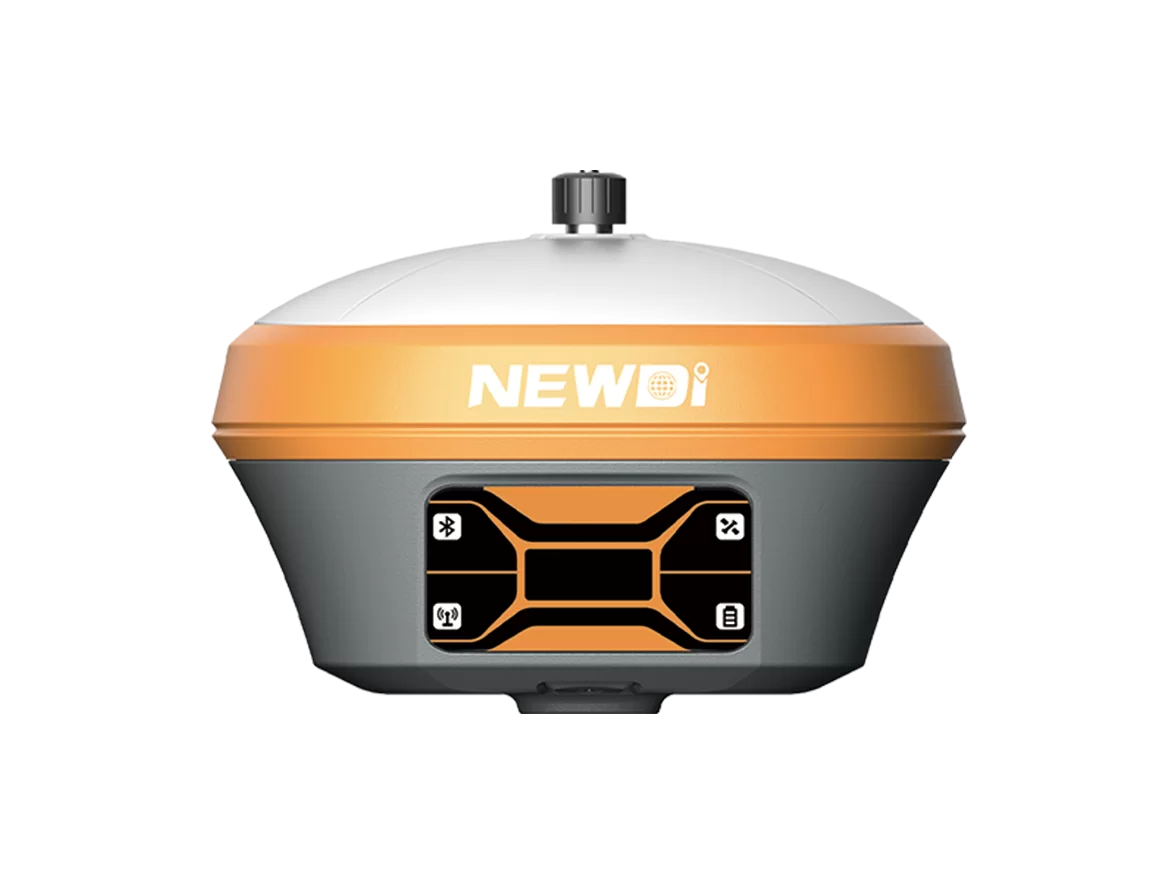
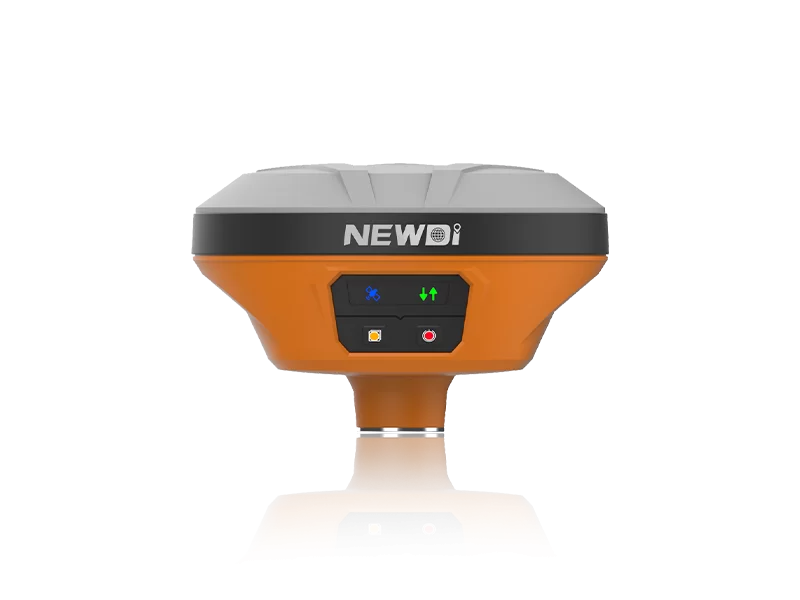
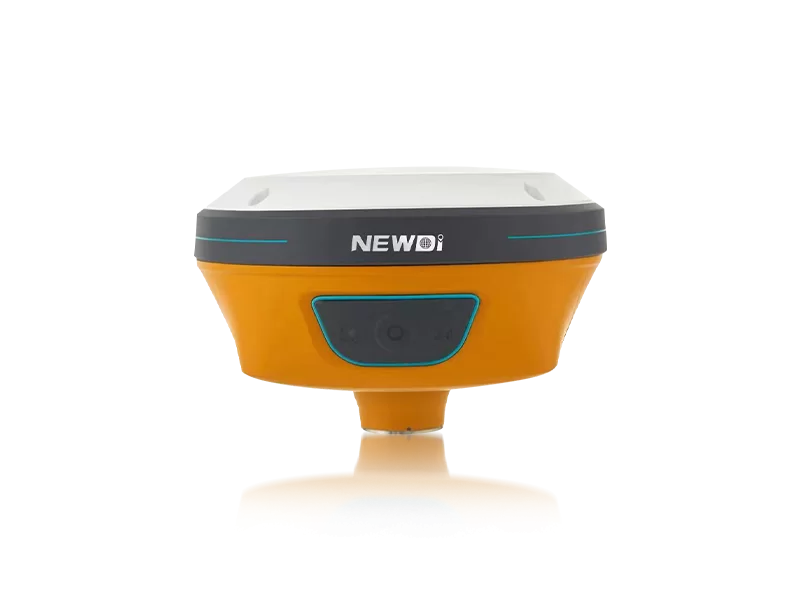
Precision Positioning Solutions with gnss rtk receiver in Brazil

Empowering Brazil's agricultural and infrastructure sectors with high-precision measurement and autonomous steering technologies.

Precision Positioning Solutions with gnss rtk receiver in Brazil

Optimizing land management and engineering accuracy across the Brazilian landscape using state-of-the-art surveying equipment.

The Landscape of Precision Geomatics in Brazil

Navigating the challenges of vast terrains and tropical climates.

Brazil's unique geography, ranging from the dense Amazon rainforest to the vast Cerrado savannas, presents significant challenges for traditional mapping. The industry currently relies heavily on gps diferencial systems to overcome signal attenuation in forested areas and ensure centimeter-level accuracy for large-scale land registries.

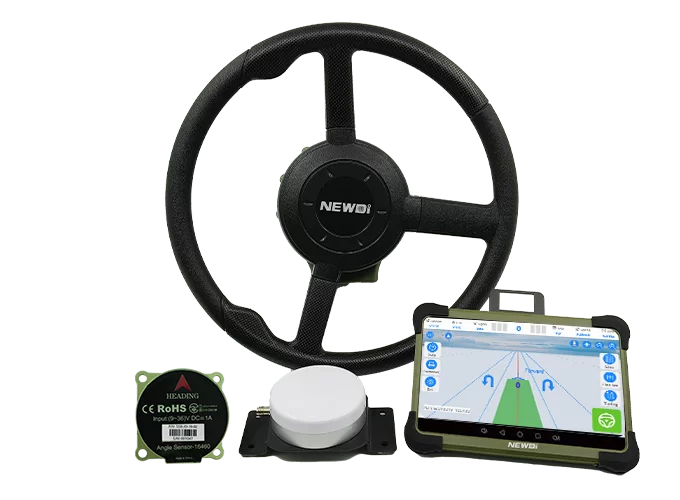
In the agricultural heartlands of Mato Grosso and Paraná, the adoption of precision farming is accelerating. Farmers are moving away from manual guidance toward auto steer tractor systems to reduce overlap during planting and spraying, which is critical for maintaining profitability in massive soy and corn plantations.

Despite the progress, the high cost of imported hardware and the need for local technical support remain bottlenecks. There is a growing demand for ruggedized total station units that can withstand high humidity and extreme temperature fluctuations typical of the Brazilian tropical climate.
Evolution of Surveying Technology in the Brazilian Market

From optical measurements to satellite-driven autonomy.

Market Development History

During the late 1990s and early 2000s, Brazilian surveying was dominated by traditional optical tools. The total station became the industry standard for urban development and road construction, providing a significant leap in speed over theodolites.

Between 2010 and 2018, the integration of GNSS technology transformed the sector. The introduction of gps diferencial (DGPS) allowed for faster boundary mapping of the vast agricultural frontiers, reducing the time required for land surveying from weeks to days.

From 2019 to the present, the focus has shifted toward real-time cinematic accuracy. The widespread deployment of gnss rtk receiver technology has enabled "Smart Farming" and high-precision civil engineering, facilitating the transition to fully automated machinery.

Future Development Trends

Multi-Constellation Integration

Future systems will integrate GPS, GLONASS, Galileo, and BeiDou to ensure signal stability in the deep valleys and dense canopies of the Brazilian interior.

AI-Driven Autonomous Navigation

The evolution of the auto steer tractor will move toward full Level 4 autonomy, utilizing AI to adjust paths based on real-time soil moisture and crop health data.

Cloud-Based Geodata Ecosystems

We expect a transition toward real-time cloud syncing where all surveying equipment feeds data directly into a BIM (Building Information Modeling) environment for instant project updates.

Industry Trends and Future Outlook for Brazil

Driving efficiency through digital transformation in measurement.

RTK Network Expansion
Expanding NTRIP networks across rural Brazil to provide seamless corrections for GNSS receivers.
Precision Ag-Tech
Integration of auto-steering with variable rate application for sustainable Brazilian farming.
Hybrid Mapping
Combining LiDAR and GNSS data for rapid infrastructure mapping in urban São Paulo and Rio.
Sustainability Integration
Using precision tools to monitor Amazon reforestation and prevent illegal land encroachment.

Industry Outlook

Over the next 3-5 years, the Brazilian market will see a surge in "Integrated Geomatics," where the boundary between surveying and operational machinery disappears. We predict a significant increase in the search volume for automated land-leveling and RTK-based drone integration for crop scouting.

The economic drive toward "Agriculture 4.0" in Brazil will make high-precision surveying equipment an essential investment rather than a luxury, as regulatory pressures for sustainable farming and precise land boundaries intensify.

Localized Application Scenarios in Brazil

Practical implementations for Brazilian terrain and industry.

1. Large-Scale Soybean Plantation Guidance

Utilizing auto steer tractor systems in Mato Grosso to ensure perfectly straight rows, reducing fuel consumption and optimizing the use of fertilizers across thousands of hectares.

2. Amazon Basin Border Demarcation

Employing high-sensitivity gnss rtk receiver units to establish precise legal boundaries in dense jungle areas, ensuring environmental compliance and land rights.

3. Urban Infrastructure in São Paulo

Using a total station for high-precision alignment of new metro lines and skyscraper foundations in Brazil's most densely populated urban center.

4. Mine Site Volume Calculation

Implementing gps diferencial technology in the iron ore mines of Minas Gerais to accurately monitor stockpiles and calculate excavation volumes in real-time.

5. Highway Expansion in the Northeast

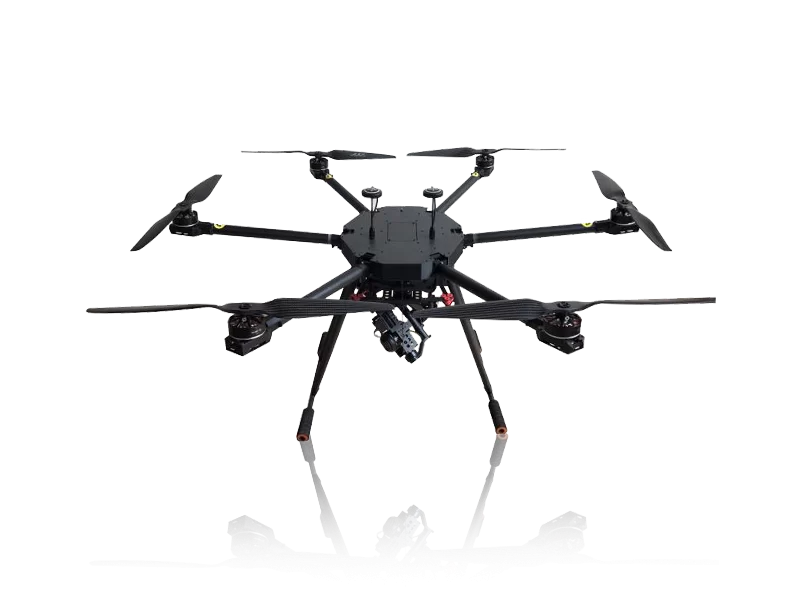
Integrating a full suite of surveying equipment to design and execute road expansions, ensuring optimal grading and drainage across varying topographies.

Brand Story

Global Development Journey of Shanghai NCT Navigation Technology Co., Ltd.

Foundation & Core Vision

Established with a mission to bridge the gap between complex satellite data and practical field application, solving the pain point of operational complexity in measurement.

Technological Breakthrough

Developed proprietary RTK algorithms that significantly reduced initialization time, allowing engineers in the field to start working instantly.

Global Market Entry

Expanded our footprint into South America, tailoring our hardware to withstand the extreme environmental conditions of tropical regions like Brazil.

Ag-Tech Innovation

Launched the integrated auto-steering series, transforming traditional tractors into precision instruments for the global agricultural revolution.

Sustainable Future

Committed to providing accessible, high-precision geomatics tools that promote sustainable land use and infrastructure growth worldwide.

Comprehensive Precision Portfolio for Brazil

All-in-one tools for agriculture, mining, and civil engineering.

Local FAQs for Brazilian Precision Measurement

Answers to the most common technical queries from our Brazilian partners.

How does a gnss rtk receiver perform in the Amazon rainforest?

Our receivers use multi-frequency and multi-constellation tracking to maximize signal reception under dense canopies, although a clear view of the sky is always recommended for peak centimeter-level accuracy.

What is the benefit of an auto steer tractor for soy farming in Mato Grosso?

It eliminates overlap and gaps during planting and spraying, which reduces chemical waste and fuel costs while increasing the overall yield per hectare.

Can I use gps diferencial for high-precision land registration (CAR) in Brazil?

Yes, DGPS provides the necessary accuracy for most rural land registries, though for official legal boundaries, we recommend using RTK-enabled surveying equipment for maximum precision.

How do I choose between a total station and GNSS for urban works in São Paulo?

Use a total station for areas with "urban canyons" where tall buildings block satellite signals. Use GNSS for open areas and general site layout to increase speed.

Is your surveying equipment resistant to high tropical humidity?

Yes, our devices are built with IP67/IP68 ratings, ensuring they are dust-tight and water-resistant, making them ideal for Brazil's humid and rainy climates.

What are the maintenance requirements for auto-steering systems in dusty areas?

We recommend regular cleaning of the sensors and checking the wiring harnesses, as the red dust in certain Brazilian regions can be abrasive to external connectors.

Ready to Elevate Your Precision?

Get expert consultation for your surveying and autonomous steering projects in Brazil.

Contact Us Now