


Shanghai Newdi Navigation Technology Co.,Ltd

Precision Mapping Solutions for Romania with gnss rtk receiver

Empowering Romanian infrastructure and agriculture with high-accuracy geospatial measurement and automated guidance systems.

Precision Mapping Solutions for Romania with gnss rtk receiver

Integrating advanced surveying equipment to drive efficiency across Romania's diverse terrain, from the Carpathian Mountains to the Danubian Plain.

The Current Landscape of Geospatial Technology in Romania

Analyzing the adoption of high-precision measurement tools in Eastern Europe's growing economy.

Romania's current industrial landscape is characterized by a rapid transition toward digitalization. In the construction and agriculture sectors, the demand for gps diferencial systems has surged as the country upgrades its national road networks and optimizes large-scale farming in the Bărăgan Plain.

Geographically, the varied terrain of Romania presents unique challenges. From dense forests to steep mountainous regions, professionals rely on robust total station hardware to maintain millimeter-level accuracy where satellite signals may be obstructed by canopy or topography.

Furthermore, the Romanian agricultural sector is experiencing a technological leap. The integration of an auto steer tractor system is becoming a competitive necessity to reduce overlap, lower fuel consumption, and combat the shortage of skilled labor in rural areas.
Evolution of Measurement Technology in Romania

From traditional optical surveying to real-time kinematic satellite positioning.

Market Development History

Prior to 2010, the Romanian market was dominated by traditional optical instruments. Most cadastral works relied on manual calculations and basic theodolites, leading to slow project turnaround and higher margins of error in complex land registry tasks.

Between 2010 and 2020, the "Digital Transition" phase saw the widespread adoption of the first-generation total station and basic GPS. This era focused on replacing manual drafting with CAD-integrated data, significantly speeding up urban planning in cities like Bucharest and Cluj-Napoca.

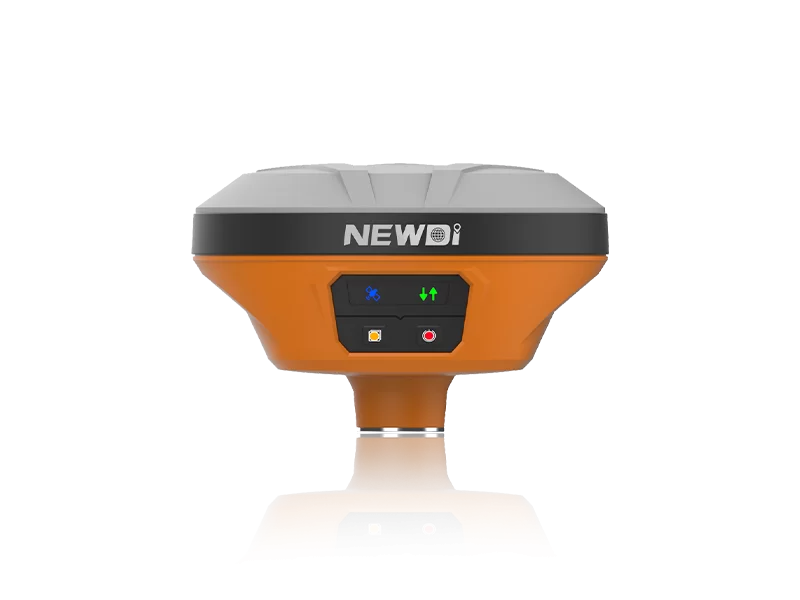
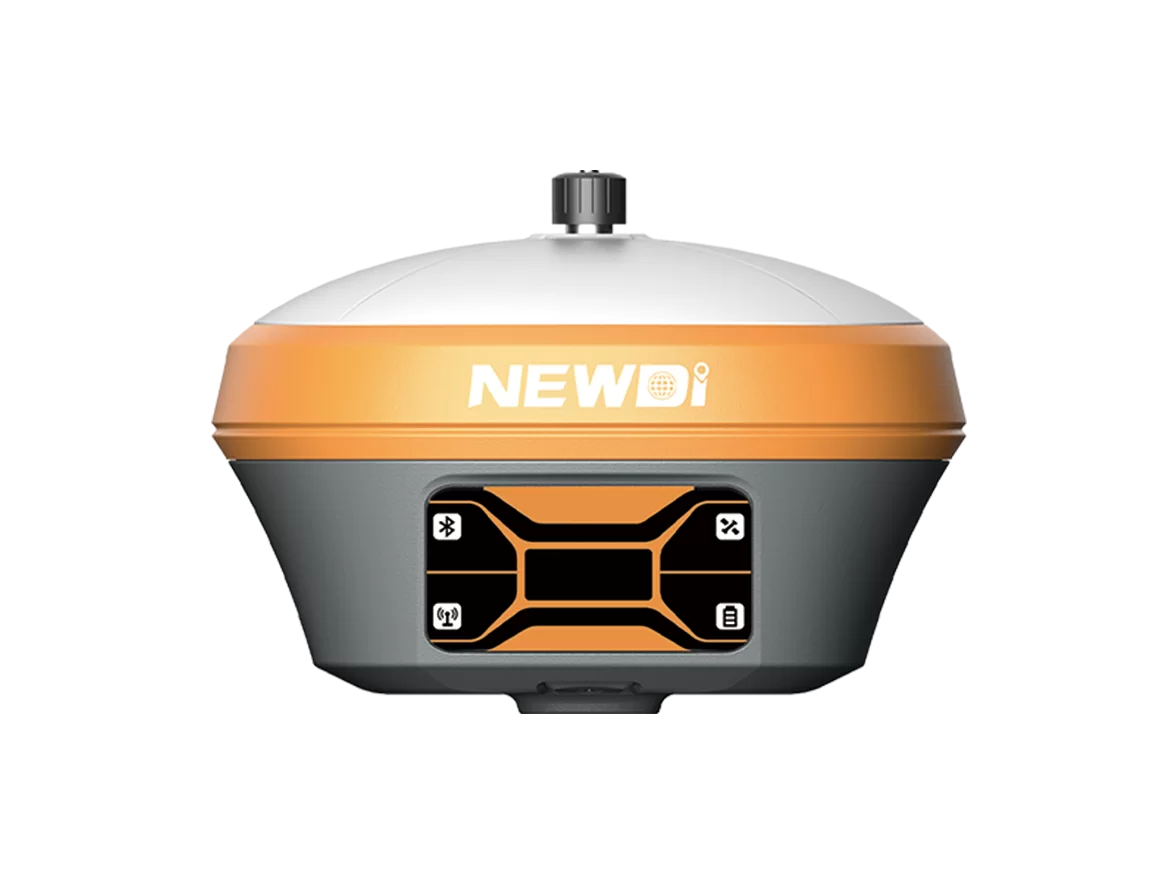
From 2020 to the present, the market has shifted toward "Instant Accuracy." The deployment of NTRIP networks across Romania has made the gnss rtk receiver the industry standard, allowing for real-time centimeter-level corrections without the need for local base stations.

Future Development Trends

Autonomous Machinery Integration

The next 3 years will see a shift from assisted steering to fully autonomous operation, where the auto steer tractor evolves into a self-managing agricultural robot.

Multi-Constellation Convergence

Increased reliance on multi-frequency signals (GPS, GLONASS, Galileo, BeiDou) will ensure stability in the rugged Carpathian regions, reducing downtime caused by signal masking.

Cloud-Based Geospatial Ecosystems

Data will flow directly from surveying equipment to cloud platforms, enabling real-time remote project management and BIM (Building Information Modeling) integration.

Industry Trends and Future Outlook

Predicting the trajectory of precision instrumentation in the Romanian market.

RTK Ubiquity
The transition toward universal RTK access will eliminate traditional surveying bottlenecks across all Romanian counties.
Agri-Tech Automation
Integration of high-precision GPS into autonomous farming fleets to maximize crop yield in the Danubian region.
Hybrid Surveying
The fusion of GNSS and Robotic Total Stations to create seamless 3D maps of complex Romanian urban infrastructures.
Edge Computing
Processing spatial data at the sensor level to provide instantaneous feedback for heavy machinery operators.

Industry Outlook

Based on regional search trends, there is a growing appetite in Romania for integrated "one-stop" geospatial ecosystems. Professionals are no longer seeking individual tools but rather unified workflows that connect field data collection to office analysis.

The focus for the next five years will be on "Reliability in Extremes." As Romania invests in highway expansions through mountainous corridors, the ability of equipment to maintain lock-on in challenging environments will be the primary driver of market share.

Localized Application Scenarios in Romania

Real-world implementations of precision instruments in the Romanian economic landscape.

1. Carpathian Infrastructure Expansion

Using a combination of total station and GNSS to map challenging mountain terrains for new highway tunnels and bridges, ensuring structural precision in seismic zones.

2. Bărăgan Plain Precision Agriculture

Implementing an auto steer tractor system across vast cereal farms to minimize seed waste and maximize yield through precise row alignment.

3. Bucharest Urban Redevelopment

Deploying surveying equipment for high-density urban mapping to support the digitalization of land registries and the modernization of city utilities.

4. Danube Delta Environmental Monitoring

Utilizing gps diferencial setups to monitor erosion and water level changes in the fragile ecosystem of the Delta with high temporal and spatial accuracy.

5. Transylvanian Cadastral Updates

Employing a gnss rtk receiver to resolve complex land ownership boundaries in rural villages, speeding up the legal process of land titling.

Brand Story

Global Development Journey of Shanghai NCT Navigation Technology Co., Ltd.

Foundation and Vision

Established to bridge the gap between complex satellite data and practical field application, focusing on accessible precision for all.

Technological Breakthroughs

Developed proprietary algorithms to enhance RTK stability, reducing the "time to fix" in challenging environments.

Global Expansion

Entering European markets, including Romania, to provide localized support and hardware tailored to regional standards.

Agricultural Revolution

Launched the integrated auto-steering line, transforming traditional tractor operations into precision-guided productivity.

Commitment to the Future

Dedicated to solving the pain points of measurement errors and operational inefficiency through continuous R&D.

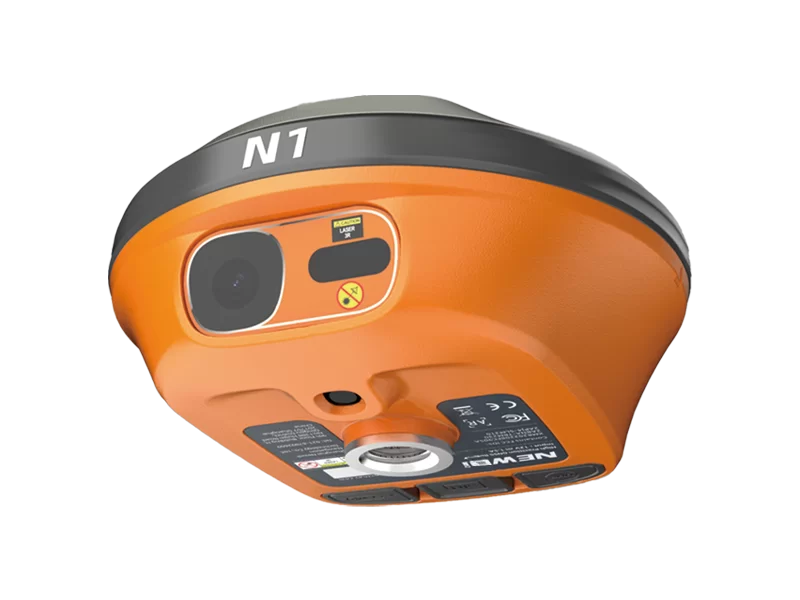
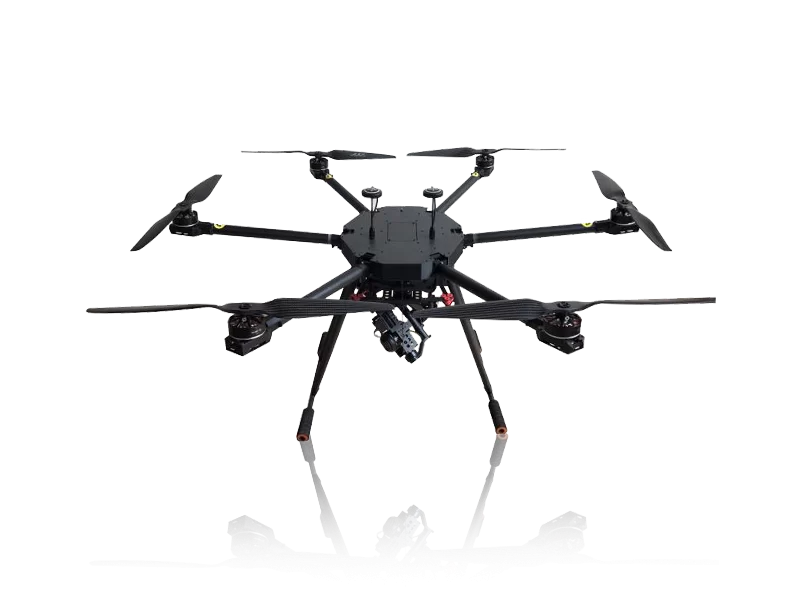
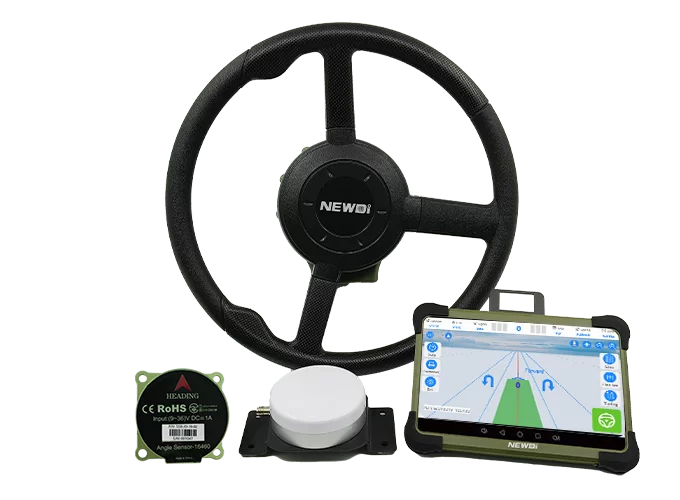
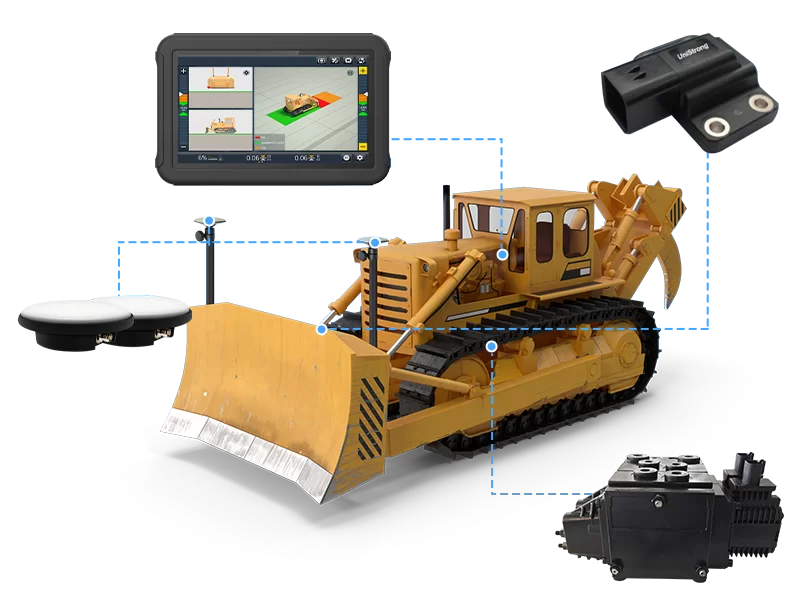
Complete Precision Product Portfolio for Romania

A comprehensive suite of tools designed for the Romanian landscape, from agriculture to civil engineering.

Frequently Asked Questions for Romanian Professionals

Expert answers to common technical queries regarding precision equipment.

How does a gnss rtk receiver perform in the Carpathian Mountains?

Our receivers use multi-constellation tracking to mitigate signal masking from steep slopes, though we recommend combining them with a total station for dense forest areas.

Can I install an auto steer tractor system on older Romanian machinery?

Yes, our systems are designed for universal compatibility, allowing retrofitting on most tractor brands common in the Romanian agricultural sector.

What is the difference between gps diferencial and standard GNSS?

While standard GNSS provides meter-level accuracy, gps diferencial uses a reference station to provide real-time corrections, achieving centimeter-level precision.

Which surveying equipment is best for urban mapping in Bucharest?

A hybrid approach using RTK for open areas and a high-precision total station for narrow streets and "urban canyons" is the most efficient strategy.

How often should a total station be calibrated for Romanian construction standards?

We recommend professional calibration every 6 to 12 months to ensure compliance with national engineering standards and project tolerances.

Are RTK correction services available across all Romanian counties?

Yes, via NTRIP and internet connectivity, you can access correction data across Romania, though local base stations are still used for remote areas.

Get Expert Guidance Today

Ready to upgrade your precision capabilities in Romania? Our technical team is here to help you choose the right solution.

Contact Us Now