
Shanghai Newdi Navigation Technology Co.,Ltd

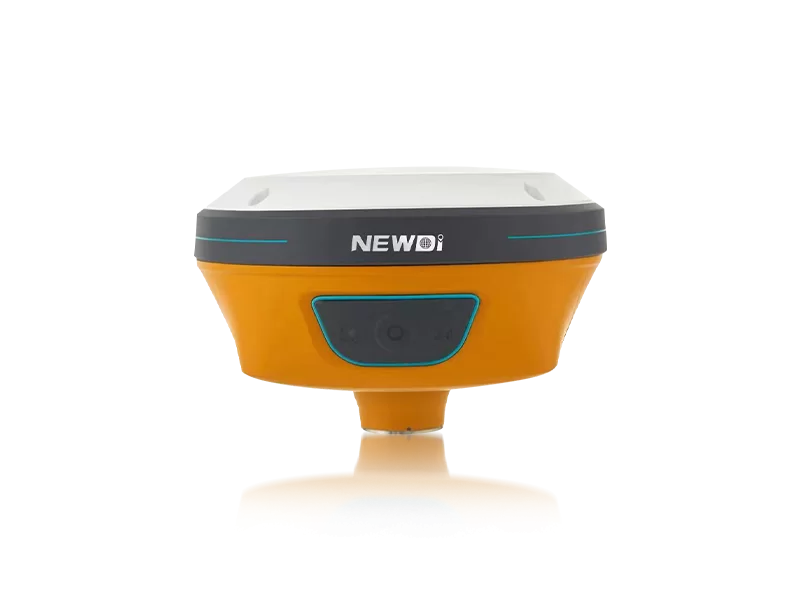
Precision GNSS RTK Receiver Solutions for Uzbekistan Infrastructure

Empowering Uzbekistan's modernization with high-accuracy geospatial measurements and automated agricultural steering systems.

Precision GNSS RTK Receiver Solutions for Uzbekistan Infrastructure

Integrating advanced surveying equipment to enhance the accuracy of land management, construction, and farming across Uzbekistan's diverse terrain.

Geospatial Measurement Landscape in Uzbekistan

Analyzing the current state of surveying and precision machinery in Central Asia.

Uzbekistan is currently undergoing a massive infrastructure overhaul, from the expansion of Tashkent's urban core to the modernization of irrigation canals in the Fergana Valley. The demand for precise total station systems has surged as the government enforces stricter zoning and land-use regulations to optimize agricultural yields.

However, the region faces unique challenges, including extreme temperature fluctuations and vast arid steppes, which demand hardware that can withstand harsh environments. Traditional manual surveying is being rapidly replaced by gps diferencial technology to reduce human error in large-scale land redistribution projects.

In the agricultural sector, Uzbekistan's focus on cotton and wheat production is driving a shift toward "Smart Farming." The integration of auto steer tractor systems is becoming a necessity to minimize overlap and fuel consumption in the wide-open fields of the Karakalpakstan region.

Evolution of Precision Instrumentation in Uzbekistan

From optical measurements to satellite-driven automation.

Market Development History

Prior to 2010, the Uzbekistan market relied heavily on legacy optical instruments and basic total stations. Measurements were labor-intensive and prone to discrepancies, especially in mountainous regions where line-of-sight was frequently obstructed.

Between 2012 and 2018, the introduction of basic GNSS capabilities allowed for faster boundary mapping. This period saw the first widespread adoption of differential GPS for cadastral surveys, though real-time corrections were still limited by sparse base station networks.

Since 2019, the market has pivoted toward high-frequency RTK (Real-Time Kinematic) technology. The synergy between satellite constellations and local NTRIP networks has enabled centimeter-level accuracy for both urban construction and precision agriculture.

Future Development Trends

Integration of Multi-Constellation GNSS

Future deployments will move beyond GPS to fully integrate GLONASS, Galileo, and BeiDou, ensuring stable signal acquisition even in the deep valleys of the Tian Shan mountains.

AI-Driven Terrain Mapping

We expect a shift toward integrating LiDAR with existing surveying tools to create high-resolution 3D digital twins of Uzbek cities for smarter urban planning.

Fully Autonomous Farm Machinery

The transition from assisted steering to fully autonomous tractor fleets will accelerate, reducing reliance on manual labor in large-scale agricultural clusters.

Industry Trends and Future Outlook

Strategic directions for the measurement and instrument manufacturing sector.

Hyper-Convergence of IoT
Merging GNSS data with IoT sensors for real-time monitoring of structural health in Uzbekistan's new bridges and dams.
RTK Network Expansion
Development of national CORS networks to eliminate the need for local base stations in remote regions.
Precision Ag-Tech
Integration of variable rate application (VRA) with automated steering for optimized fertilizer use.
Cloud-Based Surveying
Real-time synchronization of field data to central cloud servers for instant project management.

Industry Outlook

The trajectory of Uzbekistan's instrument industry is moving toward complete digitization. Google search trends indicate a rising interest in "precision farming" and "digital mapping" within the region, signaling a shift from basic hardware acquisition to integrated software-hardware ecosystems.

Over the next 3-5 years, the market will likely prioritize energy-efficient, solar-powered RTK stations and ruggedized tablets capable of handling the intense UV exposure typical of the Central Asian climate.

Localized Application Scenarios in Uzbekistan

Real-world implementation of precision instruments across various Uzbek sectors.

01. Cotton Field Optimization

Utilizing auto steer tractor systems in the regions of Bukhara and Khorezm to ensure perfectly straight planting rows, reducing seed waste by up to 15%.

02. Urban Renewal in Tashkent

Deploying high-precision total station equipment for the precise alignment of new residential complexes and the expansion of the metropolitan transport network.

03. Irrigation Canal Mapping

Using gps diferencial systems to map the topography of the Amu Darya basin, ensuring efficient water flow and reducing leakages in ancient canal systems.

04. Mountainous Boundary Surveys

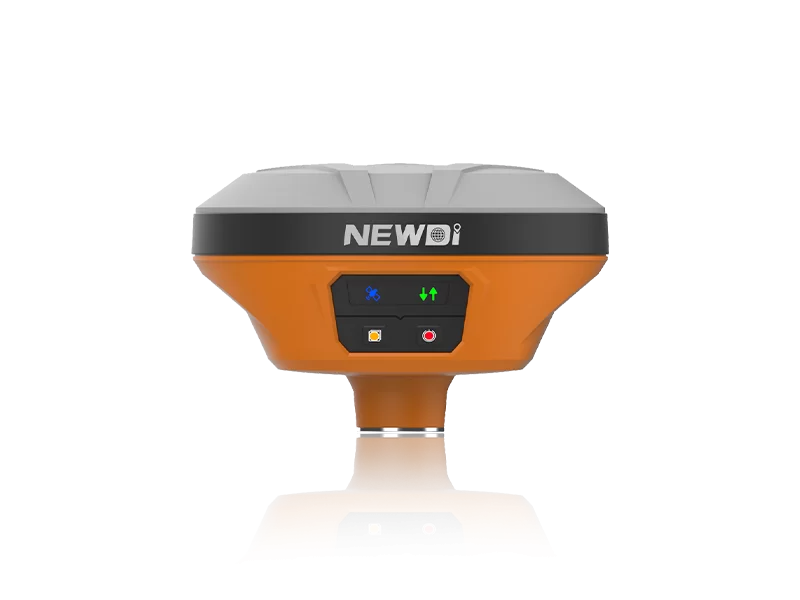
Implementing compact GNSS RTK receivers for cadastral boundary definitions in the rugged terrain of the Fergana Valley where traditional surveying is impossible.

05. Industrial Zone Planning

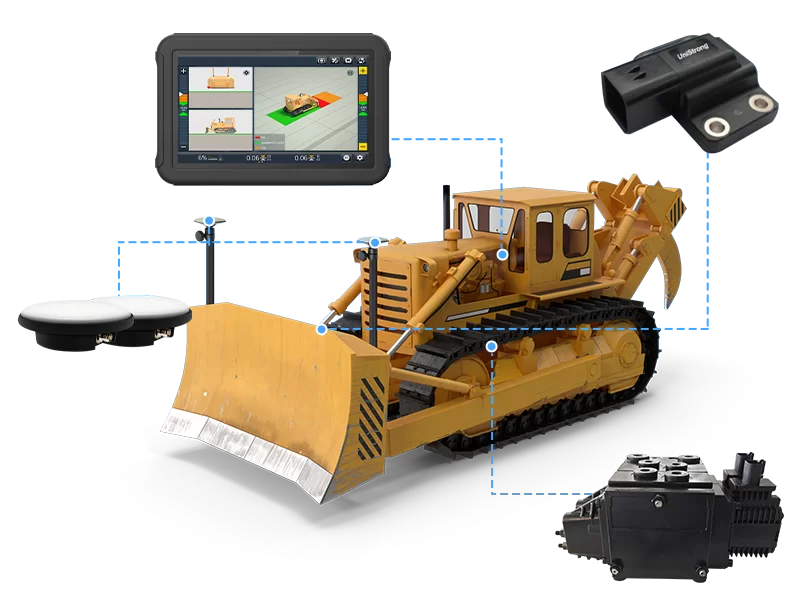
Applying comprehensive surveying equipment suites to layout new Special Economic Zones (SEZs), ensuring accurate plot allocation and infrastructure connectivity.

Brand Story

Global Development Journey of Shanghai NCT Navigation Technology Co., Ltd.

Foundational Innovation

Started with a mission to solve the "last centimeter" problem in geospatial positioning through rigorous R&D in GNSS algorithms.

Agriculture Breakthrough

Developed industry-leading automated steering solutions to bridge the gap between traditional farming and precision agriculture.

Global Market Expansion

Established strategic partnerships across Asia, bringing high-cost-performance measurement tools to developing infrastructure markets.

Technological Integration

Advanced the integration of RTK and IMU technology, ensuring stability in challenging environments such as forests and urban canyons.

Commitment to Uzbekistan

Dedicated to supporting Uzbekistan's "Digital Uzbekistan 2030" strategy by providing localized, high-precision positioning ecosystems.

Complete Precision Portfolio for Uzbekistan

Professional-grade instruments tailored for the Central Asian environment.

Uzbekistan Local Surveying FAQ

Answers to common technical questions from our local partners.

How does the GNSS RTK receiver perform in Uzbekistan's remote steppes?

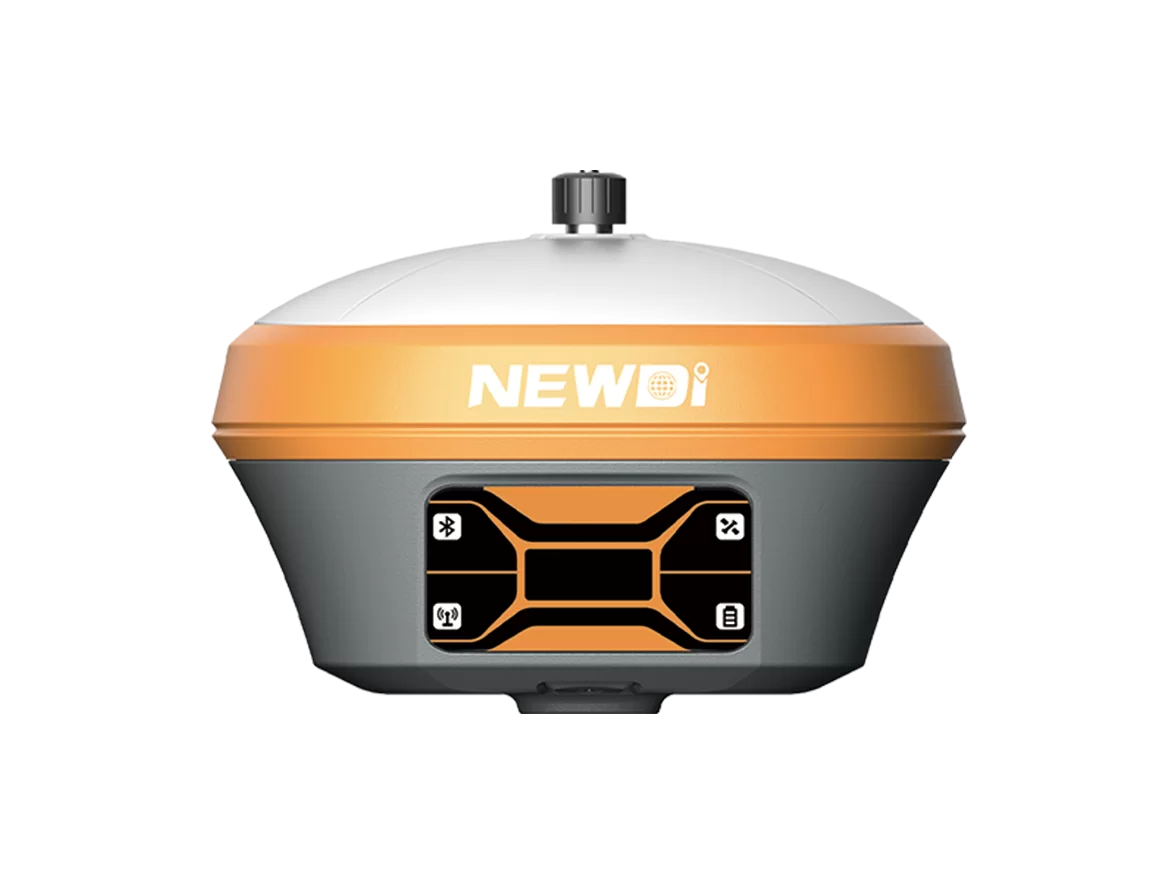
Our receivers are designed with multi-constellation support, ensuring a strong signal lock even in areas with minimal infrastructure, provided a base station or NTRIP service is available.

Can the auto steer tractor system be installed on older tractor models?

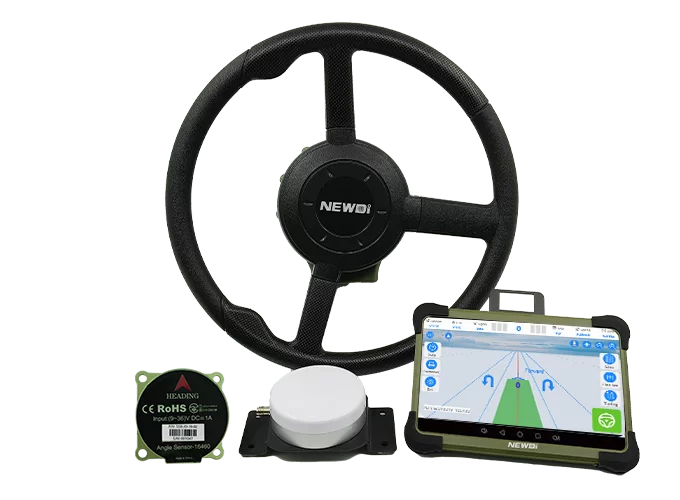
Yes, our systems are designed for universal compatibility, utilizing adaptable electronic valves or mechanical steering motors to retrofit most common tractor brands used in Uzbekistan.

What is the accuracy difference between a total station and RTK for urban projects?

While total stations offer millimeter precision for short distances, RTK provides centimeter precision over vast areas, making it superior for large-scale site planning in Tashkent.

Is gps diferencial technology suitable for the Fergana Valley's terrain?

Absolutely. Differential GPS corrects atmospheric errors, which is critical in the varying altitudes of the Fergana Valley to ensure consistent mapping accuracy.

How do I maintain surveying equipment during the extreme Uzbek summer?

We recommend using our ruggedized cases and ensuring that electronic components are kept out of direct sunlight during peak hours to prevent thermal shutdown.

What software is compatible with your surveying equipment for land registration?

Our equipment supports standard DXF, CSV, and Shapefile formats, ensuring seamless integration with the cadastral software used by Uzbekistan's state agencies.

Ready to Modernize Your Infrastructure?

Contact our expert team today for professional geospatial and agricultural solutions tailored for Uzbekistan.

Contact Us Now