

Shanghai Newdi Navigation Technology Co.,Ltd

Precision GNSS RTK Receiver Solutions for Pakistan's Infrastructure

Empowering Pakistan's surveying and agricultural sectors with centimeter-level accuracy and cutting-edge geospatial technology.

Precision GNSS RTK Receiver Solutions for Pakistan's Infrastructure

Integrating advanced surveying equipment to optimize land management, road construction, and precision farming across the diverse landscapes of Pakistan.

Current State of Geospatial Measurement in Pakistan

Analyzing the transition from traditional surveying to digital precision in the Pakistani market.

Pakistan's surveying landscape is currently at a critical junction. In regions like Punjab and Sindh, the heavy reliance on traditional land measurement methods often leads to boundary disputes and inefficiencies in large-scale irrigation projects. The demand for high-precision total station units has grown as the government pushes for modernized urban planning in cities like Karachi and Islamabad.

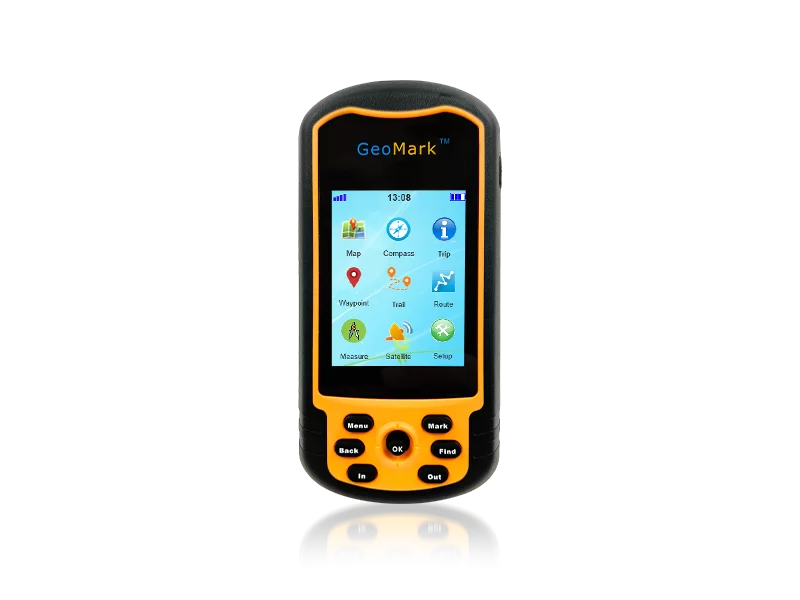
Geographically, the extreme terrain—from the coastal plains to the northern highlands—requires versatile equipment. Many local firms are now upgrading to gps diferencial systems to overcome the limitations of visual line-of-sight measurements, which are often obstructed in densely populated urban areas or rugged mountain passes.

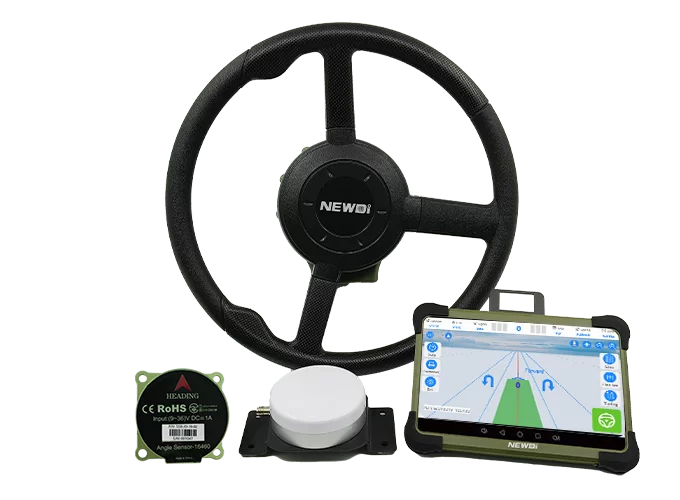
Furthermore, the agricultural sector, the backbone of Pakistan's economy, is beginning to recognize the value of automation. There is a rising trend toward integrating auto steer tractor technology to reduce overlap in seed sowing and fertilizer application, aiming to combat the challenges of water scarcity and soil degradation.
Evolution of Surveying Technology in Pakistan

Tracing the journey from manual theodolites to satellite-based RTK systems.

Market Development History

Historically, from the 1980s to the early 2000s, surveying in Pakistan relied heavily on optical instruments and manual chaining. This era was characterized by slow data collection and a high margin of human error, particularly in cadastral surveys.

Between 2005 and 2015, the introduction of electronic distance measurement (EDM) and the wider adoption of the total station revolutionized the industry. This shift allowed for faster data acquisition and the digital storage of coordinates, facilitating more complex civil engineering projects.

From 2016 to the present, the "Satellite Era" has taken hold. The deployment of CORS (Continuously Operating Reference Stations) and the accessibility of affordable GNSS hardware have pushed the market toward real-time kinematic (RTK) corrections, enabling instantaneous precision across vast terrains.

Future Development Trends

Integration of AI-Driven Mapping

Over the next 3 years, we expect a shift toward AI-augmented surveying, where data from GNSS receivers are fused with LiDAR to create real-time 3D digital twins of urban environments.

Autonomous Agricultural Fleet

The adoption of auto steer tractor systems will evolve from single-unit guidance to fully autonomous swarm farming to maximize crop yields in the Indus Basin.

Multi-Constellation Synergy

Future hardware will move beyond GPS, fully integrating Beidou, GLONASS, and Galileo to ensure signal stability in the deep valleys of the Karakoram range.

Industry Trends and Future Outlook

Strategic projections for the Pakistani measurement and mapping industry.

Real-Time Kinematic Dominance
RTK technology will become the standard for all cadastral and construction surveys in Pakistan to eliminate post-processing delays.
Agri-Tech Automation
The shift from manual steering to GPS-guided machinery to optimize resource use in the Punjab agricultural belt.
Cloud-Based Data Management
Transitioning from local storage to cloud-synced GIS platforms for real-time project monitoring across multiple sites.
Hybrid Positioning Systems
Combining GNSS with IMU (Inertial Measurement Units) to maintain accuracy in "urban canyons" and forest cover.

Industry Outlook

The demand for high-end surveying equipment in Pakistan is projected to grow as the CPEC (China-Pakistan Economic Corridor) continues to drive massive infrastructure development, requiring precise alignment and mapping.

As search trends indicate a surge in "precision agriculture" and "digital land registry," we anticipate that the integration of GNSS and automation will become a prerequisite for government tenders and private development projects over the next five years.

Localized Application Scenarios in Pakistan

Practical implementations of precision measurement across various sectors in Pakistan.

01. CPEC Highway and Bridge Construction

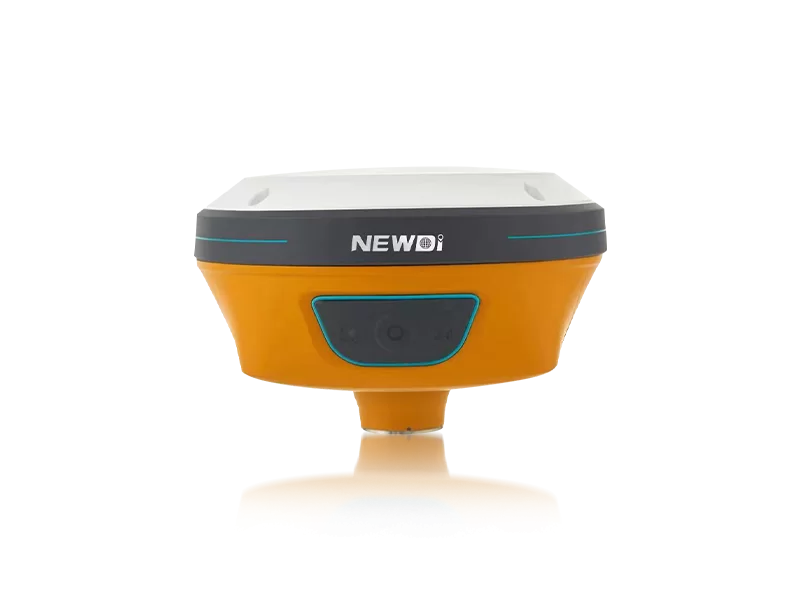
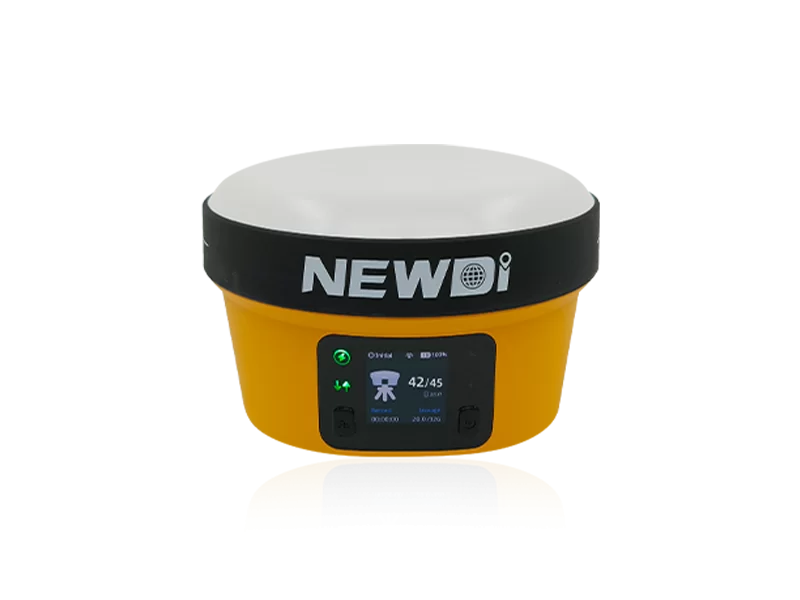
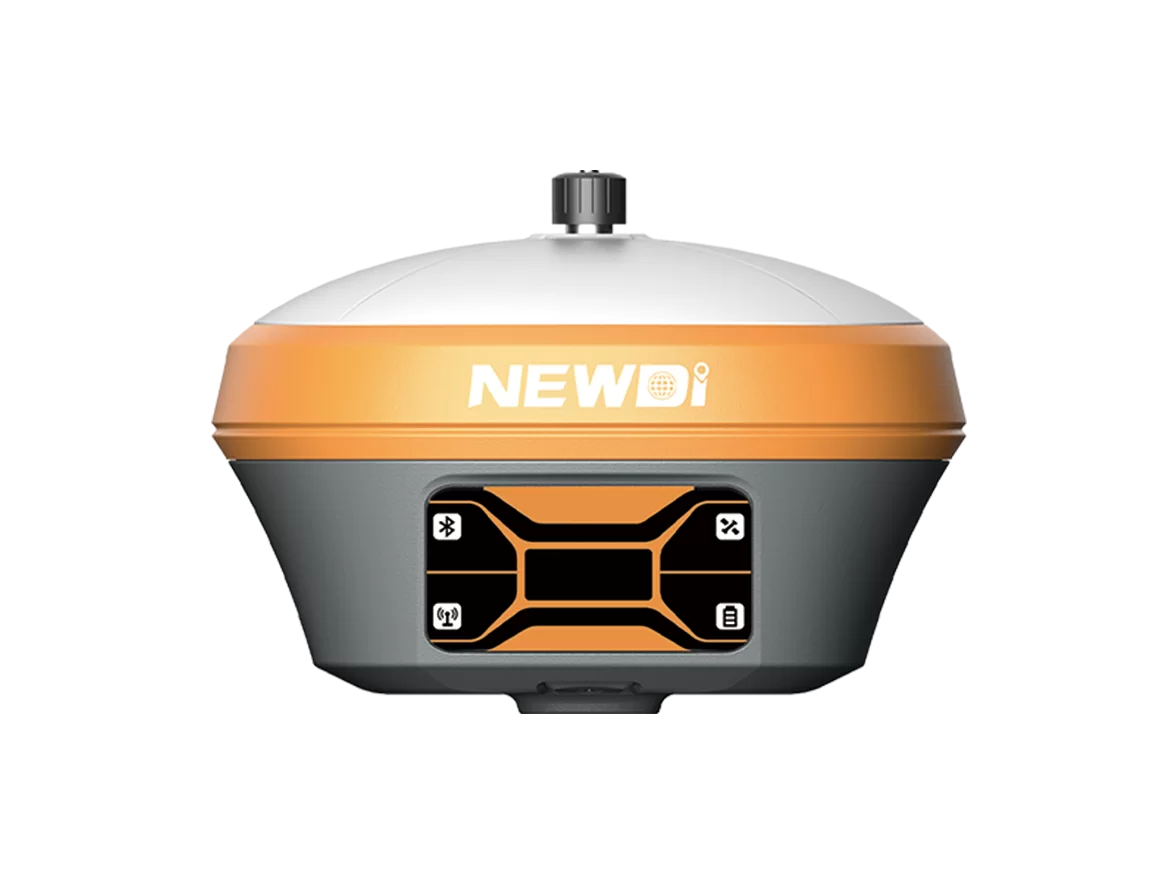
Using high-precision GNSS receivers to ensure the exact alignment of road networks crossing the challenging terrains of Balochistan and Khyber Pakhtunkhwa.

02. Indus Basin Irrigation Management

Implementing gps diferencial technology to map water channels and optimize gravity-fed irrigation systems to reduce water waste.

03. Punjab Precision Crop Farming

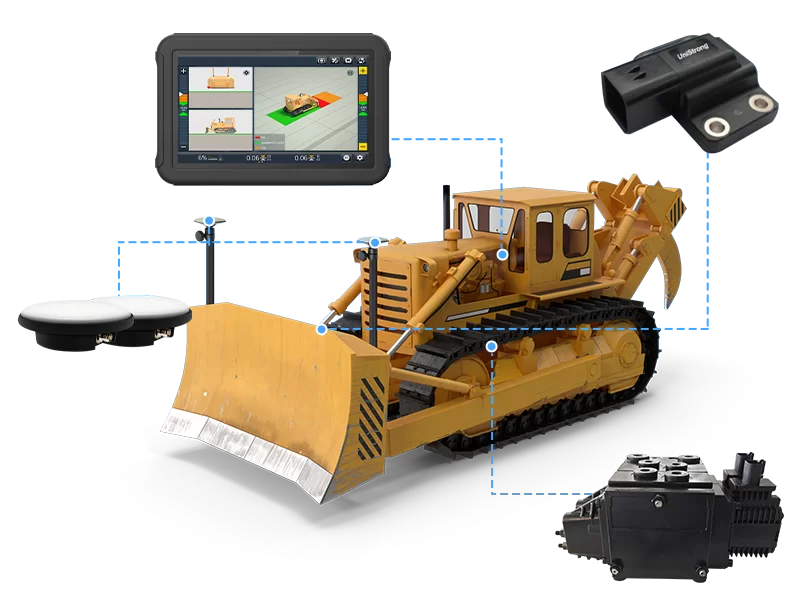
Deploying auto steer tractor systems for large-scale wheat and cotton farms to ensure perfect row spacing and reduce fuel consumption.

04. Urban Redevelopment in Karachi

Utilizing a total station for detailed building surveys and utility mapping in dense urban areas to prevent infrastructure collisions.

05. Cadastral Land Re-mapping

Modernizing old land records using RTK-GNSS to resolve boundary disputes and create a digitized land registry for rural communities.

Brand Story

Global Development Journey of Shanghai NCT Navigation Technology Co., Ltd.

Founding Vision

Established with a mission to bridge the gap between complex satellite data and practical field application for engineers worldwide.

Technological Breakthrough

Developed proprietary RTK algorithms that significantly reduced signal initialization time, enabling faster site setups.

Global Expansion

Expanded operations into Asia and Africa, tailoring hardware to withstand extreme temperatures and dusty environments.

Agri-Tech Pivot

Launched specialized auto-steering modules to empower farmers with precision guidance, reducing operational costs.

Industry Leadership

Now recognized as a leader in providing integrated geospatial solutions that solve the pain points of precision and reliability.

Complete Product Portfolio for the Pakistani Market

A comprehensive suite of measurement tools tailored for Pakistan's industrial and agricultural needs.

Frequently Asked Questions in Pakistan

Expert answers to common queries regarding surveying and GNSS technology.

How does a GNSS RTK receiver handle signal interference in urban Karachi?

Our receivers use multi-constellation tracking and advanced filtering algorithms to maintain a stable lock even in challenging "urban canyon" environments.

Can auto steer tractor systems be installed on older tractor models in Punjab?

Yes, our systems are designed for universal compatibility, offering both hydraulic and electric steering kits for a wide range of machinery.

What is the difference between a total station and a GPS differential system for land mapping?

A total station uses optical measurements and is ideal for small-scale, high-precision sites, while a GPS differential system is better for large-scale mapping over long distances.

Which surveying equipment is best for boundary disputes in rural areas?

For rural boundary disputes, we recommend an RTK GNSS system due to its ability to provide absolute global coordinates with centimeter accuracy quickly.

How often does the RTK receiver need calibration for Pakistani terrain?

Calibration is typically handled automatically via the base station or CORS network, though site-specific verification is recommended for critical projects.

Do you provide technical support for GNSS equipment in Pakistan?

Yes, we offer comprehensive remote technical support and localized training to ensure your team can maximize the efficiency of the hardware.

Ready to Upgrade Your Precision?

Contact our specialists today for a customized geospatial solution tailored to the unique requirements of Pakistan.

Contact Us Now